

 Tiếng Việt

What is a zygoma implant? Advantages and disadvantages? Procedure?
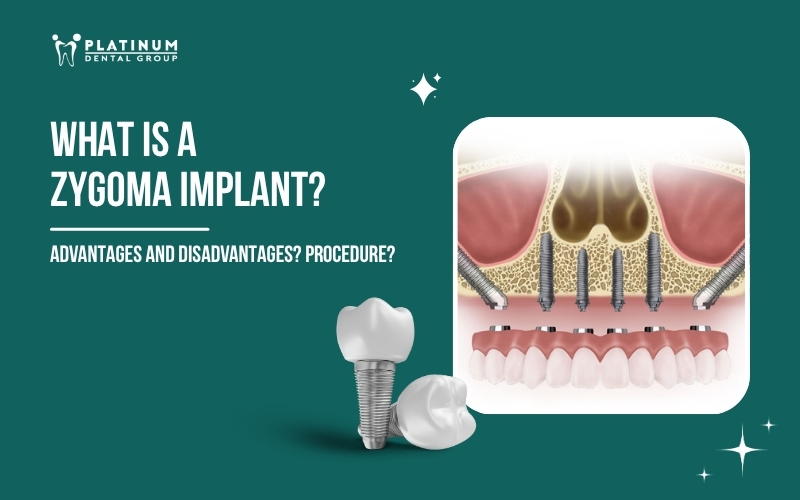

Zygoma Implant is a modern solution in dentistry, especially for cases of long-term tooth loss, severe jawbone atrophy and not eligible for conventional implant. So what is a zygoma implant? Platinum Dental Group will find out detailed information about this complex medical technique in the article below.
Nội dung bài viết
What is a zygomatic bone implant?
Zygomatic Implant is an advanced restoration technique, specifically for patients who have lost teeth for many years with severe jaw bone loss, making traditional implant placement impossible.
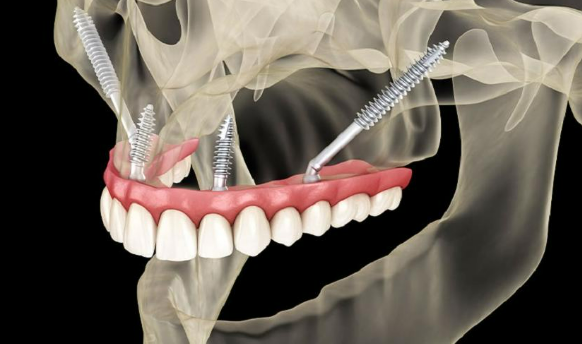
Unlike conventional implantation which relies on the jawbone, this method uses a specially designed, long implant post that anchors directly into the zygomatic bone (cheekbone). The zygoma is an area with high density and is less likely to resorb, ensuring the stability of the implant post. Depending on the specific medical condition, a specialist may place 2 to 4 posts to support full dental restoration.
Note: This is a specialized medical solution for cases where the jawbone is extremely weak. To ensure safety, this technique is not recommended for standard dental clinics but must be performed in a hospital or a center fully equipped for general anesthesia and major surgery.
See more: What is All On 4 Implant? When should this method be performed?
Advantages of zygoma implant method
Zygomatic bone implants are the optimal restorative solution for people who have lost teeth for a long time, especially in cases where the jawbone has seriously atrophied. This method not only helps restore chewing ability almost equivalent to real teeth, bringing comfort when using, but also contributes to maintaining facial structure, improving appearance and increasing confidence for patients. Compared to options such as removable dentures or traditional dental bridges that are easily damaged or need to be replaced after a period of use, Zygomatic bone implants have superior durability and provide stable results over a long period of time. This is a strong point that helps patients feel more secure after treatment.
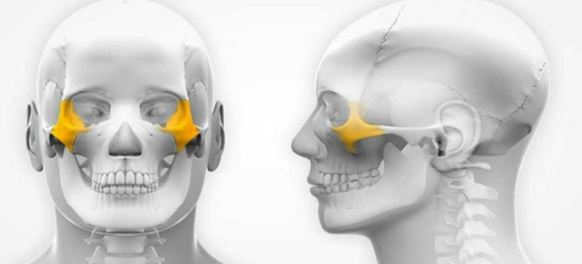
One of the notable advantages is that there is no need for bone grafting before implantation, even in cases of weakened bone or insufficient volume. The use of long implant posts, fixed directly to the zygoma, helps ensure stability and minimizes treatment time. In addition, patients can have temporary teeth attached within 24-48 hours after implantation, helping to quickly restore function and aesthetics.
This method is safe and has a high success rate only when performed by a highly specialized doctor in a qualified surgical environment, reducing the risk of complications compared to other techniques. This is considered a safe, reliable alternative to methods that are no longer suitable.
In particular, implant placement in the cheekbone also provides effective treatment for complex cases such as cleft lip and cleft palate – cases where traditional dental restoration solutions often fail to meet expectations.
Who should get zygoma implants?
Zygomatic Implant is often applied in severe medical cases, when traditional dental implant solutions are no longer feasible. Specifically:

- People who have lost all or many teeth in the upper jaw: In patients with severe upper jaw bone loss, making it unsuitable for conventional implant placement, the technique of implanting the implant into the cheekbone will be the optimal choice for restoration.
- Patients with damaged or deficient jawbone structure: People who have undergone surgery to remove tumors, have had an accident that caused facial deformity, or have congenital abnormalities such as cleft palate, cleft lip, etc. There may not be enough bone left to place a traditional implant. In these cases, cheekbone implants are an effective alternative.
- People who want to quickly restore function and aesthetics: This method allows for fixed dental restoration in a short time, helping patients quickly regain the ability to chew and significantly improve facial appearance without having to undergo many complicated procedures such as bone grafting.
However, it should be noted that this method is suitable for patients in good general health, without chronic diseases such as uncontrolled diabetes or sinus infections.
See more: What is Dental Implant Porcelain Restoration? How does the process take place?
Standard medical cheekbone implant procedure
The standard medical cheekbone implant procedure includes the following steps:
General examination and imaging tests
The doctor will conduct a general oral health check and use a Cone Beam CT 3D scan to observe the facial bone structure in detail – especially the cheekbones and upper jaw. This helps to accurately determine bone density, the location of tooth loss and evaluate the possibility of implantation.
Individualized treatment planning
Based on the diagnosis results, the doctor will develop a specific treatment plan, including the number of implants to be placed, the implant direction, the appropriate tilt and length to ensure the implant is firmly attached to the cheekbone area.

Perform implant surgery
The long, curved and specialized implant posts will be implanted into the zygoma with high precision. This step requires sophisticated surgical techniques and the support of a digital positioning system to help the doctor determine the exact implant position, increasing safety and efficiency or modern digital guidance to increase safety.
Important: Implant placement surgery must be performed under general anesthesia at a hospital or licensed surgical center to ensure patient safety and comfort.
Attaching porcelain dental restorations
Once the implant has stabilized and integrated well with the bone, the doctor will proceed to restore the porcelain tooth on the implant. Depending on each case, the patient can be fitted with a temporary tooth immediately after the implant or after a few weeks to ensure long-term stability.
After placing the implant, the bone integration process usually takes 3-6 months before the fixed porcelain crown can be attached.
Combined with upper jaw implant
In complex cases of bone loss, doctors can use both traditional implants and zygomatic implants in parallel to increase support and improve aesthetic and functional effectiveness.
Regular follow-up and re-examination
After treatment, patients will be instructed on proper oral care and scheduled for regular check-ups to monitor the bone integration process and the condition of the implant.
Disclaimer: Due to the high complexity and risks associated with this technique (affecting the sinuses and maxillofacial nerves), the entire procedure needs to be performed at specialized hospitals with full support equipment and a team of highly specialized doctors. Patients should consult carefully before deciding.
Above is the medical information about zygoma implant technique that Platinum Dental Group wants to share with you. Hopefully, the above information has helped you better understand the advantages of this modern restoration method.
Learn more:
- Important information about tooth Implants
- General information about Veneer teeth
- General information about the cost of full mouth Dental Implants
- General information about Dental Crown treatment
- Important information about all on 4 Dental Implants near me
- General information about full mouth Dental Implants near me
Platinum Dental Group
Clinic Locations:
📍Platinum Dental Central: 127 Nguyen Cu Trinh Street, Cau Ong Lanh Ward, Ho Chi Minh City
📍Platinum Dental Thao Dien: 1H Street 10, An Khanh Ward, Ho Chi Minh City
📞 Hotline: (+84) 28 3920 9969 | 096 779 7799
✉️ Email: info@platinumdentalvietnam.com
🌐 Website: https://platinumdentalvietnam.com/
💬 Instagram: https://www.instagram.com/platinumdental.vietnam/
🔗 Facebook: https://www.facebook.com/platinumdentalvn
Articles on the same topic