
Can You Get Dental Implants With Bone Loss? Dentist Explains
Can you get dental implants with bone loss? In many cases, yes, although treatment depends on the amount and location of the remaining jawbone. Bone loss caused by missing teeth, gum disease, infection, or long-term denture use can make implant placement more challenging. Depending on the individual case, treatment may involve bone grafting, ridge augmentation, a sinus lift, zygomatic implants, or full-arch options such as All-on-4 and All-on-6.
Losing a jawbone does not necessarily mean you have to give up on dental implants. So, can you get dental implants with bone loss? In many cases, treatment remains possible with the right approach, from rebuilding lost bone to using implant techniques designed for limited bone volume. This article explains why bone loss and dental implants are closely connected, the available solutions, and what you can expect throughout the implant restoration process.
1. Can you get dental implants with bone loss?
Yes, having jawbone deterioration does not mean you are automatically disqualified from receiving dental implants. Modern restorative dentistry utilizes advanced techniques like bone grafts, sinus lifts, or specialized angled implants to build adequate support or maximize remaining healthy bone for a stable, long-lasting restoration.
2. What is bone loss and why does it matter for dental implants and dentures?
Jawbone loss is the gradual shrinkage and deterioration of the jaw’s bone density and volume, occurring primarily when the bone lacks the biting and chewing stimulation necessary to maintain its natural strength. Understanding the link between bone loss and dentures or implants is crucial, as reduced volume directly affects structural support.
Common causes of bone loss in the jaw include:
- Tooth extraction or untreated missing teeth without timely replacement
- Advanced periodontal disease destroying supporting bone structures
- Traditional unanchored dentures and conventional bridgework
- Facial trauma, jaw fractures, or severe dental injuries
- Severe tooth misalignment causing uneven bite distribution
- Jawbone infections such as osteomyelitis
- Removal of benign or malignant jaw tumors and cysts
- Developmental deformities and congenital conditions
- Maxillary sinus expansion following upper molar loss
- Natural age-related bone density decline
- Long-term use of specific medications like corticosteroids
- Genetic predisposition to periodontal issues or low density
Reduced bone volume directly impacts implant stability by weakening the foundational anchor required to support the post securely. Addressing dental implants bone loss issues early prevents structural instability and ensures predictable healing.
3. Advanced solutions for getting implants with bone loss
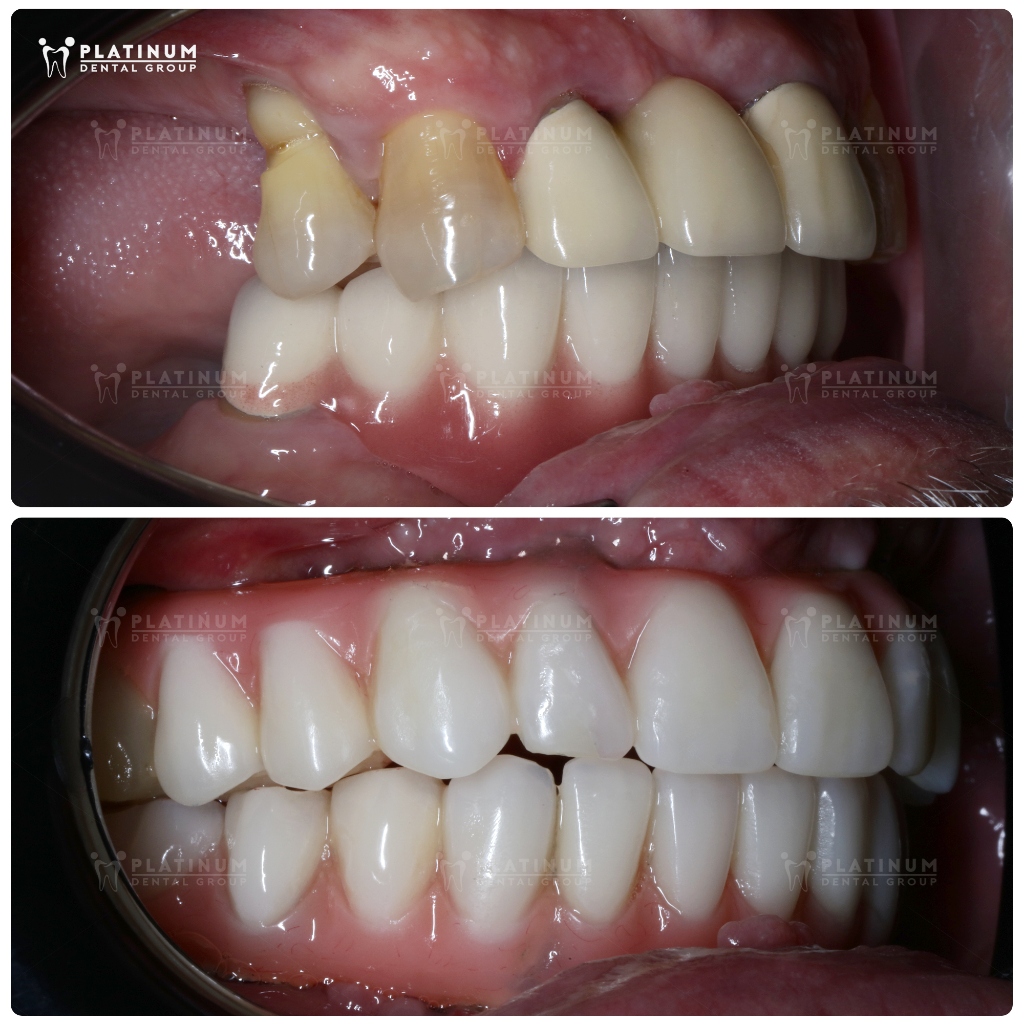
Bone loss can make conventional implant placement more complex, but there are several treatment approaches that can help address limited bone volume. Depending on the condition of the jaw, dentists may recommend rebuilding the missing bone or placing implants in areas with adequate support when evaluating dental implants with bone loss.
3.1. Bone grafting and ridge augmentation
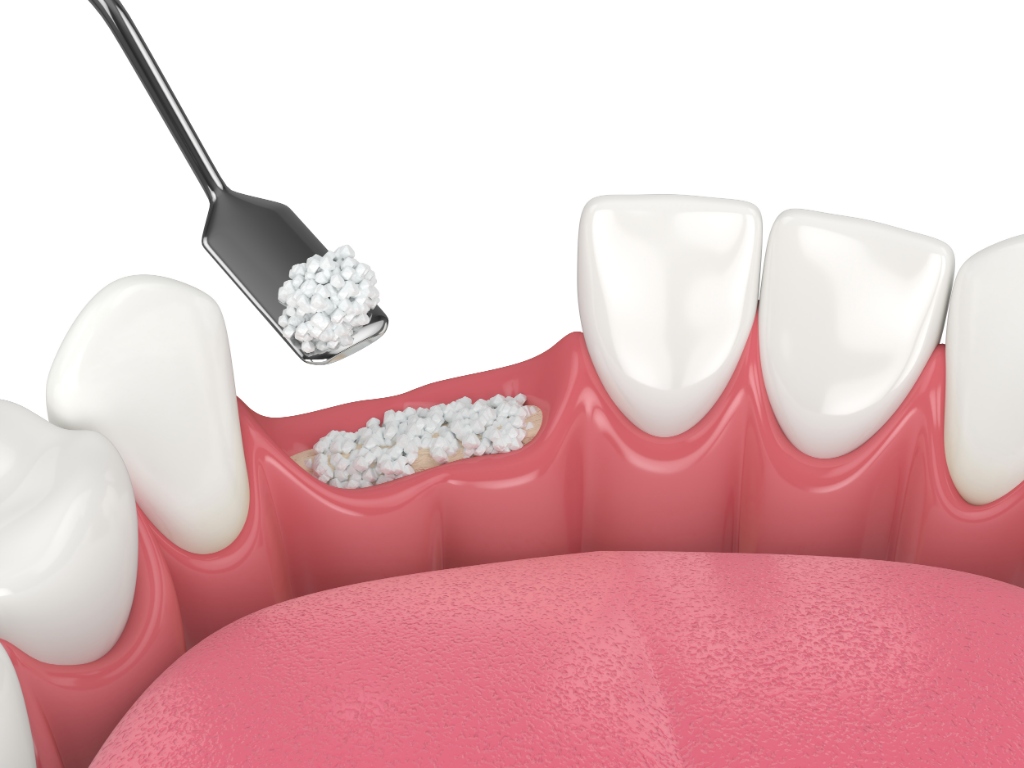
Bone grafting involves placing biocompatible bone materials into deficient areas to rebuild a solid jaw foundation. Ridge augmentation precisely reshapes the natural contour of your jaw where structural resorption occurred after tooth loss. This advanced approach allows patients with severe bone loss to safely achieve predictable, long-lasting dental implant placement.
3.2. Sinus lift surgery
Sinus lift surgery addresses height deficiencies specifically in the upper jaw near back molars. When missing upper teeth cause the sinus cavity to expand downward, a dental specialist gently elevates the sinus membrane to insert grafting material underneath, creating a reliable base for post anchoring.
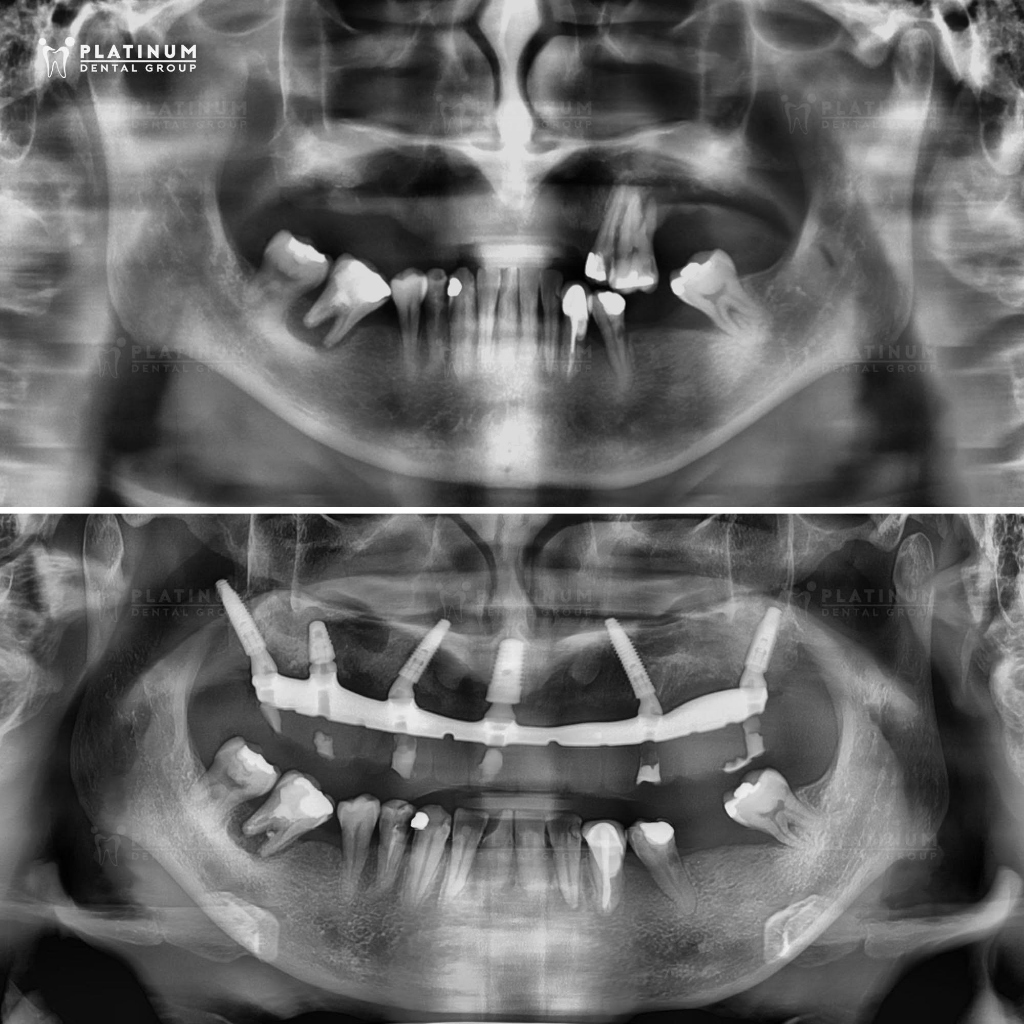
3.3. Zygomatic implants
Zygomatic fixtures bypass severe upper jaw resorption by anchoring directly into the dense cheekbone rather than the maxilla. This advanced approach offers an effective option when evaluating false teeth options with bone loss, eliminating the need for extensive initial grafting procedures.
3.4. Full-Arch Dental Implants: All-on-4 & All-on-6 Solutions
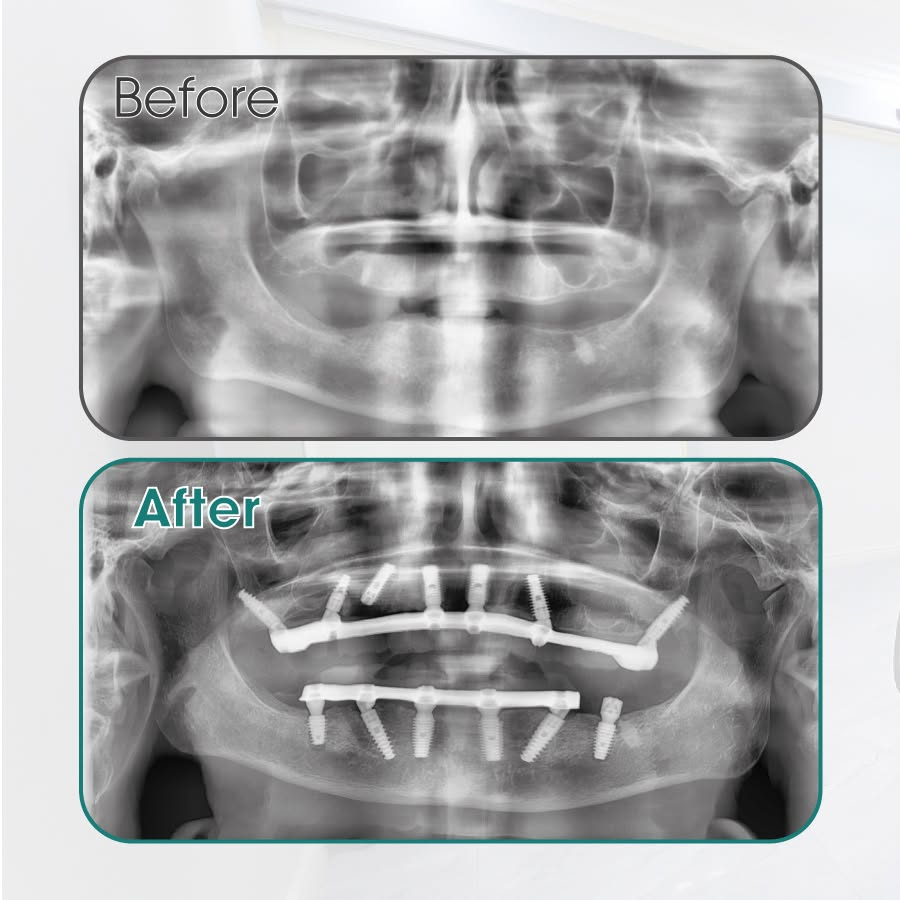
Once the alveolar ridge and jawbone architecture have been successfully augmented and stabilized through targeted bone grafting or sinus lift procedures, permanent full-arch rehabilitation can be safely executed. Depending on the restored bone density, volume, and masticatory demands, clinicians will strategically place either four or six implant fixtures to anchor a permanent prosthetic arch.
- All-on-4 Protocol: Utilizes two straight anterior implants combined with two posterior implants tilted at up to 45 degrees, capitalizing on the newly regenerated bone structure while avoiding critical anatomical boundaries. It provides a fixed, highly functional solution that completely eliminates the instability of traditional removable dentures.
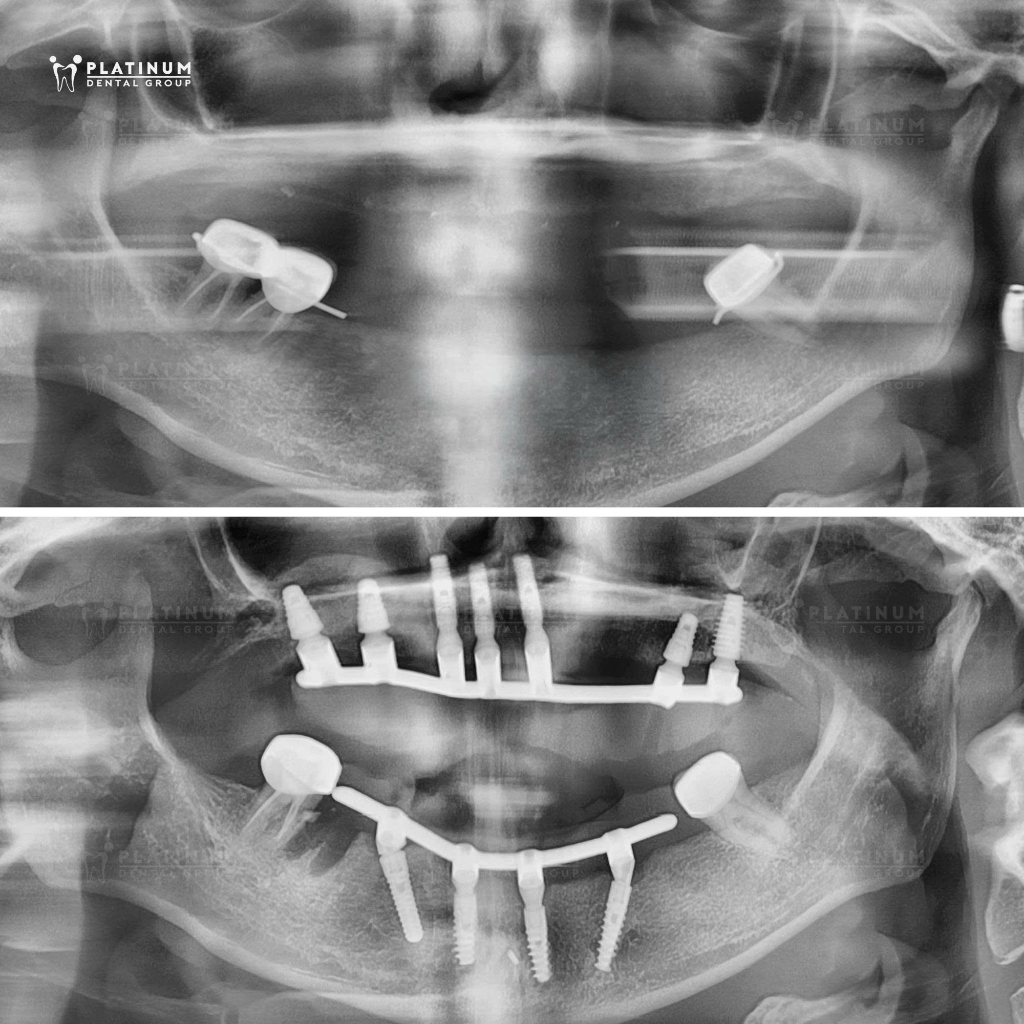
- All-on-6 Protocol: Integrates six strategically positioned fixtures across the arch to deliver enhanced load distribution and maximum structural stability. This configuration is ideal for patients whose augmented bone volume permits broader anchorage, offering maximum biomechanical durability for heavy bite forces.
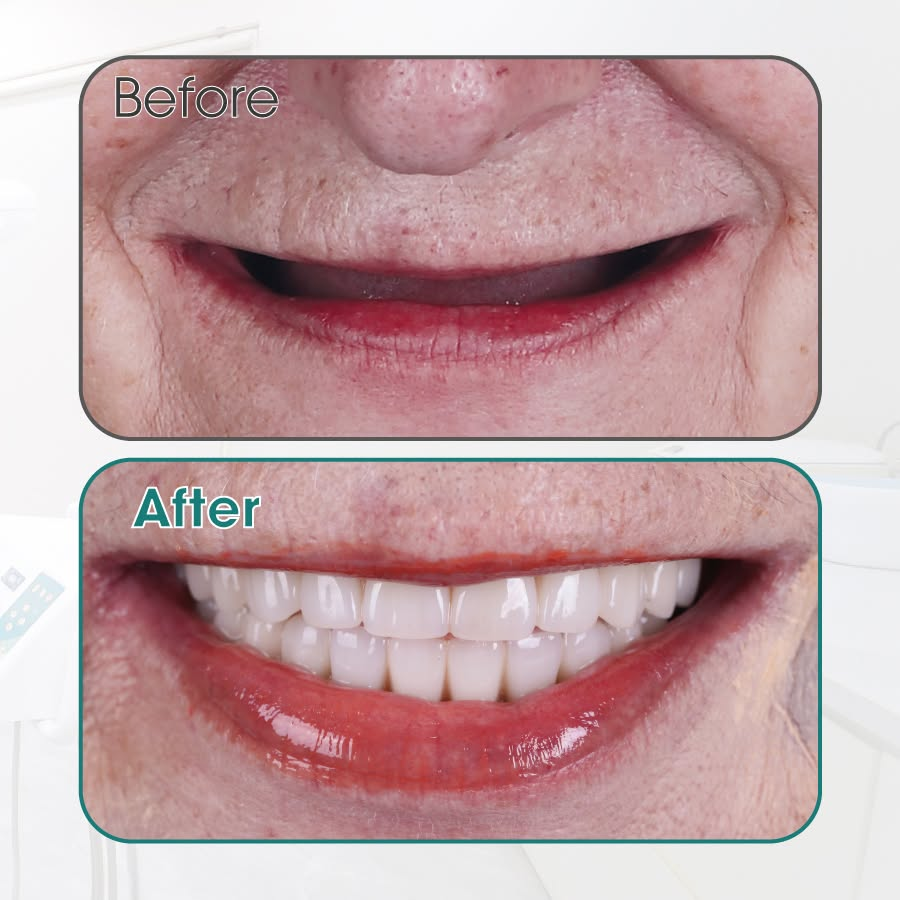
4. Platinum Dental Group – A trusted dental implant clinic with specialized expertise in Vietnam
Platinum Dental Group offers high-quality restorative care for international and local patients seeking reliable solutions for complex dental cases. Patients facing jawbone structural challenges receive personal care plans tailored to their unique oral health needs, ensuring a smooth, transparent, and comfortable journey from initial evaluation through final restoration.
To deliver this high level of predictable care, Platinum Dental Group combines surgical expertise with the latest digital medical technologies.
- Experienced dental specialists:
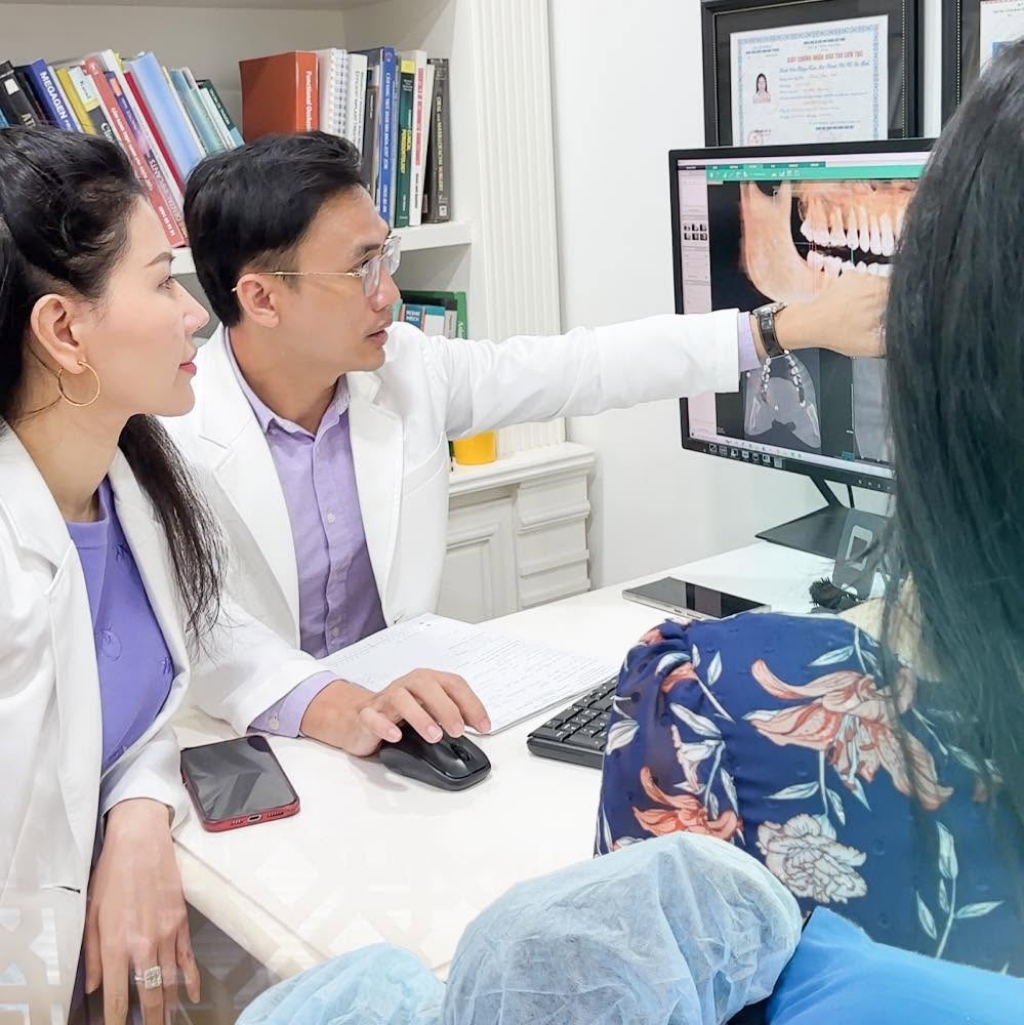
Restorative procedures are led by senior experts like Dr. Duong Minh Tung, a maxillofacial surgeon with over 18 years of clinical experience. He specializes in advanced Zygomatic (cheekbone) implants for severe bone atrophy, having successfully treated numerous international patients seeking complex care in Vietnam. This extensive expertise guarantees precise placement and predictable, long-lasting outcomes even for cases with critical jawbone shrinkage.
- Immediate restoration options:
Platinum Dental Group provides advanced immediate restoration solutions, placing temporary provisional teeth shortly after post insertion whenever conditions permit. This technique allows patients to maintain full aesthetic appeal, comfortable daily speaking capabilities, and social confidence throughout their healing period without noticeable gaps.
- Advanced surgical technologies:
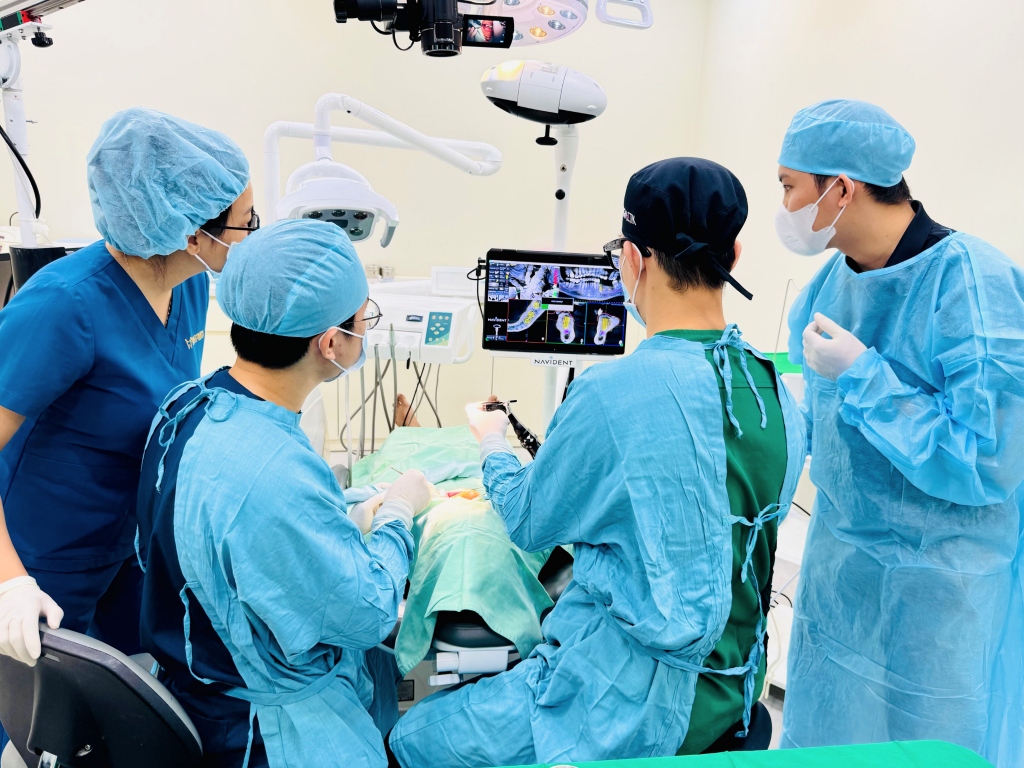
To guarantee extreme precision during these immediate and complex procedures, the clinic utilizes advanced diagnostic tools including Navident dynamic navigation, RAY STUDIO Cone Beam CT scanner (FOV 20×20), RAYFace 3D Facial Scanner, and PIC digital impression technology. These state-of-the-art systems allow specialists to plan precise implant locations, minimizing invasive surgical procedures and optimizing patient comfort.
- Personalized smile design:
Implant restorations are customized to complement each patient’s facial features, lip line, and natural bite alignment using dynamic 3D Smile Design software. This personalized approach recreates a natural appearance while supporting facial structure, helping counteract aesthetic changes associated with bone loss and dentures.
- Transparent pricing and warranties:
Platinum Dental Group prioritizes complete cost transparency by providing detailed, itemized treatment plans with zero unexpected fees. Patients receive comprehensive breakdown schedules upfront, covered by clear warranty policies for materials and posts to ensure absolute peace of mind during their restorative care.
- Flexible payment options and installment plans:
To make high-quality restorative care more accessible, Platinum Dental offers diverse payment methods and financial support policies. Patients can choose from cash or direct online bank transfers, or take advantage of a 0% interest installment plan spanning 6 to 12 months through over 30 major banks.
>> Contact Platinum Dental Group today to begin your personalized implant restoration journey.
| Platinum Dental Group 📍 Platinum Dental Group Central – 127 Nguyen Cu Trinh Street, Cau Ong Lanh Ward, Ho Chi Minh City 📍 Platinum Dental Group Thao Dien – 1H Street No. 10, An Khanh Ward (Thao Dien area) ✉️ Email: info@platinumdentalvietnam.com 🌐 Website: https://platinumdentalvietnam.com 💬 Instagram: https://www.instagram.com/platinumdental.vietnam 🔗 Facebook: https://www.facebook.com/platinumdentalvn |
4.1. Patient restoration journeys at Platinum Dental Group
Here is how our patients experienced their treatment journey, from initial surgical procedures to full aesthetic and functional recovery:
– Mr. James
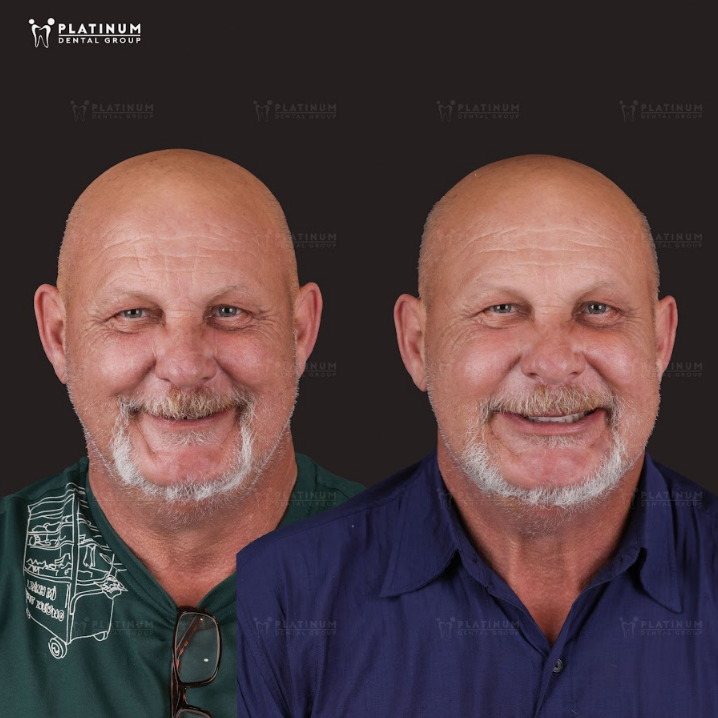
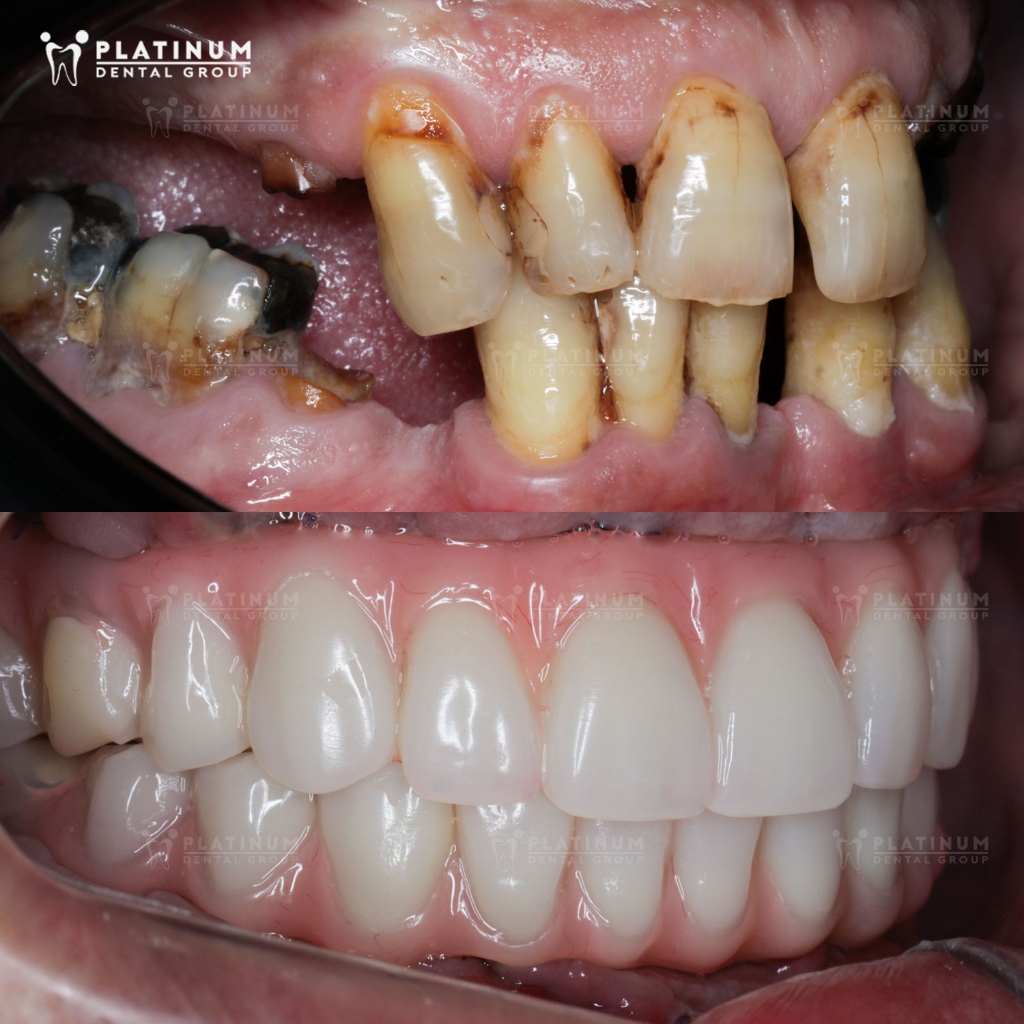
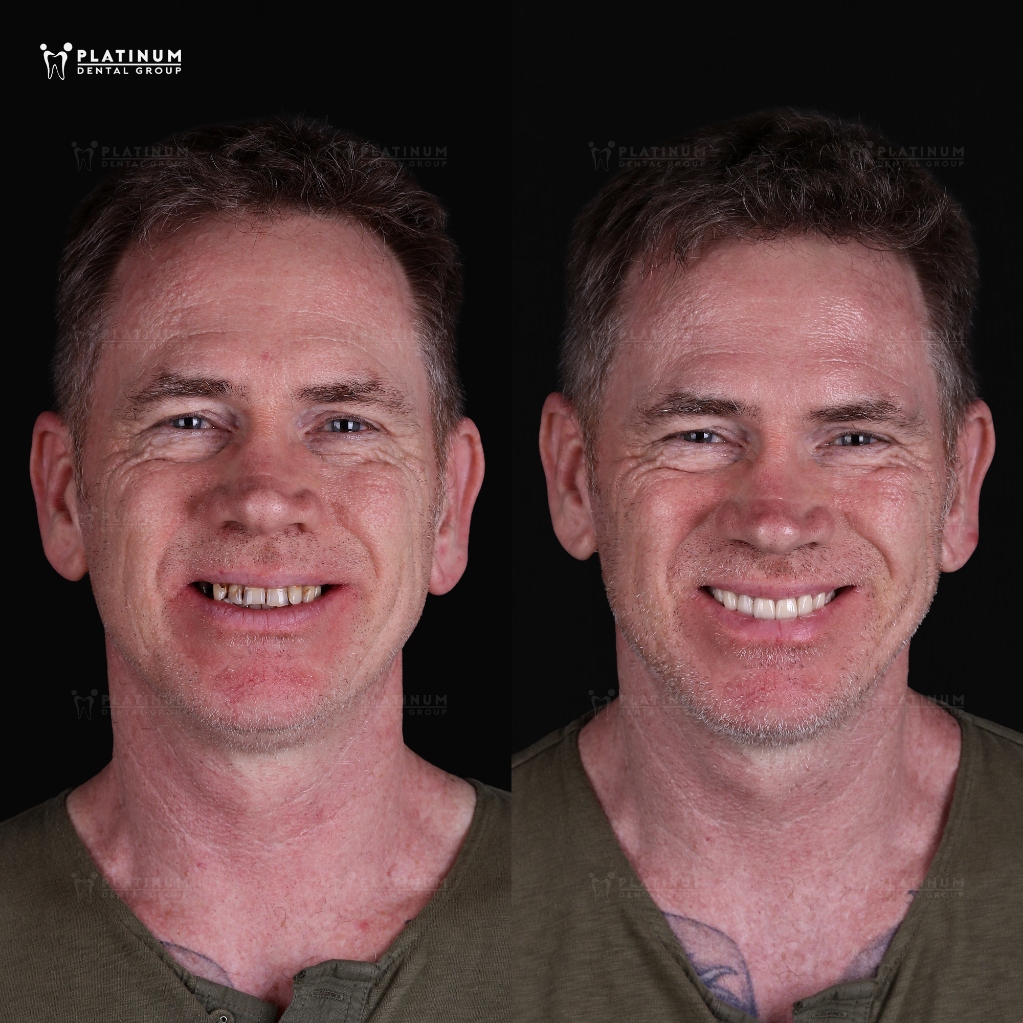
“The service at Platinum Dental Group is outstanding. Dr. Duong Minh Tung is not only a talented expert but also a very caring person. I had an excellent experience, and now I have a beautiful smile. Thank you, doctor!”
– Mr. Jeffrey
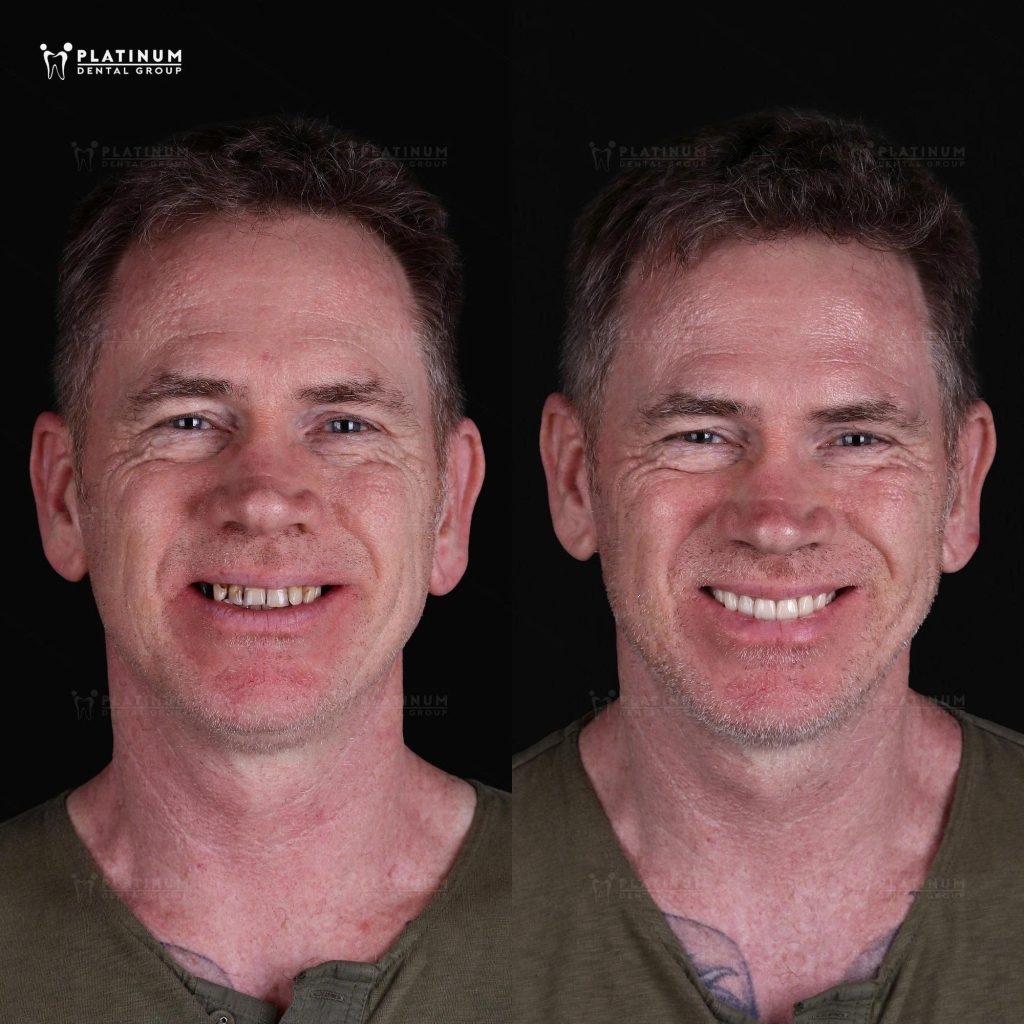
“My sinus lift, bone graft, and implant experience at Platinum Dental was excellent. The clinical team provided detailed consultations and professional care. I am confident in eating, chewing, and speaking.”
Mrs. Suzane
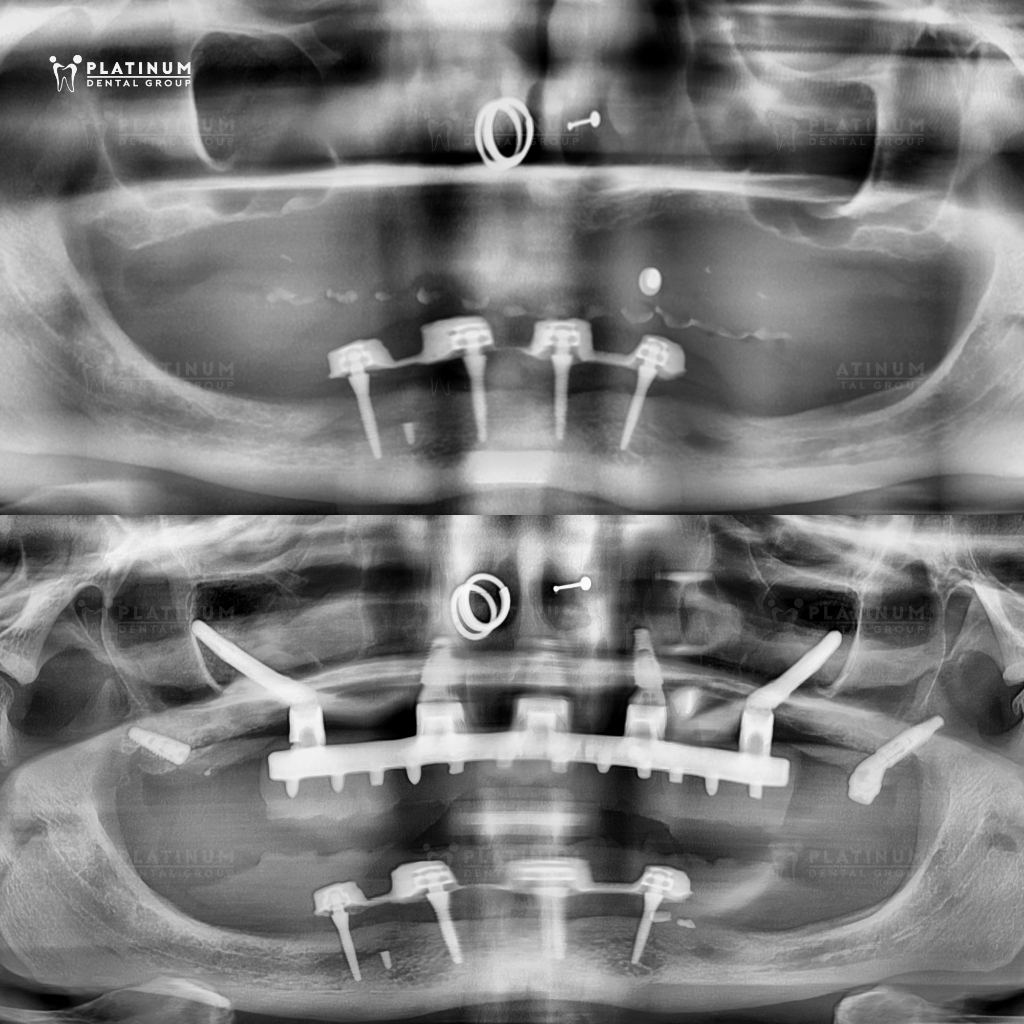
Despite initial anxieties over her complex medical background and challenging dental condition, Ms. Suzanne safely completed Stage 1 of her implant journey with the dedicated support of Platinum Dental. Relieved and overjoyed, she is now eager to return home and share comforting, complete meals with her children once again. For Platinum Dental, dental implant therapy goes far beyond surgical precision – it is an empathetic commitment to restoring genuine peace of mind and quality of life for every patient.
We invite you to listen to a firsthand account from Mrs. Suzanne regarding her experience with tooth loss treatment at Platinum Dental Group:
Mrs. Linda
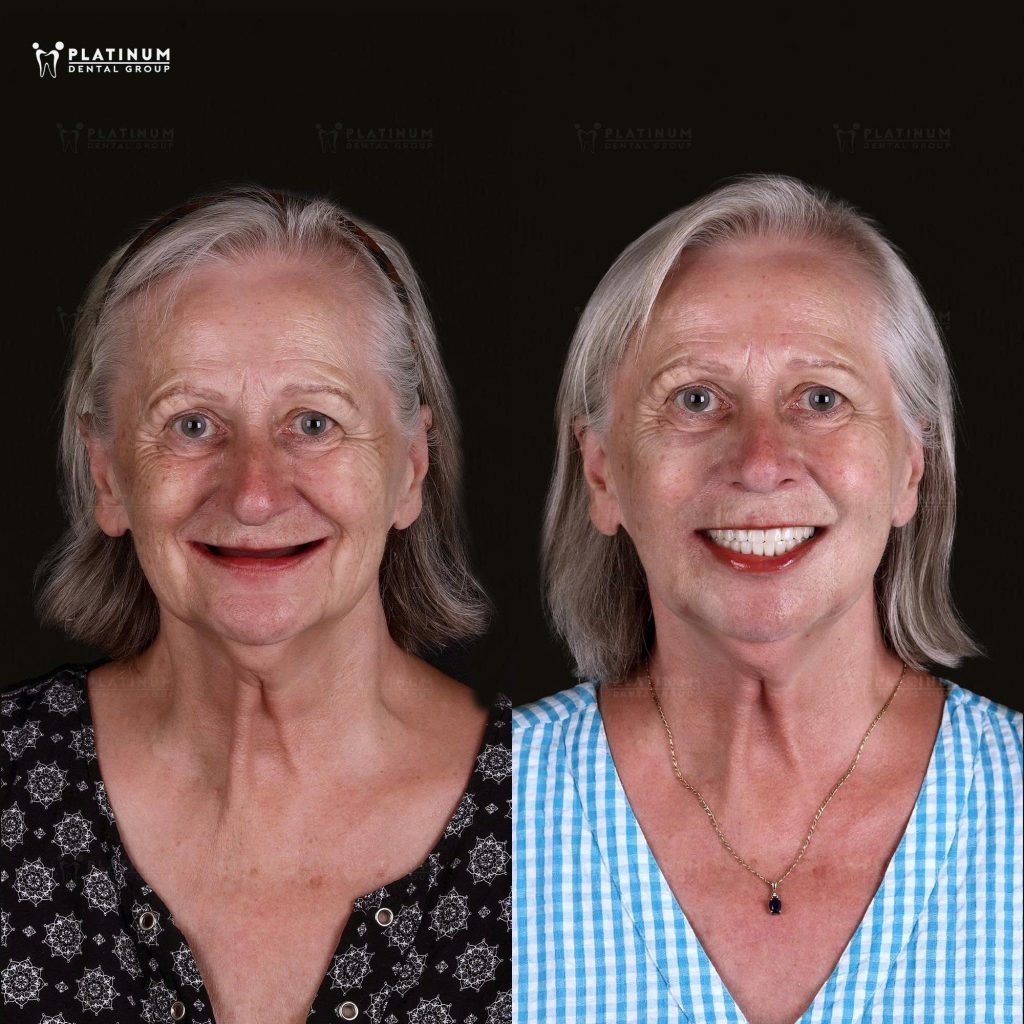
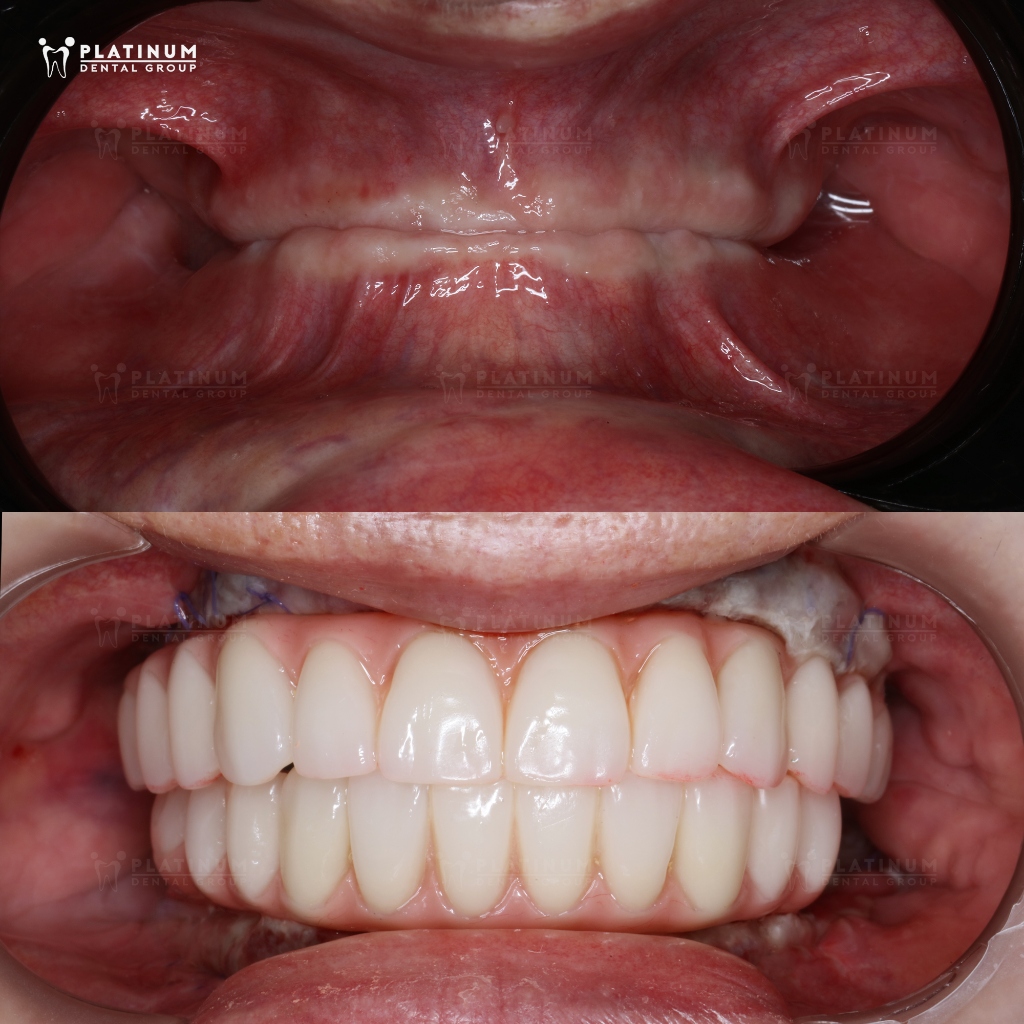
“After long-term tooth loss and struggling with removable appliances, I faced daily inconvenience. Following full-arch restoration at Platinum Dental, I can chew comfortably and feel confident in my appearance again.”
4.2. Step-by-step treatment process at Platinum Dental Group
The process of diagnosis and personalized treatment planning for dental implants with jawbone loss at Platinum Dental involves the following steps:
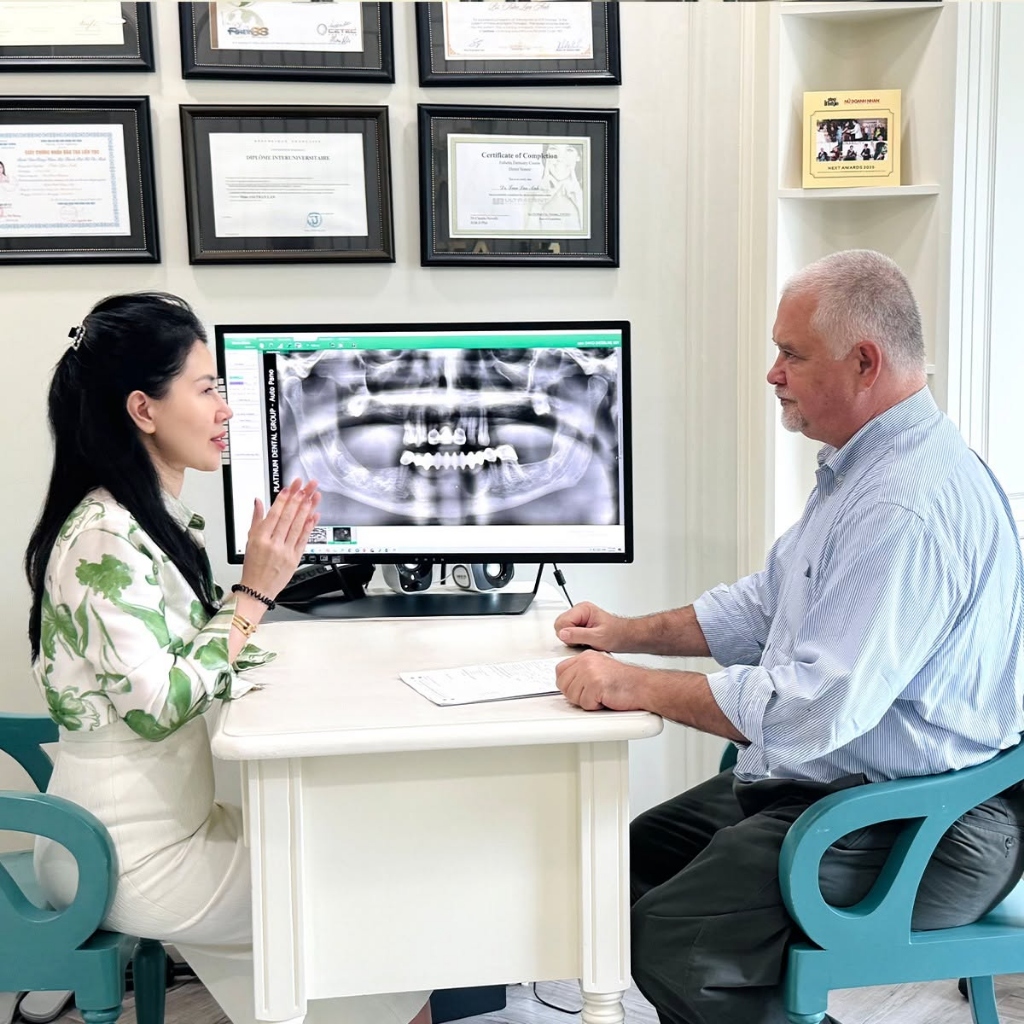
- Step 1. Comprehensive examination, 3D CBCT Scan & treatment planning: A 3D CBCT scan evaluates jawbone density and structure to build a personalized plan detailing implant selection, procedures, timeline, and exact costs.
- Step 2. Implant placement surgery: Titanium posts are placed into pre-planned jaw locations under anesthesia using Navident dynamic navigation for precision and rapid recovery.
- Step 3. Follow-up checkup, healing monitoring & abutment placement: Regular checkups monitor tissue healing and post stability, placing abutments and temporary teeth when indicated to maintain appearance and chewing function.
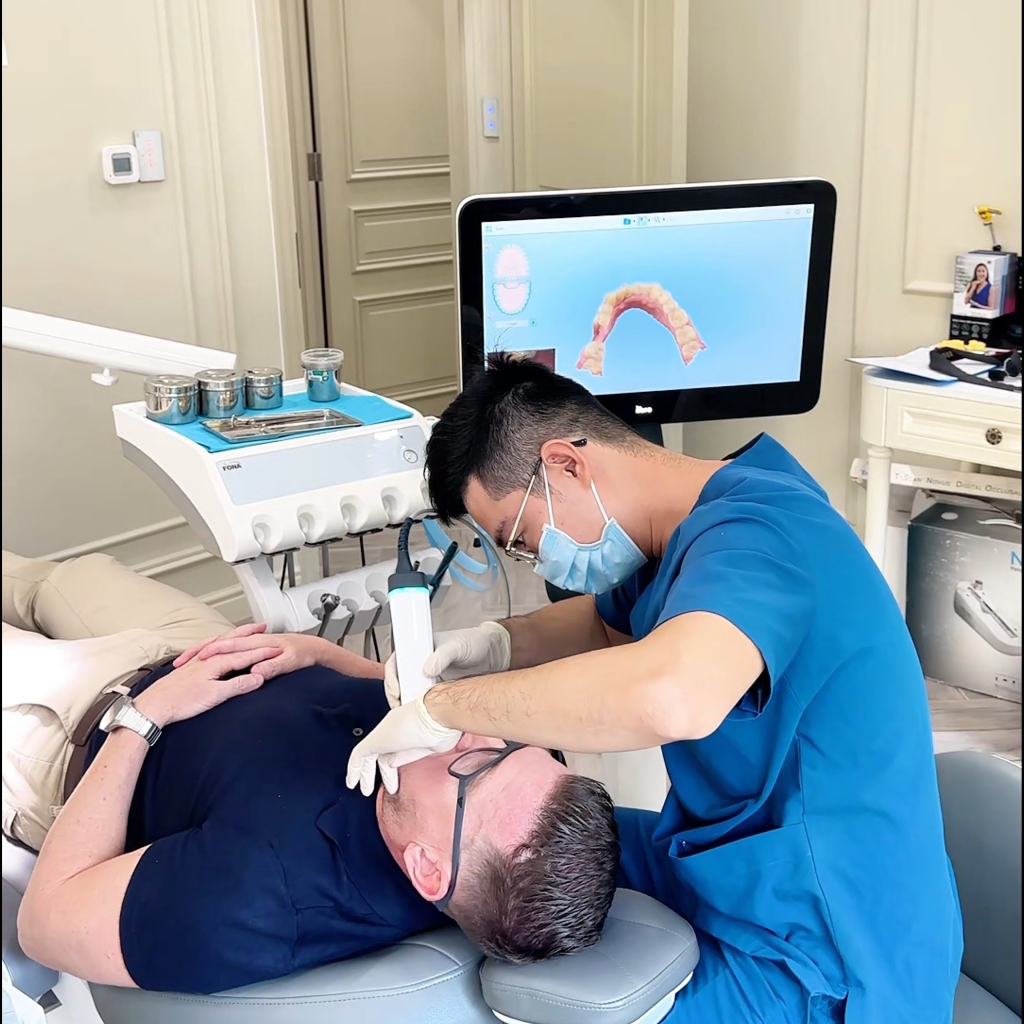
- Step 4. Implant osseointegration verification & digital impressions: After four to six months of bone fusion, high-precision digital impressions are captured using iTero 5D Plus or PIC technology to design the final restoration.
- Step 5. Final fixed restoration & bite occlusion adjustment: Custom crowns or full-arch bridges are secured onto abutments and meticulously adjusted for bite alignment and facial aesthetics.
- Step 6. Caring for dental implants and bone preservation: Routine checkups, professional cleanings, and dedicated oral hygiene protect supporting bone structures and ensure long-term restoration success.
Bone loss can make treatment more complex, but can you get dental implants with bone loss? Absolutely. Depending on your jawbone condition, modern options offer safe, effective paths to a functional smile. Schedule a consultation with Platinum Dental Group today to receive a personalized evaluation.
Frequently asked questions
Below are concise answers to common questions regarding bone loss and dental implants:
 Zalo
 WhatsApp
 Map
 Hotline
 Booking Now