1. Is Root Canal Treatment Painful?
Root canal treatment is generally painless because before the procedure, the dentist administers local anesthesia to ensure you are completely comfortable throughout the process. With modern technology and highly skilled dentists, pain is effectively controlled. After treatment, if you experience mild sensitivity or a dull ache, the dentist will prescribe appropriate pain relief medication, and this usually lasts only 1-2 days.
2. Can I Chew Normally After Root Canal Treatment?
Yes! After root canal treatment and restoration with a filling or porcelain crown, you can eat and chew normally. The treated tooth will be pain-free, and chewing function will be fully restored with proper care. However, during the first few days, you should avoid hard or overly chewy foods to allow the filling or crown to settle and ensure proper healing.
3. What Happens If I Do Not Get Root Canal Treatment?
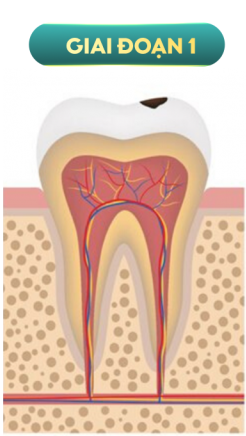
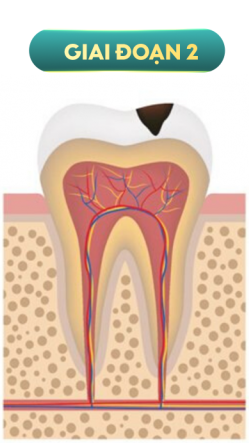
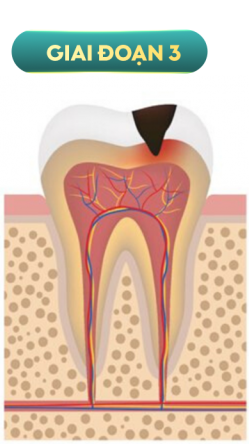
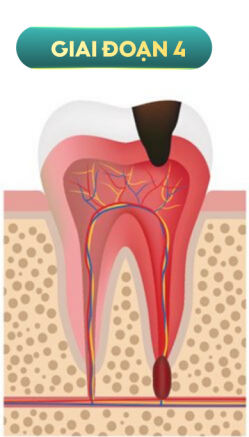
Infected pulp that is not treated in time not only causes prolonged pain and discomfort, but also risks leading to serious oral health complications (such as root inflammation, tooth abscess, etc.). Therefore, patients should see a dentist early for an examination and undergo root canal treatment, including cleaning combined with a filling or porcelain crown to protect the tooth.
4. Why choose root canal treatment instead of extracting the tooth?
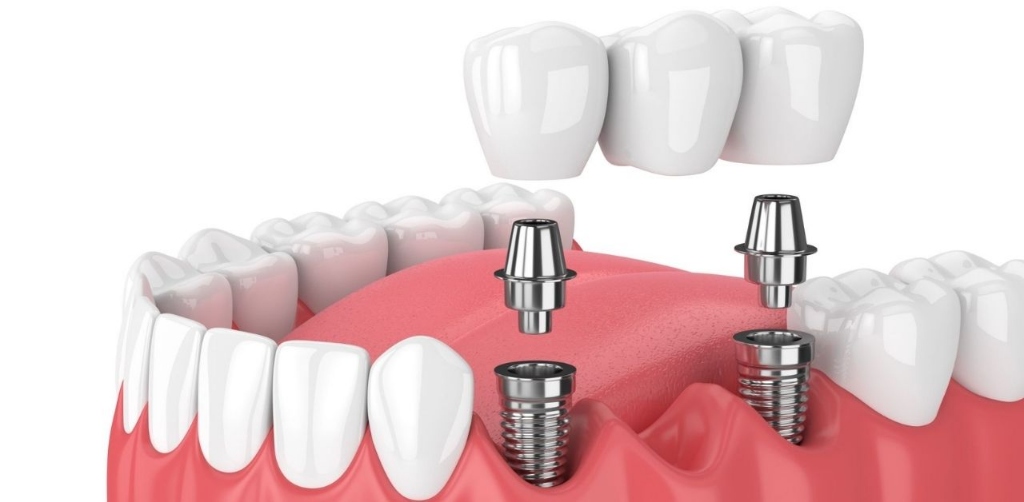
Root canal treatment helps save your natural tooth, something no alternative method can perfectly replace. Your natural tooth plays a crucial role in chewing, aesthetics, and maintaining your jaw structure. If extracted, you would need to replace it with a dental Implant or a porcelain bridge, which is more expensive and requires a longer treatment period. Therefore, whenever a tooth can still be saved through root canal treatment, dentists always prioritize preserving it over extraction.
5. Are There Any Foods I Should Avoid After Root Canal Treatment?
After a root canal treatment, you should avoid foods that are overly hard, sticky, or chewy for the first few days to prevent damaging the treated tooth. Limit extremely hot or cold food and drinks, as the tooth may still be slightly sensitive. Additionally, if the tooth has not yet been fitted with a porcelain crown, avoid chewing heavily on that side to prevent chipping or cracking.
6. How Long Can a Tooth Last After Root Canal Treatment?
A tooth after a root canal treatment can be preserved for about 15–25 years or even longer, depending on the tooth condition, treatment quality, and subsequent care. The dentist will recommend restoration with a filling or crown depending on the extent of damage, helping protect the structure and maintain chewing capacity. Proper oral hygiene, avoiding excessive force, and attending periodic check-ups also contribute to extending the lifespan of the tooth.
7. Is It Normal to Experience Pain After Root Canal Treatment? What Should I Do?
After a root canal treatment, the tooth may feel sore or mildly painful when chewing for the first few days because the tissues around the root tip react to the procedure. However, if the pain persists, worsens, becomes severe, or is accompanied by swelling, patients should contact their dentist for an examination. You should not self-medicate; the dentist will evaluate the cause and consider additional treatment or a retreatment if necessary.
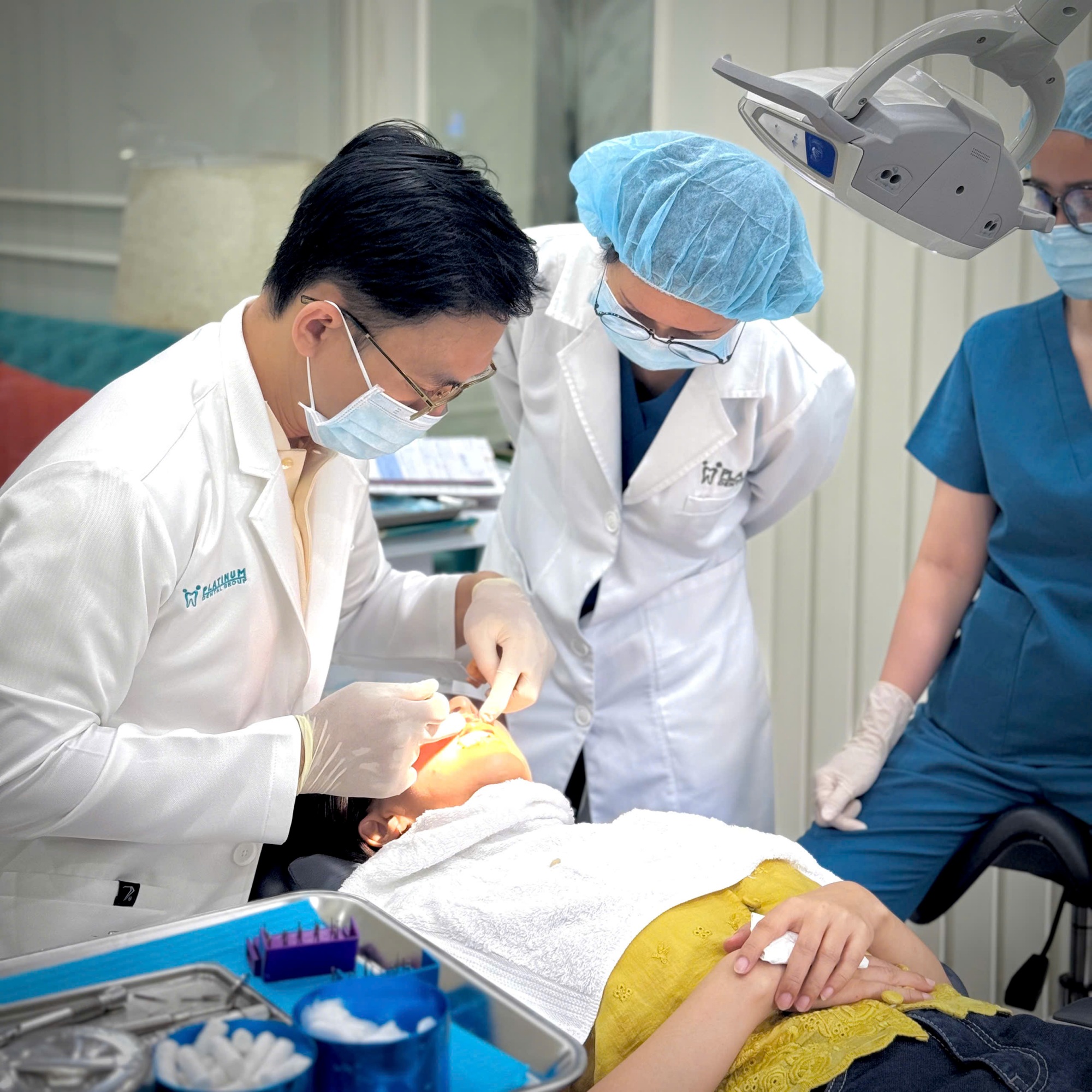
Root canal treatment is the optimal solution to thoroughly remove inflamed pulp, prevent further damage, and maximally preserve your natural tooth. To achieve sustainable treatment effectiveness, you should proactively seek early examination and strictly follow instructions from specialized dentists. At Platinum Dental, we are ready to accompany you with a medical-standard, gentle, and personalized treatment process for every dental condition. Contact us to schedule an appointment with a dentist quickly HERE!















 Zalo
 WhatsApp
 Map
 Hotline
 View Offers
 Booking Now

