


All general dentistry costs at Platinum Dental are clearly listed upfront, with a firm commitment to no hidden fees.

Platinum Dental Group provides specialized general dentistry services tailored for patients of all ages – ranging from routine check-ups and diagnostic evaluations to the treatment of common oral conditions and preventive care. To maintain natural teeth, healthy gums, and fresh breath while preventing long-term complications, we recommend undergoing a general examination at least once every 6 months.


With a strong commitment to protecting natural tooth structure and aesthetics, every patient at Platinum Dental Group receives an in-depth consultation based on personalized dentistry principles – never a one-size-fits-all plan.
Our dentists do more than treat oral conditions; they empower you with essential home oral care knowledge, ensuring a healthy, radiant smile so you can speak and smile with total confidence.”
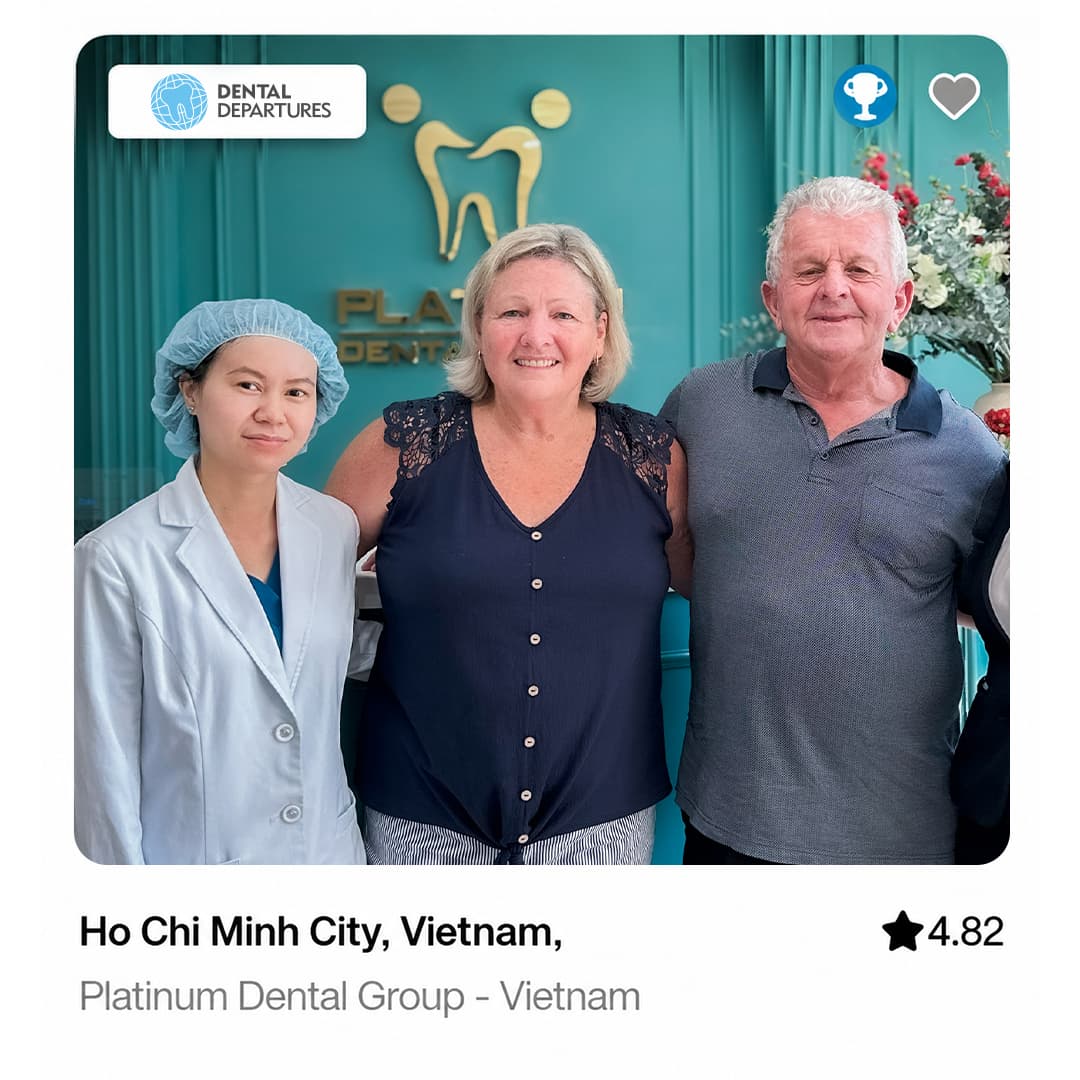

At Platinum Dental Group, general dentistry serves as the most essential foundation for long-term oral health. Adhering to strict international medical standards, we combine cutting-edge technology with premium materials to deliver safe, accurate, and comfortable treatment experiences for patients of all ages searching for top-quality general dentistry near me.
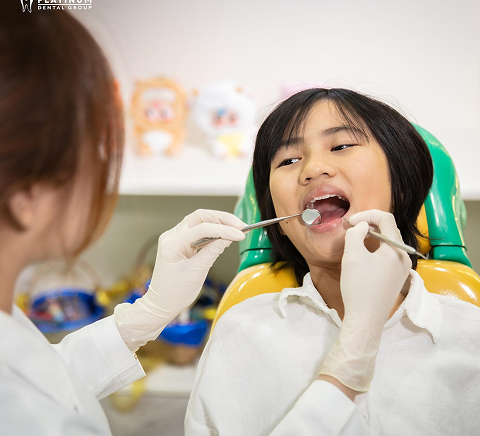
Gentle, painless pediatric dentistry services with experienced dentists.
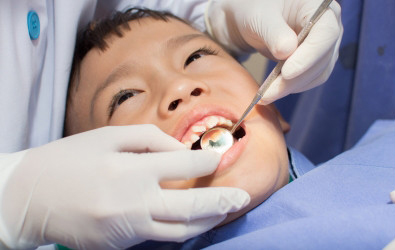
Protect your child’s teeth from caries early with dental sealant application.
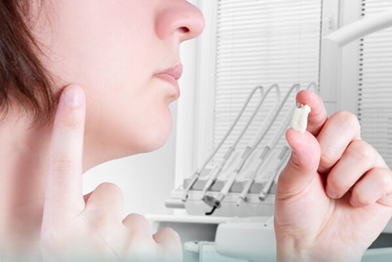
Advanced technology to support healing and reduce swelling and pain.
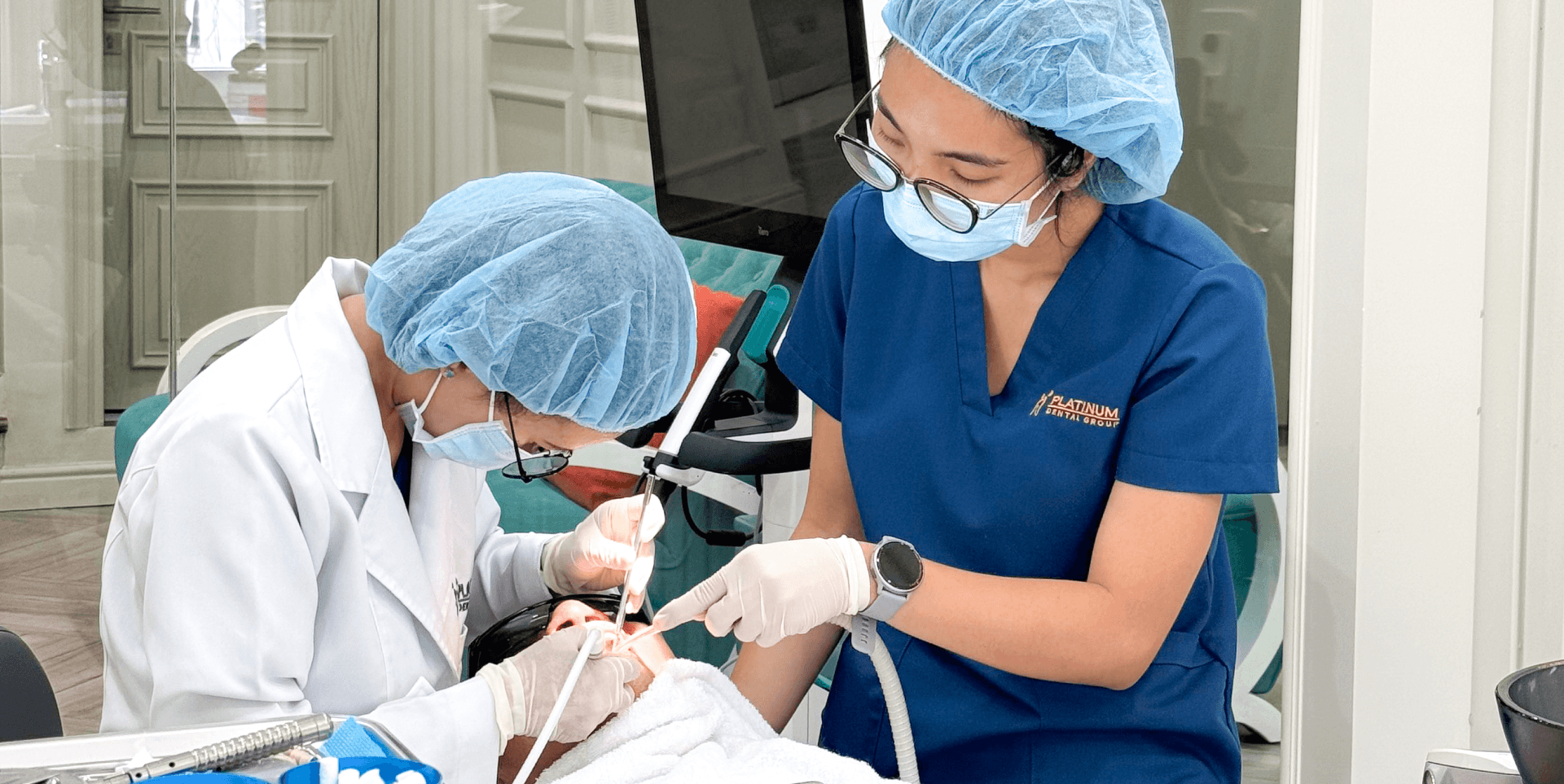
Safe, high-durability dental filling materials and minimal tooth reduction.
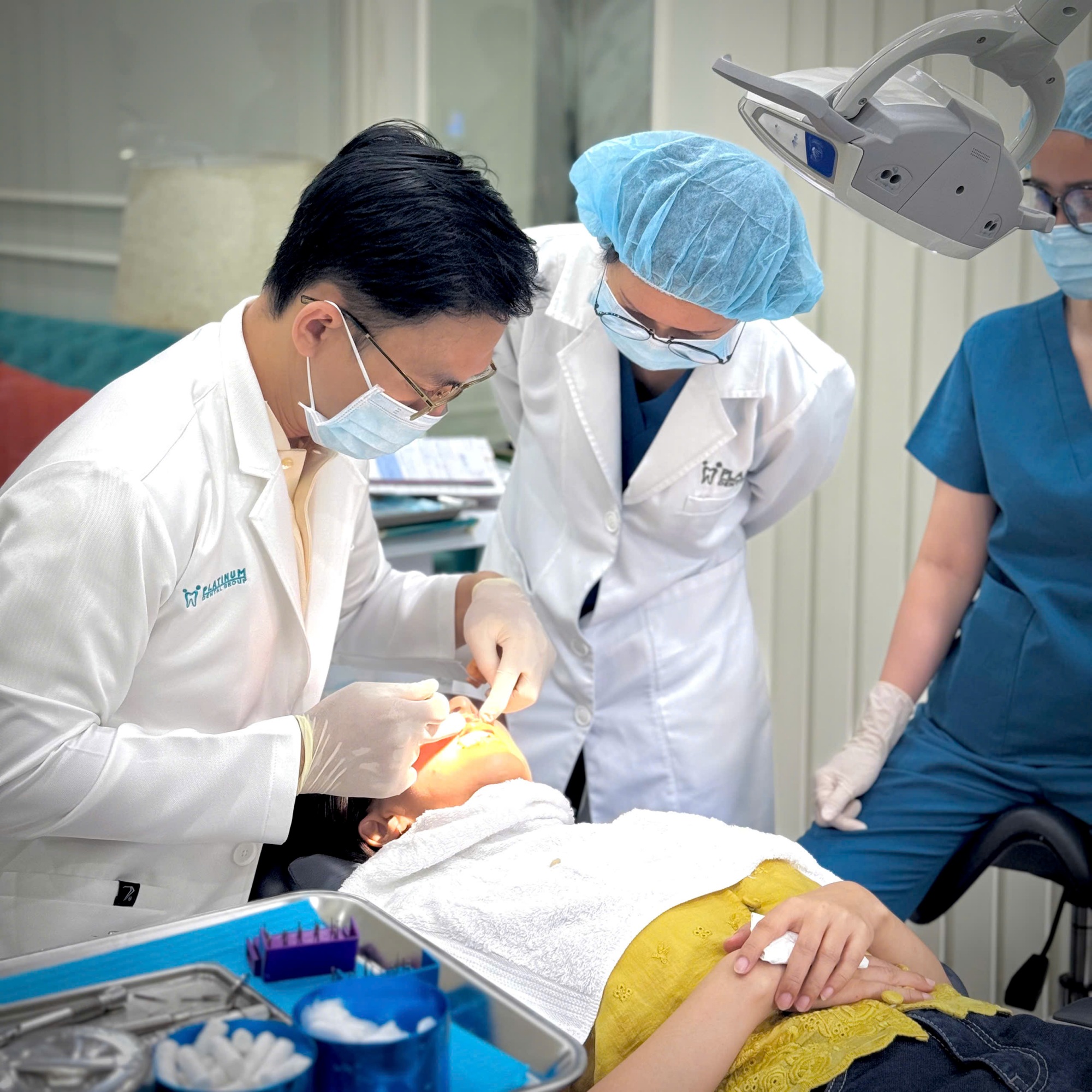
Gentle treatment solution to optimize natural tooth preservation.
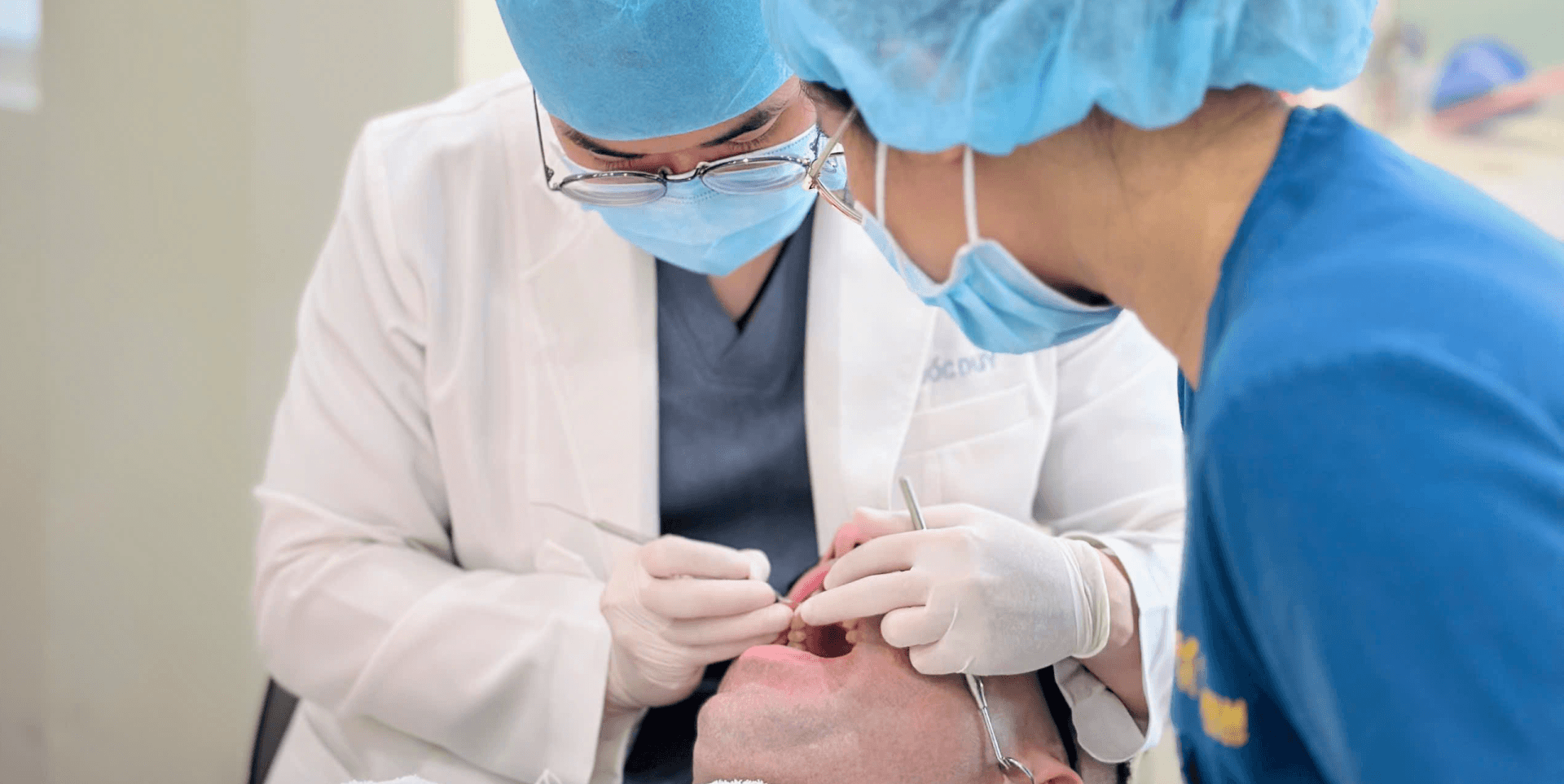
Professional treatment and comprehensive effectiveness, preventing complications.
Filled, root-canal treated, or restored teeth return to full chewing efficiency, eliminating pain and sensitivity during meals.
Clears decay, plaque, calculus, discolored spots, and minor chips, restoring a clean, even, and confident smile.
Effectively eliminates localized inflammation, tooth decay, and periodontal disease, blocking the spread of harmful bacteria to surrounding teeth.
Minimizes the risk of premature tooth loss and reduces severe complications that could impact your systemic health.
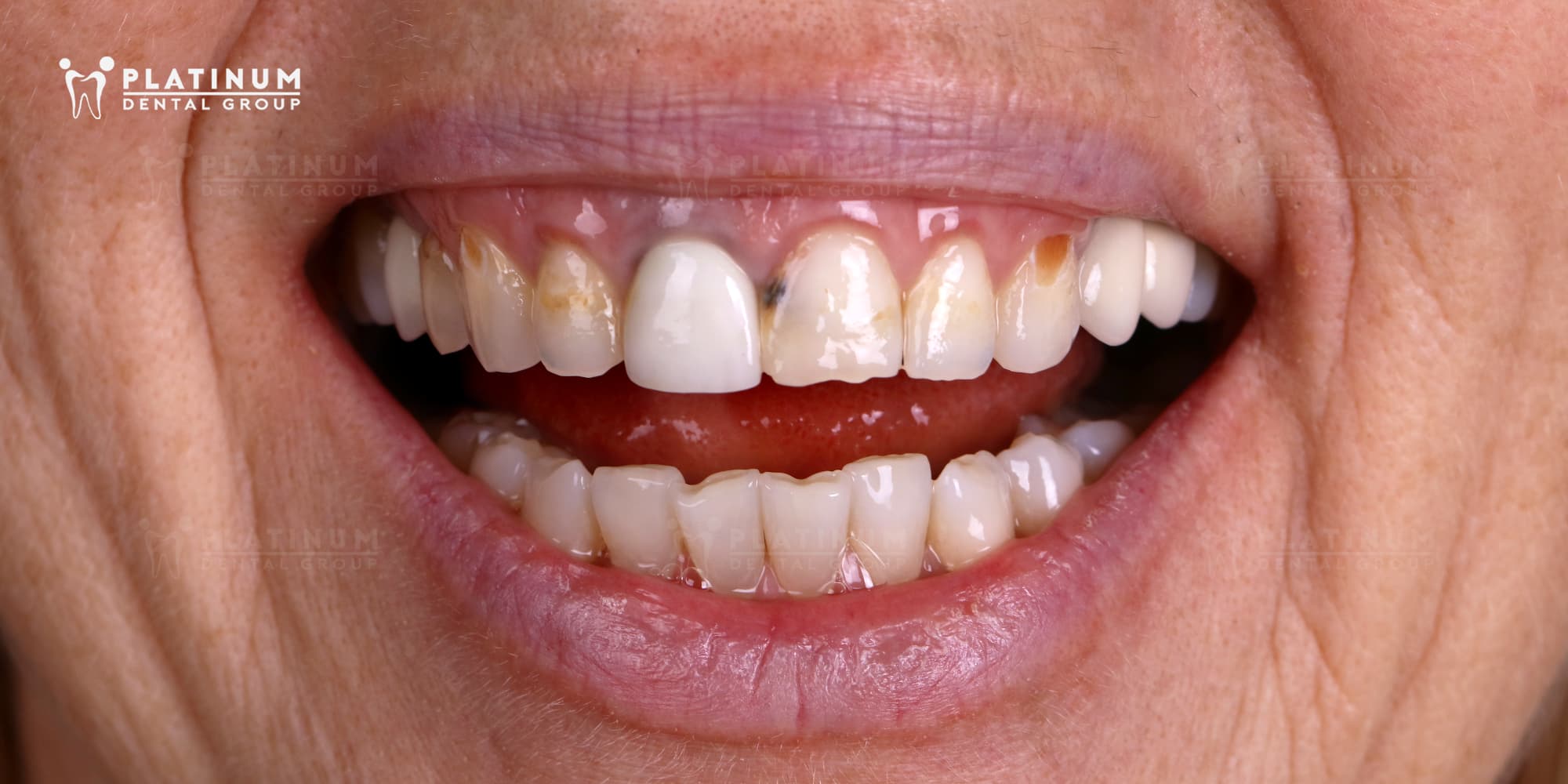
Enjoy Peace of Mind with Reasonable, Transparent Pricing
All general dentistry costs at Platinum Dental are clearly listed upfront, with a firm commitment to no hidden fees.

A diverse range of dental services designed to keep your smile healthy, beautiful, and fully protected.
Leave your Name & Phone Number, our dental consultant will call back to answer your questions completely free of charge
Note: The price list below is converted based on fixed exchange rates of 1 USD = 26.000 VND and 1 AUD = 18.000 VND for reference purposes.
*The pricing table is effective from November 2026.
| Service | Cost (VND) | Cost (USD) | Cost (AUD) |
|---|---|---|---|
| ServiceClinical Examination | Cost (VND) 500.000 | Cost (USD) 19 | Cost (AUD) 28 |
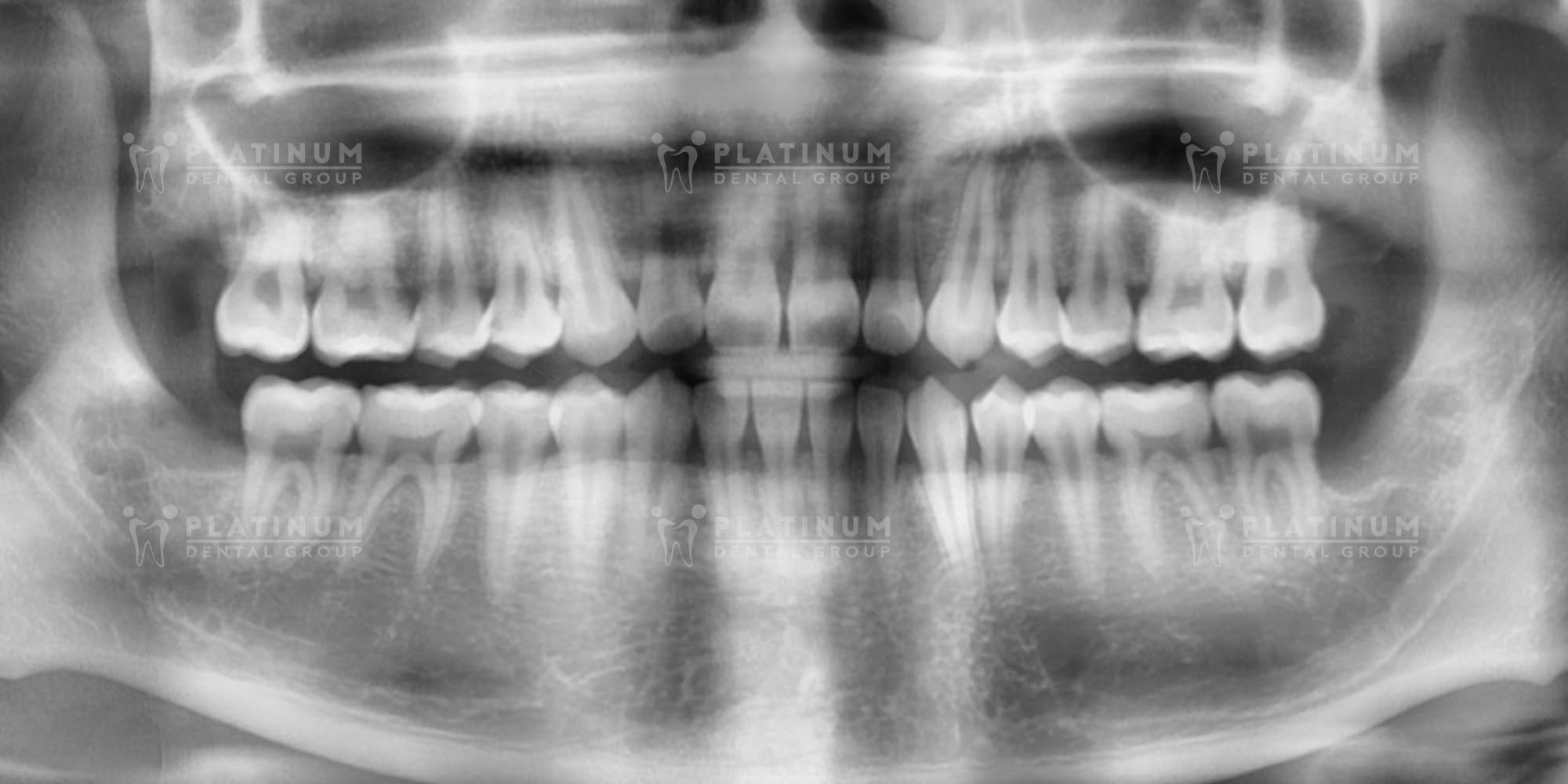
| ServicePanoramic / Cephalometric / Periapical Radiograph (PA) / 3D CBCT (2 Arches) | Cost (VND) 500.000 | Cost (USD) 19 | Cost (AUD) 28 |
*The pricing table is effective from November 2026.
| Service | Cost (VND) | Cost (USD) | Cost (AUD) |
|---|---|---|---|
| ServicePrimary Tooth Extraction with Topical Anesthesia | Cost (VND) 200.000 - 300.000 | Cost (USD) 8 - 12 | Cost (AUD) 11 - 17 |
| ServicePrimary Tooth Extraction with Local Anesthesia | Cost (VND) 500.000 - 600.000 | Cost (USD) 19 - 23 | Cost (AUD) 28 - 33 |
| ServiceExtraction of Incisor, Canine, or Premolar | Cost (VND) 1.000.000 | Cost (USD) 38 | Cost (AUD) 56 |
| ServiceComplex Tooth Extraction | Cost (VND) 2.000.000 | Cost (USD) 77 | Cost (AUD) 111 |
*The pricing table is effective from November 2026.
| Service | Cost (VND) | Cost (USD) | Cost (AUD) |
|---|---|---|---|
| ServiceMaxillofacial Cyst Enucleation | Cost (VND) 3.000.000 - 9.000.000 | Cost (USD) 115 - 346 | Cost (AUD) 167 - 500 |
| ServiceApicoectomy + Retrograde MTA Root-End Filling | Cost (VND) 3.000.000 - 5.000.000 | Cost (USD) 115 - 192 | Cost (AUD) 167 - 278 |
| ServiceGummy Smile Correction with Osseous Resection | Cost (VND) 3.000.000 | Cost (USD) 115 | Cost (AUD) 167 |
| ServiceGummy Smile Correction without Osseous Resection | Cost (VND) 1.000.000 | Cost (USD) 38 | Cost (AUD) 56 |
| ServiceFull-Arch Crown Lengthening Surgery with Osseous Reduction | Cost (VND) 15.000.000 - 20.000.000 | Cost (USD) 577 - 769 | Cost (AUD) 833 - 1.111 |
| ServiceAesthetic Gingival Grafting | Cost (VND) 6.000.000 | Cost (USD) 231 | Cost (AUD) 333 |
*The pricing table is effective from November 2026.
| Service | Cost (VND) | Cost (USD) | Cost (AUD) |
|---|---|---|---|
| ServiceRoot Canal Treatment - Incisor / Canine | Cost (VND) 3.000.000 | Cost (USD) 115 | Cost (AUD) 167 |
| ServiceRoot Canal Treatment - Premolar | Cost (VND) 4.000.000 | Cost (USD) 154 | Cost (AUD) 222 |
| ServiceRoot Canal Treatment - Molar | Cost (VND) 5.000.000 | Cost (USD) 192 | Cost (AUD) 278 |
| ServiceEndodontic Retreatment - Incisor / Canine | Cost (VND) 4.000.000 | Cost (USD) 154 | Cost (AUD) 222 |
| ServiceEndodontic Retreatment - Premolar | Cost (VND) 5.000.000 | Cost (USD) 192 | Cost (AUD) 278 |
| ServiceEndodontic Retreatment - Molar | Cost (VND) 6.000.000 | Cost (USD) 231 | Cost (AUD) 333 |
| ServicePediatric Root Canal Treatment (Anterior Tooth) + GIC Restoration | Cost (VND) 1.500.000 | Cost (USD) 58 | Cost (AUD) 83 |
| ServicePediatric Root Canal Treatment (Molar) + GIC Restoration | Cost (VND) 2.000.000 | Cost (USD) 77 | Cost (AUD) 111 |
| ServicePulpotomy + GIC Restoration | Cost (VND) 2.000.000 | Cost (USD) 77 | Cost (AUD) 111 |
| ServiceMTA Pulp Capping / Apical Plug - Incisor / Canine | Cost (VND) 1.000.000 | Cost (USD) 38 | Cost (AUD) 56 |
| ServiceMTA Pulp Capping / Apical Plug - Premolar | Cost (VND) 2.000.000 | Cost (USD) 77 | Cost (AUD) 111 |
| ServiceMTA Pulp Capping / Apical Plug - Molar | Cost (VND) 3.000.000 | Cost (USD) 115 | Cost (AUD) 167 |
| ServiceInternal Bleaching (Endodontic Whitening) | Cost (VND) 6.000.000 - 8.000.000 | Cost (USD) 231 - 308 | Cost (AUD) 333 - 444 |
*The pricing table is effective from November 2026.
| Service | Cost (VND) | Cost (USD) | Cost (AUD) |
|---|---|---|---|
| ServiceSubgingival Curettage / Periodontal Curettage | Cost (VND) 700.000 | Cost (USD) 27 | Cost (AUD) 39 |
| ServicePeriodontal Flap Surgery (per tooth) | Cost (VND) 2.000.000 | Cost (USD) 77 | Cost (AUD) 111 |
| ServicePeriodontal Flap Surgery (per quadrant - 1/3 arch) | Cost (VND) 5.000.000 | Cost (USD) 192 | Cost (AUD) 278 |
*The pricing table is effective from November 2026.
| Service | Cost (VND) | Cost (USD) | Cost (AUD) |
|---|---|---|---|
| ServiceGlass Ionomer Cement (GIC) Restoration - Class I Cavity | Cost (VND) 400.000 - 500.000 | Cost (USD) 28 | Cost (AUD) 22 |
| ServiceComposite Resin Restoration - Class I/II/III/IV/V Cavities | Cost (VND) 500.000 - 1.000.000 | Cost (USD) 19 - 38 | Cost (AUD) 28 - 56 |
| ServiceDirect Composite Resin Veneer | Cost (VND) 3.000.000 | Cost (USD) 115 | Cost (AUD) 167 |
| ServicePit and Fissure Sealant | Cost (VND) 500.000 | Cost (USD) 19 | Cost (AUD) 28 |
| ServiceDesensitizing Agent Application | Cost (VND) 200.000 - 250.000 | Cost (USD) 8 - 10 | Cost (AUD) 11 - 14 |
| ServiceWhite Spot Lesion Treatment - Grade 1 | Cost (VND) 2.000.000 - 5.000.000 | Cost (USD) 77 - 192 | Cost (AUD) 111 - 278 |
| ServiceWhite Spot Lesion Treatment - Grade 2 | Cost (VND) 2.000.000 - 5.000.000 | Cost (USD) 77 - 192 | Cost (AUD) 111 - 278 |
| ServiceWhite Spot Lesion Treatment - Grade 3 | Cost (VND) 2.000.000 - 5.000.000 | Cost (USD) 77 - 192 | Cost (AUD) 111 - 278 |
| ServiceWhite Spot Lesion Treatment - Grade 4 | Cost (VND) 2.000.000 - 5.000.000 | Cost (USD) 77 - 192 | Cost (AUD) 111 - 278 |
| ServiceTopical Fluoride Gel Application | Cost (VND) 500.000 | Cost (USD) 19 | Cost (AUD) 28 |
| ServiceStainless Steel Crown (SSC) for Posterior Primary Teeth | Cost (VND) 1.500.000 | Cost (USD) 58 | Cost (AUD) 83 |
*The pricing table is effective from November 2026.
| Service | Cost (VND) | Cost (USD) | Cost (AUD) |
|---|---|---|---|
| ServiceScaling and Polishing | Cost (VND) 400.000 - 1.000.000 | Cost (USD) 15 - 38 | Cost (AUD) 22 - 56 |
| ServicePost-Debond Scaling and Polishing | Cost (VND) 500.000 - 1.000.000 | Cost (USD) 19 - 38 | Cost (AUD) 28 - 56 |
| ServiceExtrinsic Stain Removal | Cost (VND) 500.000 - 1.000.000 | Cost (USD) 19 - 38 | Cost (AUD) 28 - 56 |
| ServiceAir Polishing | Cost (VND) 1.000.000 - 2.000.000 | Cost (USD) 38 - 77 | Cost (AUD) 56 - 111 |
| ServiceTooth Polishing for Plaque Removal | Cost (VND) 300.000 | Cost (USD) 12 | Cost (AUD) 17 |
| ServiceSupragingival & Subgingival Scaling + Tooth Polishing | Cost (VND) 1.000.000 - 2.000.000 | Cost (USD) 38 - 77 | Cost (AUD) 56 - 111 |
| ServiceDeep Cleaning Package: Supragingival & Subgingival Scaling + Air-Flow Polishing + Tooth Polishing | Cost (VND) 3.000.000 | Cost (USD) 115 | Cost (AUD) 167 |
(Excludes prophylaxis/dental cleaning)
*The pricing table is effective from November 2026.
| Service | Cost (VND) | Cost (USD) | Cost (AUD) |
|---|---|---|---|
| ServiceIn-Office LED Teeth Whitening | Cost (VND) 2.500.000 | Cost (USD) 96 | Cost (AUD) 139 |
| ServiceFlash In-Office Teeth Whitening | Cost (VND) 5.000.000 | Cost (USD) 192 | Cost (AUD) 278 |
| ServicePremium Whitening & Deep Cleaning Package: Supragingival + Subgingival Scaling, Air-Flow Polishing, Tooth Polishing, Flash In-Office Whitening | Cost (VND) 7.000.000 | Cost (USD) 269 | Cost (AUD) 389 |
| ServiceWhitening & Deep Cleaning Package: Supragingival + Subgingival Scaling, LED In-Office Whitening | Cost (VND) 4.000.000 | Cost (USD) 154 | Cost (AUD) 222 |
Expert Specialists, Honest Consultation, Accurate Indications – For Healthy and Beautiful Teeth
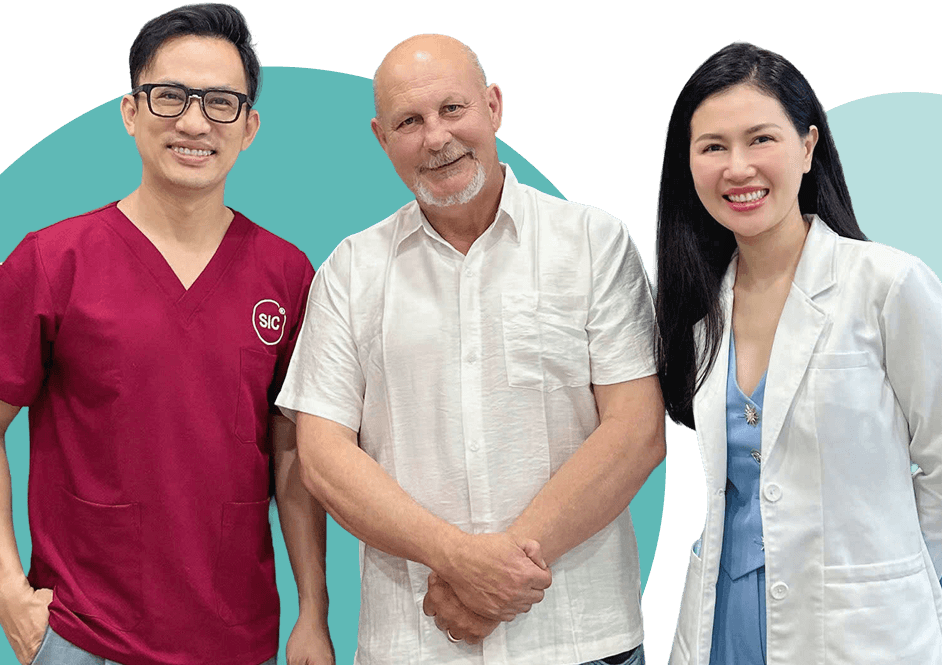
Our clinical team consists of experienced specialists with deep expertise in general dentistry and endodontics. Every patient receives a comprehensive examination and a tailored treatment plan aligned with their oral health, budget, and schedule.
Leveraging precise clinical skill, a commitment to minimal invasiveness, and standardized techniques, Platinum’s dentists deliver swift, comfortable, and virtually painless treatment experiences. This is particularly crucial during procedures such as tooth extractions, cavity fillings, and periodontal therapy.
Platinum Dental is fully equipped with cutting-edge technology – including 3D Cone Beam CT scanners, Piezotome ultrasonic surgical units, and AIRFLOW Prophylaxis Master scaling systems – to ensure precise, gentle treatment, shorten clinic time, and enhance recovery efficiency.
Our clinic features private, quiet treatment spaces designed to guarantee individual patient privacy. Paired with a comfortable waiting area and strict closed-loop sterilization protocols, patients can feel completely secure throughout their visit.
Following each appointment, patients receive clear, step-by-step instructions on proper home oral care, alongside personalized follow-up scheduling. Our clinical support team remains readily available to answer any questions, ensuring a seamless and professional healthcare experience.
The general dentistry specialists at Platinum Dental possess a solid foundation in endodontics, periodontics, and oral rehabilitation. Beyond delivering effective treatment plans focused on minimal invasiveness and natural tooth preservation, our dentists emphasize personalized home care guidance to help patients maintain treatment results, prevent complications, and establish proper oral hygiene habits.

Orthodontics, General dentistry, Pediatric dentistry
Medical Practice Certificate: 005764/KH-CCHN

Dental Implants, Cosmetic Dentistry, General Dentistry, Pediatric Dentistry
Medical Practice Certificate: 001749/HCM-GPHN
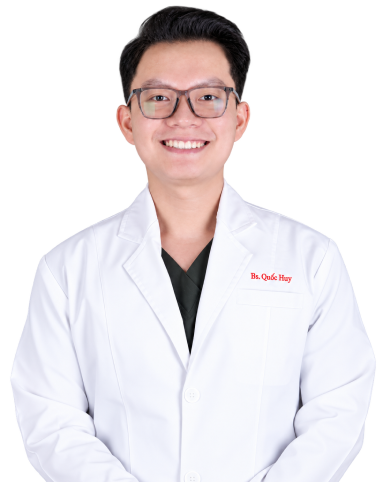
Dental Implants, General Dentistry and Oral & Maxillofacial Surgery
Medical Practice Certificate: 000518/BL-GPHN
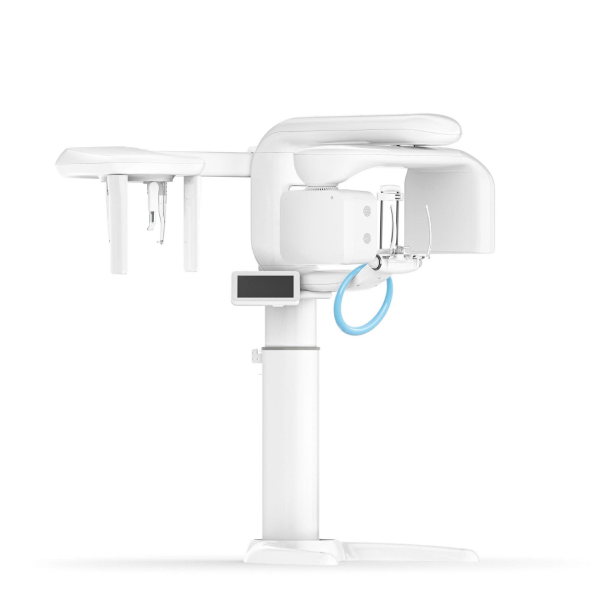
Captures the entire craniofacial area, dual jaws, airway, and TMJ in one quick scan. Saves time while ensuring maximum patient health and safety. High-definition imagery and full-angle views support precise clinical treatment.
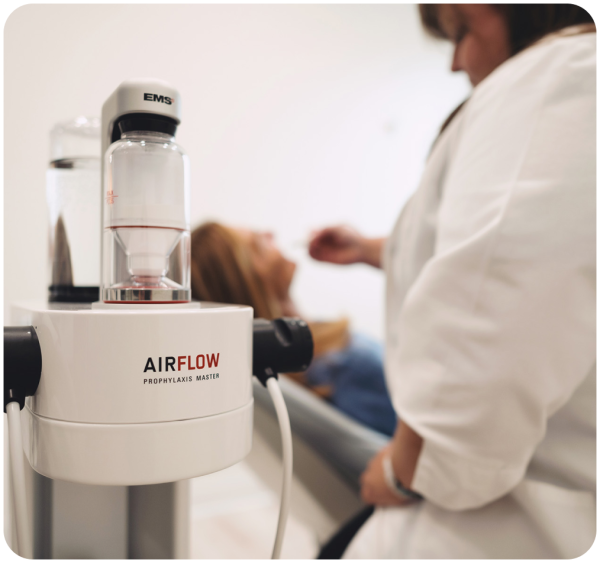
Gently removes plaque, safe even for sensitive teeth
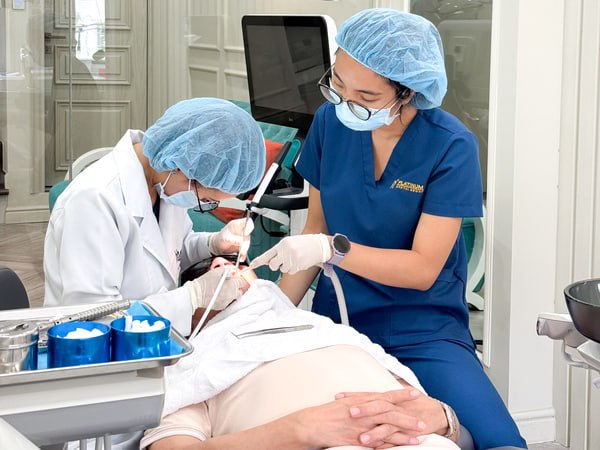
Reduces trauma during bone surgery and protects soft tissues
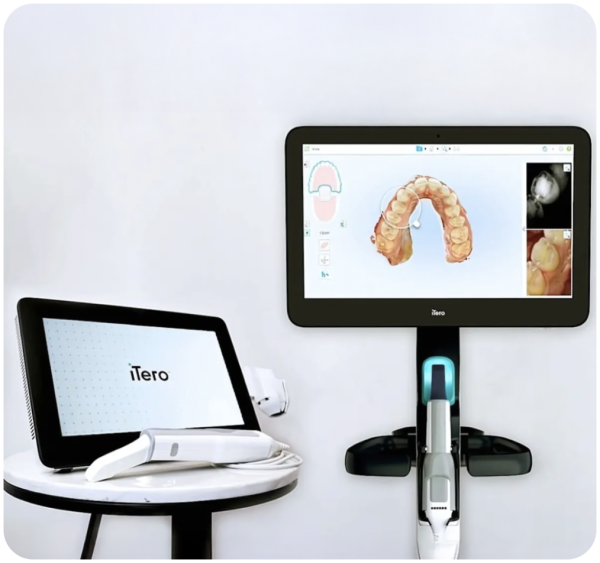
Captures tooth impressions and bite alignment, generates 3D jaw models, and supports orthodontic and restorative treatments
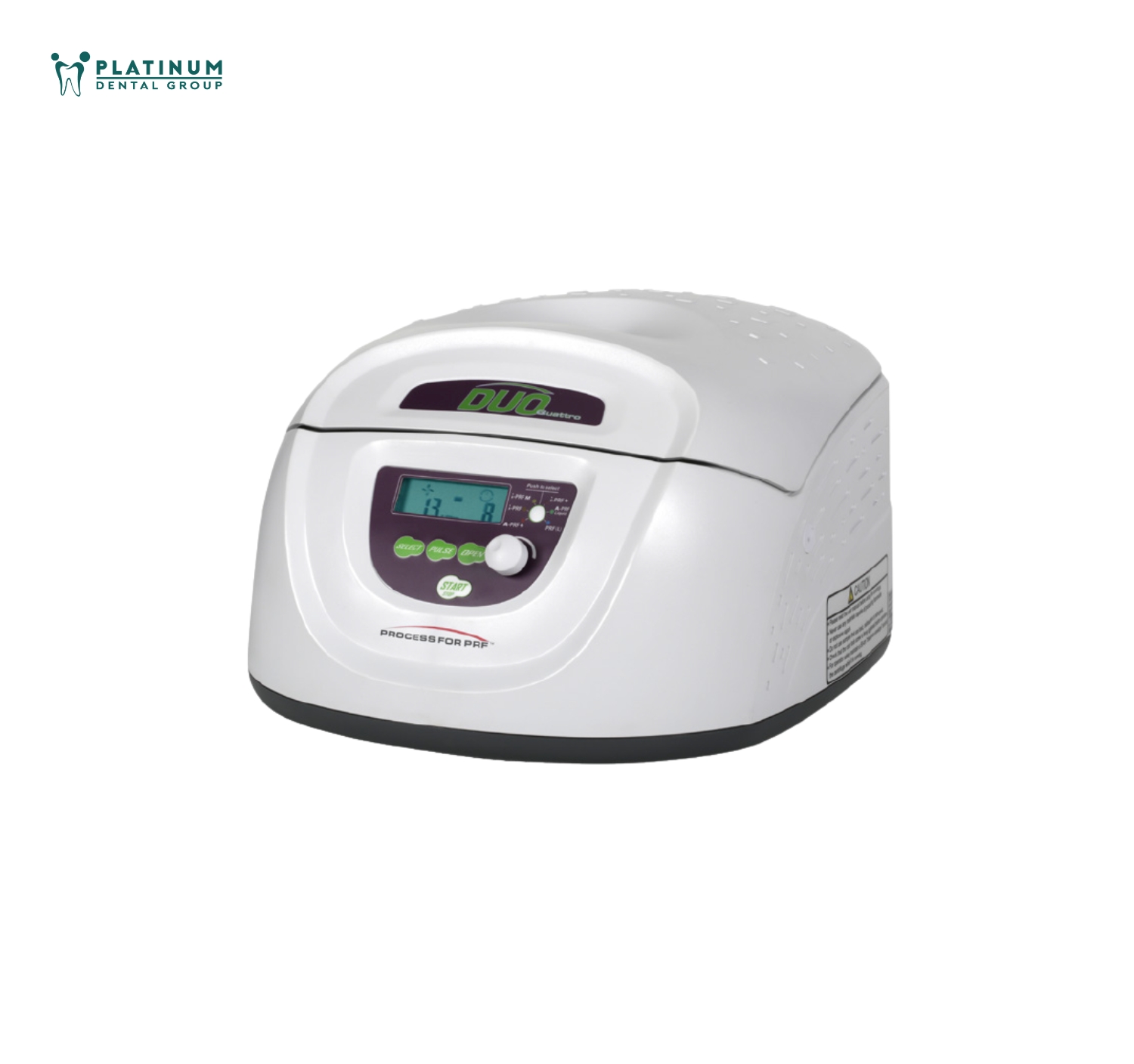
Supports tissue regeneration and healing and may be used as part of treatment protocols for minor oral surgery, wisdom tooth extraction, and dental implant procedures
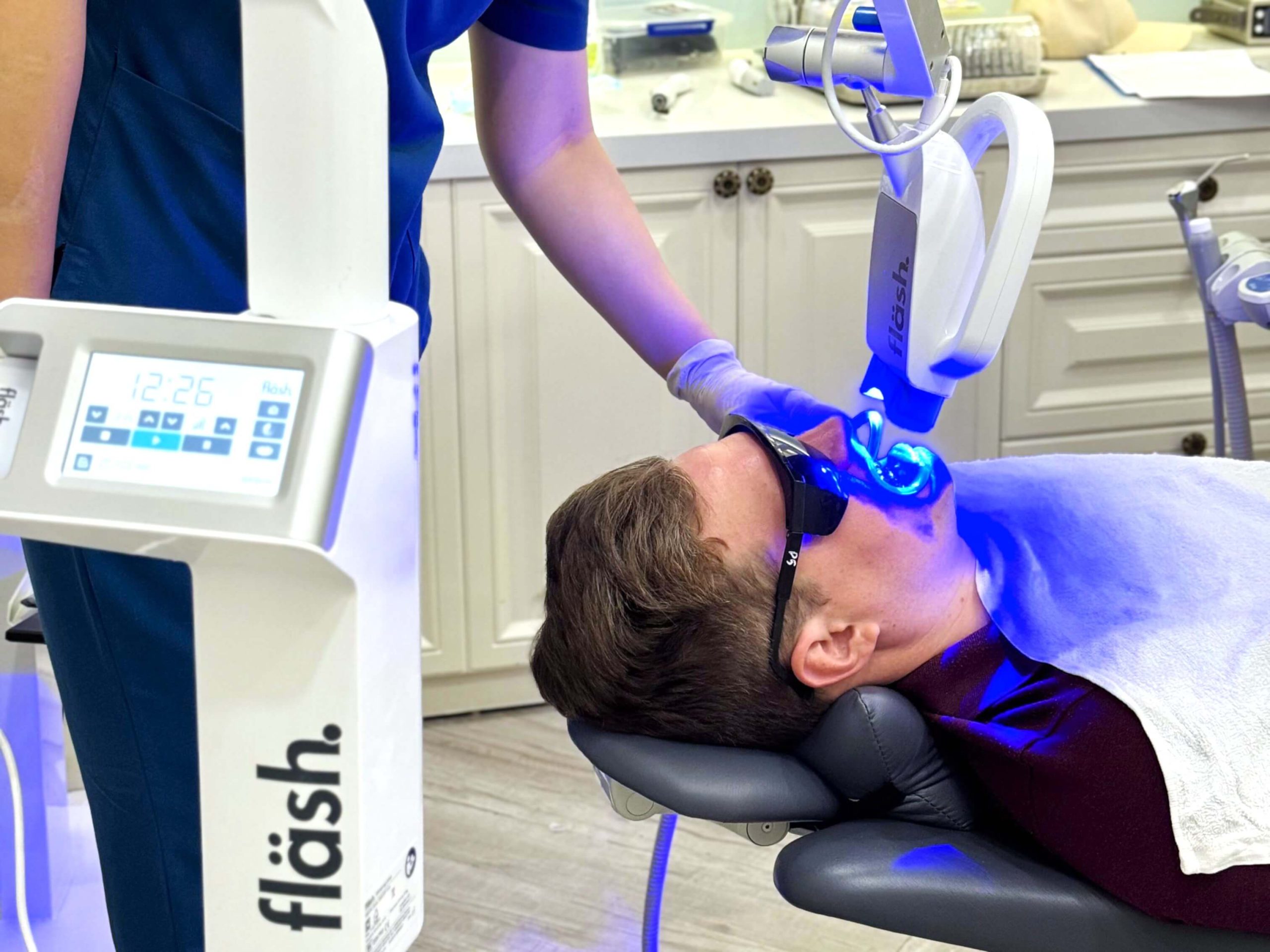
Combining state-of-the-art equipment with the deep clinical expertise of our specialist team, every general dentistry treatment plan aims to maximize natural tooth preservation, thoroughly manage oral health issues, and deliver a gentle, absolutely safe treatment experience for every patient.
The dentist personally conducts a thorough evaluation of your overall oral health, assessing the extent of damage or existing conditions.
Advanced equipment is utilized to capture complete oral image data – including 3D Cone Beam CT scans and iTero 5D Plus intraoral scanning – combined with intraoral and facial photography to establish a baseline for evaluating before-and-after treatment outcomes.
Based on the examination results, the dentist provides detailed solution recommendations, transparent pricing, and a tailored treatment protocol designed specifically for your condition.
General dental services (such as scaling and polishing, cavity fillings, wisdom tooth extractions, or root canal therapy) are performed under strictly sterile clinical conditions.
The dentist provides personalized home care guidance and schedules routine follow-up appointments tailored to your specific oral health needs.
Note: The exact treatment duration will be advised in detail by our dentist following a direct examination. Platinum Dental strictly adheres to medical protocols, ensuring a safe, painless experience with no hidden costs.
Here are authentic stories and feedback from patients who trusted Platinum Dental’s general dentistry services to care for and elevate their smiles.
Laser Gum Depigmentation Treatment
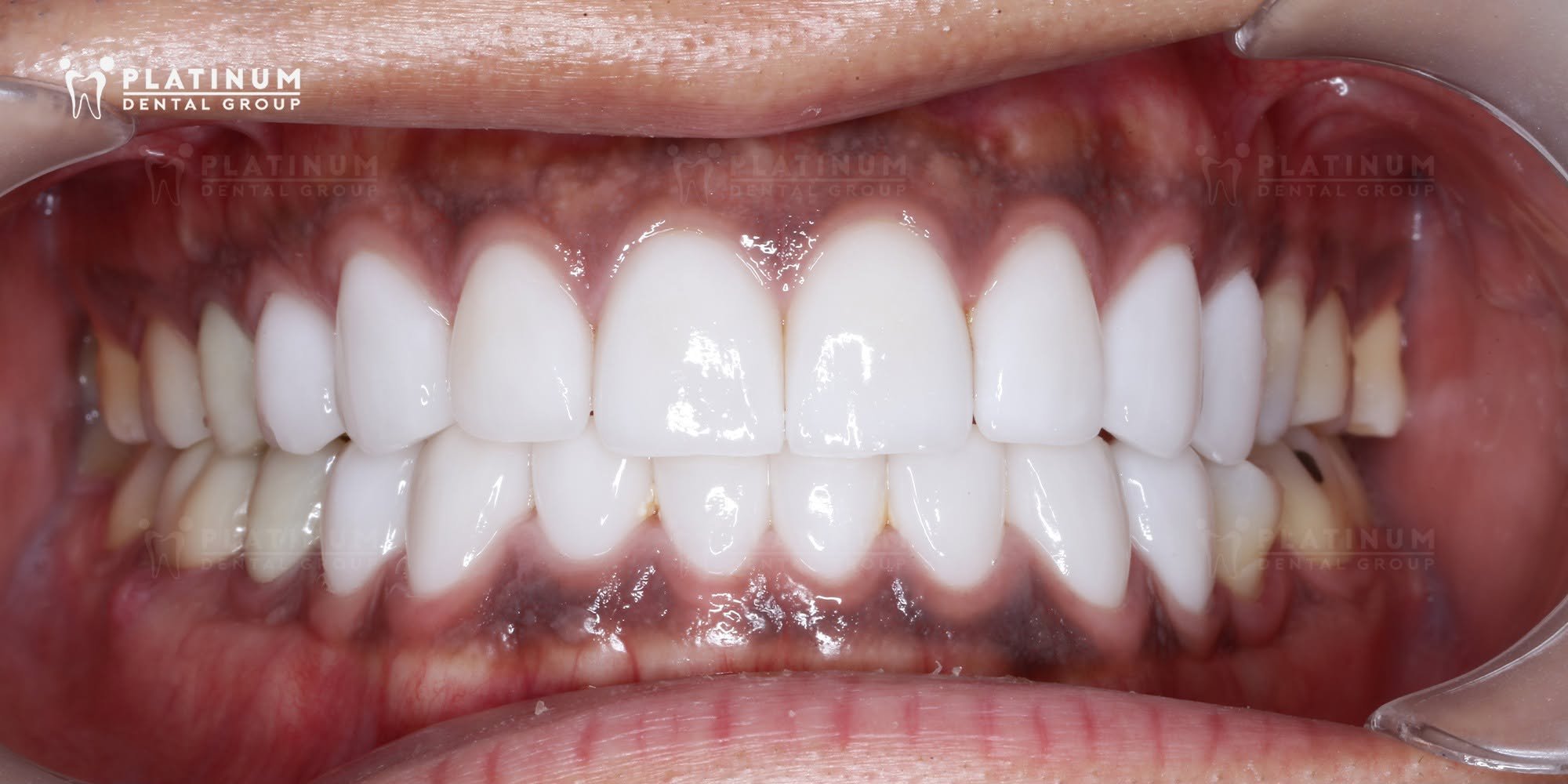
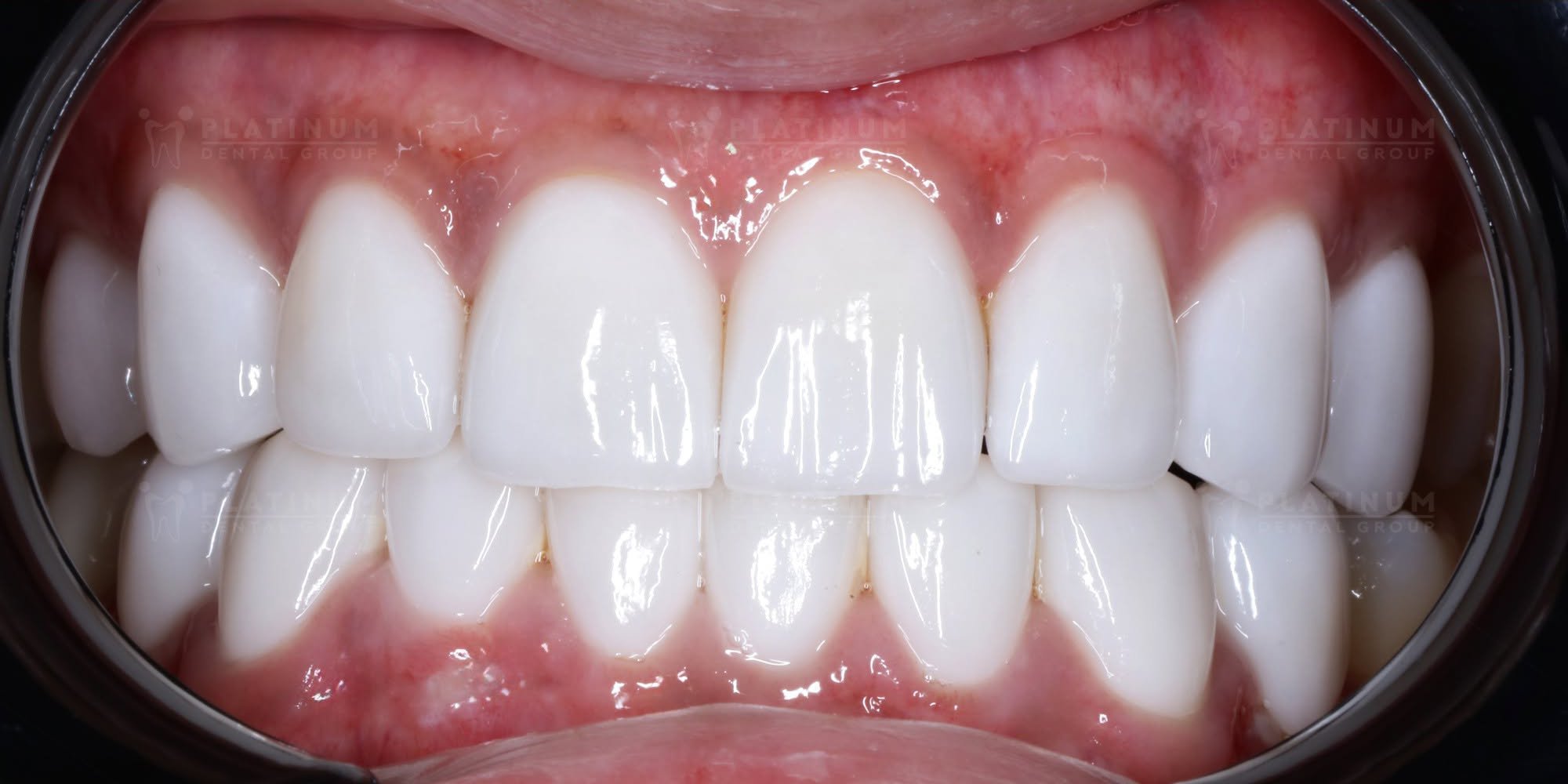
I used to feel very self-conscious because my dark, discolored gums made my smile look dull. After the dentist recommended laser gum depigmentation, I was amazed that the entire procedure took less than 60 minutes with zero pain or discomfort, allowing me to resume my normal routine immediately. I am extremely satisfied with the natural pink color of my gums—I can now smile freely and feel so much more confident in my daily interactions!
View detailsFläsh Whitening Teeth Whitening
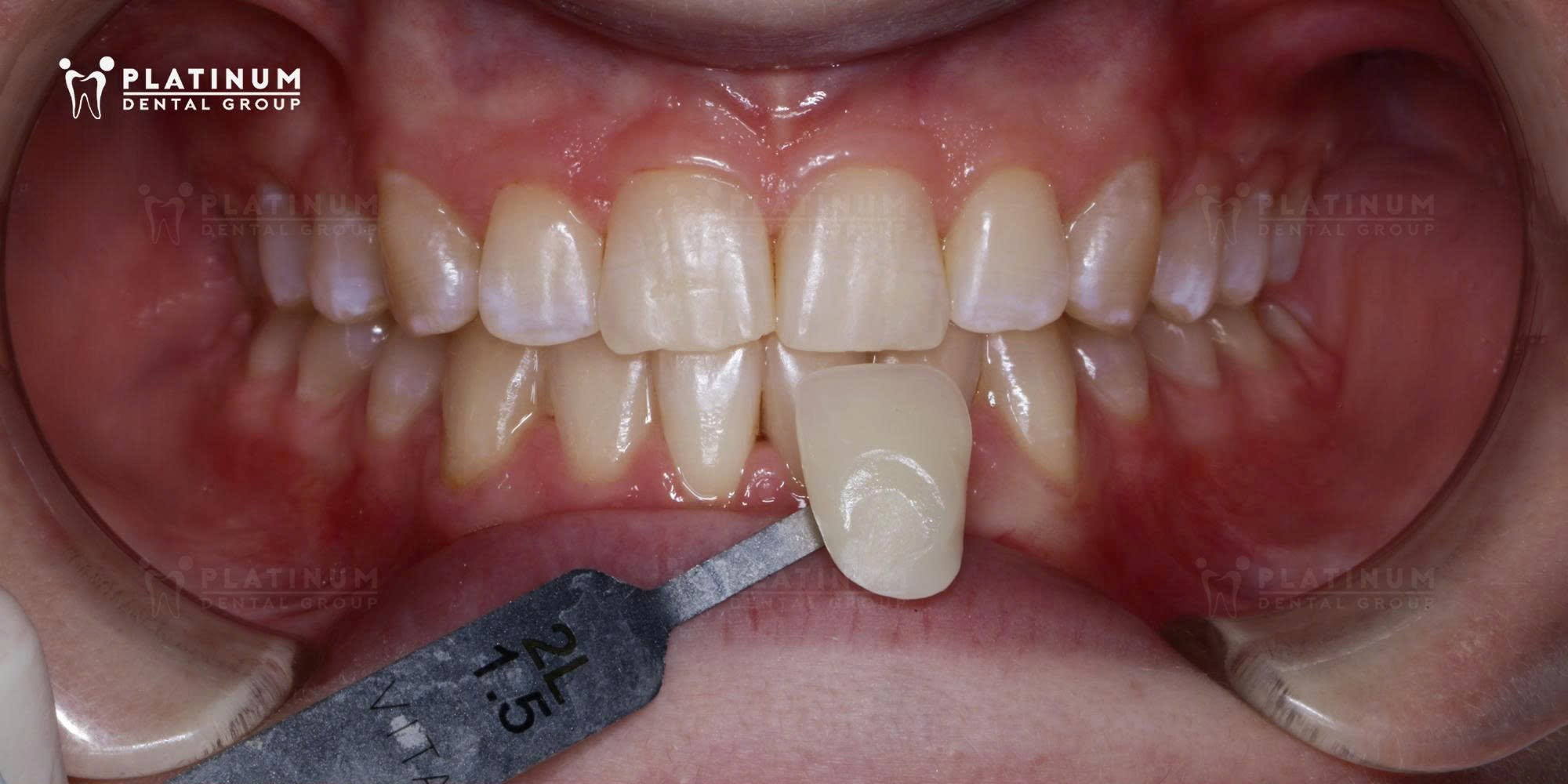
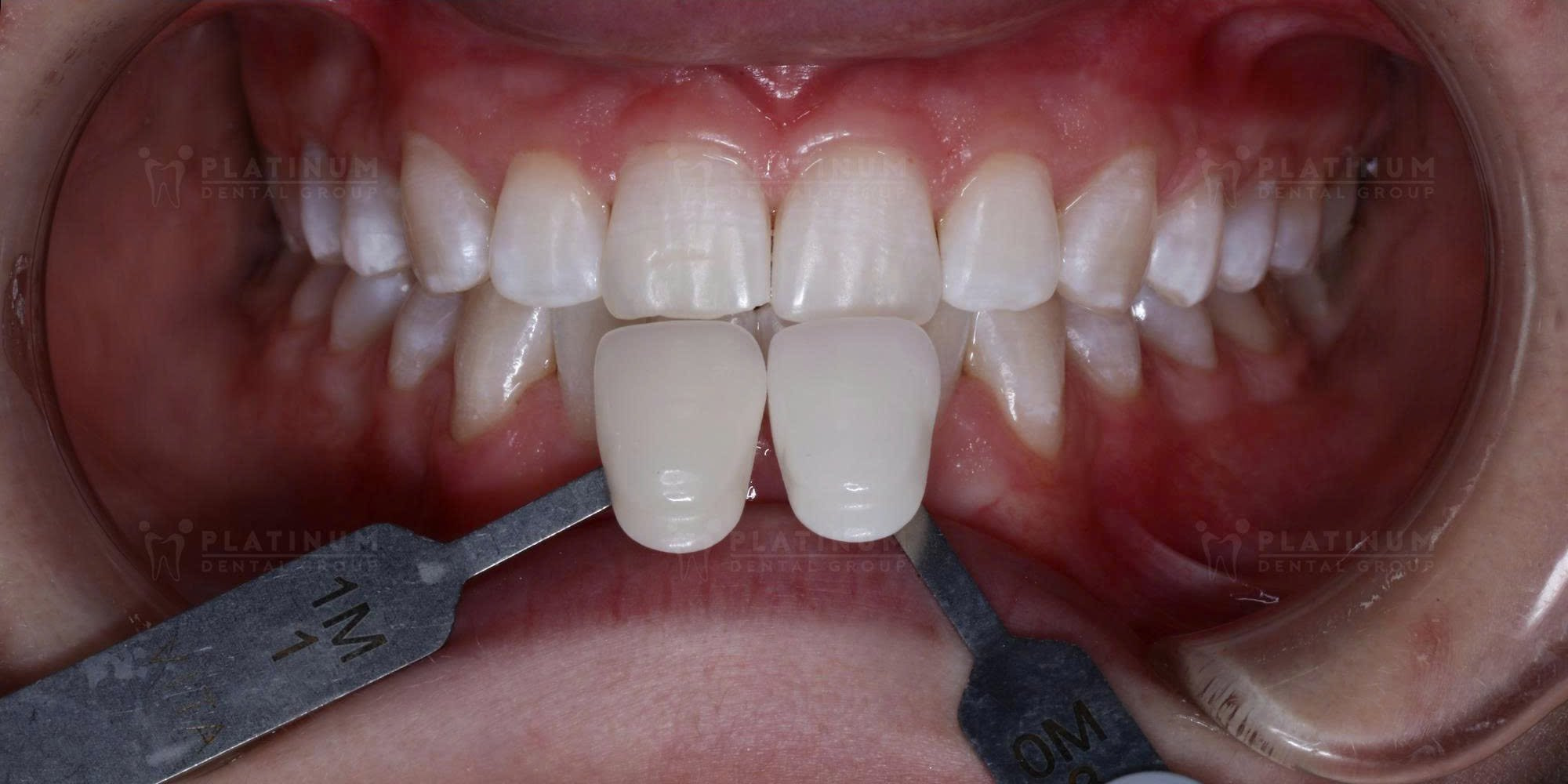
It took only a short time for the Fläsh Whitening treatment to noticeably brighten my teeth by several shades. The biggest surprise was experiencing absolutely no sensitivity or discomfort during or after the procedure. The color turned out naturally bright, making my smile look radiant and giving me a huge confidence boost at work. I am thrilled with the advanced technology and the dedicated care from the Platinum Dental team
View details
Onlay Restoration for Tooth Decay
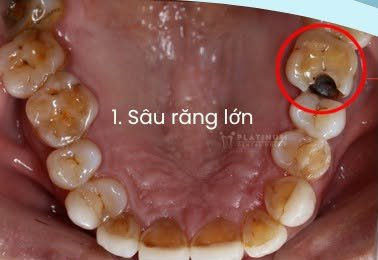
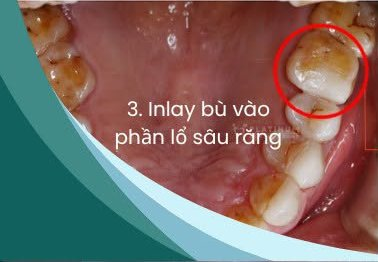
I am beyond satisfied after getting a dental Onlay to restore my decayed tooth at Platinum Dental. The finished restoration fits seamlessly with exact precision – my bite feels completely natural with no awkward tightness or high spots. The entire process was smooth, gentle, and free of any tooth sensitivity. This is truly the perfect solution for anyone looking to repair cavity damage while preserving as much of their natural tooth as possible.
View detailsGummy Smile Correction (Gingivectomy)
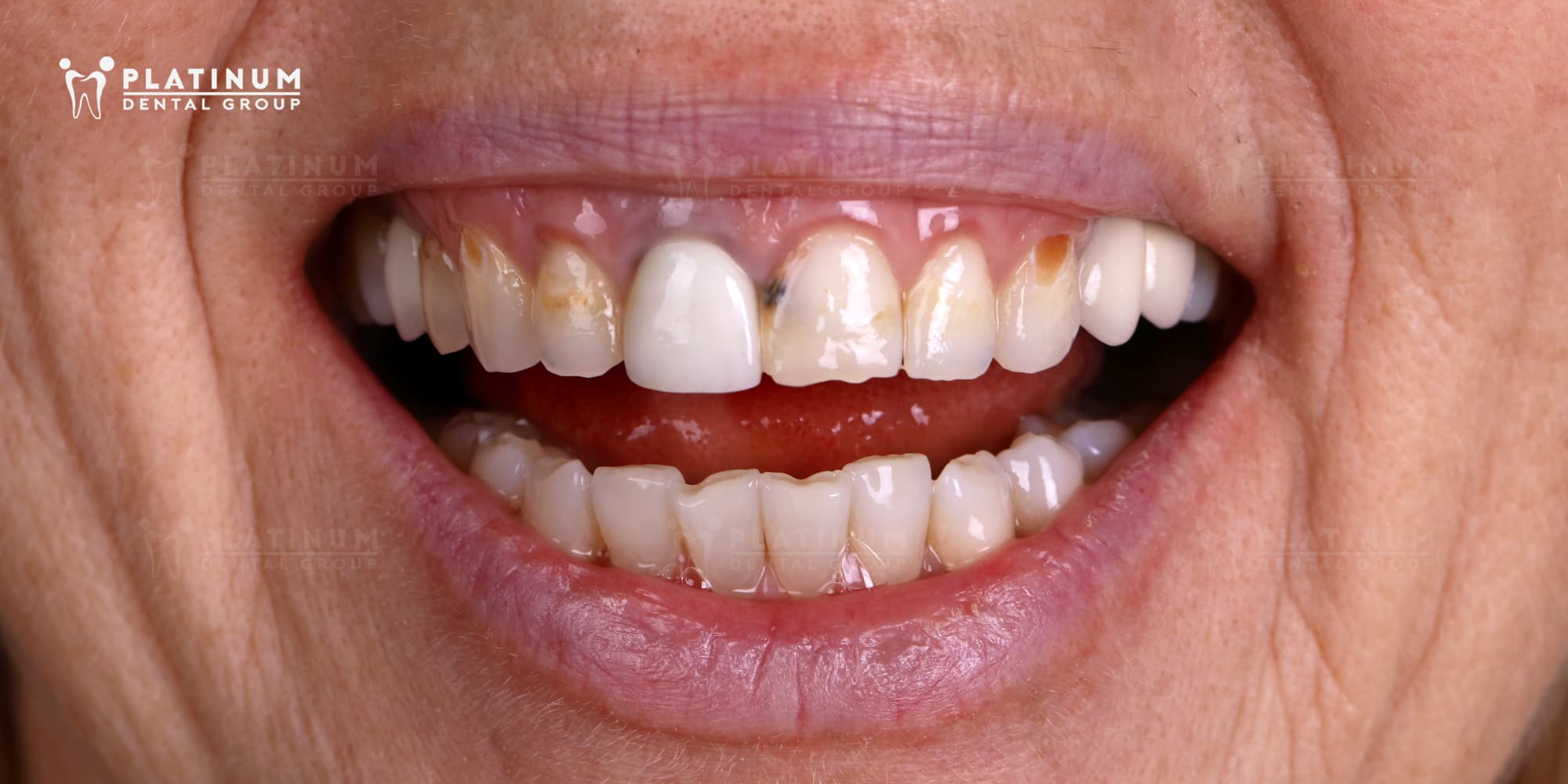
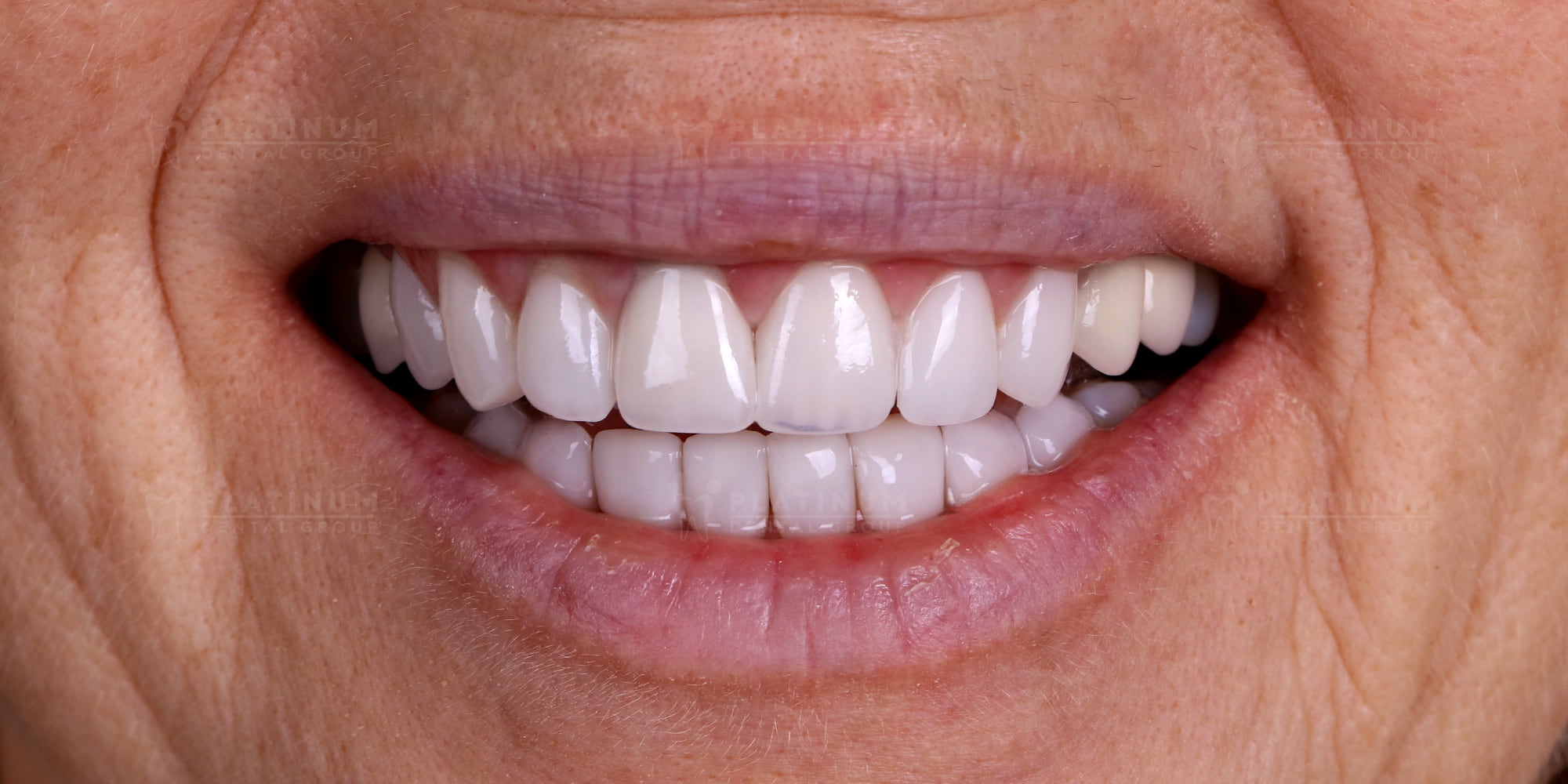
Choosing gummy smile treatment at Platinum Dental was the best decision I’ve made. Thanks to the dedicated specialists and advanced technology, the recovery was remarkably fast, with zero disruption to my daily routine or eating. The new ratio between my teeth and gums is perfectly proportioned, making my smile so much more graceful. I am genuinely thrilled and confident with my new look!
View detailsFour wisdom teeth removed in one visit
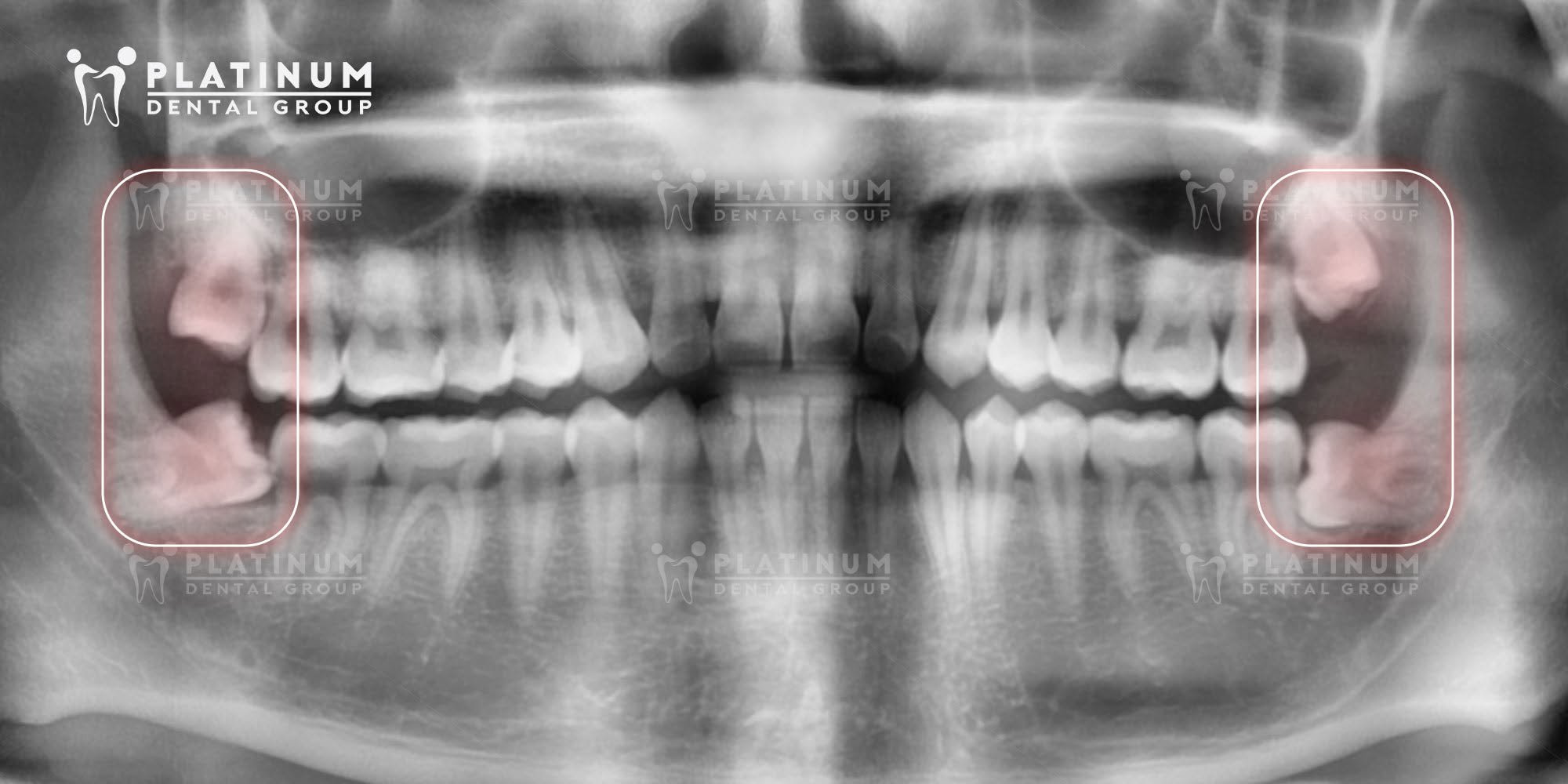
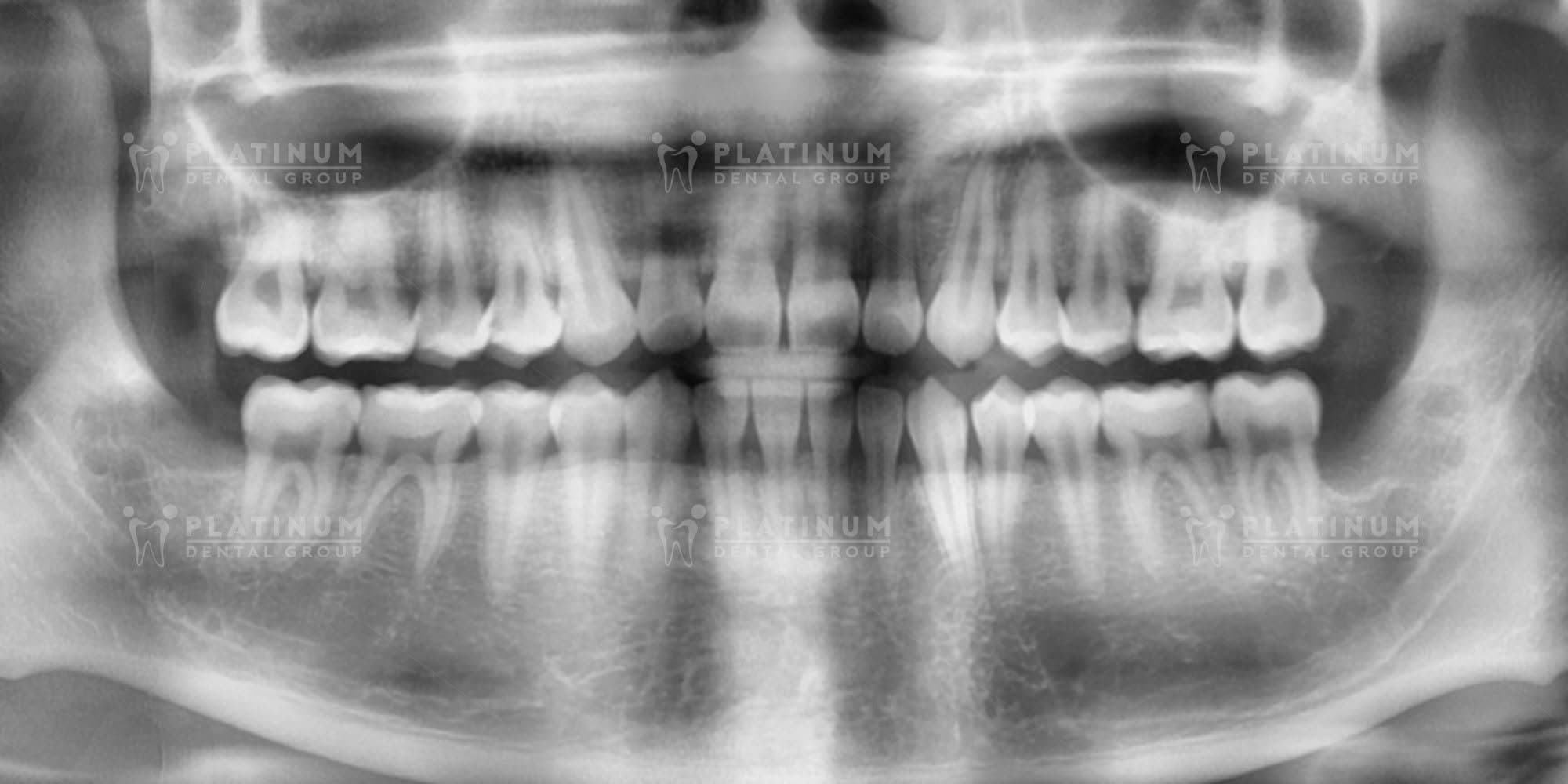
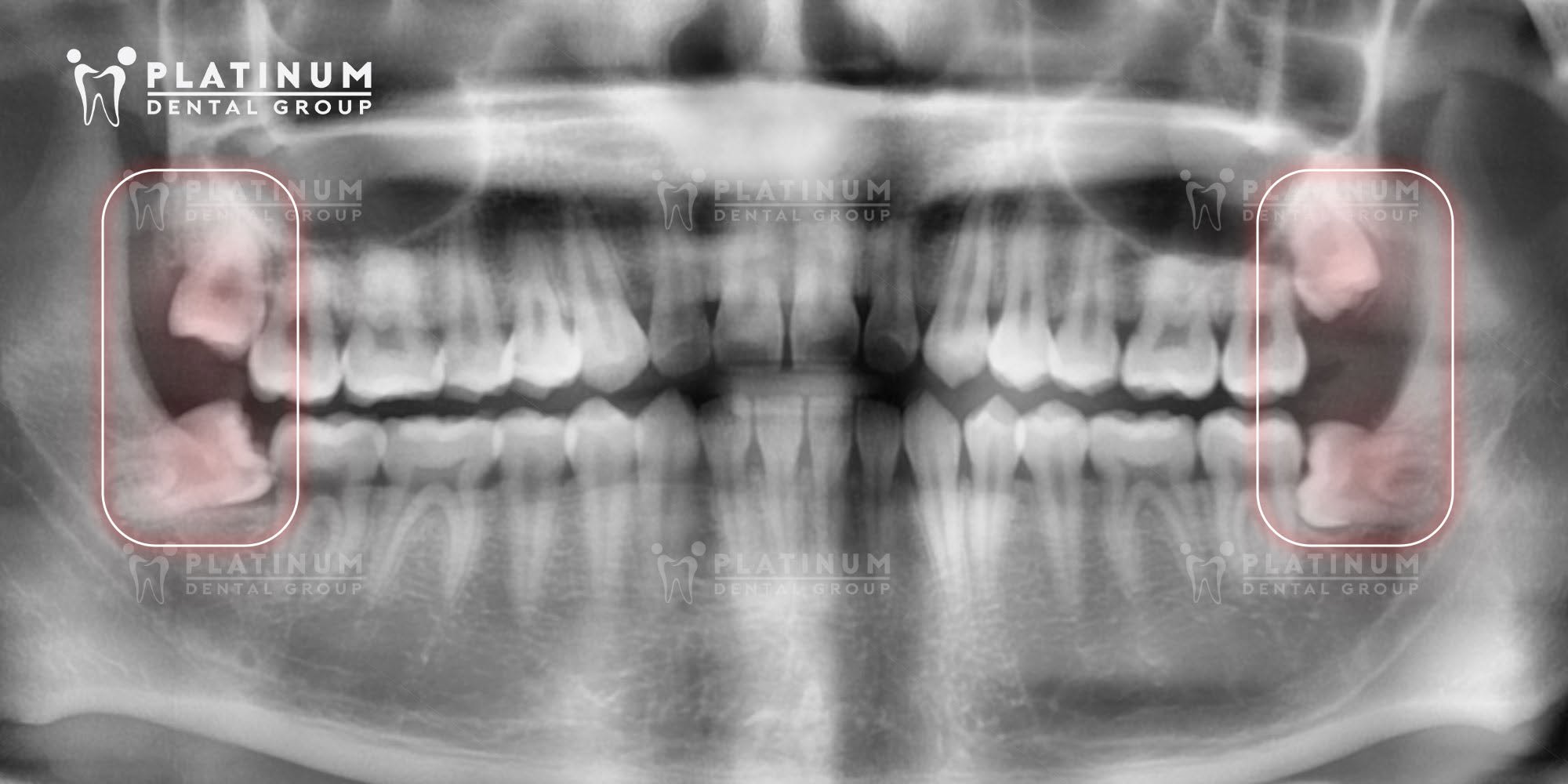
Mr. Tony Thai chose to have all four wisdom teeth removed in one visit rather than undergoing several separate procedures. He described the experience as gentle and comfortable, helping ease his concerns about pain during dental surgery. His experience gave him greater peace of mind throughout treatment.
View details
Gummy Smile Correction (Gingivectomy)
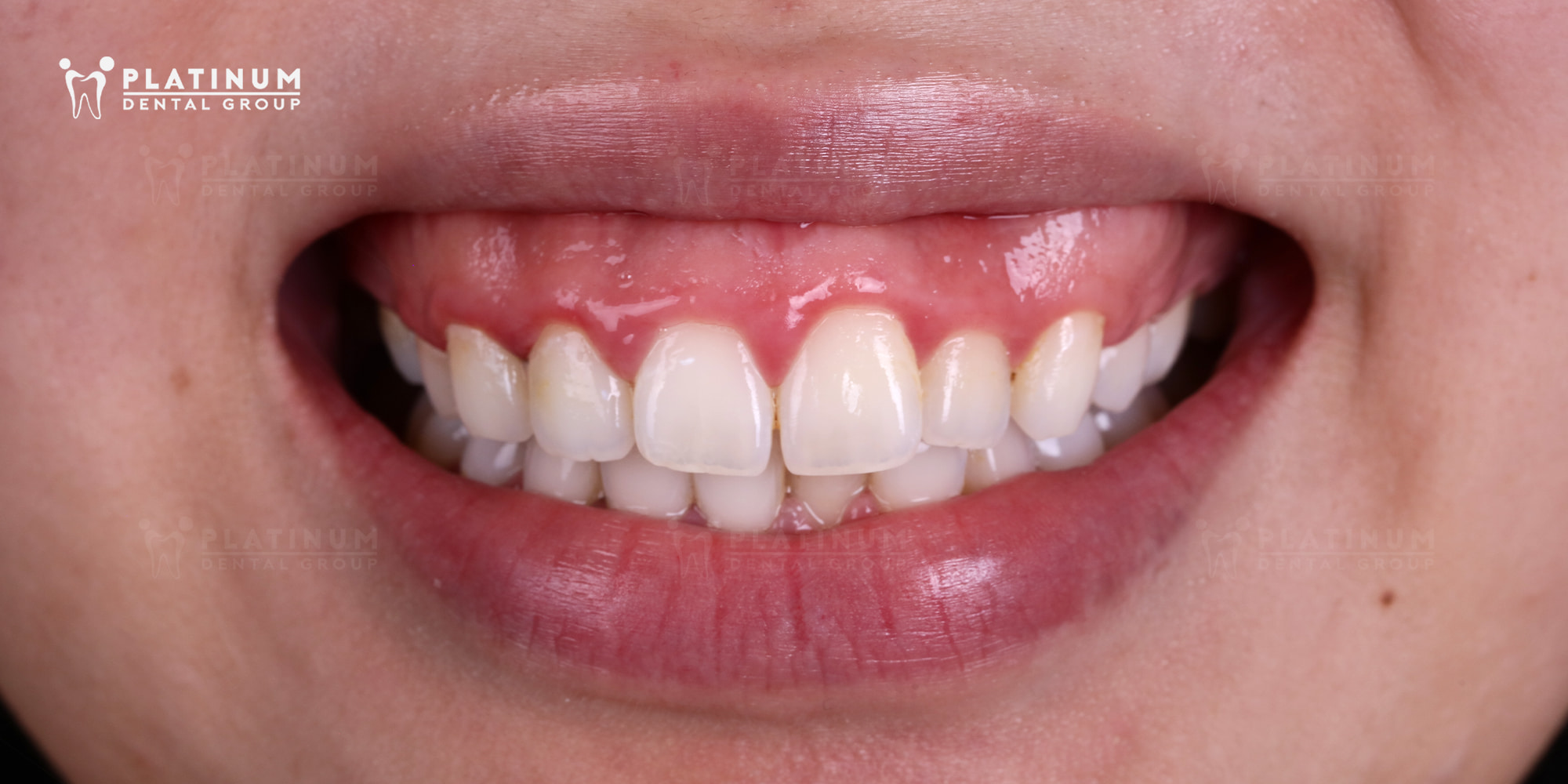
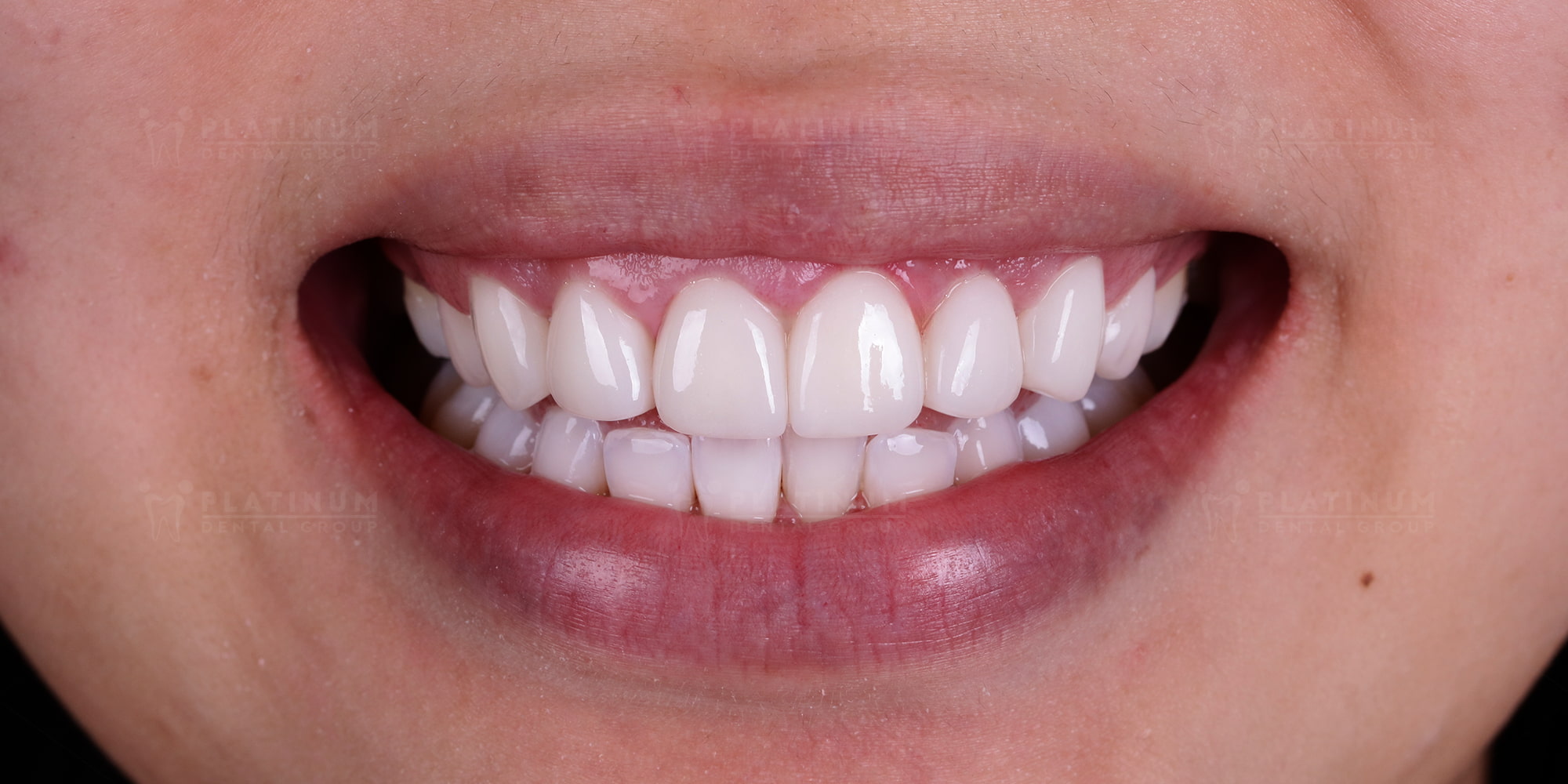
I hesitated for a long time before deciding to get a gingivectomy because I was afraid of the pain and a long recovery time. However, the actual experience was remarkably comfortable—the dentist’s technique was so gentle that I felt completely at ease both during and after the procedure. The balance between my teeth and gums looks natural and beautiful. Now I can smile brightly with total confidence in every photo!
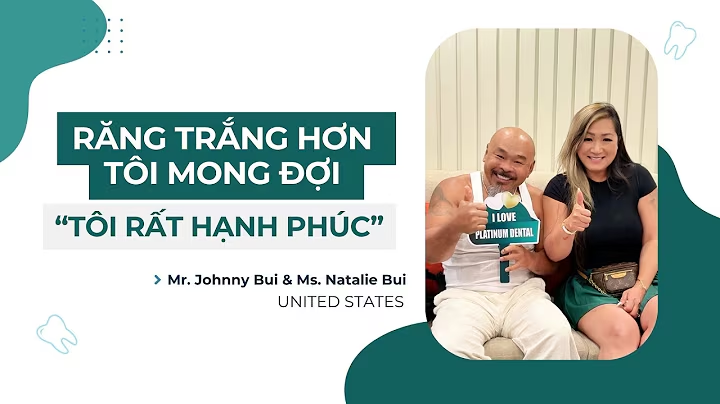
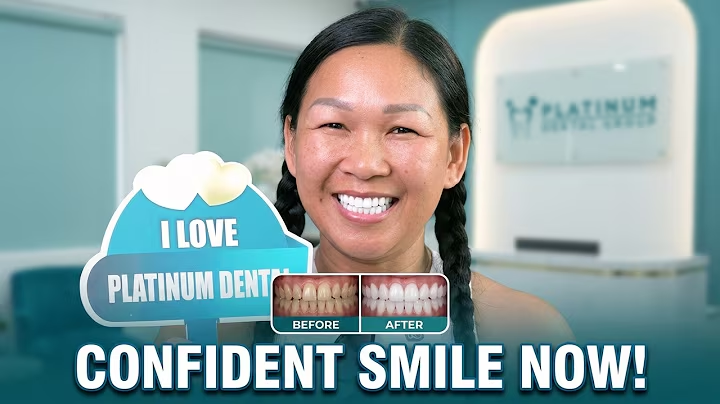
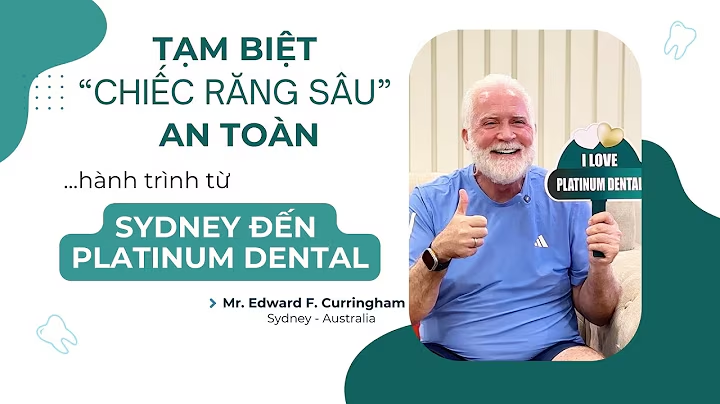
Hear directly from our patients as they share their genuine experiences and journey toward achieving healthy, confident, and radiant smiles at Platinum Dental Group.
Send us your dental condition or concerns today. Our team of dentists with over 20 years of experience at Platinum Dental Group will directly assist you and create a suitable treatment plan.
Which service are you interested in?
Free consultation – Callback within 15 minutes
By choosing general dental care at Platinum Dental, you benefit from the close guidance of our highly experienced specialists, personalized treatment plans, and state-of-the-art technology. Enjoy a comfortable, gentle dental care experience and confidently achieve a radiant, healthy smile. Contact Platinum Dental today for expert consultation and an optimal treatment plan tailored to your oral health!
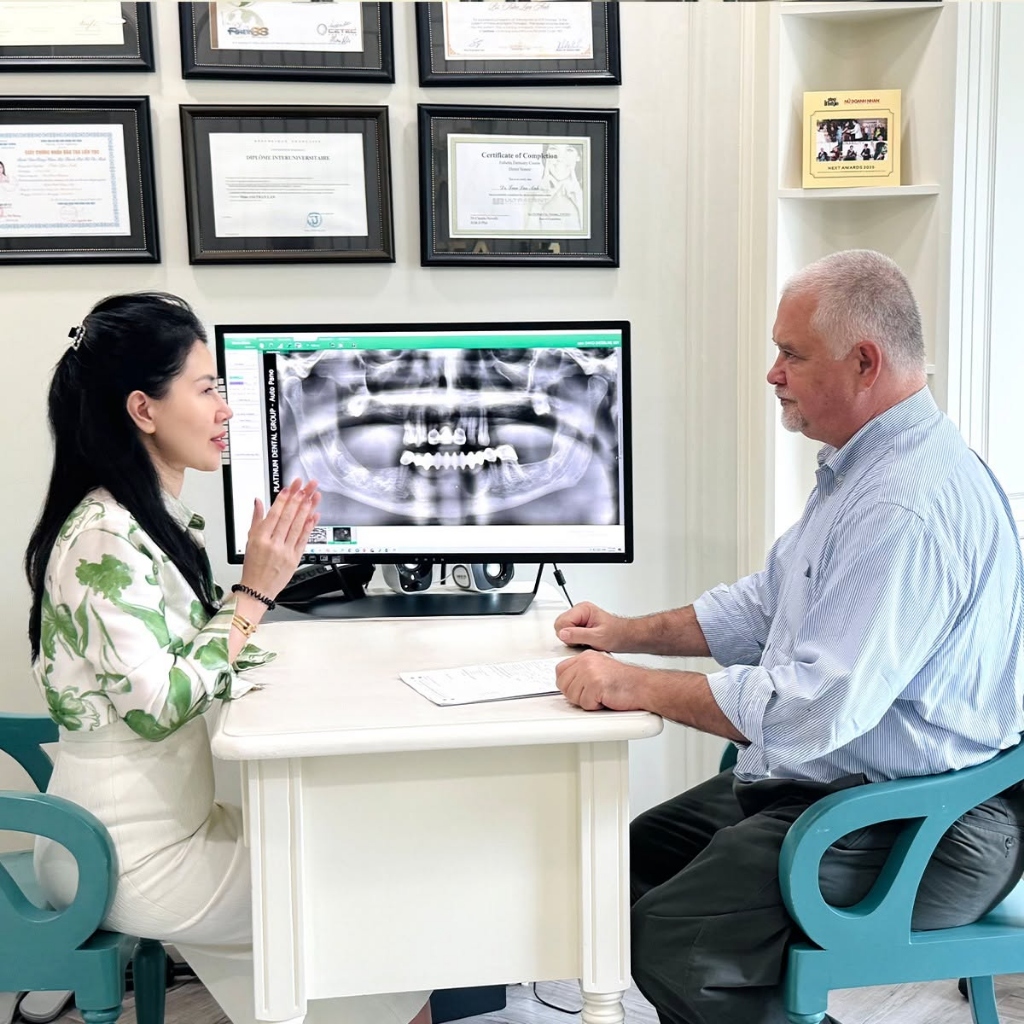
The dental bone graft cost in Vietnam, at Platinum Dental Group, typically ranges from VND 5,000,000 to VND 10,000,000 per site for standard socket preservation or…
Read more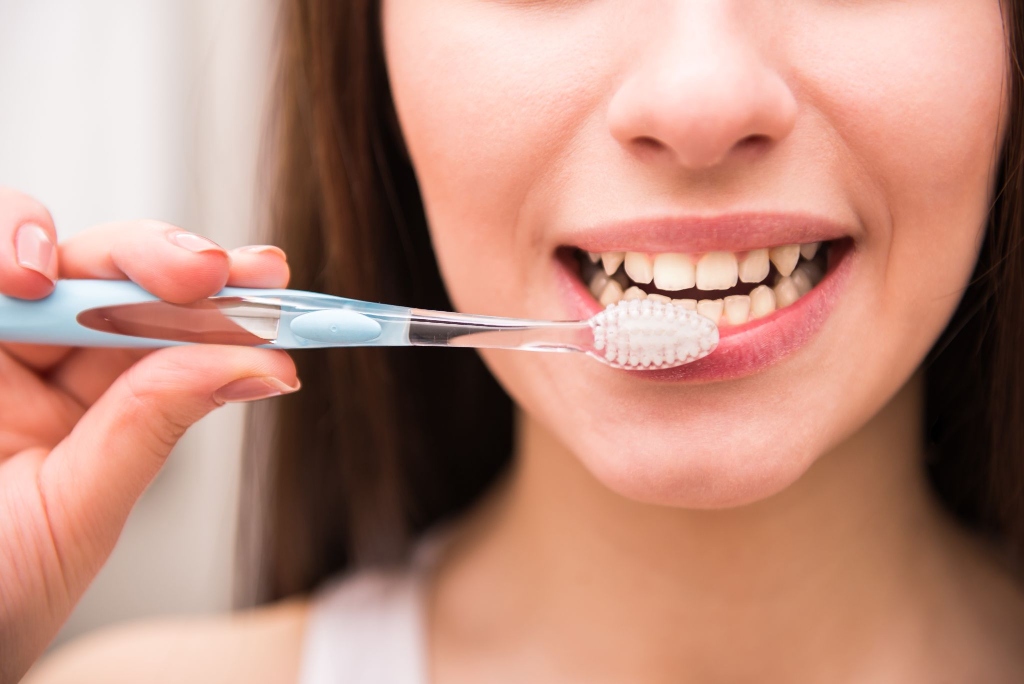
Proper dental implants care is essential to control postoperative edema, support rapid bone integration, and prevent peri-implant complications. During the immediate 24 to 72 hours, patients…
Read more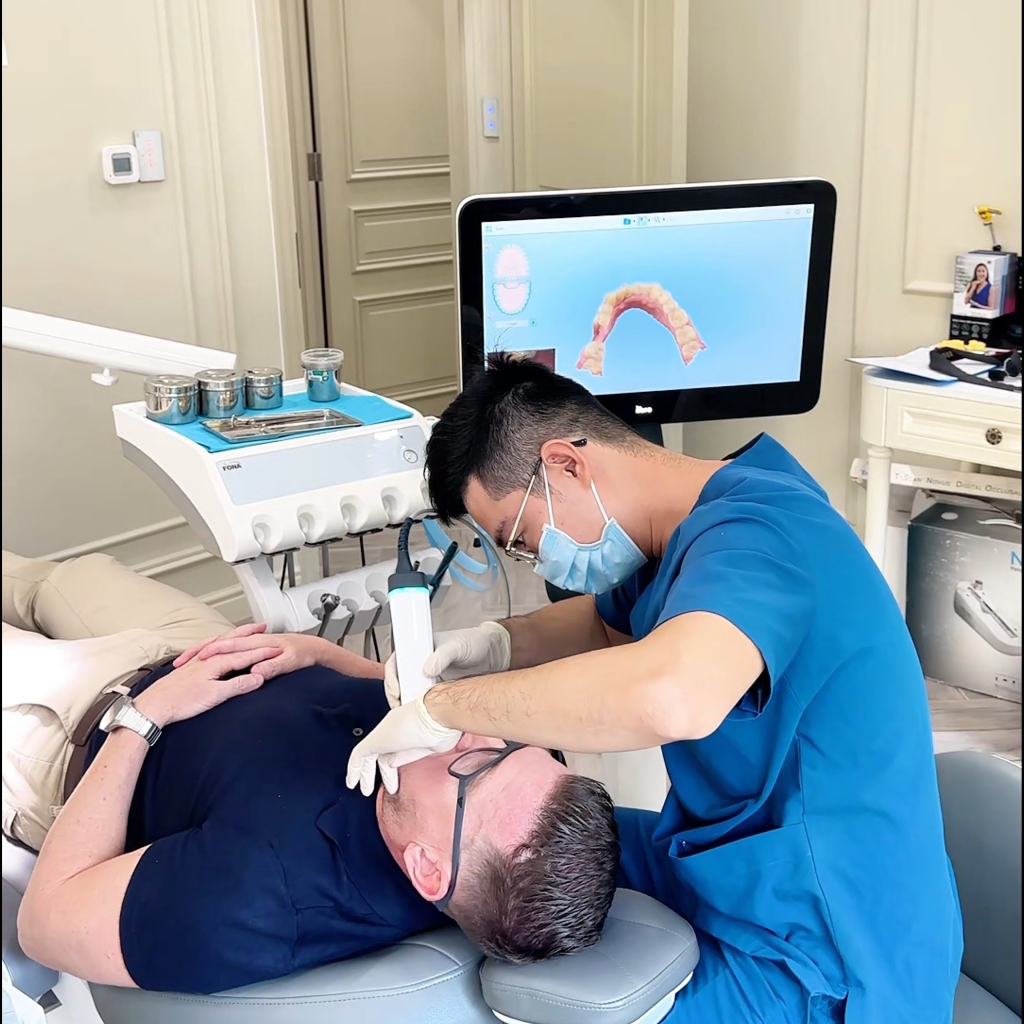
An Implant impression is a crucial step in the final phase of dental Implant treatment, directly affecting how well your new tooth fits, functions, and feels.…
Read more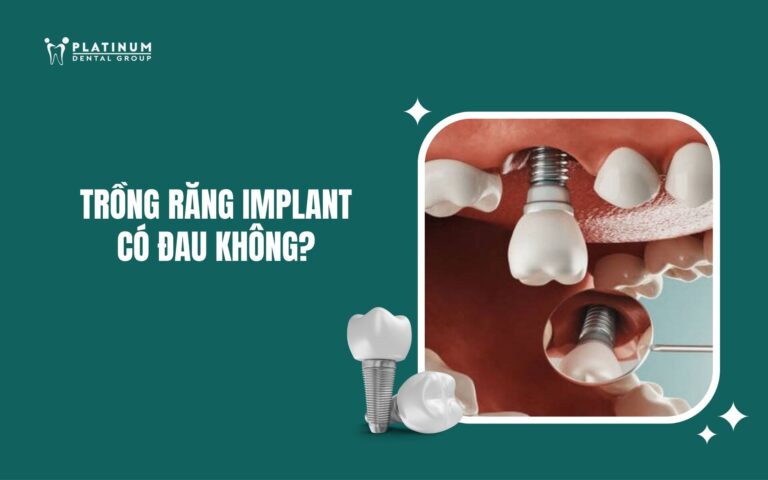
Many patients considering dental Implants wonder, “Do dental Implants hurt?” That’s completely understandable, as the procedure involves surgery within the jawbone. With clinical experience and modern…
Read more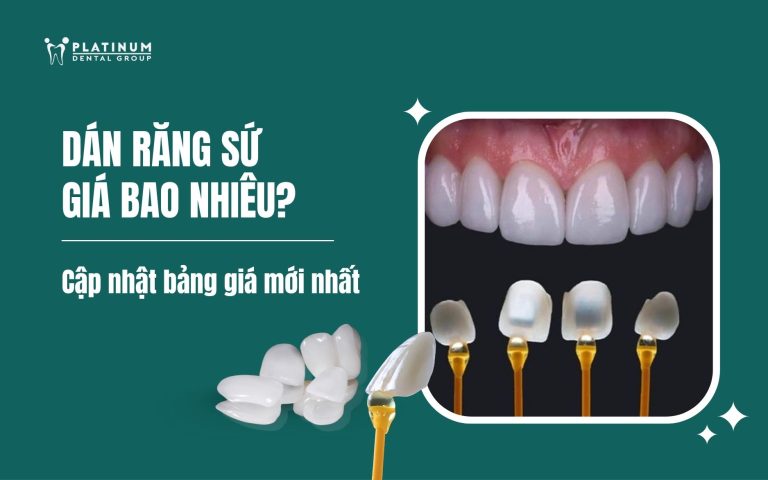
A radiant smile not only boosts confidence but also creates an impression in communication. Among cosmetic dentistry methods, porcelain Veneers are considered the optimal solution as…
Read more
When searching for a dentist near me in Ho Chi Minh City, patients often look for three things: expertise, modern facilities, and personalized care. At Platinum Dental…
Read more Booking Now

 Zalo
 WhatsApp
 Map
 Hotline