

Dental Implants Care: Recovery Tips, Hygiene & Diet
Proper dental implants care is essential to control postoperative edema, support rapid bone integration, and prevent peri-implant complications. During the immediate 24 to 72 hours, patients must maintain hemostasis with gauze pressure, apply cold therapy, take prescribed medications, and consume a strictly soft-food diet. Meticulous post implant care including gentle oral antisepsis and attending scheduled clinical evaluations ensures primary implant stability, healthy marginal gingiva, and lifelong restorative success.
Proper dental implants care plays a decisive role in allowing titanium or zirconia fixtures to fuse solidly with the jawbone and remain stable for decades. Comprehensive post dental implant care involves adhering to a structured clinical recovery timeline, maintaining meticulous plaque control, adjusting dietary texture, and managing postoperative swelling effectively. In this comprehensive guide, Platinum Dental Group outlines clinical protocols for taking care of dental implants to ensure an uneventful recovery and maximum treatment longevity.
1. What is aftercare for dental implants?
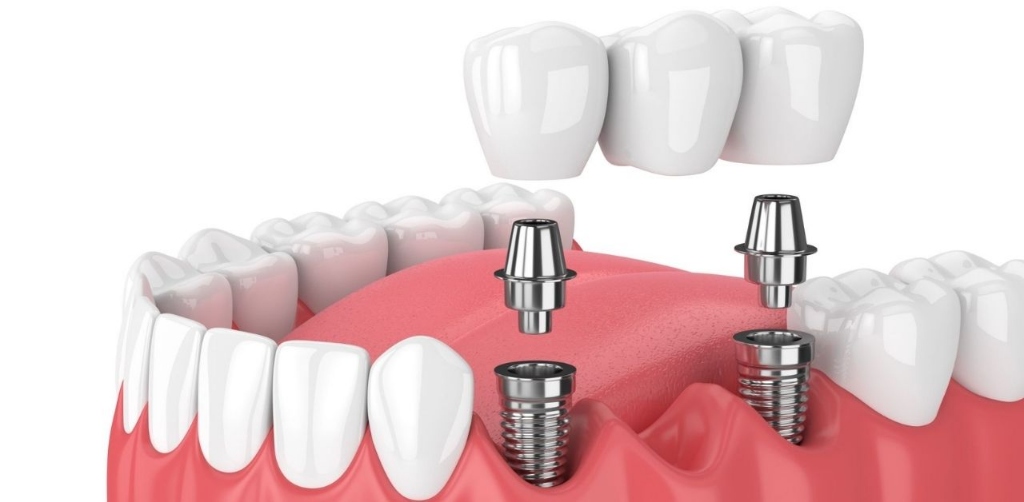
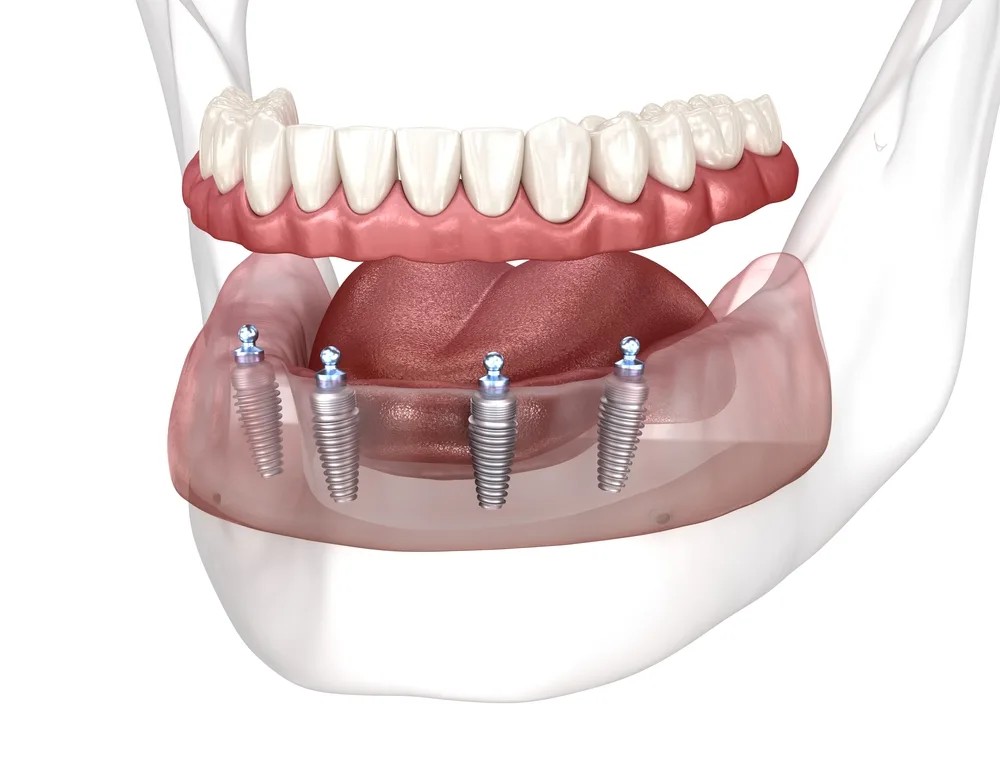
Dental implants care refers to a comprehensive regimen of clinical instructions and daily at-home oral hygiene practices designed to protect the surgical site, guide soft tissue maturation, and promote durable bone anchorage around the implant post. It encompasses early hemostasis protocols, atraumatic plaque control, tailored dietary adjustments, and scheduled professional prophylaxis.
2. Why is taking care of dental implants vital?
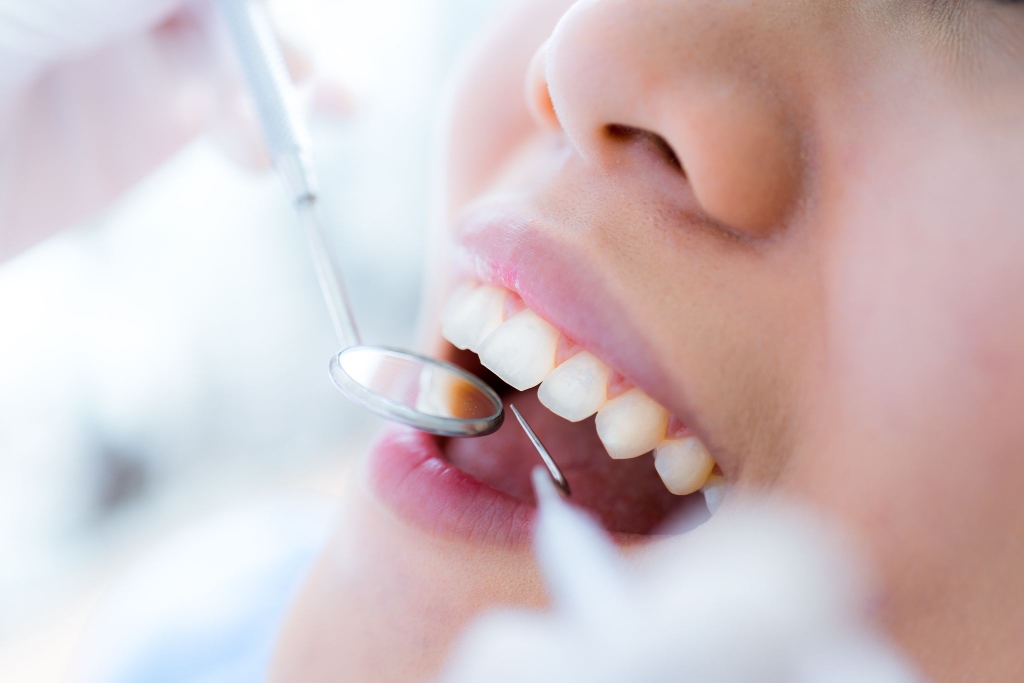
Looking after dental implants is imperative for achieving uninterrupted osseointegration, preserving peri-implant marginal bone levels, and safeguarding the mucosal seal around the transmucosal abutment. Diligent compliance with after care for dental implants mitigates acute infection risks and maximizes the clinical lifespan of the final prosthesis.
- Supports predictable osseointegration: Following implant placement, osteoblasts migrate to the biocompatible implant surface, depositing new trabecular bone. Eliminating premature micro-motion and excessive occlusal load through careful dietary selection creates the ideal physiological environment for a rigid, stable structural bond.
- Reduces postoperative complications: Adhering strictly to post dental implant instructions lowers the incidence of prolonged bleeding, hematoma formation, and early microbial colonization. Minimizing mechanical disturbance during the critical early healing phase allows peri-implant keratinized gingiva to establish a resilient biological barrier against oral pathogens.
- Protects peri-implant soft tissues: Unlike natural teeth, dental implants lack a periodontal ligament and Sharpey’s fibers; they rely entirely on a delicate hemidesmosomal mucosal seal. Gentle, non-abrasive plaque removal prevents reversible mucosal inflammation from progressing to irreversible supporting bone loss.
- Safeguards overall oral health: Strict oral hygiene suppresses anaerobic pathogens throughout the mouth, preventing localized infection from spreading to adjacent natural teeth and preserving overall periodontal health.
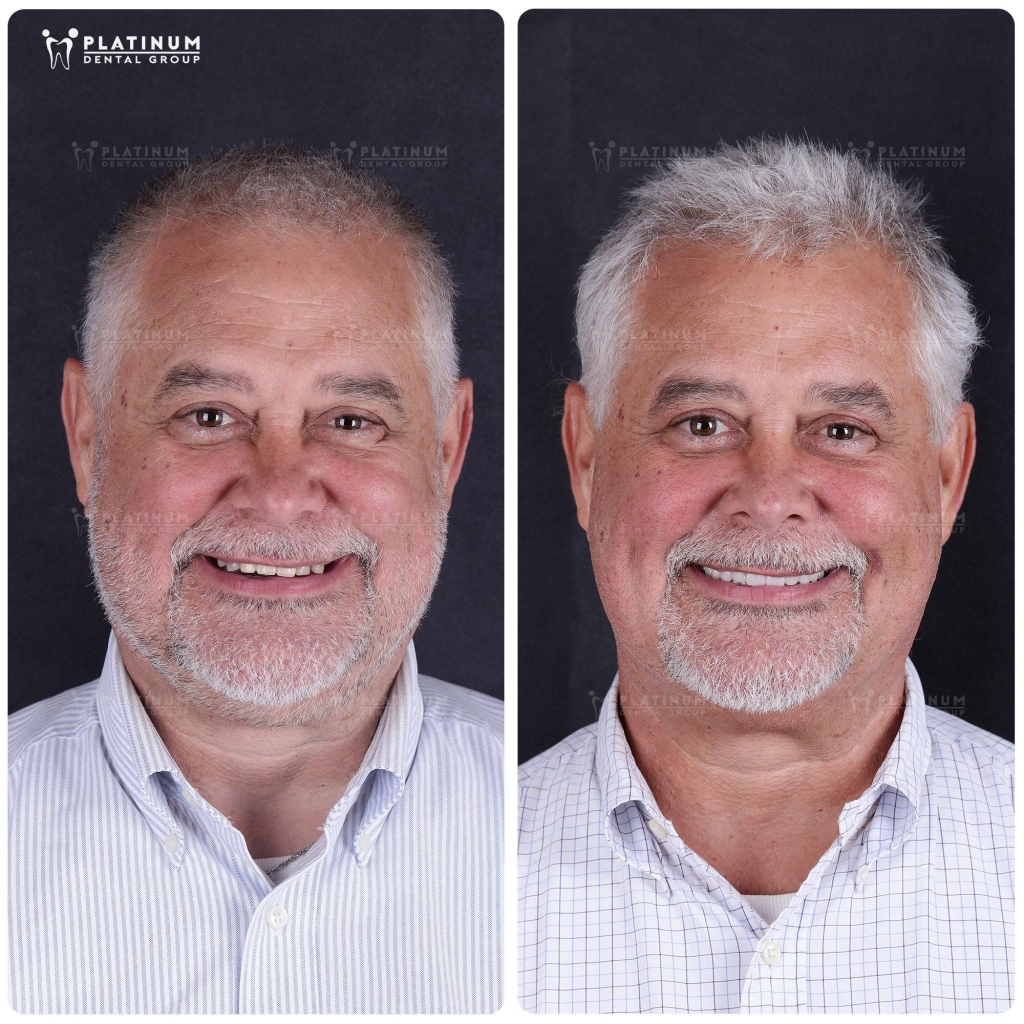
- Extends the lifespan of implant posts after integration: Consistent personal maintenance combined with scheduled professional evaluations preserves the tissue cuff around integrated implants. Routine assessments allow your clinician to verify biological stability, joint integrity, and prosthetic fit, ensuring decades of reliable masticatory function.
3. How to do dental implants care properly
Adhering to structured after implant care protocols ensures that surgical wounds transition smoothly from acute clot stabilization to complete tissue maturation. By aligning your daily oral habits with biological healing stages, you protect your investment and maintain excellent oral health.
3.1. Immediate aftercare (First 24 hours)
The first 24 hours are paramount for stable blood clot formation and minimizing acute inflammatory responses. Please follow these core post implant care steps diligently:
- Bite gently on a gauze pad: Maintain continuous, firm pressure on the sterile gauze pack directly over the surgical site for 30 to 60 minutes. If light oozing continues, place a fresh, dampened gauze pad as directed. Avoid prodding the area with your tongue, spitting, or disturbing the site, as this will dislodge the fragile fibrin clot.
- Manage localized swelling: Apply an ice pack wrapped in a clean cloth to the external cheek area adjacent to the surgery (15 minutes on, 15 minutes off) during the first 12 to 24 hours to limit edema and secondary tissue bruising.
- Pain management: Take prescribed analgesics before local anesthesia wears off completely to maintain continuous pain control. Complete any prescribed antibiotic courses as directed to prevent secondary bacterial infection.
- Diet: Choose smooth, cool, or room-temperature foods requiring zero mastication, such as cooled broths, smooth yogurts, pureed soups, or smoothies eaten with a spoon. Avoid warm or hot foods while local numbness persists, and never drink through a straw, as negative pressure can trigger acute re-bleeding.
- Oral hygiene: Maintaining clean oral conditions is a vital element of oral care after dental implants. Do not brush directly over the surgical wound during day one. If prescribed a specialized mouthwash solution, rinse and bathe the area gently by tilting your head from side to side rather than swishing vigorously.
- Stay hydrated: Drink enough plain water throughout the day to maintain hydration and support normal bodily functions. Take small, gentle sips and avoid using a straw during the initial healing period. Proper hydration also helps prevent dry mouth, which can make oral care less comfortable.

3.2. Aftercare for dental implants in the first week
During the first week, swelling and discomfort should gradually improve, although symptoms often peak around 48 – 72 hours after surgery. Continue protecting the implant site while gradually returning to suitable foods, maintaining gentle oral hygiene, and following your dentist’s recovery instructions is essential.
- Pain management: Post-surgical swelling typically peaks between 48 and 72 hours, resolving markedly by day 7. Any residual superficial bruising will transition from dark purple to yellow-green as red blood cells break down naturally in the tissues.
- Diet: Gradually incorporate soft, nutrient-dense foods such as scrambled eggs, steamed fish, well-cooked soft rice, and soft avocados. High protein and micronutrients accelerate surgical wound closure. Avoid crusty breads, seeds, nuts, and acidic or spicy foods that can mechanically irritate or inflame healing tissues.
- Oral hygiene: Once the marginal incision begins stabilizing (days 7 to 10), clean carefully around adjacent teeth and the healing abutment using an ultra-soft surgical toothbrush or sterile cotton swab soaked in warm saline. Do not use oral irrigators or water flossers during this initial week, as pressurized water jets can strip healing mucosal attachments.
- Follow-up: Attend your scheduled appointment at 7 to 10 days so your dental professional can evaluate soft tissue healing and remove non-dissolvable sutures. This evaluation ensures that early tissue closure is progressing safely without signs of local complications.
- Maintain healthy habits: Strictly avoid smoking, vaping, or nicotine pouches; nicotine induces severe peripheral vasoconstriction, significantly increasing early implant failure rates. In addition, avoid heavy lifting, vigorous exercise, or inverted postures until cleared by your clinician to avoid spikes in blood pressure that cause secondary bleeding.
3.3. Recovery and maintenance (week 2 to week 4 and beyond)
Between weeks two and four, bone remodeling enters an active transition phase where primary stability shifts toward biological secondary stability. Meticulous plaque control and functional protection during this stage prevent bacterial colonization around the healing abutment and the integrated fixture.
– Daily oral hygiene routine for dental implants:
- Twice-daily brushing: Clean all natural teeth and restoration surfaces twice daily using a soft-bristled toothbrush and non-abrasive toothpaste. Gentle, circular brushing motions effectively clear bacterial plaque along the gumline without abrading sensitive soft tissues.
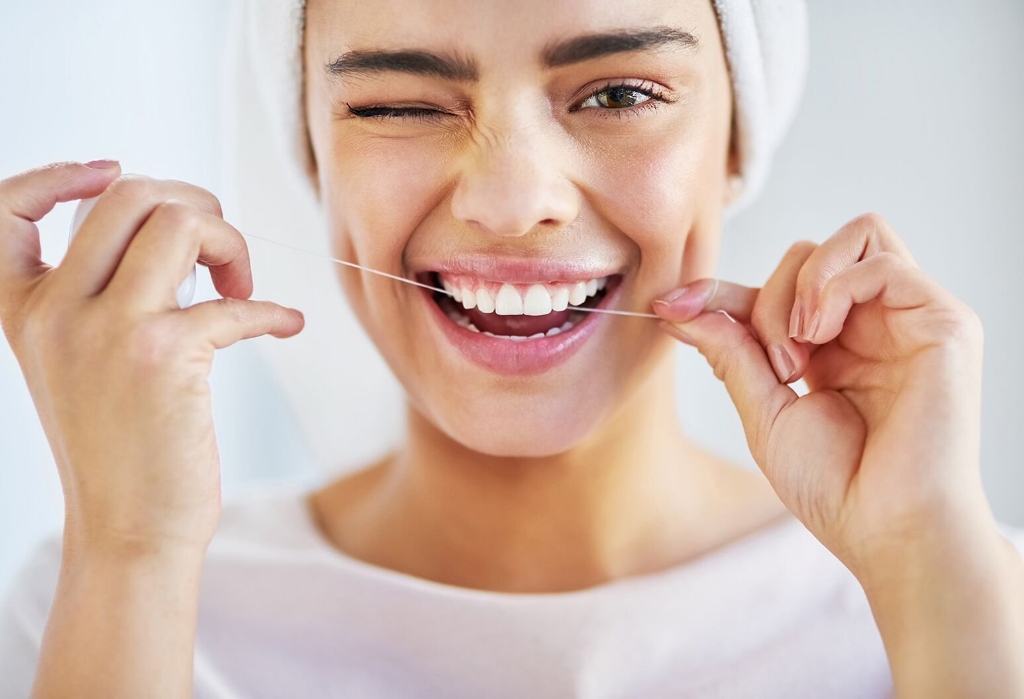
- Implant-specific flossing: Incorporate floss or specialized cleaning aids into your daily routine to remove trapped debris from hard-to-reach interdental spaces. Consistently clearing plaque from around the implant crown prevents tissue inflammation and maintains pristine periodontal health.
- Coated interdental brushes: Use small interdental brushes with plastic-coated wires to clean interproximal spaces safely. Uncoated metal wires must never be used, as they can scratch implant surfaces and accelerate plaque adhesion.
- Water flossers: From week 4 onwards – once gingival tissues have matured – a water flosser on a low, pulsating setting is an excellent adjunct to flush loose debris from hard-to-reach pockets around restorations.
- Best mouthwash after dental implants: Rinse with an alcohol-free, neutral-pH antimicrobial mouthwash to suppress bacterial recolonization. Choosing the best mouthwash after dental implants reduces plaque accumulation without dehydrating oral mucosal tissues.
– Diet and nutrition tips for dental implants care:
- Soft-to-moderate consistency: Continue incorporating easy-to-chew, soft foods into daily meals to give underlying jawbone tissue adequate time to densify and fuse with the titanium post.
- Avoiding hard and sticky foods: Steer clear of hard nuts, crunchy candies, and sticky foods that can exert heavy forces on the crown or lodge beneath the gumline, raising infection risks. You should limit acidic and sugary drinks also to prevent enamel erosion on surrounding natural teeth and reduce localized inflammation.
- Maintain a balanced diet: Build daily meals around nutrient-rich ingredients that promote systemic recovery and bone density. Such as, consume calcium-rich dairy or leafy greens to strengthen surrounding bone, vitamin C for collagen production and gum repair, and lean protein to foster rapid tissue reconstruction.
- Stay hydrated: Drink adequate amounts of water daily to flush out lingering food particles and stimulate healthy saliva production. Adequate hydration protects against oral dryness and maintains a natural self-cleansing environment inside the mouth.

– Other lifestyle habits for dental implant care:
- Maintain overall health: Actively monitor and manage chronic medical conditions, such as diabetes, to prevent systemic complications from hindering bone integration. Always notify your dental provider of any updates to your medical status or newly prescribed medications.
- Quit smoking: Tobacco consumption impairs localized circulation, impairs tissue recovery, and drastically increases long-term risks of implant failure. Ceasing smoking completely or significantly reducing tobacco is an important thing in dental implants after care to intake safeguards peri-implant tissues and extends restoration durability.
- Wear a nightguard if recommended: If you suffer from nocturnal bruxism or tooth grinding, wear a custom-fitted nightguard every night to cushion impact forces. This protective appliance shields both natural teeth and implant crowns from excessive mechanical wear and structural stress.
- Avoid using your teeth as tools: Never use your teeth or implant-supported crowns as tools to rip open packaging, bite fingernails, or hold hard objects. These bad habits place lateral stress on the post, increasing the risk of crown chipping, abutment loosening, or structural damage.
3.4. Follow and attend regular check-ups
Under professional dental implants care instructions, scheduling clinical evaluations and hygiene visits every 3 to 6 months is essential for identifying subclinical complications early.
- Professional cleaning: Clinical hygiene appointments allow clinicians to eliminate hardened calculus and pathogenic bacterial biofilms using specialized, non-abrasive instruments such as carbon-fiber curettes, PEEK tips, and subgingival glycine powder air-polishing. These professional modalities clear hidden submarginal deposits without scratching polished titanium collars or restorative margins, maintaining pristine peri-implant tissues free from chronic inflammation.
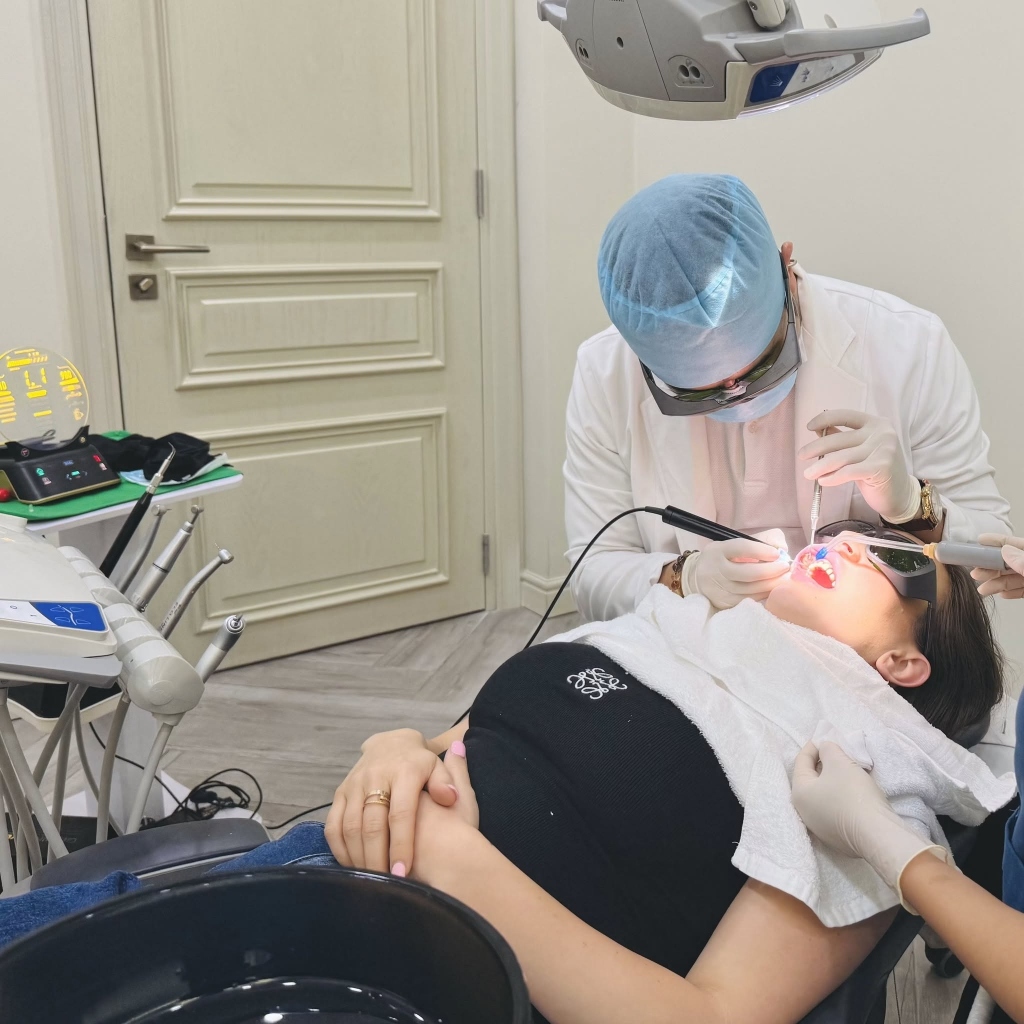
- Early detection of issues: Periodic examinations enable clinicians to detect initial signs of peri-implant mucositis – such as bleeding on probing (BOP) or mild erythema – long before irreversible bone resorption occurs. Early clinical interception allows immediate debridement and targeted home-care adjustments, preventing the progression toward refractory peri-implantitis.
- Implant assessment: Your dentist systematically inspects the mucosal seal, peri-implant probing depths, and the integrity of restorative connections. Checking retention screw torque and abutment seating confirms that no micro-mobility or hardware loosening has developed over time under chewing forces.
- X-ray monitoring: Periodic standardized periapical radiographs allow your clinician to track crestal bone levels and confirm that osseointegration remains intact below the gingival margin. Diagnostic radiographs reveal interproximal bone remodeling and subgingival cement excess well before external clinical symptoms manifest.
- Adjustments and maintenance: Over time, continuous physiological migration of natural teeth can alter dynamic bite distribution. Your dentist performs needed occlusal adjustments to balance masticatory loads, preventing destructive lateral forces from causing porcelain chipping, screw loosening, or mechanical fatigue on the titanium post.
- Personalised advice: Routine check-ups serve as the ideal baseline to calibrate your daily oral care after dental implants. Your provider customizes recommendations for interdental brush gauges, sulcus cleaners, and low-abrasive oral hygiene aids tailored precisely to your tissue biotype and prosthetic design.
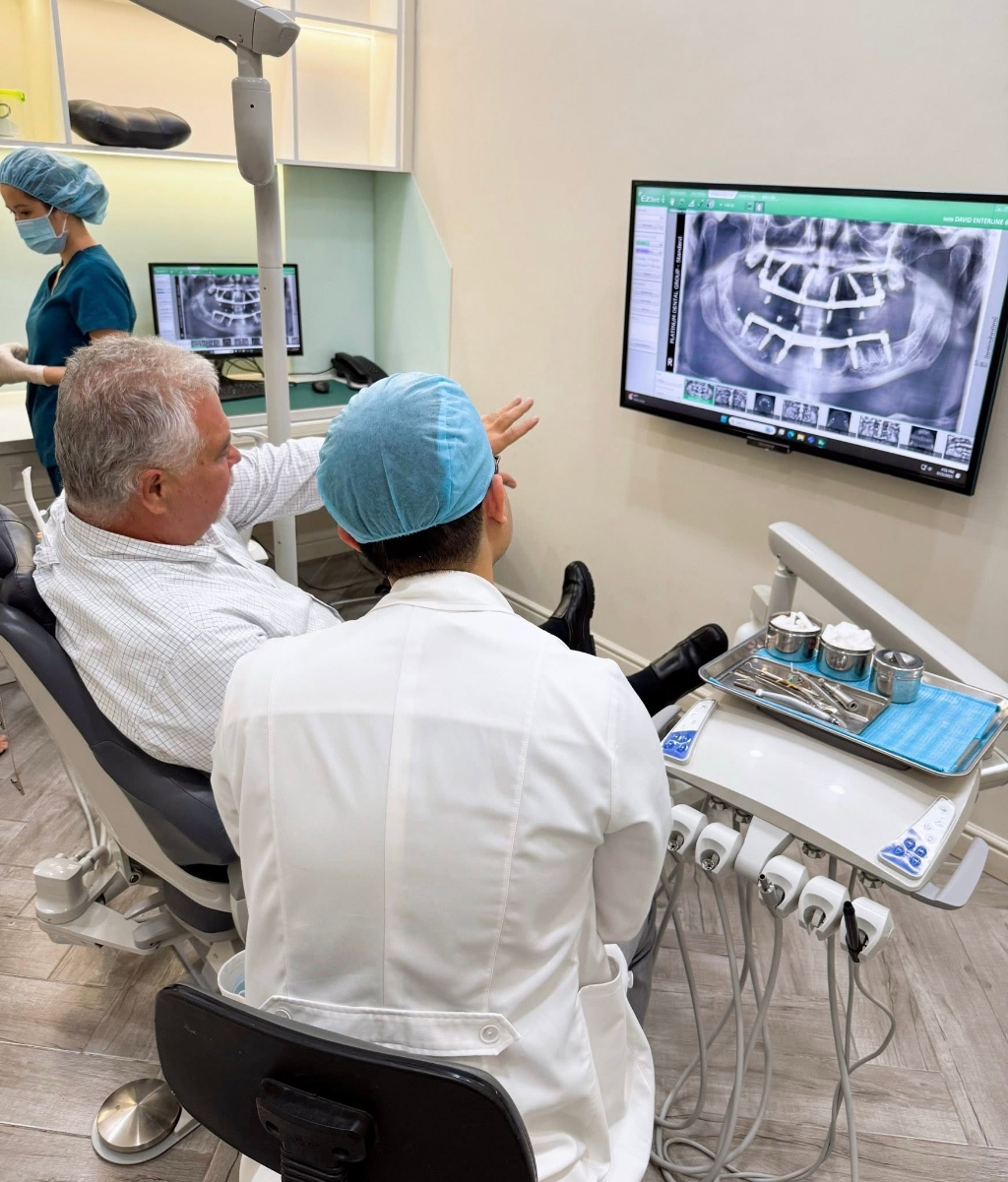
4. Dental implants care after sinus lift and bone grafting: What to expect?
Maxillary sinus floor elevation and guided bone regeneration (GBR) introduce a highly sensitive graft matrix that demands meticulous post-surgical management. Unlike routine implant placement, sinus augmentation requires strict stabilization of the delicate Schneiderian membrane while granular bone substitutes vascularize and consolidate.
Adhering to structured dental implants care maintenance safeguards both the maxillary sinus cavity and the underlying alveolar ridge during this critical osteogenic phase:
- Soft foods: You should eat soft, easy-to-chew foods and make sure to chew evenly on both sides of your mouth to balance bite distribution. Besides that, avoid hard or crunchy foods such as bones, cartilage, or ice cubes that can apply mechanical pressure to the newly grafted area. Maintaining a gentle diet protects the delicate graft site while providing essential nourishment for tissue healing.
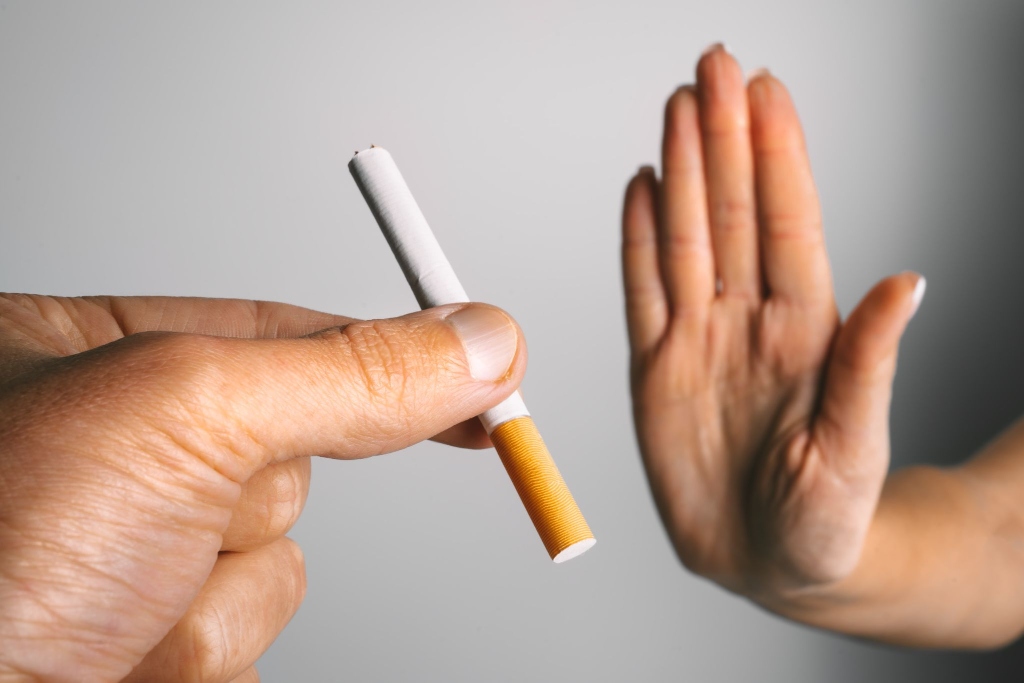
- Avoid smoking: Refrain from smoking, vaping, or using any nicotine products for at least 4 to 8 weeks post-surgery. Nicotine acts as a potent peripheral vasoconstrictor, drastically reducing oxygen tension and nutrient delivery to the bone graft. Premature tobacco use significantly increases the risk of graft necrosis, wound dehiscence, and graft failure.
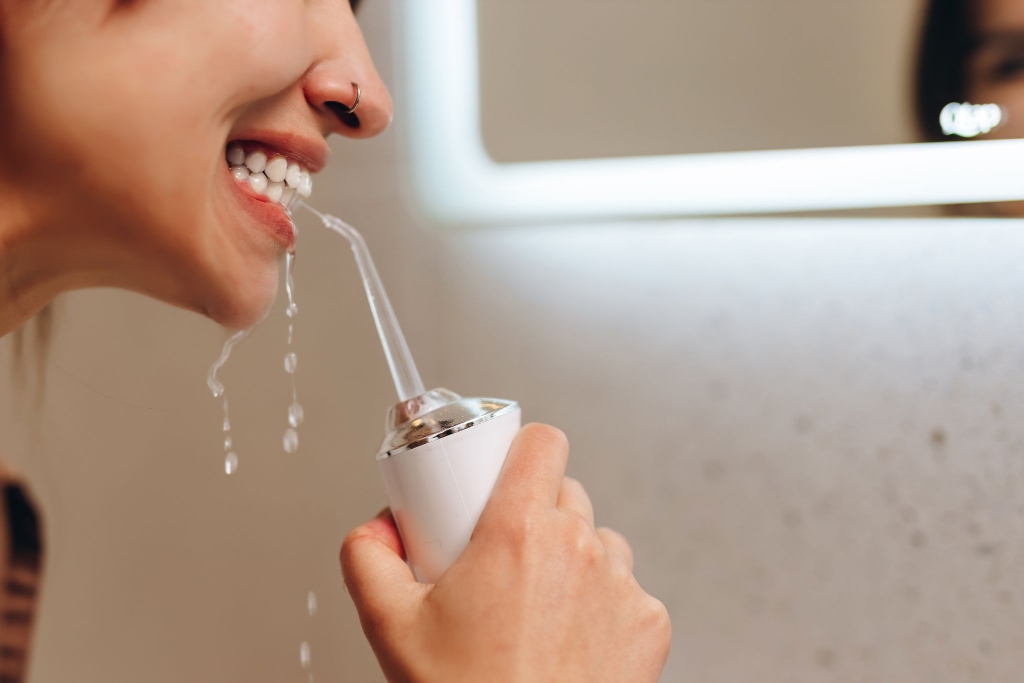
- Oral hygiene: Maintain a gentle daily oral hygiene routine by brushing carefully and using interdental brushes or floss to keep teeth clean. You can rinse with an alcohol-free antimicrobial mouthwash to suppress bacterial growth without irritating delicate oral tissues. Proper tooth implant post-care prevents dangerous bacterial accumulation around the sinus lift and graft area.
- Avoid straws/forceful nose blowing: Do not drink through a straw, sniff aggressively, or blow your nose for at least 14 to 21 days. Negative oral pressure and positive intranasal pressure can rupture the sinus membrane, dislodge bone substitute particles into the sinus cavity, or create an irreversible oroantral communication (OAC). If nasal congestion occurs, use saline nasal drops or decongestants as prescribed by your surgeon.
- Sneeze with mouth open: If you feel the urge to sneeze, keep your mouth wide open. This directs high-velocity airflow through the oral cavity rather than channeling explosive pressure into the maxillary sinus, protecting the bone graft from displacement.
- Avoid flying during the initial period: Avoid commercial aviation and scuba diving for at least 10 to 14 days following surgery. Rapid barometric pressure shifts within aircraft cabins stress the Schneiderian membrane, which can induce severe sinus pain, mucosal tearing, or graft instability.
- Warning signs of sinus complications: Contact your surgical team immediately if you observe symptoms of acute sinus inflammation or graft compromise. Warning signs include persistent unilateral infraorbital or cheek throbbing, sustained nasal obstruction, sensation of air passing into the mouth, or purulent, foul-tasting discharge from the nose or surgical site. Early clinical intervention prevents.
5. When should you contact your dentist?
Experiencing mild swelling and dull discomfort for the first 1 to 2 days is a normal physiological response following implant surgery. However, worsening symptoms or signs of infection during the post-dental implant care period may indicate a complication that requires prompt assessment. Contact your dentist or oral surgeon if you experience any of the following symptoms:
- Uncontrolled bleeding: Severe facial swelling or throbbing pain that fails to improve and progressively worsens after 3 days.
- Persistent active bleeding: Heavy bleeding from the implant site that continues continuously and cannot be controlled despite biting down on gauze pads correctly.
- Fever or chills: Systemic fatigue accompanied by a high fever reaching 38°C (100.4°F) or higher.
- Signs of localized infection: Redness, marked swelling, or foul-smelling purulent drainage (pus) around the implant gum line.
- Implant instability: Feeling that the implant post or crown is loose, unstable, or causing sharp, persistent pain in the surgical area.
6. Platinum Dental Group – Advanced technology for safe and effective implant care
In addition to following meticulous post-surgical care instructions, choosing a specialized dental center with accredited oral surgeons and advanced digital infrastructure plays a decisive role in rapid recovery and lifelong implant stability. Established in 2015 and trusted by over 30,000 domestic and international patients, Platinum Dental Group is an established leader in high-tech dental implantology in Ho Chi Minh City.
Our surgical team brings 10 to over 19 years of specialized experience to formulate bespoke treatment plans tailored to each patient’s bone density, systemic health, and aesthetic expectations. From initial 3D digital diagnosis and transparent consultations to minimally invasive surgical execution and structured post-operative care, we ensure patients feel fully informed, reassured, and supported throughout their smile transformation.
To guarantee micron-level precision, painless recovery, and naturally aesthetic results, Platinum Dental Group invests extensively in state-of-the-art medical technologies imported from the USA and Europe:
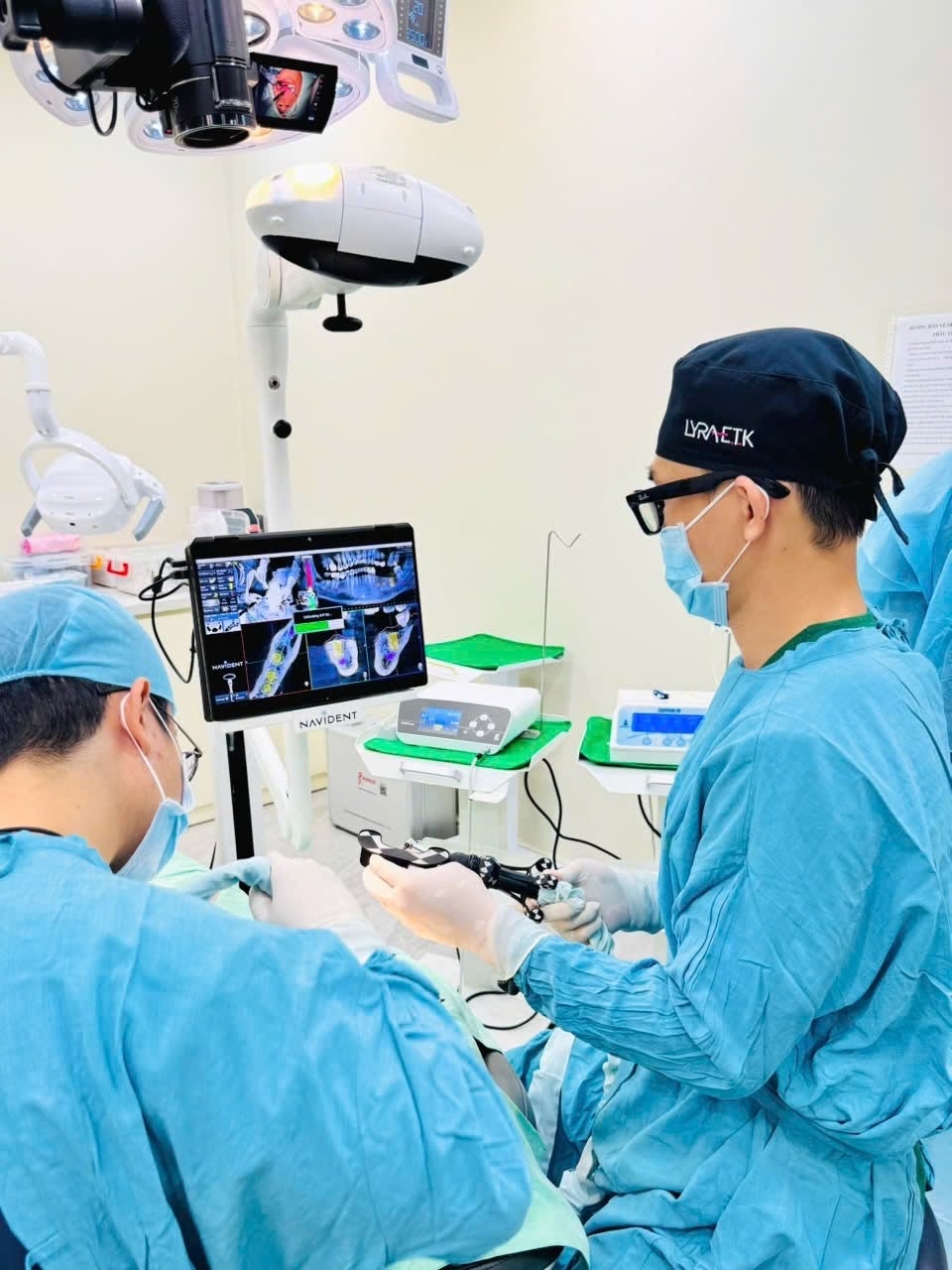
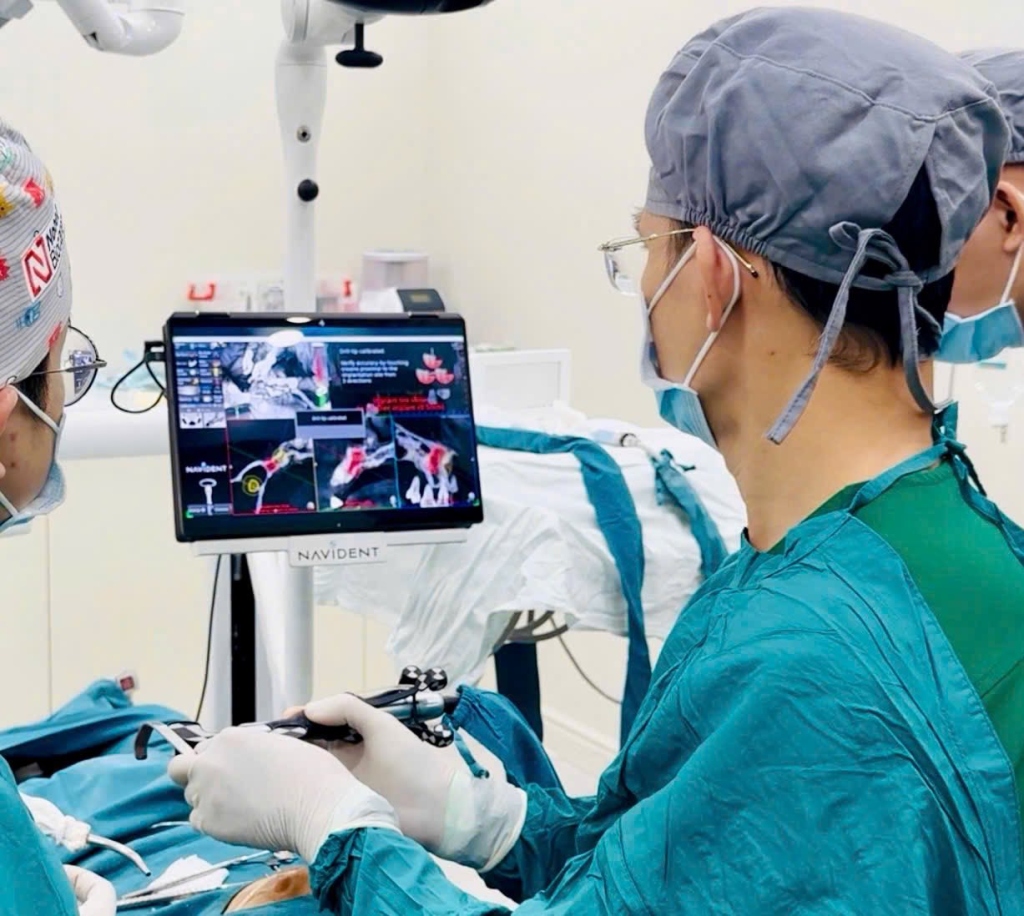
- Navident dynamic navigation system: Platinum Dental Group utilizes the Navident dynamic computer-guided navigation system to track and guide implant drill positioning in real time. This dynamic tracking enables our surgeons to calibrate fixture trajectory, angulation, and apex depth with sub-millimeter precision based on pre-planned 3D virtual simulations. By facilitating flapless or minimally invasive surgical approaches, this technology significantly reduces localized tissue trauma, diminishes postoperative swelling and bleeding, and accelerates soft-tissue seal formation.
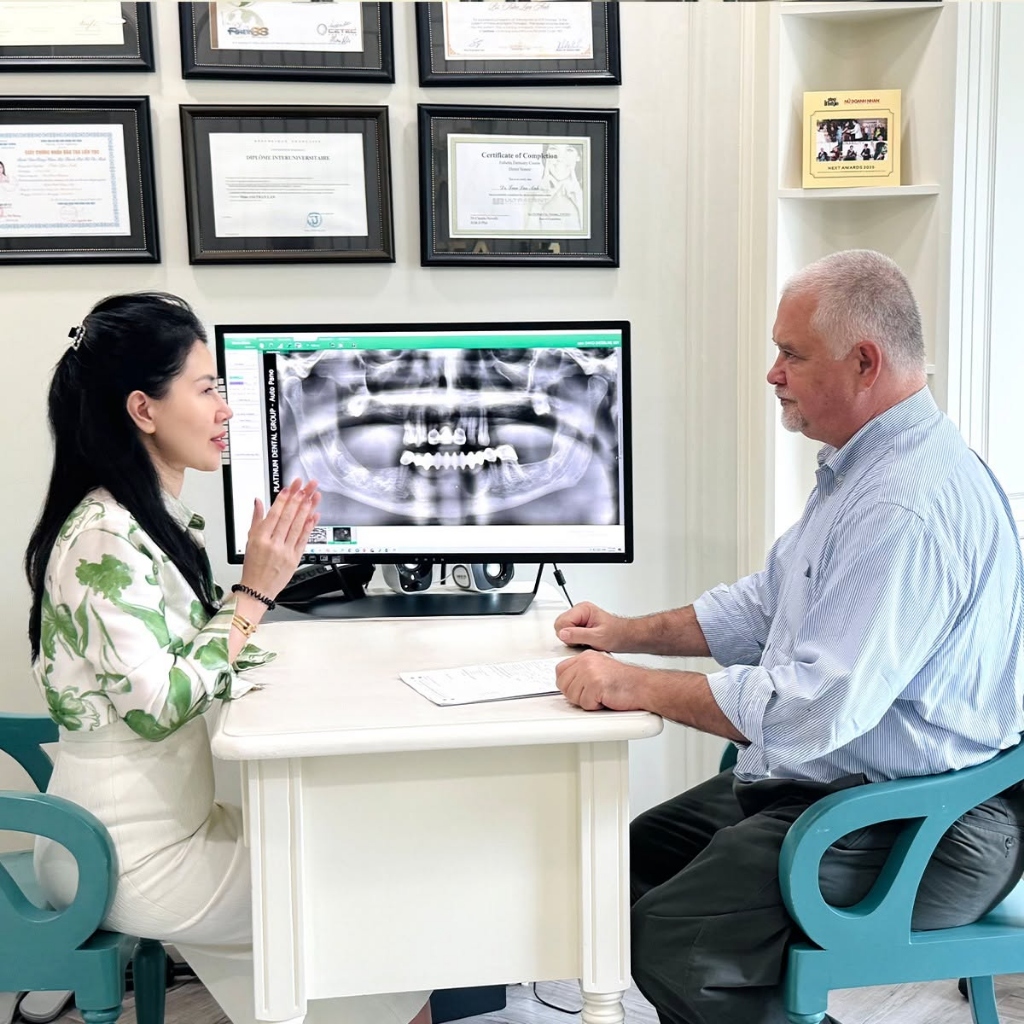
- High-quality oral diagnostic technology: Featuring True Size Sensor technology and an expansive 20×20 cm FOV, our diagnostic RAY STUDIO Cone Beam CT captures low-dose, high-resolution volumetric datasets of the entire craniofacial complex. Integrating this comprehensive anatomical clarity with digital optical models allows Platinum Dental Group specialists to execute risk-free planning and rigorous follow-up across full-arch implantology, orthodontics, and oral and maxillofacial surgery.
- Standardized biological protocols & immediate temporization: Every procedure strictly adheres to hospital-grade sterilization and atraumatic surgical protocols. When primary bone stability exceeds clinical thresholds, our specialists can fabricate and seat an immediate provisional restoration within hours. This preserves the surrounding gingival architecture and allows patients to smile confidently with immediate aesthetics while osseointegration progresses undisturbed under an unloaded, protective soft-food protocol.
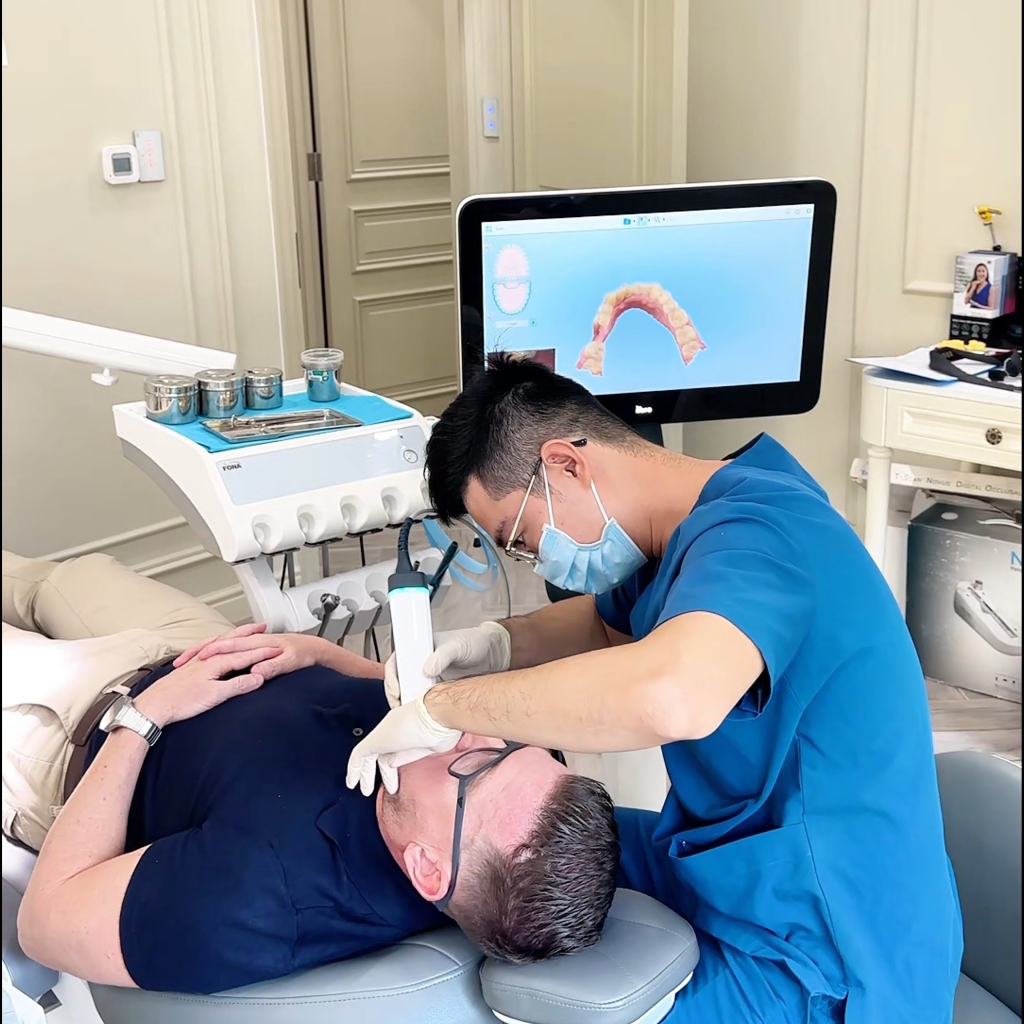
- Precision digital impressions, PIC photogrammetry & 3D facial scanning: Replacing conventional trays, we combine the iTero 5D Plus, PIC photogrammetry, and the South Korean 6-camera RAYFace scanner to capture exact implant coordinates and 3D facial profiles in just 0.5 seconds. Automatically merging facial, intraoral, and CBCT scans into a single virtual patient enables intuitive orthodontic simulation, occlusal analysis, and absolute passive fit for final prostheses.
- Personalized postoperative care & continuous monitoring: Every patient receives structured, customized post dental implant instructions, complete with tailored dietary schedules, evidence-based antimicrobial rinses, and specialized oral hygiene kits. Our fluent English-speaking clinical coordinators provide dedicated monitoring at every biological healing milestone, ensuring patient peace of mind and long-term peri-implant stability.
>> A healthy, confident smile begins with an accurate diagnosis and a treatment plan tailored to your needs. If you would like to schedule a consultation or have questions about your implant treatment, contact Platinum Dental Group via hotline or WhatsApp. Our dental team will help you understand your options and provide personalized guidance on treatment and dental implants care, from the initial consultation through recovery and follow-up.
| Platinum Dental Group 📍 Platinum Dental Group Central – 127 Nguyen Cu Trinh Street, Nguyen Cu Trinh Ward, District 1, Ho Chi Minh City 📍 Platinum Dental Group Thao Dien – 1H Street No. 10, An Khanh Ward (Thao Dien area), Thu Duc City, Ho Chi Minh City ✉️ Email: info@platinumdentalvietnam.com 🌐 Website: https://platinumdentalvietnam.com 💬 Instagram: https://www.instagram.com/platinumdental.vietnam 🔗 Facebook: https://www.facebook.com/platinumdentalvn 📞 Hotline: 096 779 7799 |
Proper dental implants care is decisive for ensuring uninterrupted osseointegration and long-term marginal bone preservation. Combining targeted nutrition and prescribed medication with conscientious oral care after dental implants minimizes postoperative swelling and infection risks. Ultimately, consistent daily plaque control paired with regular clinical check-ups guarantees your restoration remains functional, aesthetic, and structurally sound for a lifetime.
Frequently Asked Questions About Dental Implant Care
Below are answers to common questions about dental implants care that may be useful for you to take better care of your implants:
1. How painful is dental implant recovery?
2. Is bleeding after dental implant placement normal?
3. What are the signs that a dental implant is healing well?
4. How long after dental implants can I eat normally?
References
Bupa. Dental implant aftercare. https://www.bupa.co.uk/dental/dental-care/treatments/dental-implants/what-to-expect/implant-aftercare (Accessed: 29 October 2026)
 Zalo
 WhatsApp
 Map
 Hotline
 Booking Now
