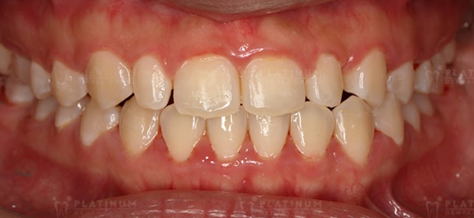
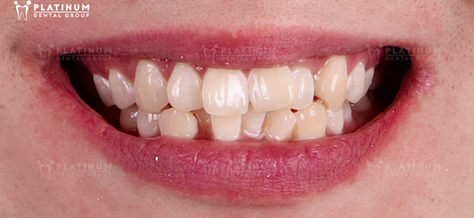
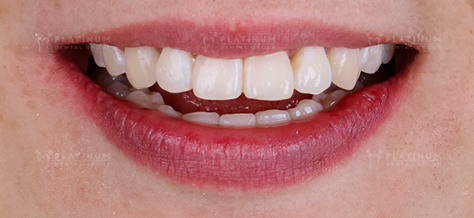
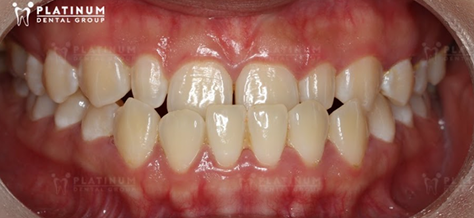




What Are Traditional Braces?
What Types Are Available?

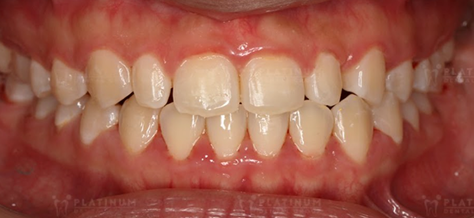
Traditional braces are an orthodontic treatment that uses specialized appliances, including brackets and archwires, to apply controlled pressure and gradually move teeth into their ideal positions along the dental arch. Through periodic adjustments, the teeth are carefully realigned to improve their positioning and achieve better coordination between the upper and lower jaws. Beyond creating a straighter, more attractive smile, braces can improve bite function and make oral hygiene easier, helping reduce the risk of dental problems such as tooth decay and gum inflammation associated with crowded or misaligned teeth.

gdoc-image-10

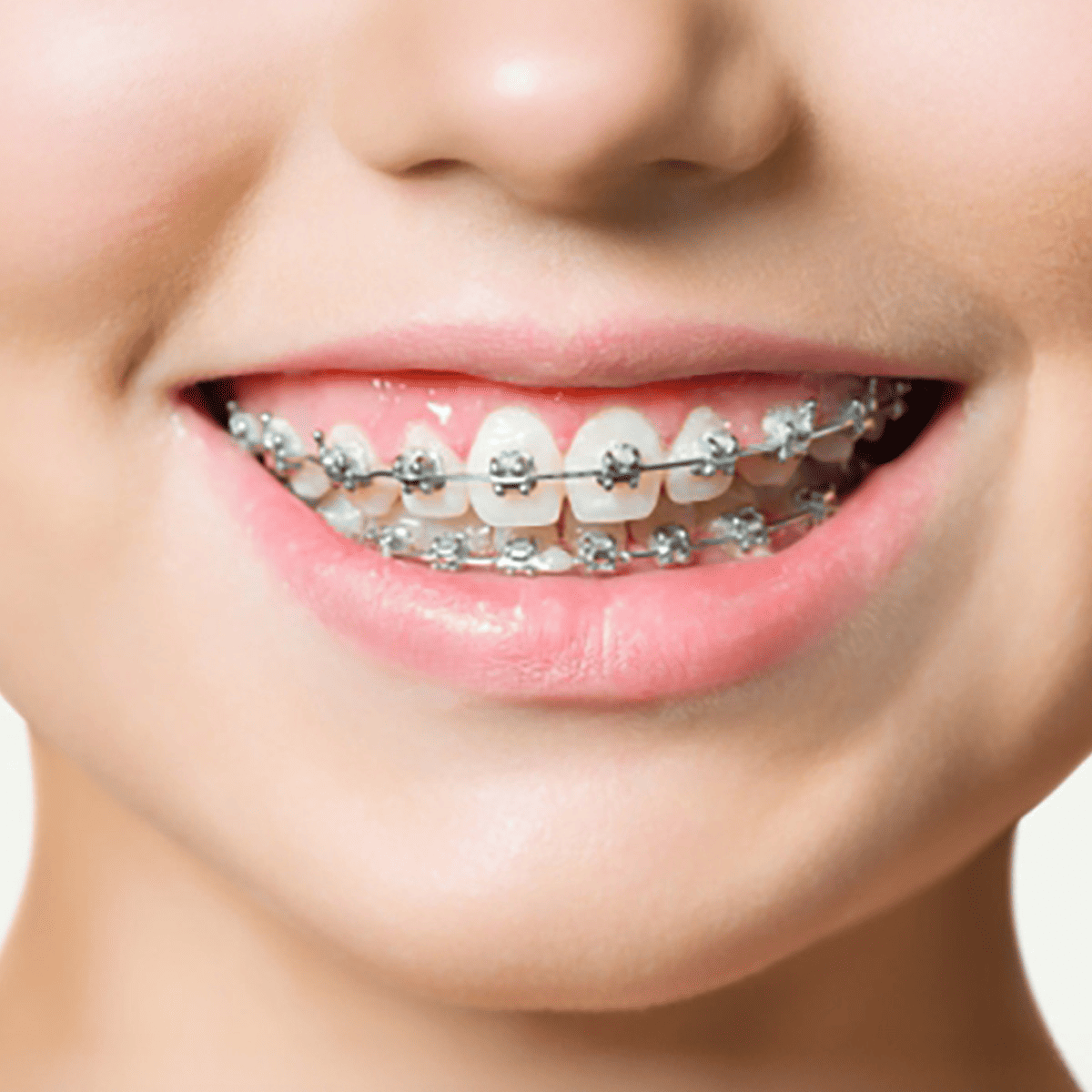
Metal Braces

Utilizing medical-grade alloy brackets, archwires, and elastics to generate tooth movement forces. Featuring high durability and excellent efficacy, this cost-effective method addresses a wide range of dental conditions.

gdoc-image-11

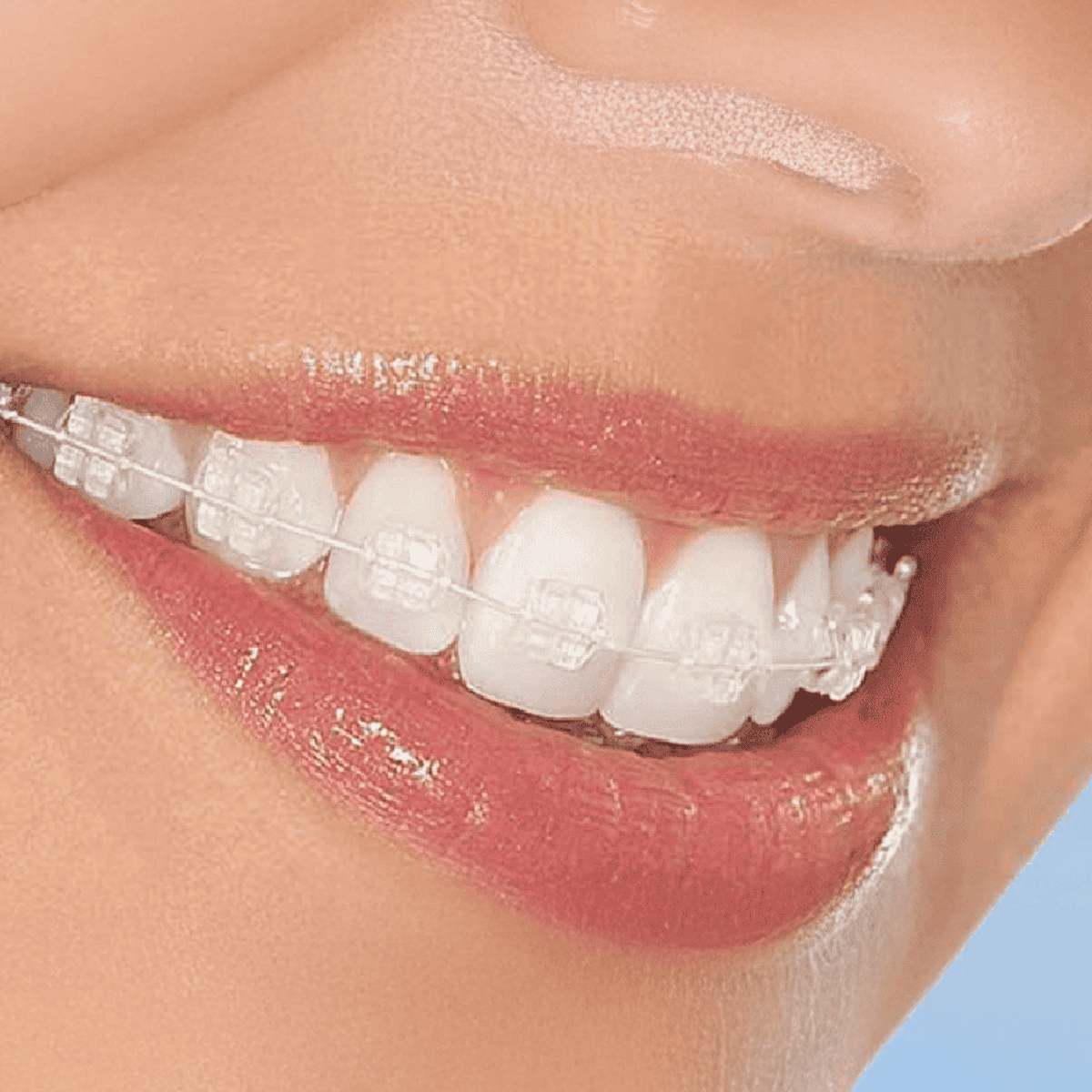
Ceramic Braces

Utilizing tooth-colored ceramic brackets paired with archwires to shift teeth. Offering high aesthetic appeal, this option is ideal for individuals who communicate frequently and value their appearance.

gdoc-image-12

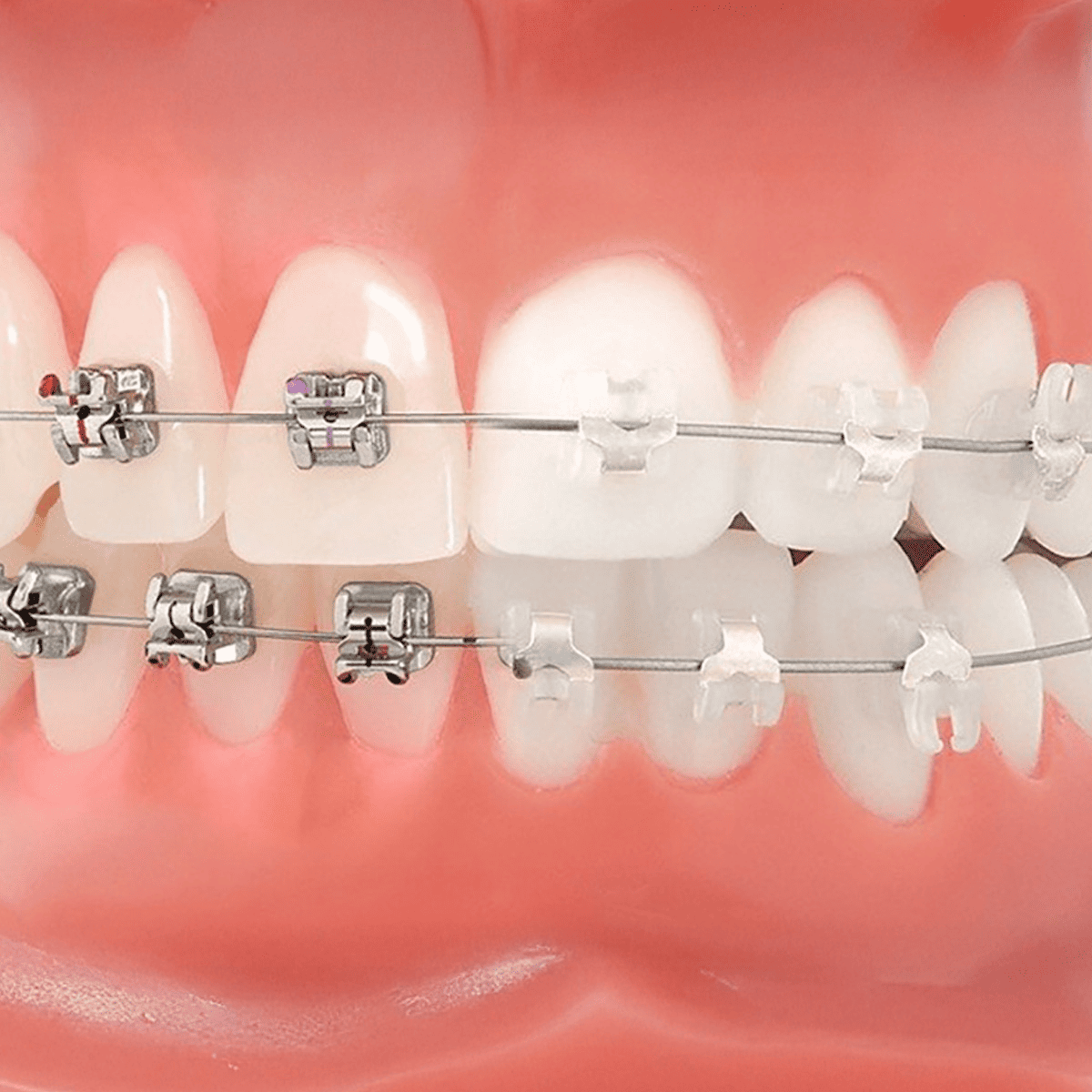
Self-Ligating Braces

Utilizing built-in clips or sliding mechanism to secure archwires instead of elastic bands. Generating consistent force, this method helps shorten treatment duration and offers greater convenience during oral hygiene.

The Key Benefits Of Braces

Braces do more than straighten teeth. They can also improve bite function, support better oral health, and enhance overall quality of life.

icon-benefit-sd-4

Improving Chewing Function

A proper bite ensures even distribution of chewing forces, efficiently grinding food and supporting healthy digestion.

icon-benefit-sd-5

Enhancing Facial Aesthetics

Better dental alignment and bite coordination can contribute to a more balanced facial appearance and a radiant smile.

icon-benefit-sd-1

Making oral hygiene effortless

Well-aligned teeth prevent food trapping, allowing the toothbrush to reach deeply for thorough plaque removal.

icon-rang

Minimizing the need for dental implants or prosthetics

Effectively closing missing tooth gaps without requiring dental implants or prosthetics, saving overall treatment costs.

icon-benefit-sd-2

Reducing Risk of Certain Dental Problems

Properly aligned teeth help prevent bacteria that cause tooth decay and periodontitis.

icon-database

Improving Speech Clarity

Correcting lisps and speech distortions to support clear, confident communication.

Are you experiencing any dental concerns or worried about the condition of your teeth?

Leave your name and phone number, and our dental specialists will call you back for a free consultation

Request a Free Callback

Who Is A Good Candidate For Braces?

icon-doi-tuong

Dental Conditions that may require traditional braces

  • Misaligned, crowded, or uneven teeth that affect appearance and make oral hygiene difficult.
  • Widely spaced teeth with large gaps that affect chewing and speech.
  • Pronounced overbites or underbites that affect bite alignment and facial structure.
  • Malocclusions, including deep bites, reverse bites, or crossbites, that affect chewing function and jaw development.
icon-khong-nen

Don't Let Crooked Teeth or Bite Problems Affect Your

Facial Aesthetics – Unappealing Smile

Misaligned teeth and bite issues disrupt facial symmetry, making smiles less attractive and causing self-consciousness during daily interactions.

Impaired Chewing and Oral Health

Malocclusion reduces chewing efficiency, placing extra strain on the digestive system and making daily oral hygiene difficult.

Risk of Temporomandibular Joint Disorder (TMJ)

Prolonged bite misalignment exerts excessive pressure on the TMJ, leading to jaw fatigue during mastication, difficulty opening the mouth, and chronic headaches.

Register for a consultation with Platinum Dental – Our orthodontic team can help your child work toward a confident, radiant smile

Get an estimate for orthodontic cost

Free consultation - Callback in 15 minutes

How Much Do Braces Cost?
Updated Price Guide

Orthodontic braces treatment at Platinum Dental Group ranges from 40,000,000 VND to 70,000,000 VND for both arches. Based on your specific dental condition, the dentist will design a personalized treatment plan and recommend the appropriate braces option.

BRACES PRICE LIST

Braces Treatment
Braces Treatment Cost
Metal Braces Orthodontic Treatment
40.000.000 - 60.000.000 (VND) (both arches) 2.222 - 3.333 (AUD) (both arches) 1.538 - 2.308 (USD) (both arches)
Ceramic Braces Orthodontic Treatment
50.000.000 - 70.000.000 (VND) (both arches) 2.778 - 3.889 (AUD) (both arches) 1.923 - 2.692 (USD) (both arches)

Platinum Dental Group
A Trusted Orthodontic
Braces Clinic In
Ho Chi Minh City

Platinum Dental is proud to be a premium dental chain, providing safe, aesthetic, and gentle braces solutions for every patient.

gdoc-image-7 2

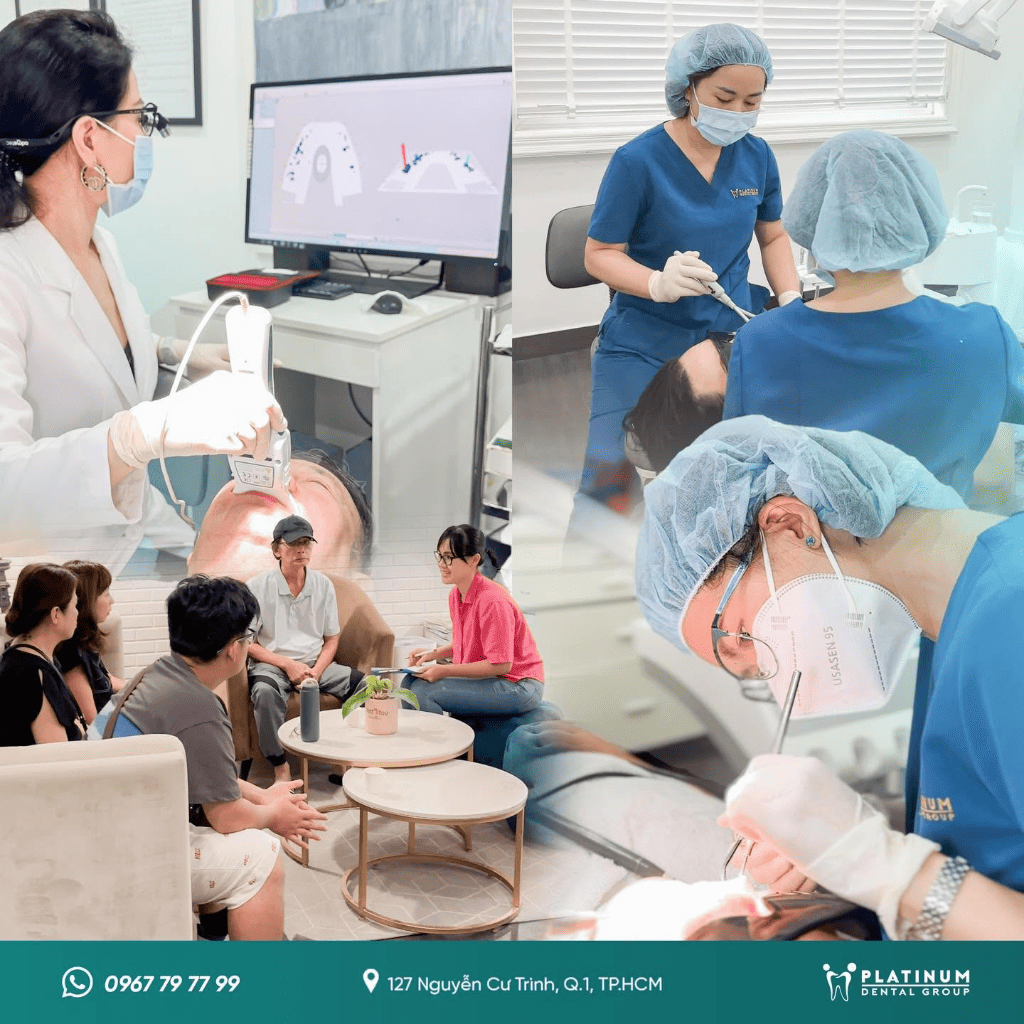
Advanced Diagnostic and Simulation Technology for Accurate Planning

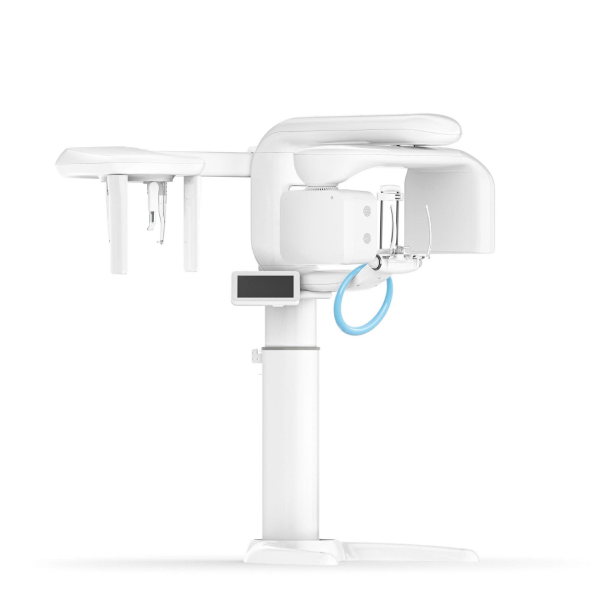
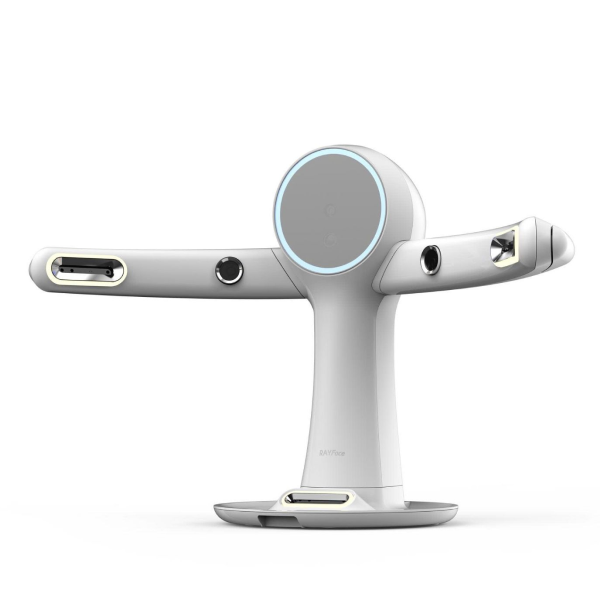
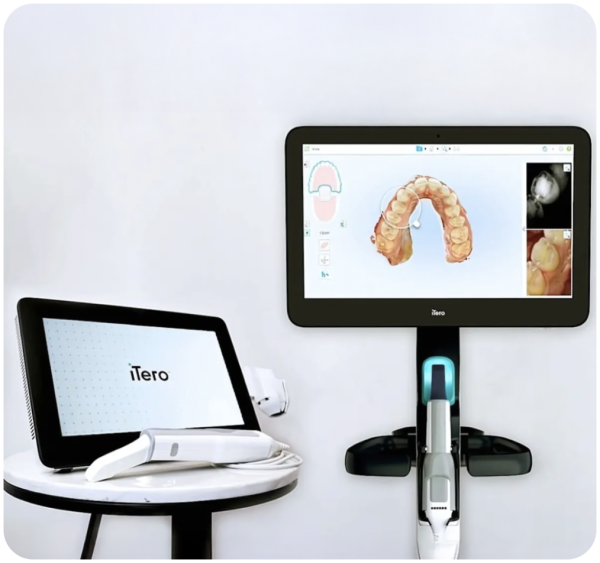
Utilizing advanced 3D Cone Beam CT imaging and intraoral scanners to build precise treatment plans and allow patients to preview their post-treatment results.

Expert Orthodontic Team with Extensive Experience

100% of braces cases are directly examined and treated by certified orthodontic specialists with extensive clinical experience, ensuring maximum safety and optimal results.

Personalized Orthodontic Plans for Comprehensive Aesthetics and Chewing Function

Our orthodontists have a deep understanding of jawbone structure, allowing precise control of traction forces and bite alignment. Each treatment plan is uniquely tailored to achieve a beautifully aligned smile and optimal chewing function.

A Medically Guided Braces Treatment Process

Our orthodontists conduct thorough clinical examinations, closely monitor tooth movement, and adjust treatment plans when needed. All orthodontic appliances meet strict sterilization standards to minimize infection risks.

Ongoing Support and Post-Treatment Follow-Up

Our doctors accompany you throughout treatment, track the retention phase, and instruct proper oral care for a lasting beautiful smile.

Our Commitment At Platinum Dental Group

Platinum Dental is committed to delivering quality orthodontic care through clinical expertise, advanced technology, and a meticulous, transparent approach.

Highly qualified orthodontists for accurate diagnosis

Modern software integration for optimal treatment planning

Continuous monitoring for proper bite alignment & healthy teeth

Transparent pricing, clear consultation, and full support

Specialized Orthodontists
Dedicated Consultation

Our orthodontists at Platinum Dental Group are highly trained, experienced, and dedicated. They evaluate your dental condition, advise suitable options, and build a treatment plan for optimal aesthetics and chewing function.

Dr. Phung Le Phuong Dung

Orthodontics, General dentistry, Pediatric dentistry

Medical Practice Certificate: 005764/KH-CCHN

Advanced Dental Technology For
More Precise And Effective
Orthodontic Treatment

icon-benefit-5

Accurately diagnose jawbone structure to create optimal treatment plans

icon-benefit-3

Minimize discomfort and sensitivity for seamless daily living and chewing

icon-equipment-v2-3

Optimize archwire tension to shorten treatment time and ensure lasting results

The Braces Treatment Process
At Platinum Dental

At Platinum Dental, braces treatment follows a structured, clinically guided process, helping achieve a straighter smile and better bite alignment.

01

Comprehensive Examination and X-Ray

Doctors conduct a comprehensive examination and take X-rays to gather jawbone data, identifying issues such as overbite, underbite, gaps, or misaligned bites.

02

Treatment Planning and Dental Impressions

A personalized orthodontic plan is created, detailing tooth movement and follow-up schedules. Dental impressions are then taken to prepare precise appliances.

03

Bracket Placement

The doctor securely attaches brackets to tooth surfaces, inserts the archwire, and applies gentle initial force while ensuring durability.

04

Regular Follow-Ups and Orthodontic Adjustments

Patients return for periodic check-ups as scheduled so the doctor can monitor movement speed, tighten archwires, change elastics, and promptly adjust traction forces according to the plan.

05

Braces Removal and Retainer Wear

Once teeth are properly aligned and the bite is correct, the doctor removes the brackets, provides retainers, and instructs patients on how to wear them for long-lasting results.

How Long Does Braces Treatment Take?

Average braces treatment lasts 18 to 24 months (1.5 to 2 years) for common cases. For more complex cases such as severe overbites, underbites, or heavy crowding requiring extractions, treatment can take 2 to 3 years.

Patient Testimonials For Braces Treatment
At Platinum Dental

Patient satisfaction and radiant smiles are the clearest proof of Platinum Dental Group’s medical-grade service quality.

gdoc-image-23

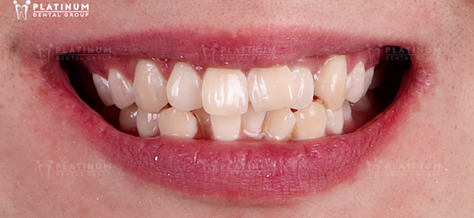
Ms. Tran Nha Truc, 34
gdoc-image-18
BEFORE TREATMENT
gdoc-image-19
AFTER TREATMENT
"I chose ceramic braces at Platinum for better aesthetics. The doctor monitored me closely at every stage and resolved any issues quickly. The results exceeded my expectations, my teeth are evenly aligned and eating is much more comfortable than before."
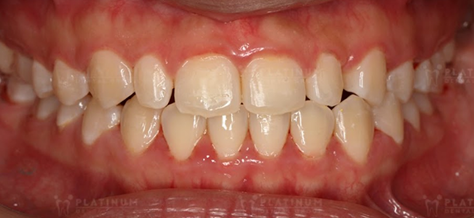
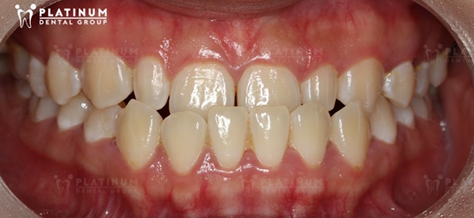
Ms. Duong Thi My, 28

gdoc-image-22
BEFORE TREATMENT
gdoc-image-24
AFTER TREATMENT
"I chose ceramic braces at Platinum to ensure aesthetics. The doctor closely monitored every stage of my treatment and resolved issues quickly. The results exceeded my expectations, with straight teeth and much easier eating than before."

High Media Praise
For Braces Services
At Platinum Dental

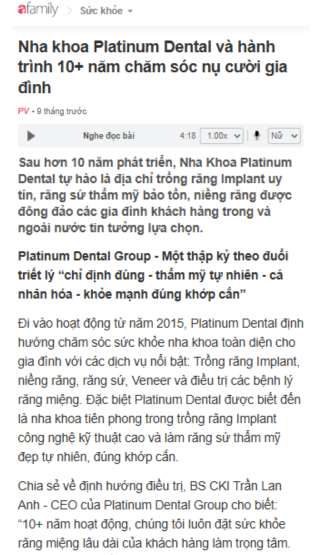
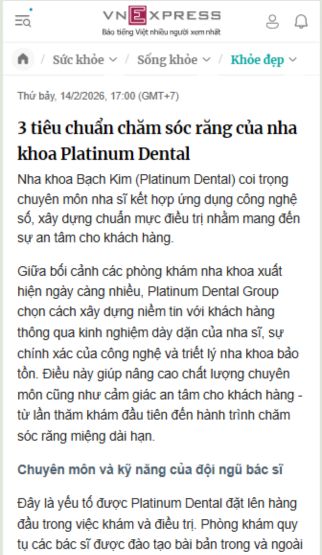
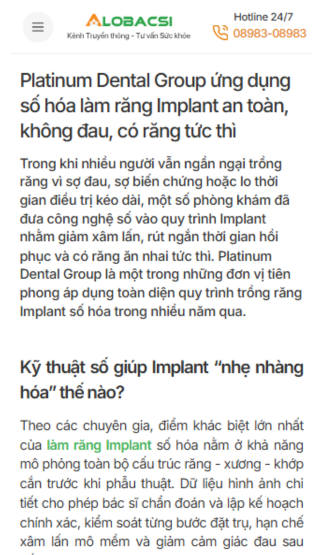
Platinum Dental is honored to be highly praised by reputable press and media outlets for effective treatment quality. This is clear proof of our dental team's professional expertise and dedication.

Important Notes For
Orthodontic Braces Treatment

To ensure a safe braces treatment process, achieve optimal results, and shorten treatment duration, please consider the following preparation requirements and post-treatment dental care guidelines:

01

Before Getting Braces

  • Fully discuss health status: Inform medical history, current medications, and metal allergies so the doctor can advise suitable options.
  • Treat oral health conditions: Address tooth decay, gingivitis, periodontitis, or other dental issues before starting orthodontic care.
  • Determine goals, budget, and schedule: Discuss aesthetic expectations, financial capacity, and proactively arrange time for regular follow up visits.
02

After Getting Braces

  • Pay attention to diet: Prioritize soft, easy to chew foods and limit hard, chewy, or sticky foods to avoid loose brackets or bent archwires.
  • Maintain thorough oral hygiene: Brush teeth 2 to 3 times daily with a soft toothbrush, combined with interdental brushes, dental floss, and a water flosser to clean around appliances.
  • Adhere to follow up schedules: Visit the clinic on time, notify the doctor if brackets come loose or wires poke, and wear retainers as directed after braces removal.

Get FREE Consultation
From Platinum Dental Group

Send us your dental condition or concerns today. Our team of dentists with over 20 years of experience at Platinum Dental Group will directly assist you and create a suitable treatment plan.

  • Free consultation, 100% confidential records guaranteed.
  • English and French-speaking dentists, supporting overseas Vietnamese and international clients.

Which service are you interested in?

Free consultation – Callback within 15 minutes

Frequently Asked Questions About Braces

1. What Should I Do If a Bracket or Archwire Comes Loose During Treatment?

This is a common situation during braces treatment. If a bracket comes loose without causing pain or interfering with eating, keep it in place and contact the clinic to schedule a repair appointment as soon as possible. If a loose or poking archwire causes irritation to your cheeks or gums, apply orthodontic wax to cover the sharp end or gently push the wire back using a clean cotton swab. Do not attempt to cut the wire or reattach brackets yourself at home, as this can alter traction forces and affect treatment progress.

2. Do braces change your facial shape?

Yes, but the degree of change depends on each individual case. Braces align teeth and adjust the bite, which often creates a more balanced face and a better side profile. For patients with overbites or underbites, facial appearance can improve noticeably once teeth and jaws reach their ideal position. Braces do not cause permanent sunken cheeks or facial collapse as many people fear. Mild cheek hollowing, if any, is usually temporary during the initial phase when adjusting to chewing with appliances.

3. When are minivis screws required?

Orthodontic mini-screws (minivis) are used when a stable anchorage point is needed to move teeth more quickly or achieve better control of orthodontic forces, particularly in complex cases such as severe protruding teeth, underbites, deep bites, and open bites. Not all orthodontic cases require mini-screws. The orthodontist will determine whether they are necessary based on each patient's dental and jawbone condition. Mini-screw placement is a quick procedure that causes minimal discomfort, and the screws can be removed once the relevant stage of treatment is complete.

4. Does orthodontic braces treatment cause damage to teeth?

If braces are applied with proper technique by a specialist orthodontist, the risk of tooth damage is very low. However, in rare cases, applying excessive force or poor oral care can lead to mild root resorption, gum recession, or tooth decay caused by plaque buildup around brackets. To minimize these risks, you should keep scheduled follow up appointments for proper force adjustments and maintain excellent oral hygiene throughout treatment.

5. Are Braces Painful?

Braces may cause mild soreness, tightness, or slight discomfort for a few days after initial placement or force adjustments. The degree of discomfort depends on individual sensitivity and usually decreases as your teeth and mouth adapt to appliances. Certain stages such as tooth separation, tooth extractions for space creation, or periodic wire tightening can also cause similar sensations. Doctors will calibrate pulling forces appropriately to manage discomfort throughout treatment.

6. Which is better, traditional or self ligating metal braces?

Both traditional and self ligating metal braces can correct various dental conditions, but they differ in archwire retention mechanisms, follow up schedules, cleaning convenience, and cost. Traditional braces use elastic bands to secure the archwire and are more affordable, whereas self ligating metal braces feature a built in clip mechanism that eliminates the need for elastics, making cleaning easier and potentially reducing the number of clinic visits. Your doctor will evaluate your tooth condition, aesthetic goals, treatment timeline, and financial budget to recommend the most suitable option for you.

Braces treatment is an orthodontic solution that improves tooth position and alignment based on each specific condition. To achieve stable results, patients should choose a dental clinic with highly qualified doctors who provide thorough examinations and close monitoring throughout the process. If you have any questions, please contact Platinum Dental to receive detailed answers from our doctors and advice on a suitable treatment plan for your teeth.

Related Posts

icon-zalo Zalo icon-whatsapp WhatsApp icon-map Map icon-hotline Hotline icon-get-offer View Offers
icon-booking Booking Now

BOOK AN APPOINTMENT
WITH THE DOCTOR NOW!

*We only use your information to support consulting and commit to absolute confidentiality.

Popup – en