
10 Common Dental Implant Side Effects & How To Prevent
Understanding potential dental implant side effects helps distinguish physiological healing responses from severe clinical complications. Typical early reactions include localized soreness, minor gingival edema, mild tissue ecchymosis, and temporary masticatory stiffness, which routinely resolve within 7 to 14 days. More serious complications that can occasionally develop include peri-implant mucositis, progressive peri-implantitis, inferior alveolar nerve paresthesia, Schneiderian membrane perforation, and loss of osseointegration. Thorough 3D CBCT presurgical planning, meticulous peri-implant hygiene, and timely postoperative evaluations effectively minimize these biological risks to ensure lasting restorative success.
Reviewing potential dental implant side effects is essential before committing to permanent tooth restoration. While implant placement is a minor surgical procedure with distinct healing phases, distinguishing normal reactions from complications protects oral health. Read on to explore typical postoperative symptoms, underlying risk factors, and proactive protocols that ensure lasting success.
1. What are dental implants and are they safe?
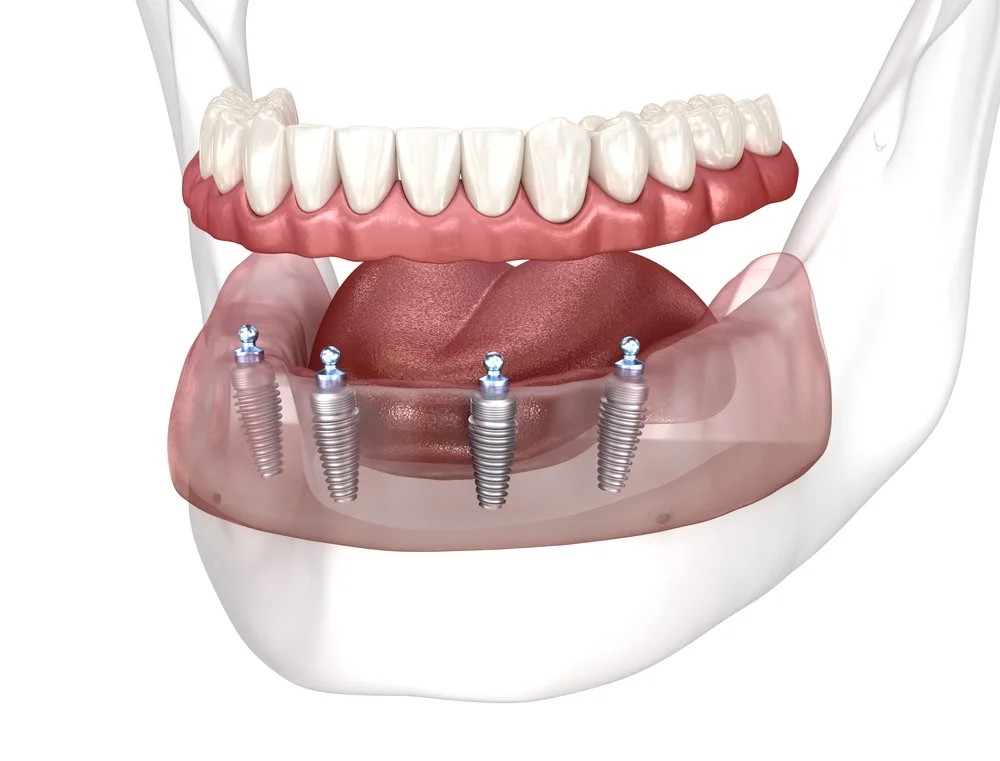
Dental implants serve as biocompatible artificial tooth roots surgically anchored into the jawbone to support lifelike dental prostheses. The complete restoration functions through three primary components: the titanium fixture, the transmucosal abutment, and the customized ceramic crown. Together, these precision parts recreate natural chewing biomechanics while preserving surrounding facial bone architecture.
When evaluating whether dental implants are safe, extensive clinical evidence confirms documented success rates between 93% and 98% (1). The surrounding alveolar bone fuses directly to the biocompatible titanium surface through a biological process called osseointegration. Nevertheless, surgical placement involves localized physiological healing, making it vital to understand the foundational criteria influencing long-term outcomes.
While modern implant dentistry delivers exceptional predictability, procedural complications can occasionally arise. The long-term safety and biological stability of your restoration depend on several critical clinical factors:
- Health history and medical conditions: Conditions like uncontrolled diabetes can slow tissue healing and raise infection risks. Managing your overall health beforehand ensures smooth recovery and long-term implant success.
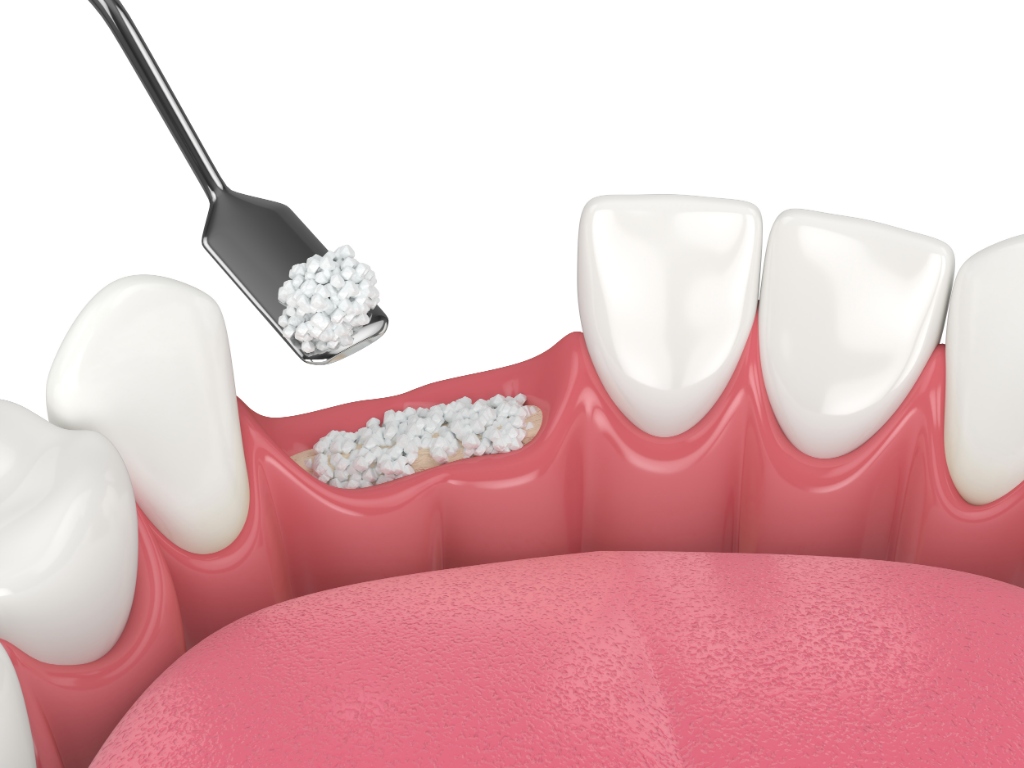
- Bone density and gum health: Adequate jawbone density and healthy gums are essential to keep the implant firmly anchored. If bone is lacking, a simple bone graft rebuilds the necessary foundation.
- Dentist’s experience and surgical technology: An experienced surgeon using 3D imaging and guided navigation places implants with pinpoint precision. This advanced approach minimizes tissue trauma, speeds up recovery, and prevents complications.
- Material safety and biocompatibility: High-quality medical titanium and zirconia naturally bond with your jawbone without causing irritation. These biocompatible materials ensure your new tooth remains sturdy, safe, and durable for life.
2. Why you need to know about dental implant side effects
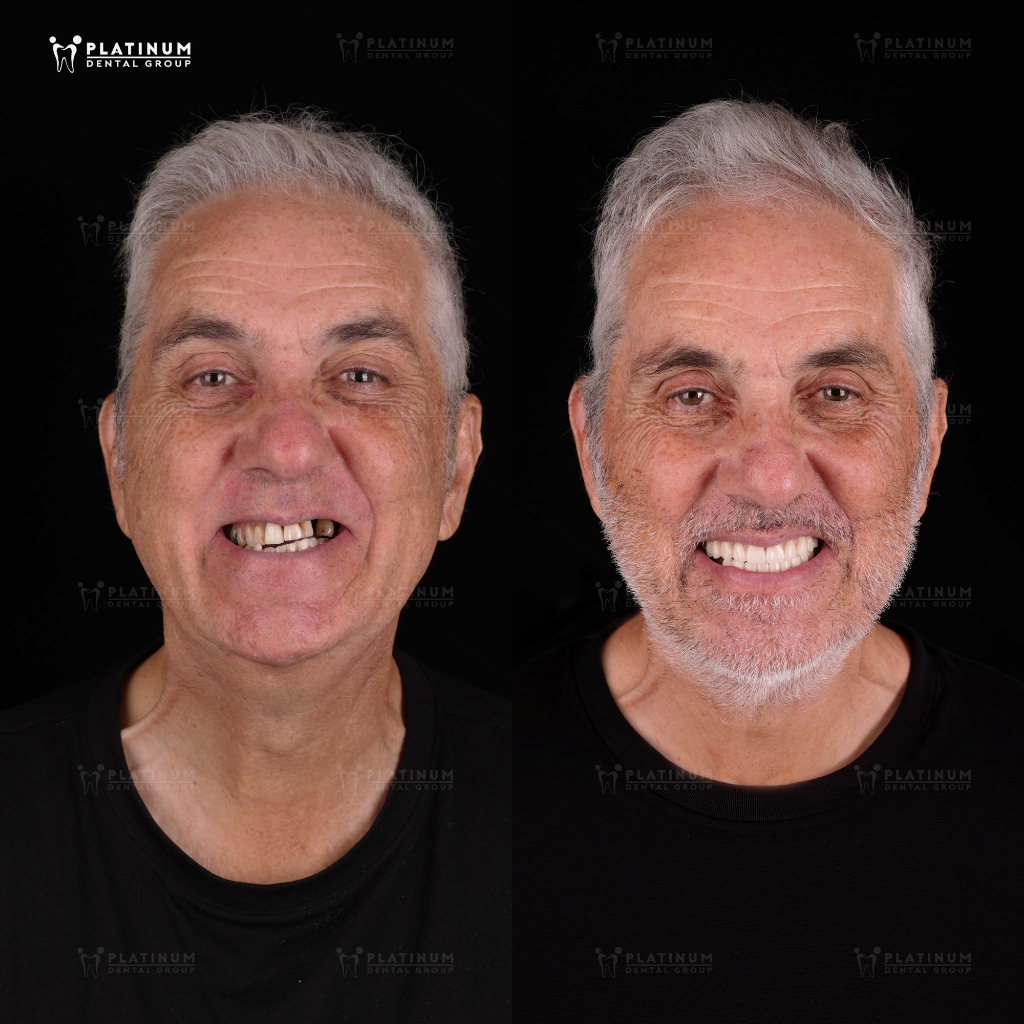
Learning about potential implant complications helps you set realistic recovery expectations and protect your oral health. Recognizing the difference between normal healing reactions and early warning signs enables timely clinical care before minor postoperative issues escalate into implant failure.
3. Common dental implant side effects and risks explained
Dental implant side effects range from temporary postoperative symptoms like minor swelling to less common complications that threaten long-term stability. Understanding these typical reactions and potential risks ensures a smoother, more confident recovery process.
3.1. Normal & temporary post-surgical side effects
Mild physiological symptoms are completely expected after implant placement as surrounding soft tissues heal. Most reactions subside within several days to two weeks, depending on surgical complexity and individual healing capacity.
Bleeding
Minor oozing and pink-tinged saliva are normal during the first 24 to 48 hours following surgery. Tiny capillaries naturally seal themselves while forming stable protective blood clots over the surgical site. If active bleeding becomes continuous, heavy, or bright red despite applying steady gauze pressure, contact your surgeon promptly.
Bruising and gum tenderness
Surgical site manipulation triggers an inflammatory healing cascade, causing localized soreness and swelling that peak around 48 to 72 hours postoperatively. Mild facial ecchymosis or skin discoloration may appear along the jawline before fading naturally over 7 to 10 days. As soft tissues consolidate, gingival tenderness and facial puffiness steadily resolve without lingering discomfort.
Speech or chewing difficulties
Localized jaw muscle stiffness, tissue edema, and site sensitivity can temporarily restrict mouth opening and comfortable chewing. In addition, temporary healing abutments subtly alter tongue resting posture, briefly impacting clear phonetic pronunciation. These minor functional limitations resolve spontaneously as tissue inflammation subsides and oral musculature adapts to the restoration.

3.2. Potential surgical complications & long-term risks
Although dental implants maintain high clinical success rates, complications can develop during early healing or years after placement. Identifying these potential risks early allows for prompt clinical intervention and preserves long-term implant stability.
Infection and peri-implantitis
Bacterial buildup around the implant fixture initially causes reversible gum inflammation termed peri-implant mucositis. Left untreated, bacteria penetrate deeper, developing into peri-implantitis that actively destroys underlying supporting jawbone. Typical warning signs include persistent redness, bleeding during brushing, localized throbbing, and pus discharge around the implant neck.
Nerve or tissue damage
Placing lower jaw fixtures too close to the mandibular canal can compress or traumatize the inferior alveolar nerve. This complication causes neurosensory changes such as persistent numbness, sharp tingling, or burning sensations across the lower lip and chin. While mild mechanical irritation resolves within several weeks, severe nerve injury may result in permanent sensory loss.
Sinus complications
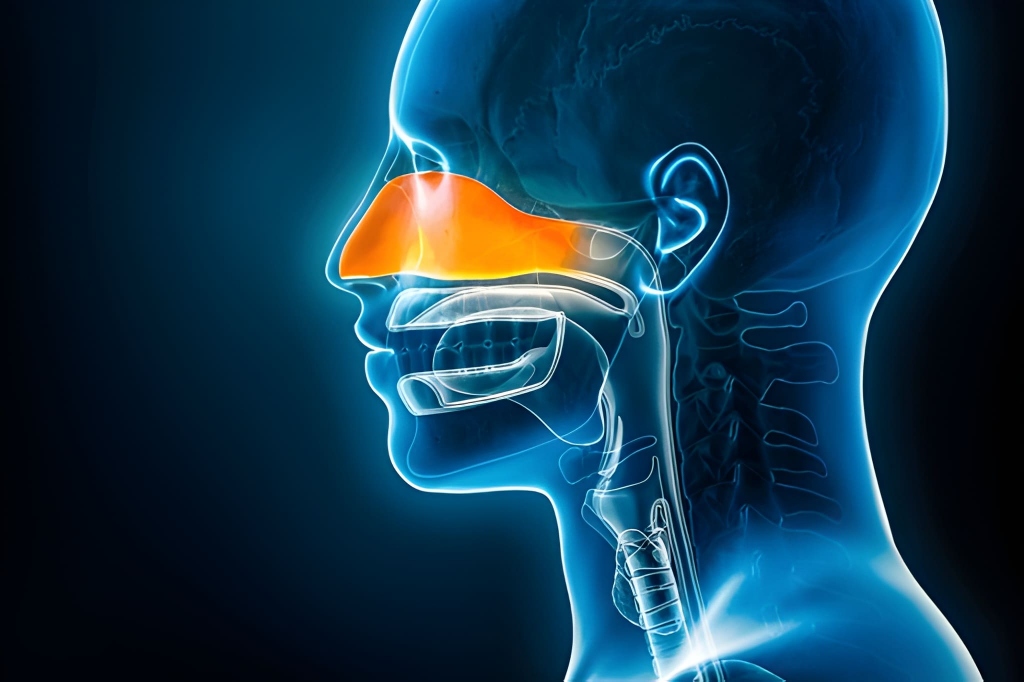
Placing implants in the upper back jaw carries a risk of puncturing the delicate Schneiderian sinus membrane if vertical bone is deficient. An unsealed sinus perforation allows oral bacteria into the maxillary sinus, triggering chronic congestion, headaches, and recurring sinus infections. Thorough preoperative 3D CBCT imaging and proactive sinus lifts prevent this anatomical complication.
Bone loss around dental implants
Uncontrolled bacterial inflammation and excessive bite pressure can trigger progressive bone loss around the implant collar. As surrounding bone recedes, exposed fixture threads trap more plaque, accelerating tissue destruction. Routine periodontal maintenance cleanings and precise occlusal bite adjustments protect marginal bone levels from deteriorating.
Allergic or material reactions
Although titanium is highly biocompatible, hypersensitivity reactions to trace metals in alloys can rarely occur. Symptoms manifest as localized mucosal inflammation, redness, persistent tissue soreness, or aseptic implant loosening. For individuals with documented metal sensitivities, metal-free zirconia ceramic implants provide a safe, fully bio-inert alternative.
Cracked dental implants
Heavy biting forces, chronic teeth grinding, or improper alignment can cause mechanical fatigue across implant parts. While minor ceramic chipping on the crown can be polished or resurfaced, a cracked fixture or fractured screw requires surgical removal. Wearing a custom nightguard and balancing bite forces prevent structural component fractures.
Osseointegration failure
Early failure happens when native jawbone cells fail to fuse securely to the titanium surface during initial healing. Insufficient bone density, early micromovement, poor initial stability, or unmanaged systemic conditions typically prevent direct bone attachment. When biological bonding fails, the mobile implant must be removed, allowing the jawbone to heal before planning a revision procedure.
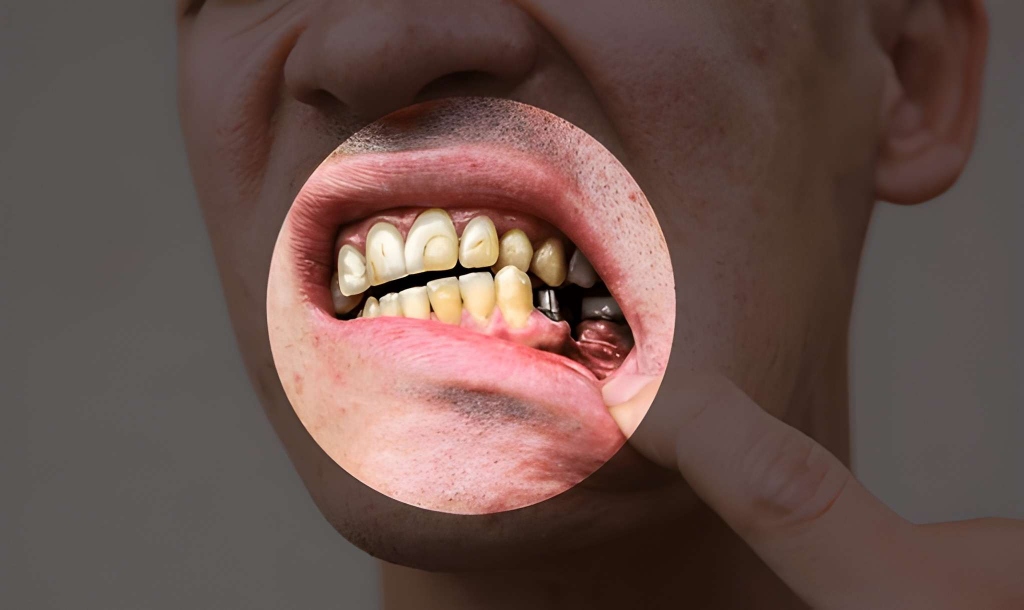
4. Key factors that increase dental implants side effects
Several physiological, systemic, and lifestyle variables directly influence how successfully oral tissues heal around surgical fixtures. Understanding these critical risk factors helps patients take proactive measures to prevent complications and secure lasting restoration success.
- Smoking or tobacco use: Nicotine constricts blood vessels, slowing tissue healing and raising infection risks. Tobacco toxins also prevent bone cells from bonding with the implant, significantly increasing failure rates.
- Uncontrolled blood sugar: High glucose levels weaken immune defenses and impair normal bone healing. Keeping blood sugar stable before and after surgery ensures the implant fuses firmly into the jawbone.
- Medication-related risks: Bone medications like bisphosphonates can delay bone recovery, while immunosuppressants raise infection susceptibility. Blood thinners also complicate bleeding control during and after the procedure.
- Poor oral hygiene: Inadequate brushing and flossing allow bacteria to accumulate around the implant collar. Over time, bacterial plaque triggers gum inflammation and bone loss, eventually causing the implant to loosen.
- Insufficient bone density: Thin or porous jawbone cannot hold the implant tightly during initial healing. Early movement prevents direct bone attachment, making preliminary bone grafting necessary for long-term stability.
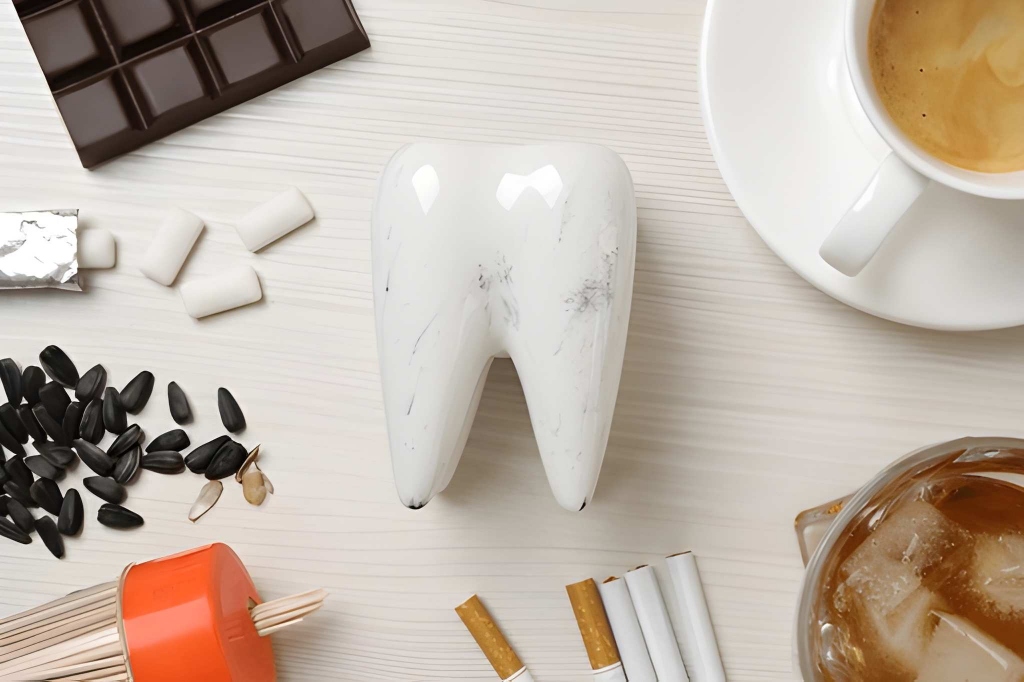
5. How to handle immediate complications after dental implant surgery
Managing immediate post-surgical reactions involves controlling bleeding with gauze, soothing swelling with cold compresses, and avoiding disruptive mouth habits. Follow these essential clinical steps to stabilize the surgical area and promote smooth, uncomplicated healing:
- Bite down a clean piece of gauze: Place a clean, damp gauze pad directly over the surgical wound and apply firm, steady bite pressure. Keep continuous pressure for 30 to 45 minutes without shifting the pad to help a stable blood clot form. Replace the gauze only if active bleeding continues to soak completely through the pad.
- Apply an ice pack or cold compress: Hold an ice pack wrapped in a cloth against your cheek adjacent to the surgical site. Apply the cold compress in 15- to 20-minute intervals throughout the first 48 hours to constrict blood vessels and control facial swelling. Removing the compress between applications prevents unnecessary skin irritation while keeping post-surgical puffiness to a minimum.
- Avoid using a straw or rinsing forcefully: Do not use drinking straws, spit forcefully, or rinse your mouth aggressively during early recovery. Suction and sudden pressure changes inside the mouth can dislodge the fragile protective blood clot. Premature clot loss exposes the delicate healing bone, triggering renewed bleeding and raising the risk of infection.
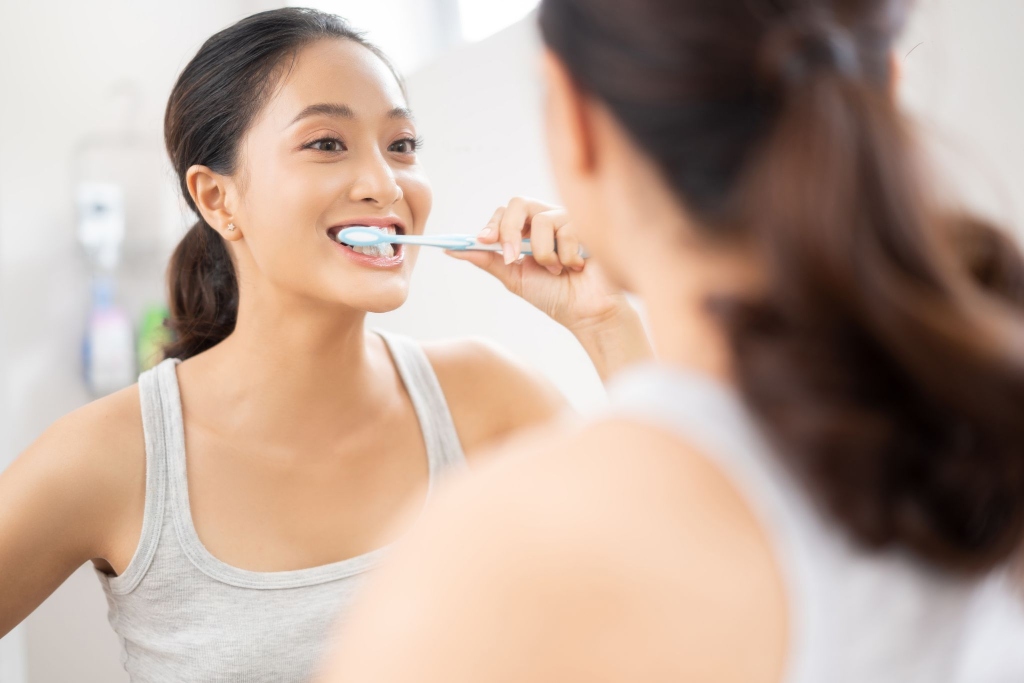
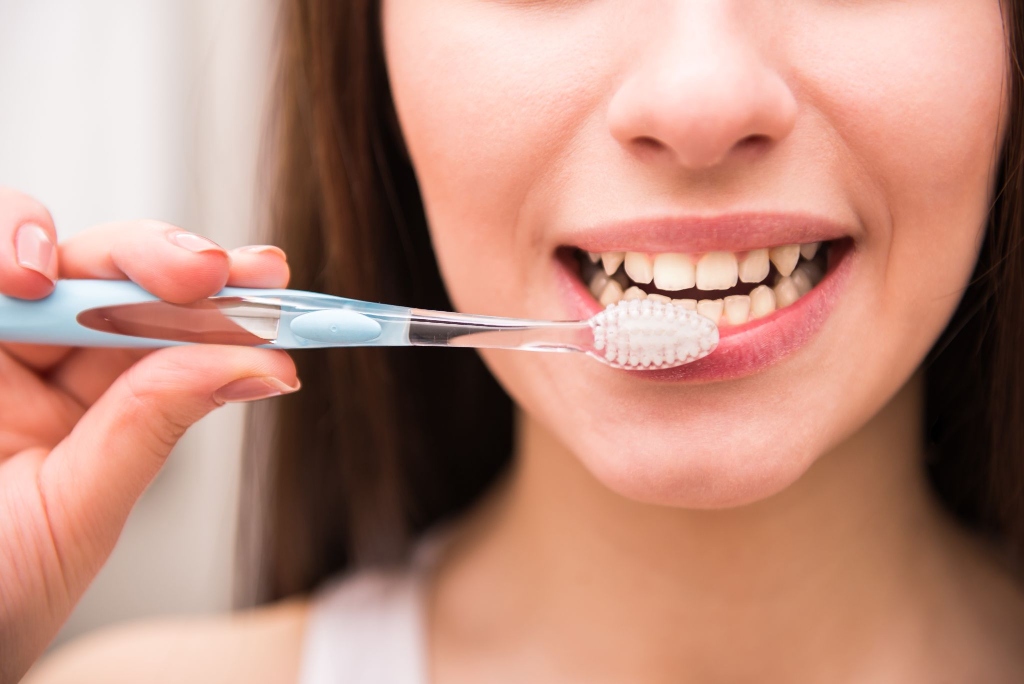
- Maintain gentle oral hygiene: Brush your remaining natural teeth gently with an ultra-soft toothbrush, steering clear of the fresh suture line. Starting 24 hours after surgery, rinse gently with warm saltwater or a prescribed antimicrobial mouthwash after meals. Keeping your mouth clean removes food debris without causing mechanical friction against the healing gum tissue.
- Eat soft, nutrient-rich foods: Choose smooth, easy-to-chew foods such as lukewarm soups, yogurt, scrambled eggs, and mashed potatoes. Chew exclusively on the opposite side of your mouth to shield the implant fixture from micro-movements. Consuming adequate protein and essential vitamins accelerates soft tissue repair and strengthens immune defenses.
- Rest and elevate your head: Prop your head up with an extra pillow while resting or sleeping to lower vascular pressure around your jaw. Avoid strenuous exercise, heavy lifting, and bending over during the first few days after surgery. Keeping physical exertion to a minimum prevents sudden throbbing, elevated blood pressure, and secondary bleeding.
| Note: While these first-aid steps provide vital early relief, they do not replace formal clinical oversight. Following initial home management, you must return to your dental clinic for a comprehensive post-operative examination. This allows your dental surgeon to evaluate soft tissue healing, assess early osseointegration, adjust medications if needed, and safely guide your remaining treatment phases. |
6. How to manage and reduce dental implant risks
Minimizing implant complications requires a clear preventive strategy before and after your procedure. Partnering with a skilled surgeon, preparing your jawbone, and maintaining diligent aftercare ensure your new teeth integrate smoothly and stay stable for life.
6.1. Before treatment
Proper preparation creates an ideal biological environment for bone healing and drastically reduces intraoperative complications.
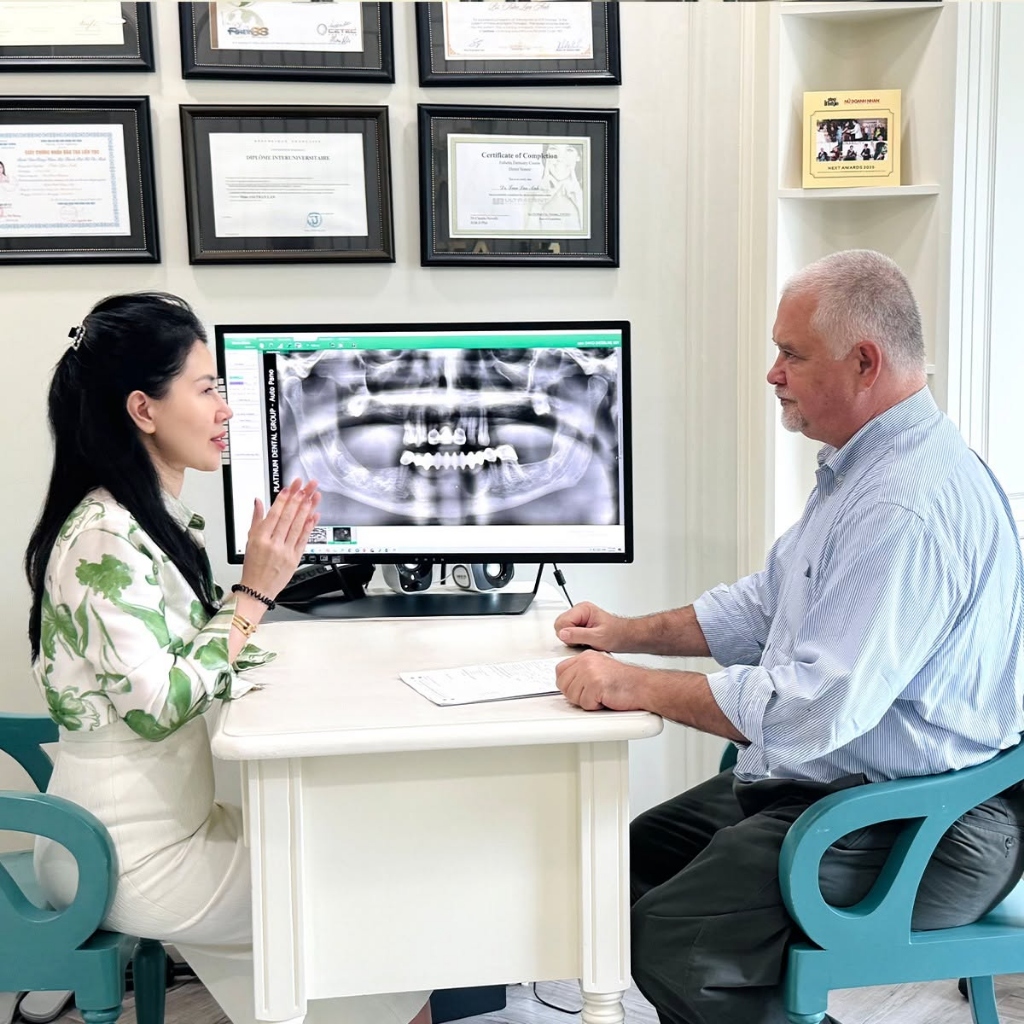
- Undergo a comprehensive medical evaluation and 3D digital CBCT scan to map anatomical nerve pathways, evaluate bone volume, and precisely plan fixture placement.
- Resolve active periodontal infections, stabilize chronic health conditions like diabetes, and complete necessary preparatory bone grafts or sinus lifts to build structural bone support.
- Evaluate the clinician’s surgical credentials, guided placement technology, sterilization standards, and emergency protocols for handling unexpected surgical complications.
- Disclose all ongoing prescription drugs, including anticoagulants or bone-modifying medications, to adjust surgical windows and prevent abnormal bleeding or compromised healing.
- Cease tobacco use at least two to three weeks prior to surgery to restore optimal peripheral blood circulation and cellular tissue regeneration.
- Consume an immune-supporting, nutrient-dense diet rich in lean proteins, calcium, and vitamin D to prime bone biology for initial healing.
6.2. After treatment
Diligent post-operative care protects the fresh surgical site, supports rigid osseointegration, and safeguards the surrounding peri-implant tissues.
- Follow all prescribed post-operative care instructions, taking directed antibiotic or analgesic regimens on schedule to prevent bacterial invasion and manage discomfort.
- Maintain gentle oral hygiene by avoiding direct contact with surgical sutures for 24 hours, transitioning afterward to warm saltwater or antimicrobial chlorhexidine rinses.
- Follow a soft-food diet consisting of lukewarm soups, yogurts, and pureed meals for the recommended timeframe, chewing exclusively away from the surgical area.
- Avoid smoking and alcohol consumption during recovery to protect delicate vascularization and prevent toxic interference with early osseointegration.
- Wear a custom occlusal nightguard if diagnosed with bruxism to shield the unyielding implant from destructive nocturnal biting forces.
- Attend scheduled clinical follow-up evaluations and routine professional cleanings every three to six months to detect early signs of peri-implantitis or bone loss.
7. Safe and precise dental implant care at Platinum Dental Group
Choosing a highly qualified clinical team directly addresses concerns regarding the safety of dental implants while ensuring predictable, long-lasting functional and aesthetic restoration.
Established in 2015, Platinum Dental Group stands out as a premier high-tech dental center in Ho Chi Minh City, combining multidisciplinary surgical mastery with advanced digital workflows. Scheduling an individualized clinical evaluation allows our senior specialists to evaluate your unique anatomical candidacy and structure a safe, personalized treatment pathway.
- Experienced implant dentistry specialists: Surgical treatments are led by MSc. Dr. Duong Minh Tung (DDS Specialist Level II in Maxillofacial Surgery), Vice Head of the Oral & Maxillofacial Surgery Department at Ho Chi Minh City Odonto-Stomatology Hospital, bringing nearly 19 years of clinical expertise. His specialized background in maxillofacial reconstructive surgery ensures precision when handling severe bone atrophy, complex sinus augmentations, and full-arch All-on-4 or All-on-6 reconstructions.
- Personalized, precise, and evidence-based workflow: Every treatment plan is formulated around ConeBeam CT RAY STUDIO FOV 20×20, residual bone density, and real-time occlusal analysis to ensure conservative, minimally invasive interventions. Eligible patients receive immediate provisional restorations within 2 to 3 hours post-surgery to maintain aesthetics and comfortable mastication throughout healing.
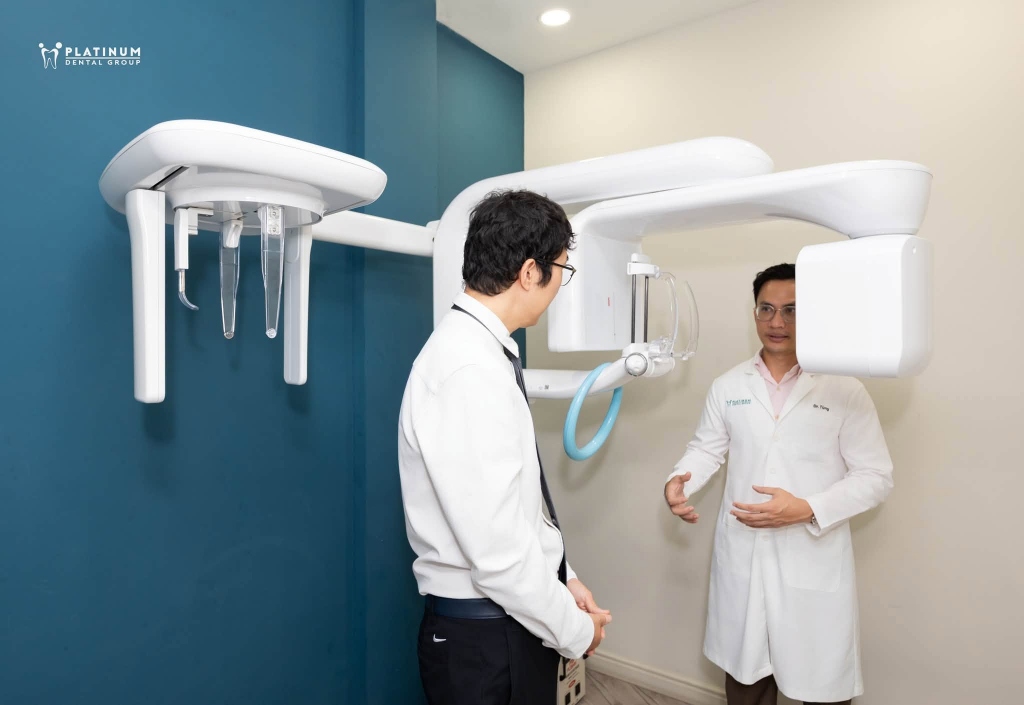
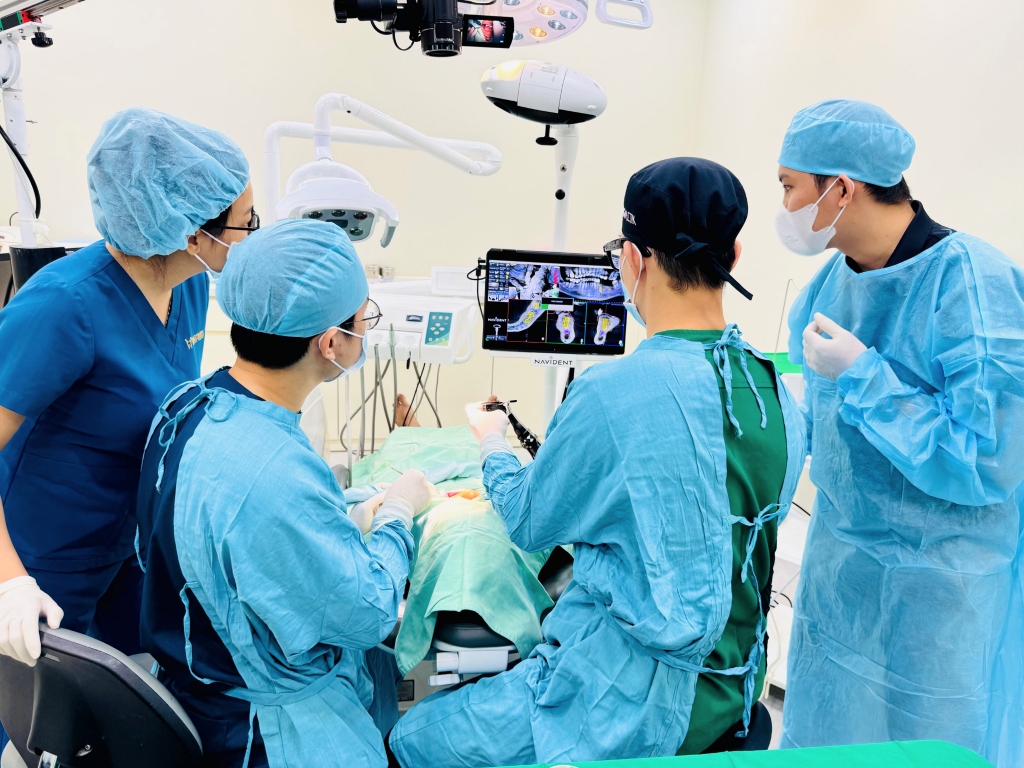
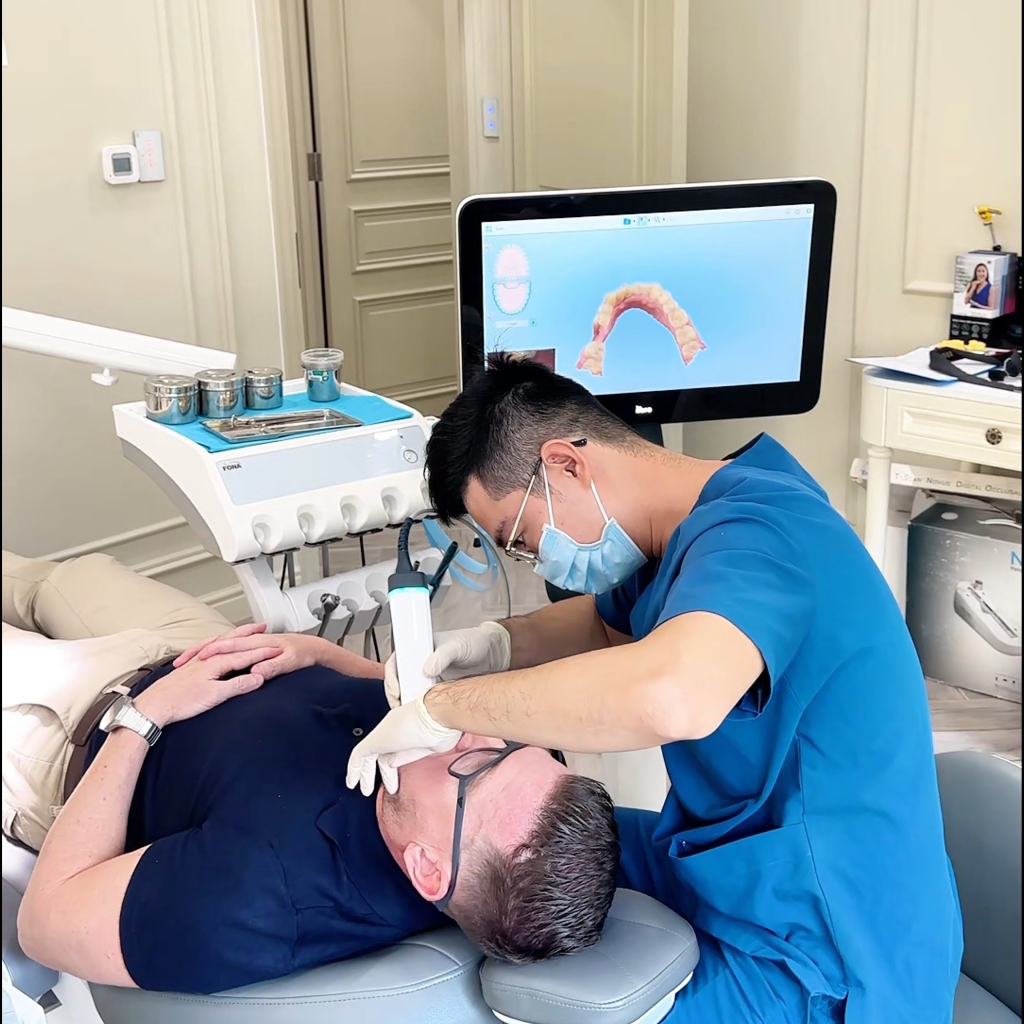
- Advanced technology and premium certified materials: The clinic utilizes premium FDA- and CE-certified implant systems treated with DIO UV Active photofunctionalization to eliminate organic impurities and accelerate osseointegration. The Navident dynamic navigation system and iTero 5D Plus / PIC digital impression scanners guarantee sub-millimeter placement accuracy and a passive prosthetic fit.
- Transparent treatment, pricing and long-term warranty policy: Treatment costs are quoted comprehensively upfront with zero hidden charges, backed by genuine manufacturer warranties of 5 to 10 years. We support 0% installment conversions via banking apps and provide itemized bilingual invoices (English – Vietnamese) for straightforward private health insurance claims.
- Comfortable, pain-minimizing, and private experience: Procedures take place in hospital-grade operating rooms under strict sterilization standards, utilizing modern computer-assisted local anesthesia to minimize pain and swelling. Our fluent English-speaking team provides continuous post-operative guidance, dietary recommendations, and 24/7 recovery monitoring for total patient reassurance.
Contact Platinum Dental Group today via Hotline or WhatsApp at 096 779 7799 to book your comprehensive clinical evaluation and receive an itemized treatment estimate tailored to your individual oral health needs.
| Platinum Dental Group 📍 Platinum Dental Group Central – 127 Nguyen Cu Trinh Street, Nguyen Cu Trinh Ward, District 1, Ho Chi Minh City 📍 Platinum Dental Group Thao Dien – 1H Street No. 10, An Khanh Ward (Thao Dien area), Thu Duc City, Ho Chi Minh City ✉️ Email: info@platinumdentalvietnam.com 🌐 Website: https://platinumdentalvietnam.com 💬 Instagram: https://www.instagram.com/platinumdental.vietnam 🔗 Facebook: https://www.facebook.com/platinumdentalvn 📞 Hotline: 096 779 7799 |
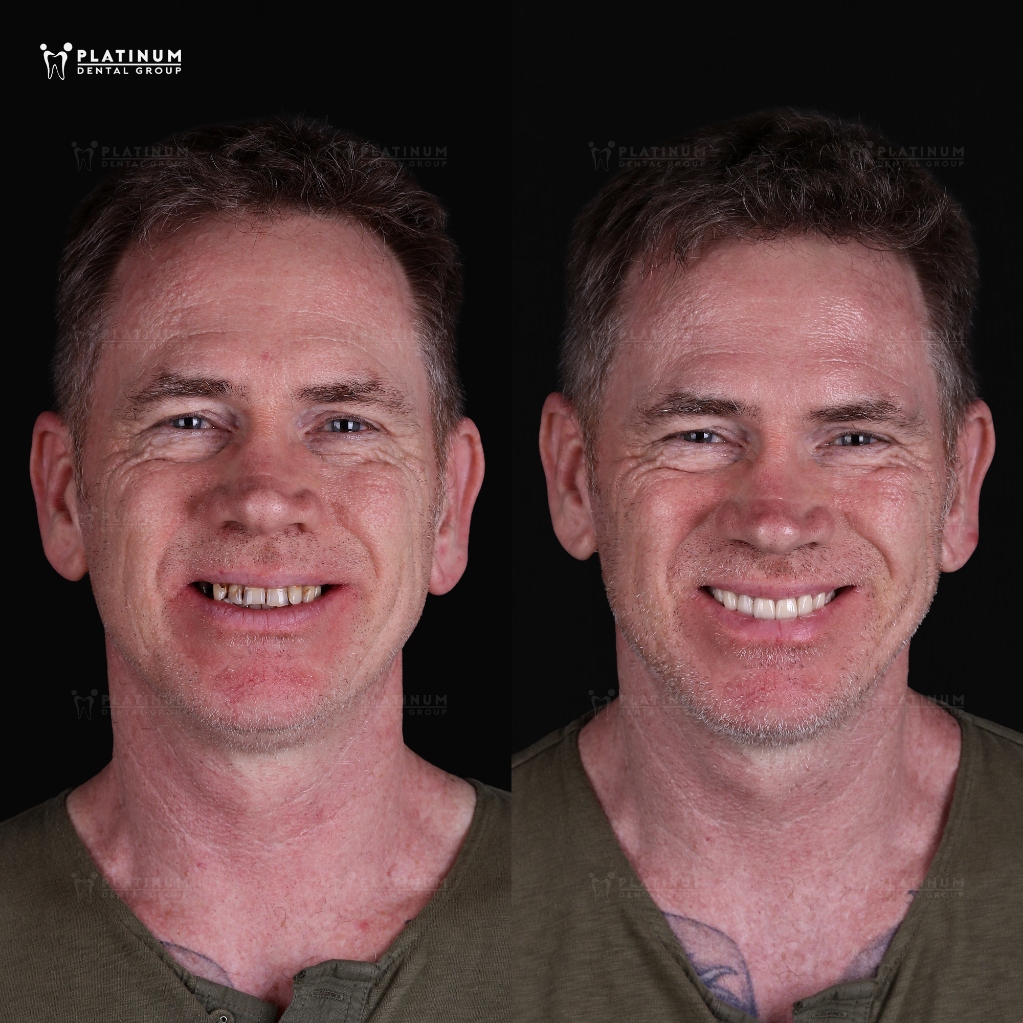
Understanding dental implants side effects helps you make informed decisions about tooth replacement and prepare for recovery. Although dental implants have high success rates, recognizing warning signs, addressing individual risk factors, and following proper aftercare can reduce complications and support long-term implant stability. Consult Platinum Dental Group to assess your suitability and develop a treatment plan tailored to your oral health.
Frequently asked questions
Here are answers to the most common patient questions regarding recovery symptoms, warning signs of complications, and long-term care for dental implants.
1. How do I know if my dental implant is failing?
2. What should I do if my implant feels loose?
3. How to heal faster after dental implants?
4. How to know if the body rejects implants?
References
(1) National Library of Medicine. “All-on-4” immediate-function concept for completely edentulous maxillae: a clinical report on the medium (3 years) and long-term (5 years) outcomes. https://pubmed.ncbi.nlm.nih.gov/22008153 (Last accessed 29/10/2026)
 Zalo
 WhatsApp
 Map
 Hotline
 Booking Now