
Bone Loss in Jaw: Causes, Consequences & Treatment Options
Bone loss in the jaw, clinically known as alveolar bone resorption, is the progressive reduction of bone density, height, and width supporting the teeth. Common etiologies include prolonged edentulism, advanced periodontal disease, chronic periapical infections, traumatic facial injuries, and systemic aging. Hallmark symptoms range from tooth mobility and gingival recession to noticeable bite collapse and altered facial aesthetics. Depending on the underlying severity, clinical treatment options include non-surgical periodontal therapy, guided bone regeneration (bone grafting), sinus elevations, and definitive dental implant rehabilitation.
Severe bone loss in the jaw can silently compromise your facial profile, destabilize adjacent healthy teeth, and diminish your everyday oral function. Progressing without early pain, this underlying skeletal deterioration gradually erodes the anatomical foundation required to keep your smile intact. Below, you will discover the primary biological causes of jawbone resorption, key clinical warning signs, and evidence-based treatments to reconstruct your oral health.
1. What is bone loss in the jaw?
Bone loss in the jaw refers to the gradual atrophy and structural deterioration of the alveolar bone surrounding and anchoring natural tooth roots. When functional chewing forces cease or chronic bacterial toxins penetrate deep beneath the gumline, the body initiates osteoclastic resorption, reducing both vertical ridge height and horizontal width. Left untreated, this progressive skeletal defect weakens tooth anchorage, leading to pathological shifting, secondary occlusal trauma, and premature tooth loss.
2. What are the most common bone loss in jaw symptoms?
Clinical signs of jawbone deterioration frequently include loose or shifting teeth, receding gums that expose root surfaces, altered bite alignment, and discomfort while wearing removable prostheses. As vertical bone volume diminishes, patients may also notice collapsed perioral aesthetics, thinned lips, and deepened facial wrinkles.
- Loose or shifting teeth: As supporting bone tissue dissolves, teeth lose their rigid structural stability. Consequently, teeth begin to wiggle or shift during normal daily chewing. Without intervention, this progressive mobility increases the risk of tooth loss.
- Receding gums and increased tooth exposure: Underlying jawbone resorption pulls the protective gum margin downward over time. This recession exposes sensitive tooth roots, causing heightened discomfort to hot and cold temperatures. The affected teeth often appear noticeably elongated, compromising natural smile aesthetics.
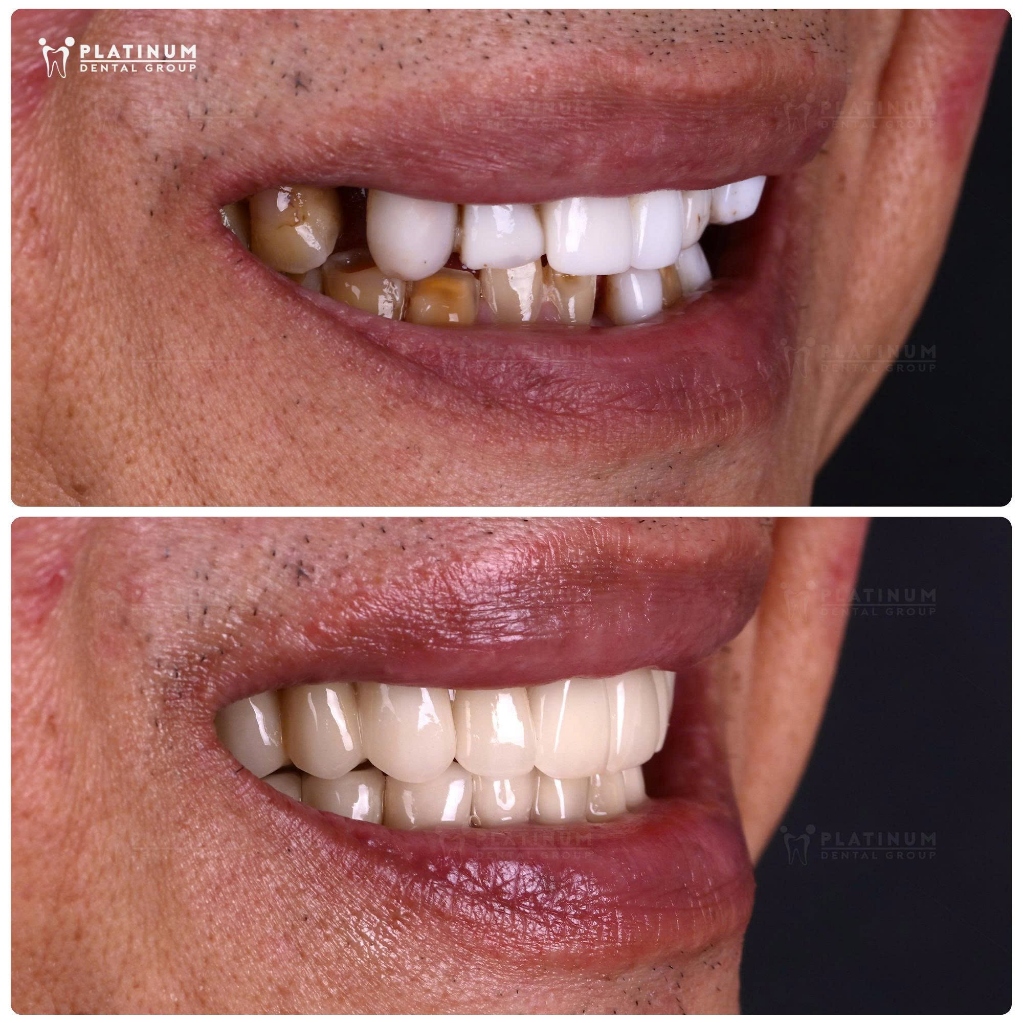
- Changes in tooth position or spacing: Depleted bone foundations allow natural teeth to drift slowly out of alignment. Patients frequently notice new irregular interdental gaps or crowded overlapping over time. These alignment shifts complicate daily flossing and accelerate plaque accumulation.
- Changes in bite or chewing function: A weakened skeletal base alters how upper and lower dental arches meet. This malocclusion creates uneven pressure points, causing localized discomfort while biting. Consequently, chewing fibrous or solid foods becomes increasingly difficult and painful.
- Difficulty wearing or stabilizing dentures: When the alveolar ridge flattens, removable prosthetics lose their stable resting foundation. Dentures slip frequently during speech, pinch soft tissues, and cause painful sores. Patients find themselves needing repeated relining adjustments just to keep dentures functional.
- Changes in facial appearance in advanced cases: Significant volume reduction causes the lower third of the face to sink inward. The distance between the nose and chin collapses, creating deep perioral wrinkles. This structural deflation leaves the lips visibly thinner, resulting in a prematurely aged look.
- Pain, swelling, or localized headaches: Advanced structural deterioration strains the surrounding jaw muscles and temporomandibular joints. Chronic subgingival bacterial infections further trigger persistent throbbing, localized abscesses, and facial tenderness. Over time, untreated jaw misalignment often radiates discomfort into tension headaches.
Note: Early bone loss often develops silently beneath the gum tissue without significant pain or obvious visual indicators. Because skeletal deterioration frequently advances undetected in its initial phases, routine dental checkups with digital diagnostic imaging remain critical for catching tissue resorption early.
3. Primary causes of jaw bone loss and deterioration
Several interrelated factors contribute to reduced jawbone density, including prolonged tooth loss, periodontal infection, and traumatic injuries. Other contributing triggers include maxillary sinus expansion, occlusal trauma, physiological aging, and genetic susceptibility. Understanding what causes bone loss in teeth and jaws helps identify clinical risks and protect long-term oral stability.
3.1. Long-term missing teeth without proper treatment
When a tooth is lost, the underlying alveolar bone loses essential mechanical stimulation from natural chewing forces. Consequently, the body initiates osteoclastic resorption, leading to irreversible bone loss due to missing teeth. This progressive resorption develops most rapidly during the initial 12 to 18 months following tooth extraction.
3.2. Periodontal disease
Advanced periodontitis is a primary clinical cause of gum disease jaw bone loss. Pathogenic bacteria accumulate subgingivally, inducing chronic inflammatory destruction of the periodontal ligament and alveolar plates. As structural damage advances, patients experience severe gingival recession, pathological tooth mobility, and secondary tooth loss.
3.3. Infection
Untreated endodontic or periodontal abscesses can rapidly penetrate cortical bone and cause localized osteolytic destruction. Furthermore, bone loss in the jaw from infection may arise from osteomyelitis, a severe bacterial marrow condition destroying osseous tissue. Clinical management involves targeted antibiotic therapy, surgical debridement, and bone regeneration to reconstruct affected skeletal architecture.
3.4. Sinus expansion
Sinus pneumatization primarily affects the posterior maxilla following the loss of natural upper premolars and molars. As the alveolar ridge resorbs, the maxillary sinus expands downward into spaces previously occupied by roots. This anatomical collapse reduces vertical bone height, necessitating a sinus lift before placing dental implants safely.
3.5. Facial trauma and injuries
Dentoalveolar trauma, including jaw fractures and severe avulsions, disrupts localized vascular supply and skeletal architecture. Once a natural tooth root is lost, the surrounding ridge forfeits normal functional chewing stimulation. Depending on fracture severity, localized jaw bone deterioration develops, requiring complex surgical and bone augmentation procedures.
3.6. Malocclusion
Malocclusion results in improper tooth alignment that unevenly concentrates destructive masticatory forces across specific teeth. Overloaded teeth suffer from secondary occlusal trauma, while unopposed teeth gradually supra-erupt and compromise crestal bone levels. Persistent alignment discrepancies, chronic bruxism, and uncorrected bite collapse contribute substantially to localized bone deterioration.
3.7. Aging and natural bone density loss
As people age, bone remodeling and mineral density may gradually change, potentially contributing to losing bone density in jaw structures. These changes can become more significant when combined with missing teeth, periodontal disease, or other oral health problems. Systemic conditions such as osteoporosis may also affect overall bone health and increase the risk of reduced jawbone density.
3.8. Genetic factors
Physiological aging naturally alters cellular bone remodeling rates and reduces baseline skeletal mineral density. These systemic changes accelerate rapidly when combined with chronic periodontal disease or unreplaced missing teeth. Furthermore, systemic conditions like osteoporosis significantly decrease jawbone quality and elevate the risk of bone resorption.
3.9. Other reasons
Poorly fitting traditional dentures exert unbuffered compressive stress that accelerates underlying residual alveolar ridge resorption. Systemic factors like uncontrolled diabetes, chronic nicotine use, and specific medications also impair microvascular bone healing. Additionally, pathological jaw cysts or surgical jaw bone removal during tumor resections leave large structural defects.
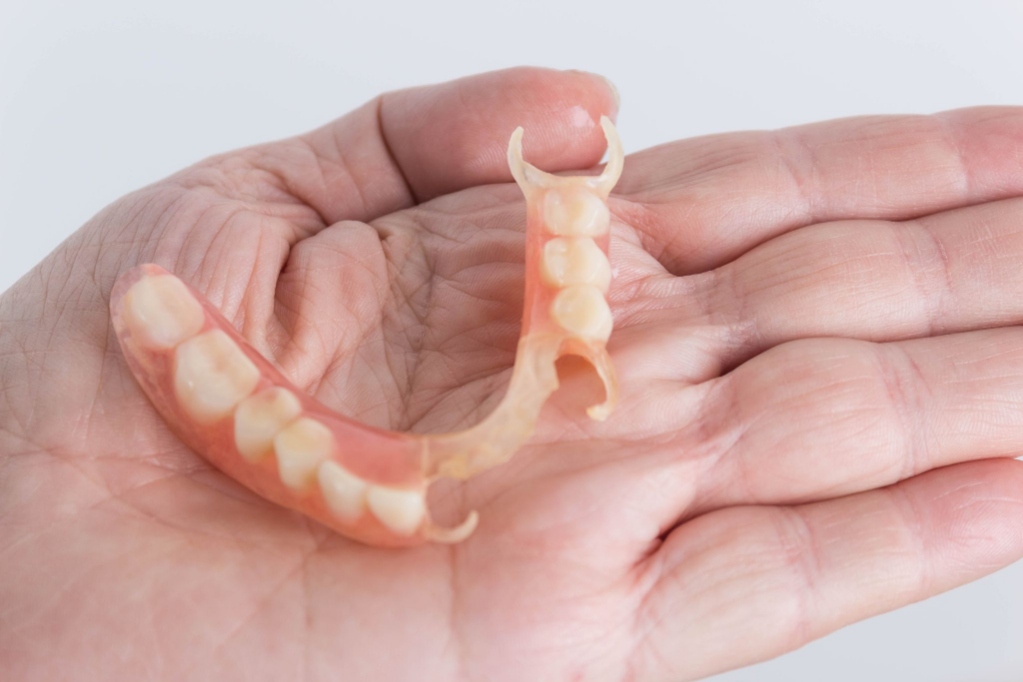
4. How long does it take for jawbone loss to occur after tooth loss?
Jawbone loss begins shortly after tooth extraction as the alveolar bone gradually remodels without stimulation from the missing tooth root. Bone resorption progresses rapidly during the first 3 to 6 months, followed by slower changes over subsequent years. The following timeline explains the typical stages and extent of bone loss after tooth extraction.
- 0 to 3 months (immediate phase): Initial remodeling begins within two to eight weeks as the socket contracts. Human clinical data indicates horizontal ridge width reductions can reach approximately 32% during this initial three-month window.
- 3 to 6 months (rapid resorption phase): Clinical studies demonstrate horizontal bone loss of 29% to 63% and vertical height loss of 11% to 22% by six months. Bone density decreases rapidly across this period, making prompt clinical evaluation valuable.
- 6 to 12 months (first year progress): Total localized bone volume reduction can approach 50% in affected areas over the first twelve months. Hard tissue width loss often ranges from 0.1 mm to 6.1 mm, altering the contour of the dental ridge.
- 1 year and beyond (long-term phase): Resorption continues at a slower, steady rate throughout a person’s life without targeted intervention. This sustained deterioration of the jaw can destabilize adjacent teeth and complicate future prosthetic placement.
5. What happens when jaw bone loss is left untreated?
Untreated jawbone deterioration progressively undermines tooth stability, alters facial proportions, and impairs daily oral function. As bone resorption advances, it severely restricts restorative treatment options and necessitates complex surgical reconstructions. Review the clinical consequences below to understand how progressive bone loss impacts long-term health:
5.1. Tooth shifting and further tooth loss
Severe alveolar bone deterioration deprives neighboring natural teeth of their rigid structural anchorage. Consequently, adjacent teeth begin tipping, developing irregular interdental gaps, and suffering from pathological mobility. Without timely clinical stabilization, this progressive bone loss inevitably leads to secondary tooth loss.
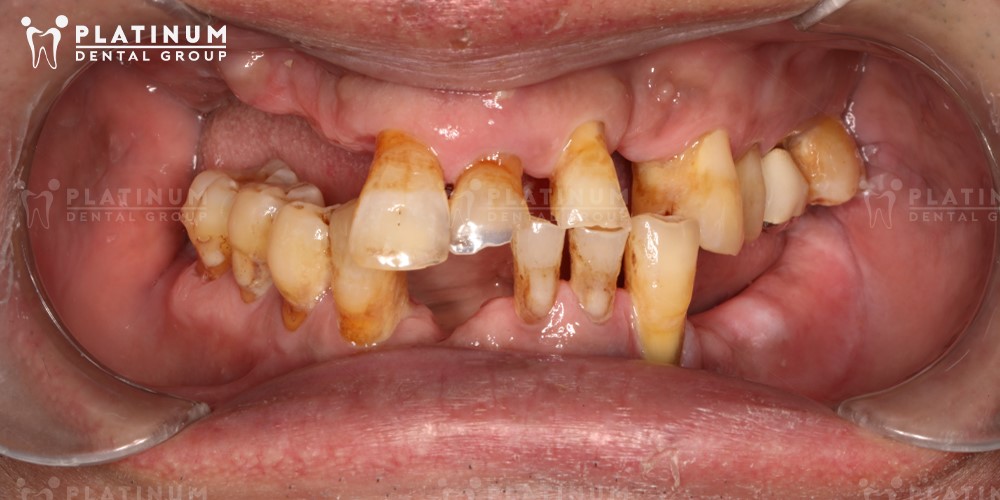
5.2. Complicated or impossible dental restorations
Extensive alveolar resorption often leaves insufficient vertical height and horizontal width for standard dental implants. Patients require preliminary guided bone regeneration or sinus elevations, significantly extending total treatment timelines. Furthermore, deficient ridge architecture causes traditional dentures and bridges to fit poorly, creating persistent mucosal ulcerations.
5.3. Facial structure and aesthetic changes
Progressive jawbone resorption diminishes underlying skeletal support across the lower third of the face. As the alveolar ridge recedes, the vertical facial dimension collapses, causing thinned lips and pronounced perioral wrinkles. These skeletal changes create a sunken appearance that prematurely ages overall facial aesthetics.
5.4. Chewing and nutritional difficulties
Severe jawbone resorption compromises bite stability and significantly diminishes overall masticatory efficiency. Patients experience localized pain during mastication, struggling to chew fibrous vegetables, firm proteins, and nutrient-dense foods comfortably. Consequently, restricting essential dietary food groups can lead to systemic nutritional deficiencies over time.

6. Effective dental bone loss treatment options
Treatment for jawbone deterioration depends on the underlying etiology, defect severity, and systemic patient health. Clinical solutions range from non-surgical periodontal stabilization to advanced reconstructive bone surgeries. Consulting an experienced specialist helps you select the most predictable pathway to restore oral function.
6.1. Treating underlying infection and periodontal disease
Eliminating active subgingival pathogens is the crucial initial step before attempting bone regeneration. Deep scaling and root planing thoroughly remove toxic calculus and bacterial biofilms beneath the gumline. Controlled antimicrobial therapies suppress chronic tissue inflammation, effectively arresting further alveolar bone breakdown.
6.2. Bone grafting and bone regeneration
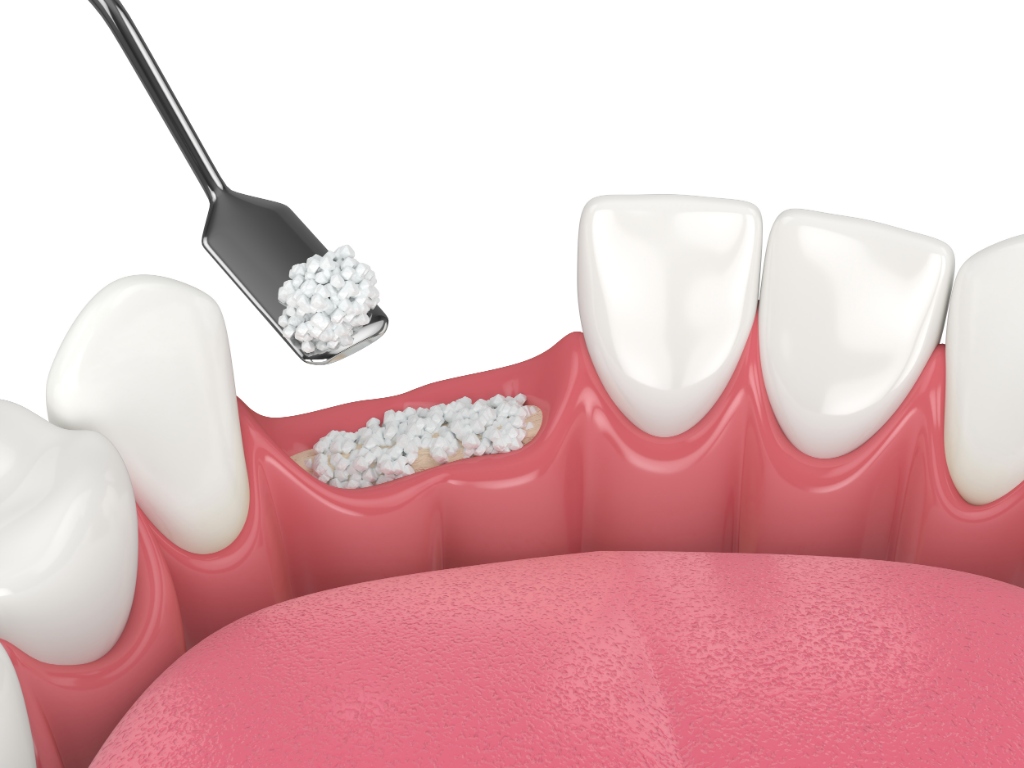
Bone grafting reconstructs deficient ridge architecture where natural volume and trabecular density are lost. Clinicians pack osteoconductive particulate matrices into the skeletal defect to guide native cell proliferation. Combining grafting with guided bone regeneration (GBR) barrier membranes prepares solid osseous foundations for implants.
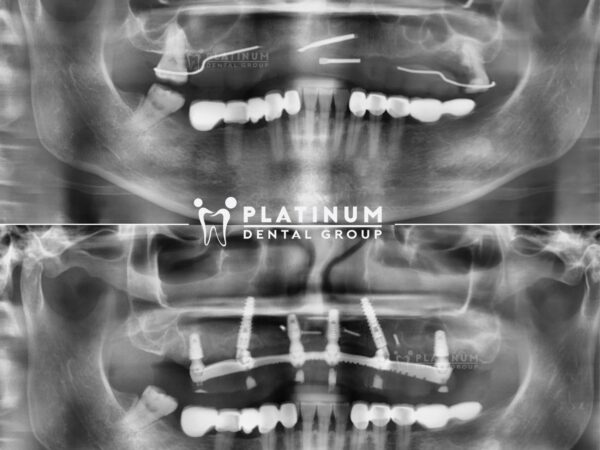
6.3. Sinus lift procedure (sinus augmentation)
A sinus lift increases vertical bone height beneath pneumatized maxillary sinus cavities in the posterior jaw. The surgeon carefully elevates the delicate Schneiderian membrane, placing dense bone matrices beneath it. Following osseous consolidation, this augmented space provides lasting bicortical anchorage for maxillary dental implants.
6.4. Dental implant placement
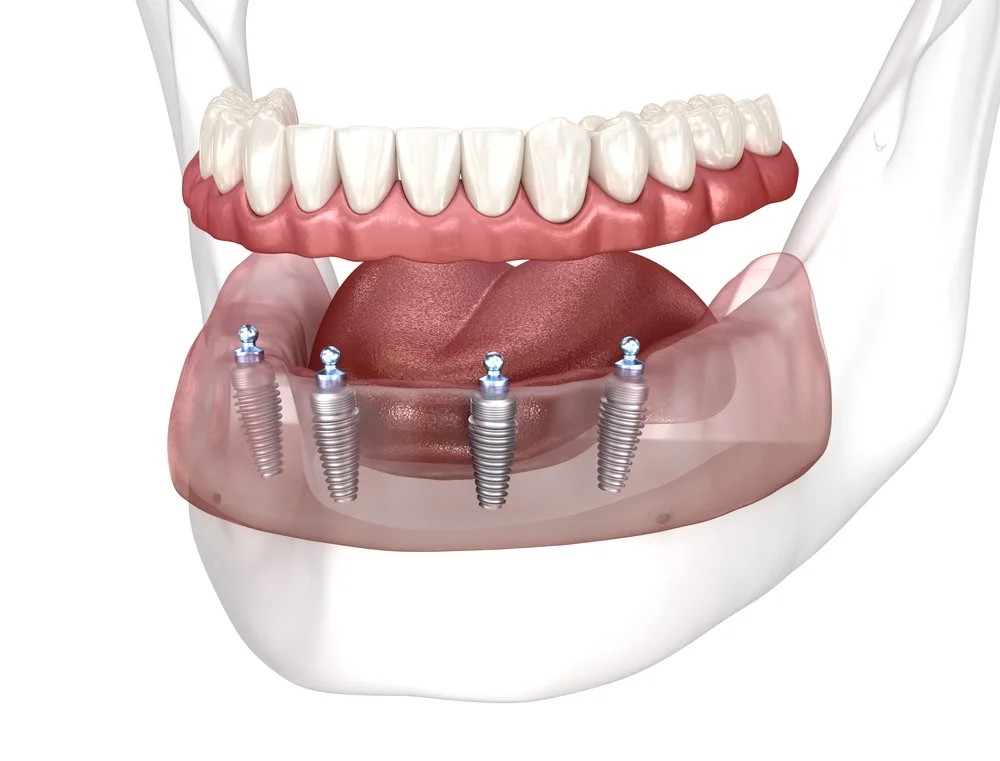
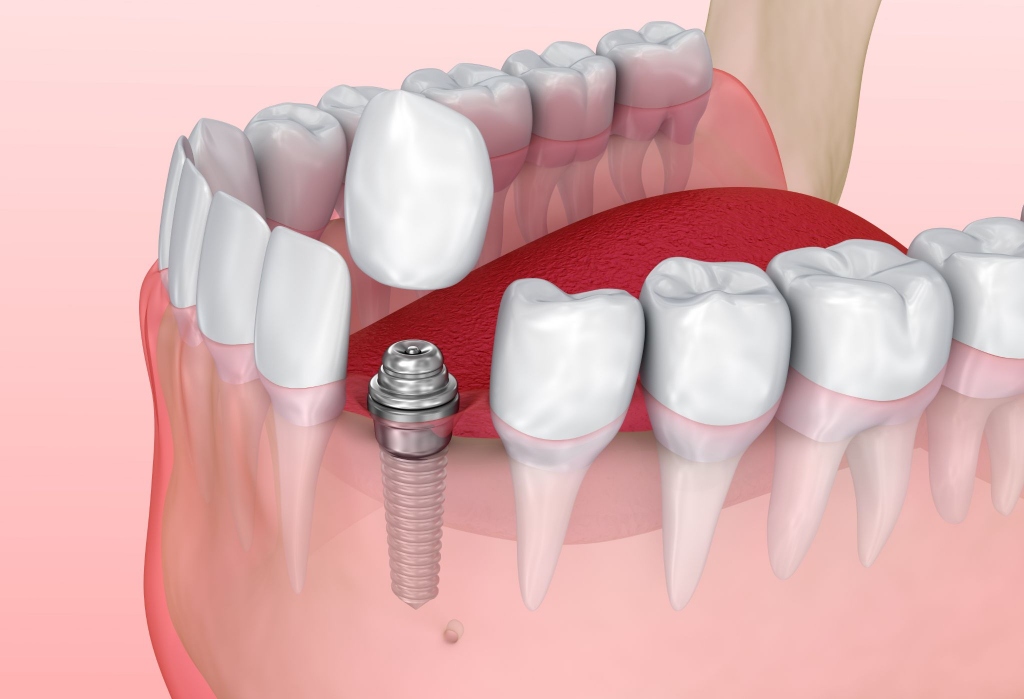
Dental implants replace lost natural tooth roots using biocompatible titanium fixtures anchored into native bone. Through rigid osseointegration, these fixtures distribute functional masticatory forces directly into the surrounding ridge. This continuous mechanical stimulation actively halts disuse atrophy, preserving your baseline jawbone structure indefinitely.
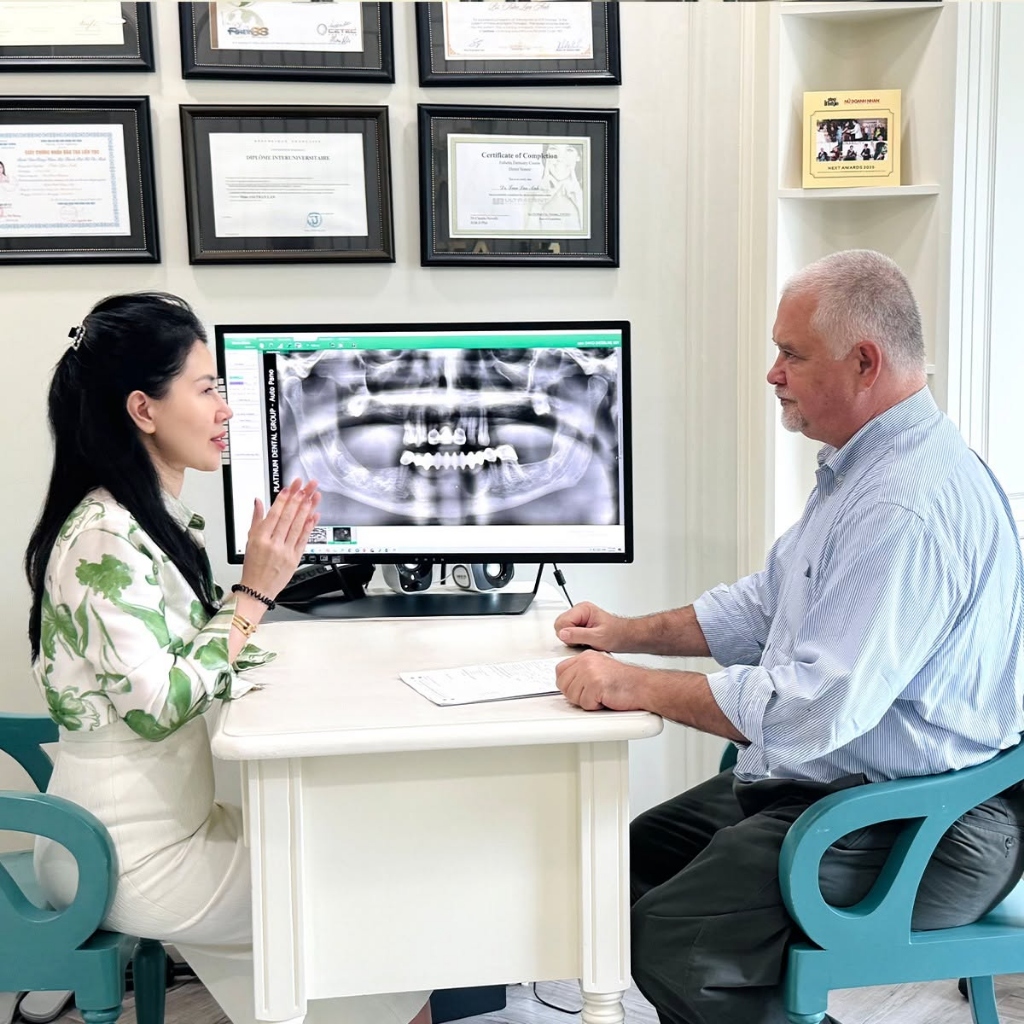
| Choosing the right treatment Selecting an effective therapeutic protocol requires rigorous diagnosis by board-certified oral and maxillofacial specialists. High-resolution 3D CBCT scans provide volumetric anatomical measurements to formulate a personalized surgical strategy. Partnering with an accredited dental clinic guarantees predictable regenerative results and lasting treatment success. |
7. Treating jaw bone loss at Platinum Dental Group
Severe jawbone loss can be successfully resolved with advanced regenerative procedures – such as targeted bone grafting, sinus lifts, and dental implant placement – when performed by experienced maxillofacial specialists utilizing cutting-edge medical technologies.
At Platinum Dental Group, we formulate personalized treatment plans tailored to each patient’s residual bone architecture, overall oral health, and functional goals to effectively rebuild osseous volume and restore lifelong masticatory stability.
- Expert Clinical Team:
Our surgical department is led by MSc. Dr. Duong Minh Tung, Vice Head of Oral & Maxillofacial Surgery at Ho Chi Minh City Odonto-Stomatology Hospital with nearly 20 years of clinical expertise. The team routinely handles severe alveolar ridge atrophy, complicated sinus augmentations, and full-arch oral rehabilitations with high surgical predictability. Every procedure prioritizes minimally invasive techniques to reduce tissue trauma, avoid post-operative pain, and ensure absolute patient comfort.

- Comprehensive Treatment Solutions:
Platinum Dental Group provides a full spectrum of regenerative therapies, including socket preservation, lateral ridge augmentations, sinus elevations, and guided bone regeneration. These clinical capabilities allow our surgeons to synchronize bone reconstruction with immediate or staged tooth replacement under one roof. This integrated workflow shortens overall recovery timelines while optimizing financial expenses for both domestic and international patients.
- Cutting-Edge Technology:
At Platinum Dental Group, we invest in modern diagnostic and minimally invasive surgical equipment imported directly from the USA and Europe to ensure surgical precision and patient comfort:
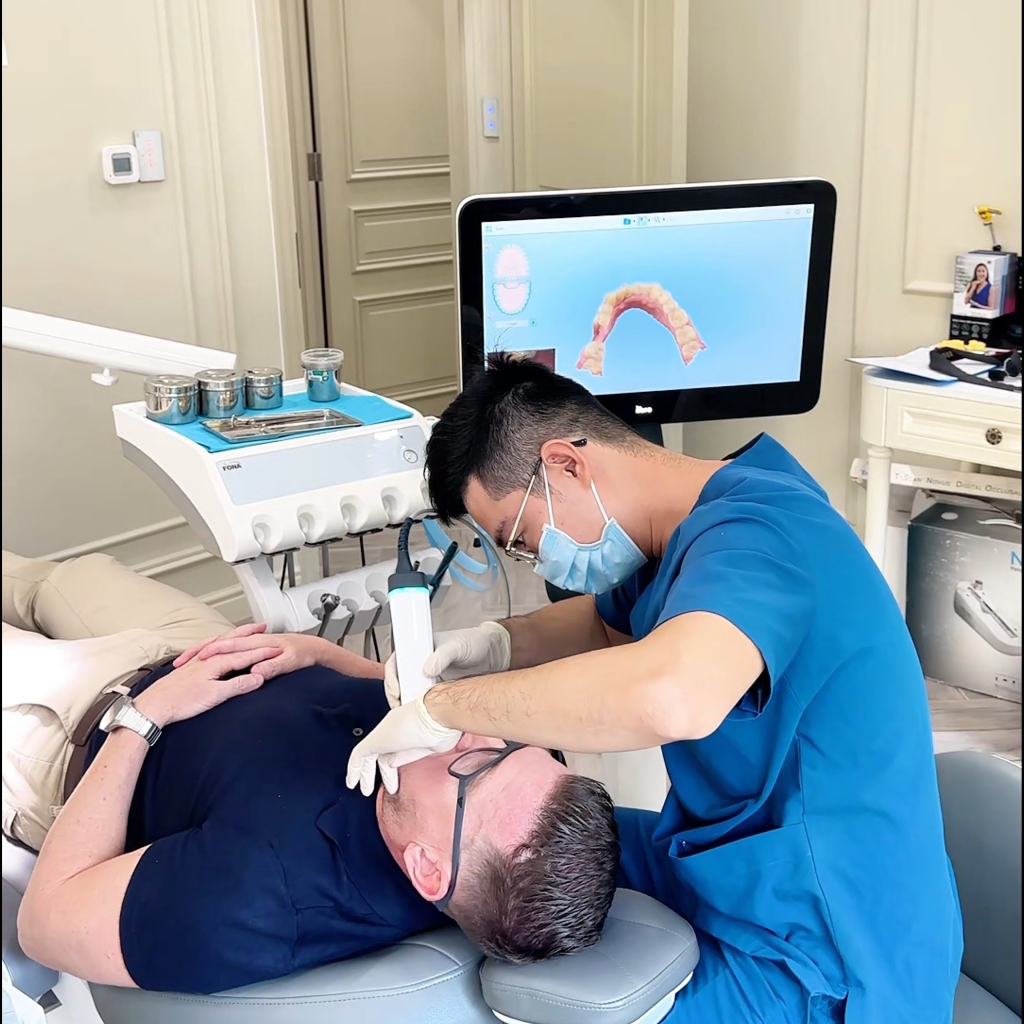
- ConeBeam CT RAY STUDIO FOV 20×20: Equipped with South Korean True Size Sensor technology and 22-second reconstruction, it captures low-dose, high-resolution scans (70 – 300 µm) of the entire craniofacial region, airway, and TMJ in one scan – allowing precise assessment of bone volume, trabecular density, and vital structures for complex implants, OMS, and orthodontics.
- Piezotome ultrasonic surgery: Employs precise ultrasonic micro-vibrations for selective bone cutting, sparing surrounding soft tissues, blood vessels, and nerve bundles from surgical trauma.
- PRP therapy and laser technology: Utilizes Platelet-Rich Fibrin membranes derived from the patient’s own blood combined with biostimulating laser protocols to accelerate soft-tissue wound closure, control intraoperative bleeding, and minimize postoperative inflammation.
- Dynamic navigation system: Tracks surgical instruments in real time via dynamic navigation systems, guiding implant trajectory, angulation, and seating depth with micron-level accuracy according to the pre-established digital roadmap.
- Customized Implant Protocols:
Each patient undergoes a comprehensive anatomical evaluation to determine whether simultaneous or staged bone grafting is biologically indicated. Our specialists strictly follow conservative guidelines, performing only necessary interventions to safeguard healthy native tissues. This meticulous planning secures high primary fixture stability and ensures reliable osseointegration for permanent chewing comfort.
- End-to-End Patient Care:
Our patient-first care begins at the initial 3D consultation and extends through surgery, provisional tooth delivery, and lifelong follow-ups. Patients receive individualized post-operative instructions, tailored nutritional advice, and scheduled clinical check-ups. Our fluent English-speaking care coordinators remain available 24/7 via WhatsApp and direct hotline to assist with any questions throughout your healing journey.
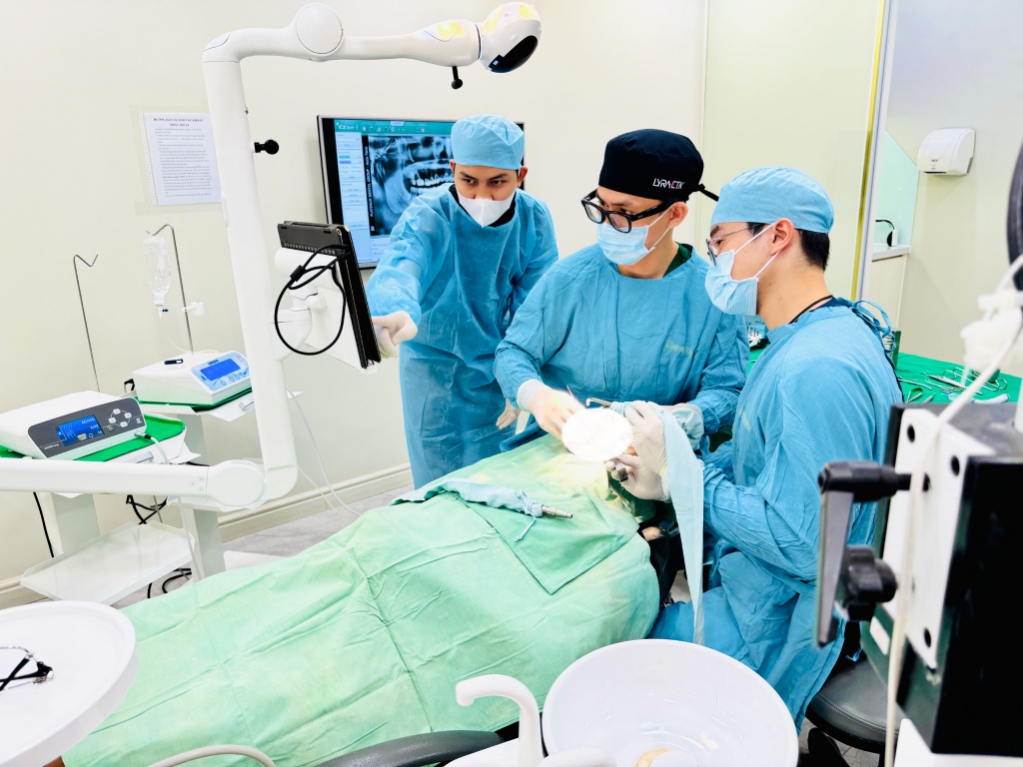
Contact Platinum Dental Group via Hotline or WhatsApp to arrange a personalized clinical consultation and receive an accurate, transparent cost estimate for your treatment plan.
| Platinum Dental Group 📍 Platinum Dental Group Central – 127 Nguyen Cu Trinh Street, Nguyen Cu Trinh Ward, District 1, Ho Chi Minh City 📍 Platinum Dental Group Thao Dien – 1H Street No. 10, An Khanh Ward (Thao Dien area), Thu Duc City, Ho Chi Minh City ✉️ Email: info@platinumdentalvietnam.com 🌐 Website: https://platinumdentalvietnam.com 💬 Instagram: https://www.instagram.com/platinumdental.vietnam 🔗 Facebook: https://www.facebook.com/platinumdentalvn 📞 Hotline: 096 779 7799 |
8. Real patient transformations: Jawbone reconstruction success stories at Platinum Dental Group
Advanced regenerative techniques and specialized implant procedures help patients overcome severe bone deficiency and regain complete oral function. Clinical outcomes from Platinum Dental Group show how tailored treatment plans restore balanced facial aesthetics and everyday chewing comfort.
8.1. Case Study 1: Ms. Linda
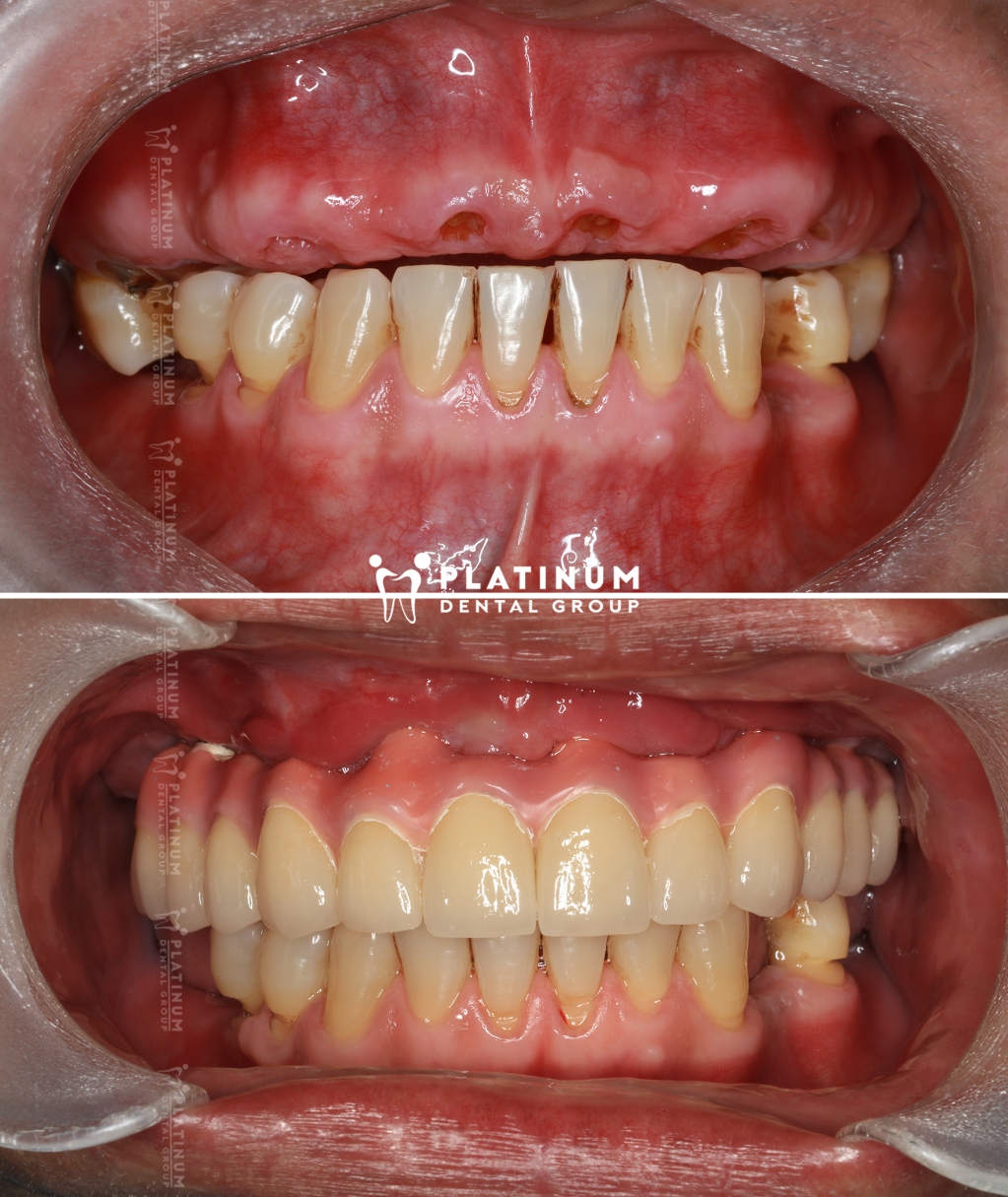
- Initial Condition: Ms. Linda experienced full-arch tooth loss in her upper jaw for two years and relied on removable dentures for three years. The lack of natural root stimulation led to low bone density and pronounced ridge shrinkage. Consequently, the surrounding facial soft tissues lost structural support, causing sunken lips and visible facial collapse.
- Treatment Plan: Dr. Duong Minh Tung performed a detailed radiographic evaluation to assess available bone volume and identify stable anatomical sites for implant placement. Following surgical insertion, Ms. Linda received a fixed temporary restoration to sustain chewing function during osseointegration, alongside precise bite adjustments to balance occlusal forces properly.
- Results: After finishing treatment, Ms. Linda achieved stable masticatory performance and seamless daily comfort without appliance movement. The permanent restoration re-established natural lip support, revitalized her lower facial contours, and restored full confidence during social interactions.
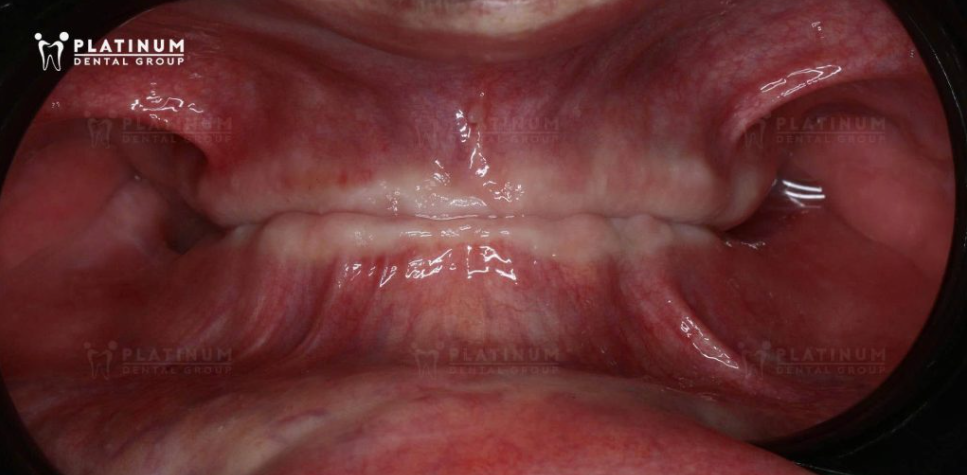 Ms. Linda experienced difficulty chewing due to missing full-arch teeth and reduced jawbone support. | 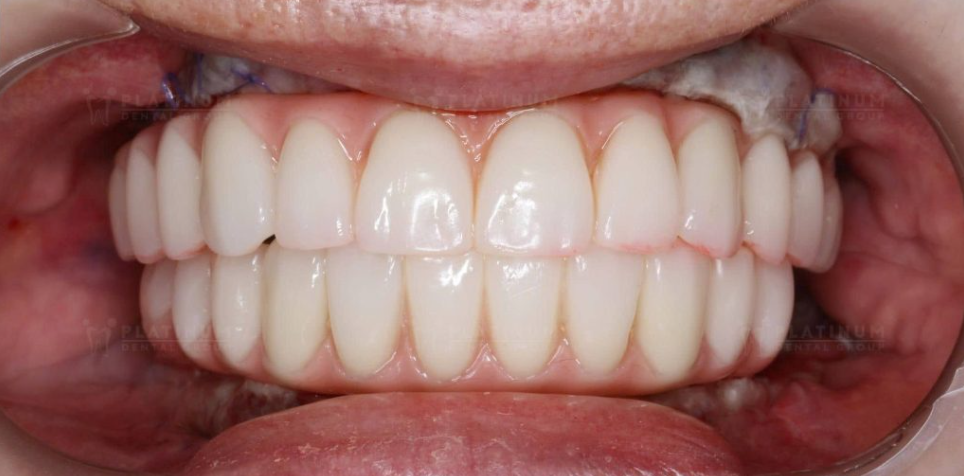 After implant treatment at Platinum Dental, Ms. Linda regained improved chewing function and facial support. |

8.2. Case Study 2: Ms. Hien
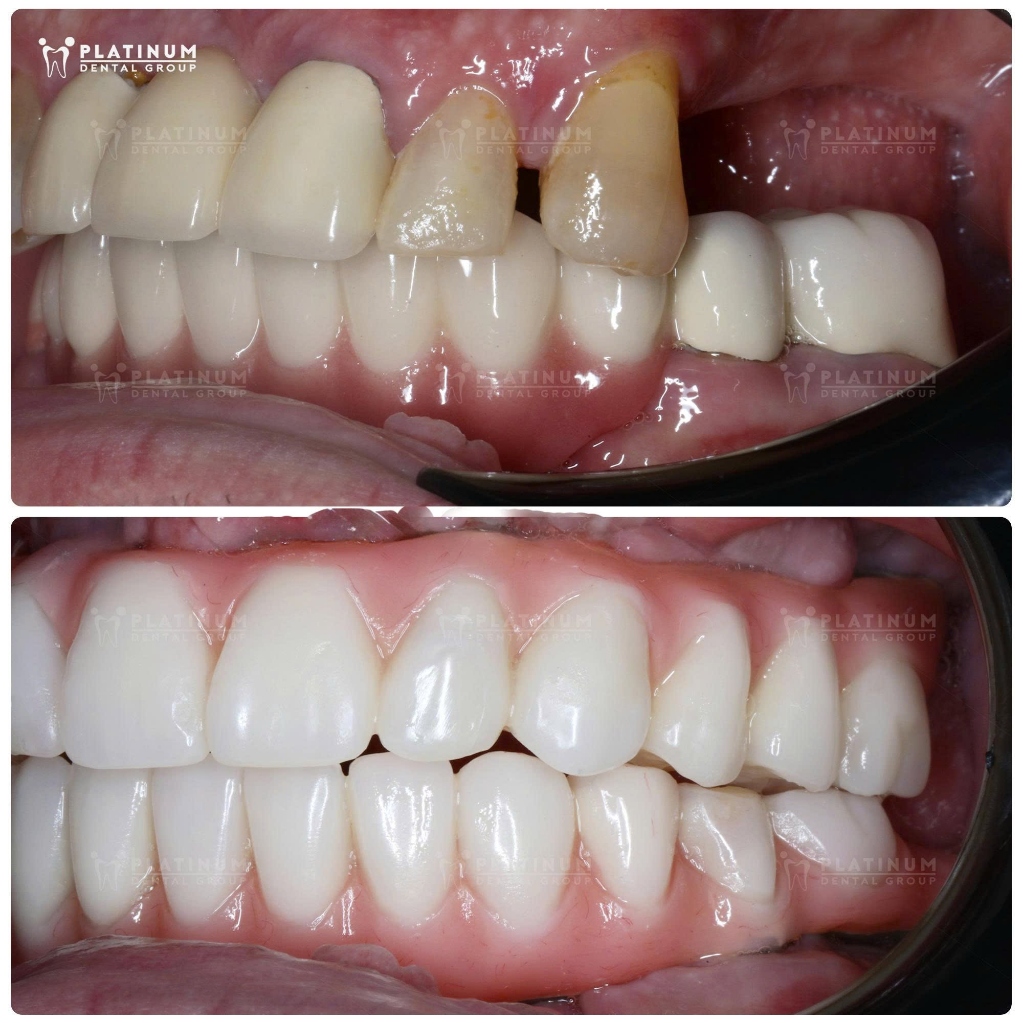
- Initial Condition: Extended use of conventional removable dentures caused severe alveolar ridge atrophy and dental misalignment for Ms. Hien. Loose prosthetic movement created localized pain, poor chewing efficiency, and persistent oral soreness. Diminished skeletal height deepened surrounding skin folds, contributing to premature facial aging and decreased confidence.
- Treatment Plan: Platinum Dental specialists formulated a multi-disciplinary treatment strategy integrating five dental implants to replace missing teeth with ceramic crowns and veneers to refine existing dentition. Clinicians carefully augmented deficient osseous zones to ensure strong implant integration while re-establishing proper bite alignment.
- Results: Ms. Hien fully regained comfortable chewing stability, completely eliminating the slipping and sore spots caused by removable dentures. The comprehensive prosthetic solution replenished lower facial dimensions, smoothed perioral skin contours, and brought back a bright, harmonious smile.
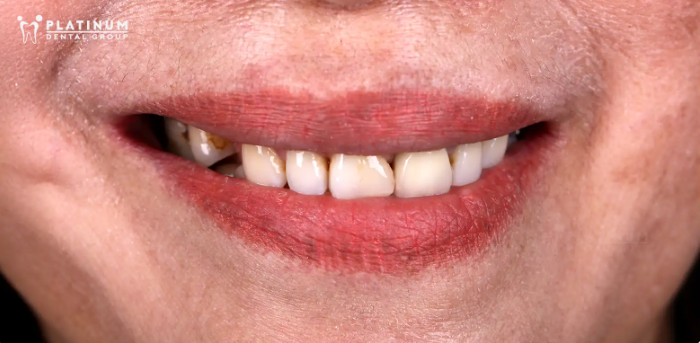 Ms. Hien experienced loose dentures, chewing difficulties, and facial changes associated with long-term tooth loss. | 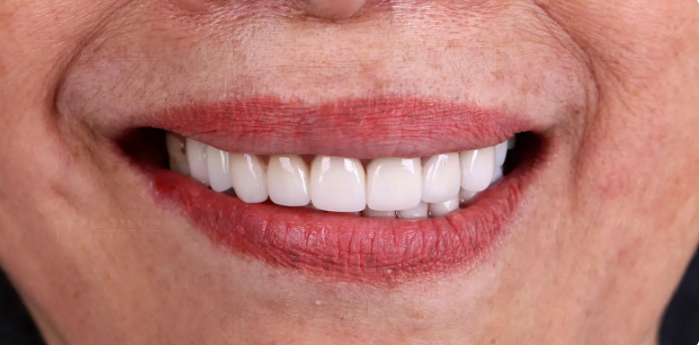 After restorative treatment at Platinum Dental, Ms. Hien experienced greater comfort when eating and renewed confidence in her smile. |
Treating bone loss in jaw structures promptly is essential to protect your facial harmony, preserve natural dentition, and restore lasting chewing function. While unaddressed alveolar resorption silently undermines your dental foundation, modern regenerative protocols like guided bone regeneration and dental implants deliver highly predictable reconstructions. Contact the oral surgery specialists at Platinum Dental Group today to schedule your comprehensive 3D CBCT diagnostic evaluation and secure a personalized treatment plan.
Frequently asked questions
Below are straightforward answers to help you navigate the causes, symptoms, and clinical solutions for jawbone deterioration.
1. Is jaw bone loss painful?
2. What is the difference between bone loss in the upper jaw and lower jaw?
3. Can jawbone loss be prevented?
References
National Library of Medicine. A systematic review of post-extractional alveolar hard and soft tissue dimensional changes in humans. https://pubmed.ncbi.nlm.nih.gov/22211303 (Last accessed 30/10/2026).
 Zalo
 WhatsApp
 Map
 Hotline
 Booking Now