
Bone Grafting For Dental Implants: Everything You Must Know
Bone grafting for dental implants is an oral surgical procedure that rebuilds depleted jawbone tissue to establish a stable foundation for artificial tooth roots. By utilizing biological or synthetic biomaterials, this regenerative therapy restores critical bone dimensions lost to exodontia, severe trauma, or periodontitis. The physiological remodeling process ensures predictable osseointegration, preserves natural facial architecture, and prevents progressive alveolar ridge collapse.
Missing teeth cause the jawbone to shrink over time, leaving insufficient support for replacement teeth. Undergoing timely bone grafting for dental implants rebuilds this lost foundation so your new teeth stay firmly anchored. This guide covers surgical indications, procedure steps, healing timelines, and clear treatment costs to help you plan with confidence.
1. What is bone grafting for dental implants?
A dental bone graft rebuilds lost jawbone to create a solid foundation for dental implants. During the procedure, the dentist places specialized grafting material into areas with low bone volume. This material acts as a natural framework, encouraging your body to grow healthy new bones over time.
2. Benefits of dental implants with bone graft
Bone grafting rebuilds lost jawbone to create a strong foundation for dental implants. From securing artificial teeth to preserving natural facial contours, this procedure delivers lasting functional and aesthetic benefits.
Below are five key advantages to consider before starting treatment:
2.1. Improves dental implant stability and support
Rebuilding depleted bone provides adequate surface area for the implant to anchor firmly. This solid foundation allows artificial tooth roots to fuse permanently with surrounding bone tissue. Consequently, your new teeth withstand strong chewing forces without shifting, loosening, or failing.
2.2. Helps preserve jawbone structure
When natural teeth are missing, the surrounding jawbone deteriorates quickly without regular biting stimulation. Placing biocompatible grafting material stops progressive bone breakdown and encourages healthy tissue regeneration. Maintaining bone density protects your remaining natural teeth and keeps your jaw structure strong.
2.3. Maintains natural facial structure
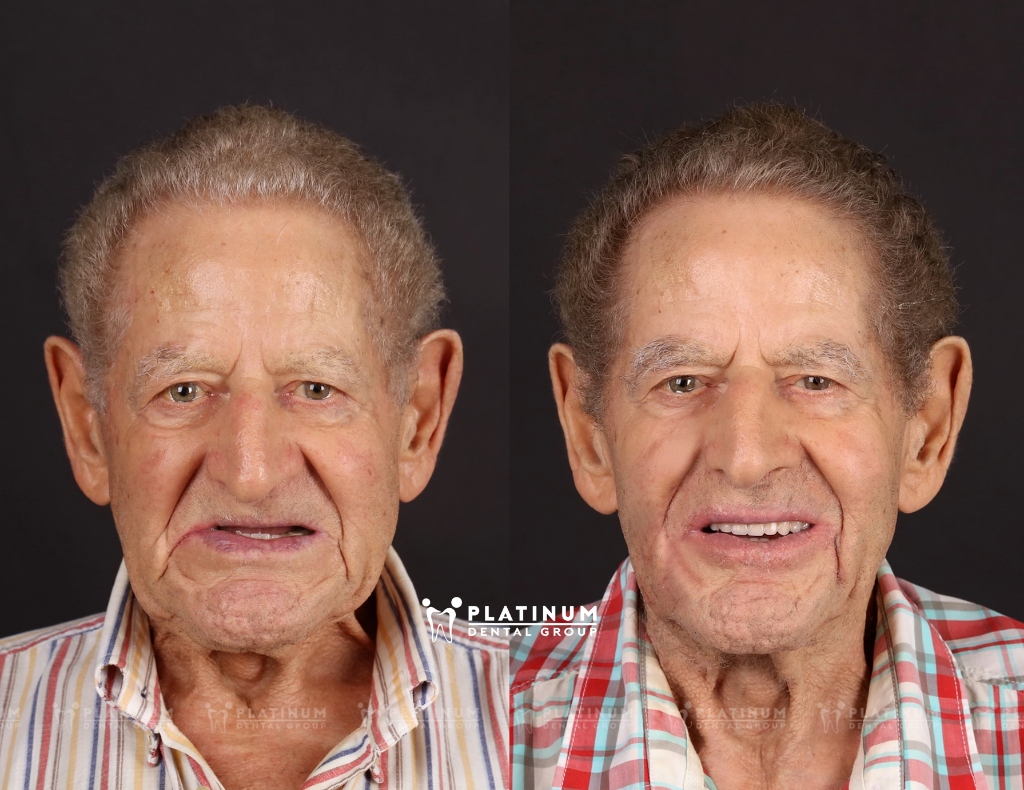
Extensive jawbone loss often leads to sunken cheeks, thinned lips, and premature facial aging. Restoring original bone height provides the necessary structural support for your lips and cheeks. This treatment maintains your natural facial symmetry, jawline definition, and youthful appearance after tooth replacement.
2.4. Supports aesthetic outcomes
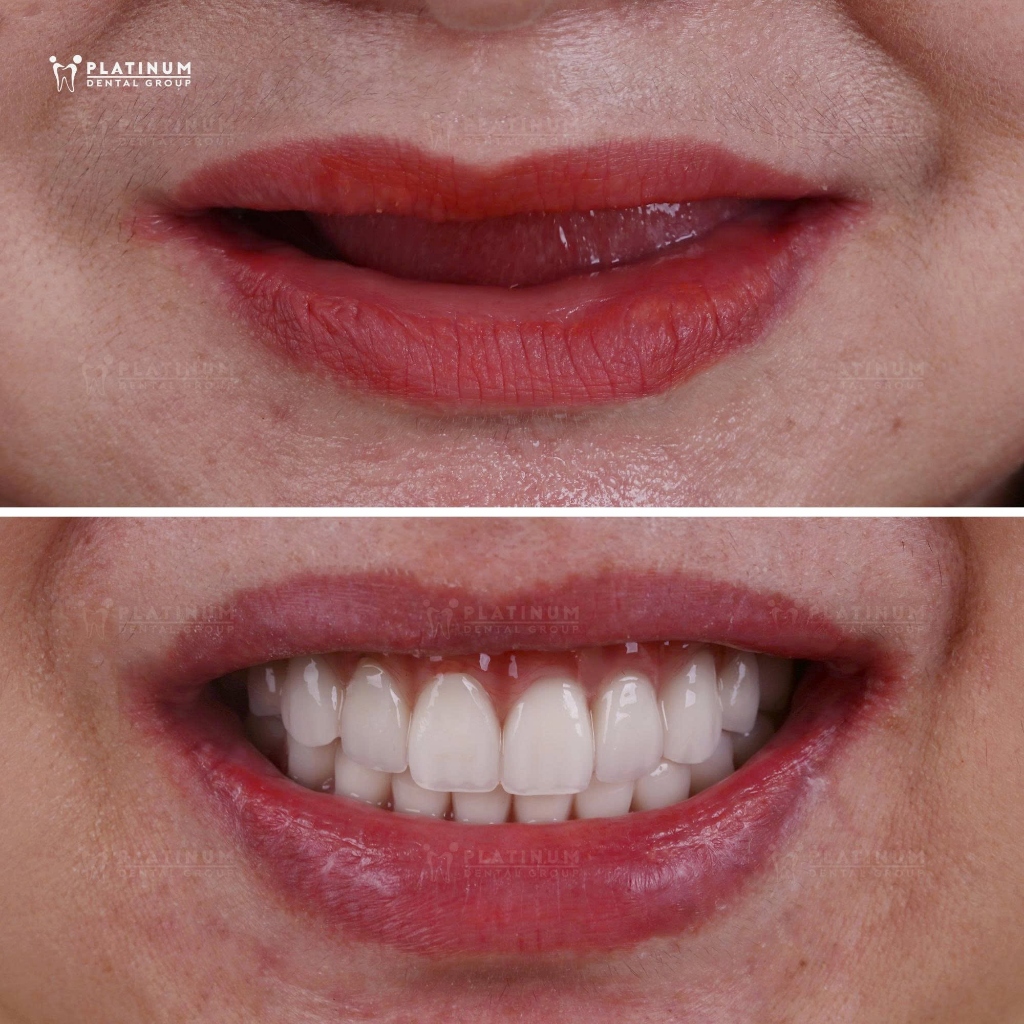
Thin jawbone often causes receding gum lines, exposed titanium margins, and unnaturally long replacement crowns. Rebuilding lost bone allows clinicians to position implants accurately beneath healthy, natural-looking gum tissue. This precise alignment delivers a seamless, balanced gumline and a lifelike smile.
2.5. Expands dental implant treatment options
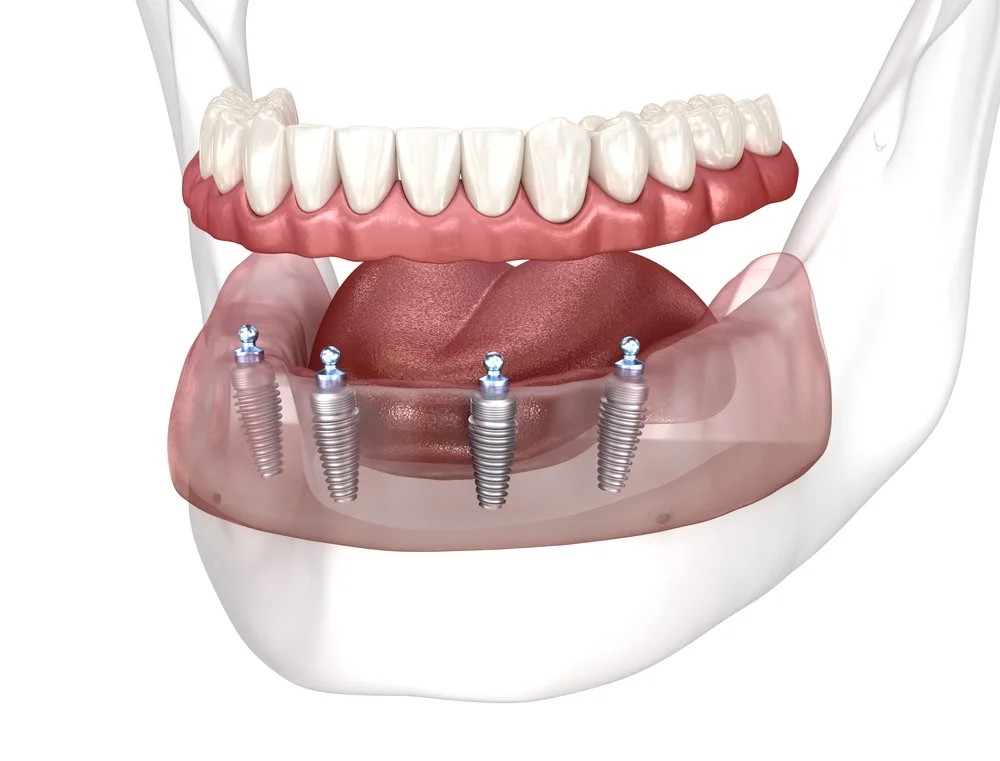
Patients previously told they lacked enough bone can readily qualify for implants after bone grafting. Reconstructing deficient areas creates sufficient bone depth to support single crowns, bridges, or full-arch restorations. This reliable approach broadens treatment options even for individuals with severe, long-term bone loss.
3. When is bone grafting needed for dental implants?
Bone grafting for dental implants is recommended when the jawbone lacks adequate height, width, or density to anchor an implant securely. Common clinical situations requiring bone rebuilding include:
- Long-term tooth loss: Missing teeth leave the jawbone without natural chewing stimulation, causing it to shrink over time. Rebuilding this lost height and width ensures sufficient bone to anchor new implants firmly.
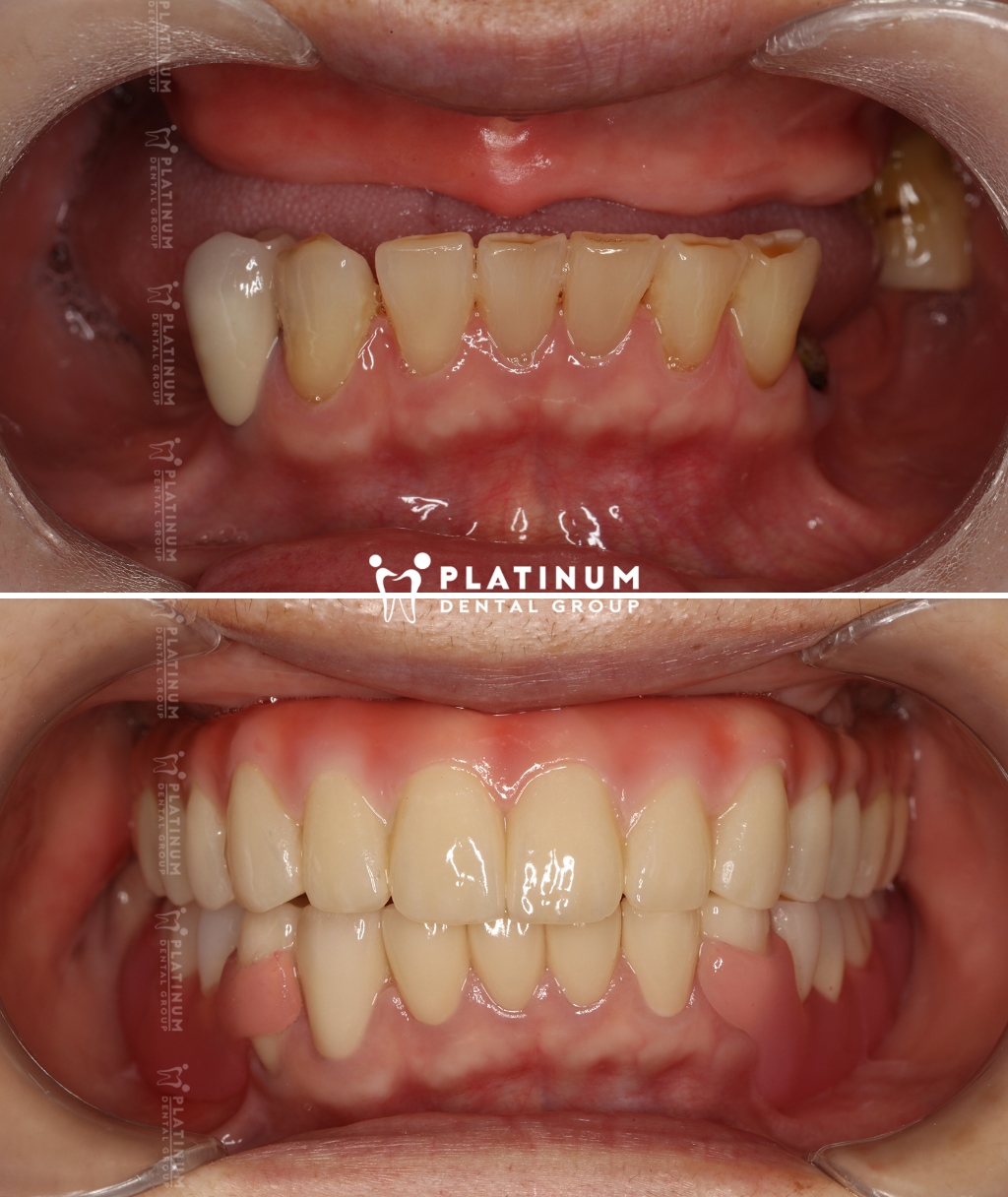
- Severe gum disease: Advanced periodontal infections destroy the underlying bone supporting natural teeth. Bone grafting restores these compromised areas once the bacterial infection is thoroughly cleared.
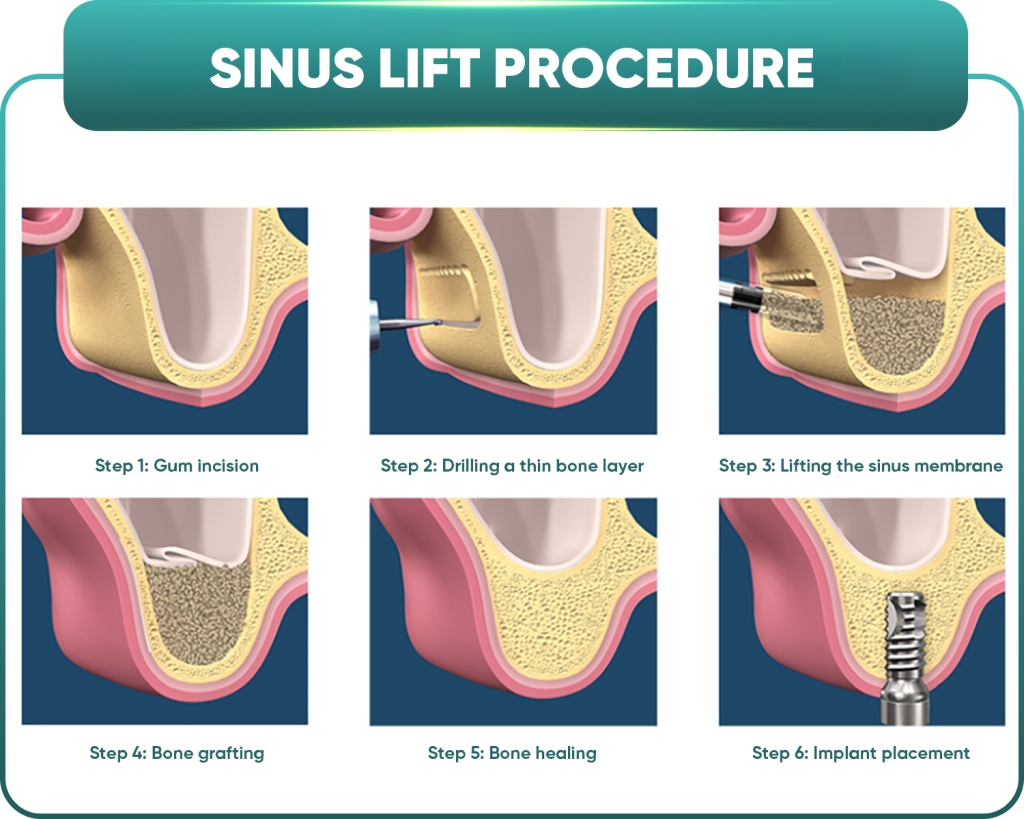
- Insufficient bone near the sinuses: The upper back jaw often lacks vertical bone depth due to expanding sinus cavities. A sinus lift elevates the sinus membrane, adding bone matrix to secure upper implants safely.
- Post-extraction socket preservation: The jawbone resorbs rapidly after tooth extraction, losing critical shape and volume. Placing bone graft into the fresh socket preserves baseline bone structure for smooth future implant placement.
- Previous dental infections or abscesses: Severe root infections often leave hollow bone cavities after tooth removal. Grafting material fills these localized voids to establish a solid foundation for restoration.
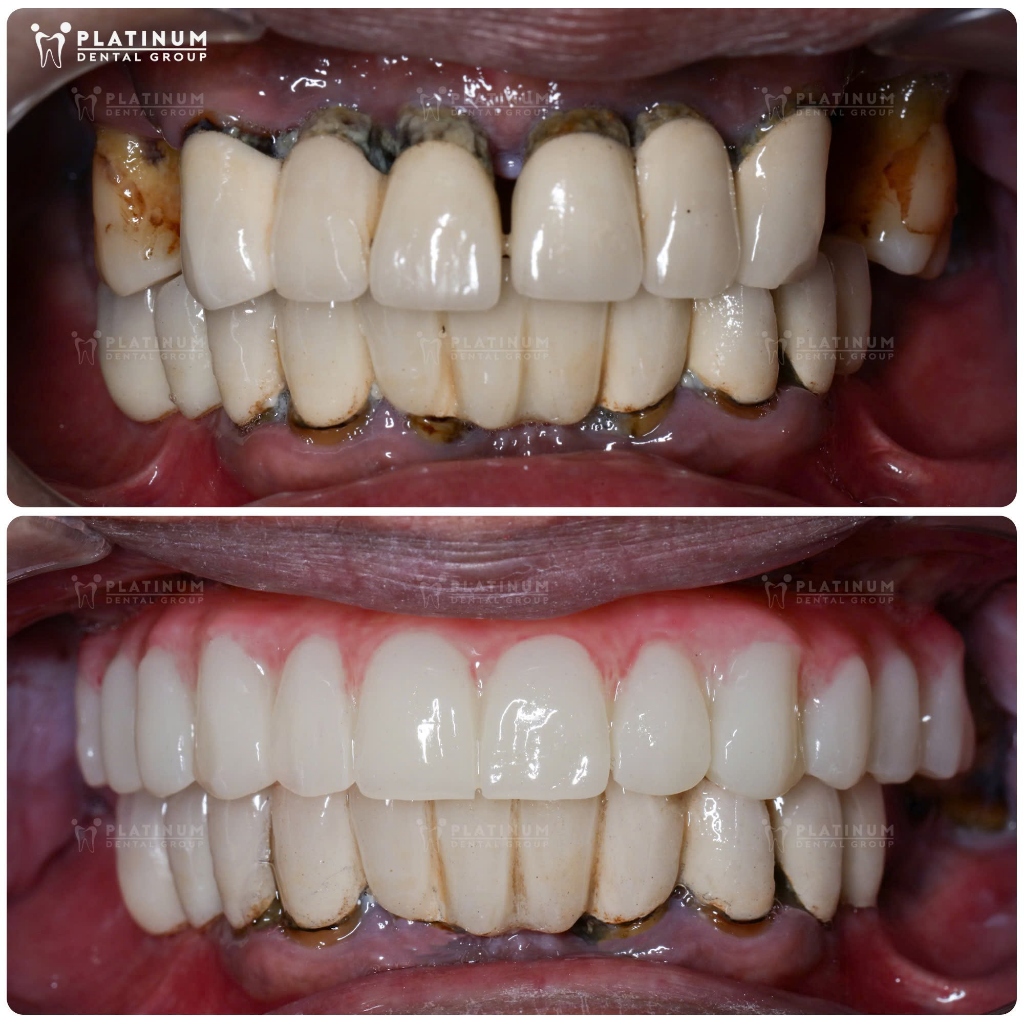
- Jaw injuries and trauma: Accidents or traumatic extractions can fracture cortical bone plates and cause tissue loss. Bone augmentation rebuilds these damaged areas to restore natural bone volume and contour.
- Naturally thin jawbones: Some individuals genetically have narrow alveolar ridges or limited baseline bone density. Grafting widens and reinforces these delicate areas so standard implants fit comfortably.
- Long-term removable denture wear: Prolonged chewing pressure from traditional removable dentures gradually erodes the underlying ridge. This chronic bone shrinkage demands comprehensive bone augmentation for dental implants before transitioning to fixed teeth.
4. Types of bone grafts used in dentistry
Dental clinicians utilize specialized regenerative materials and surgical techniques tailored to the specific dimensions of your jaw defect. Read on to discover the primary grafting sources and clinical procedures designed to rebuild deficient bone tissue.
4.1. Types of graft materials
Dental bone graft materials include four main types which are autografts, allografts, xenografts, and synthetic grafts (alloplasts). They differ in their sources, biological properties, and bone regeneration capabilities, allowing dentists to choose suitable materials based on the patient’s jawbone condition and treatment needs.
- Autografts: Harvested directly from your own body, autogenous bone contains live cells that actively stimulate bone growth. Because it comes from your own tissue, it eliminates any risk of biological rejection or disease transmission. However, taking bone from a secondary donor site requires extra recovery time.
- Allografts: Sourced from human tissue donors, allografts are thoroughly processed and sterilized by certified tissue banks. This material forms a biological scaffold that encourages your own cells to grow new bones. It eliminates the need for a second surgery site, making recovery more comfortable.
- Xenografts: Derived from purified animal mineral tissue, xenografts closely match the natural structure of human bone. This slow-absorbing material provides excellent, long-lasting volume support for the healing site. Dentists frequently select this reliable material during dental implants with bone graft procedures.
- Synthetic graft: Manufactured in laboratories from biocompatible minerals like calcium phosphate, synthetic grafts are completely free of animal or human tissue. Your body gradually absorbs these mineral granules and replaces them with fresh natural bone. They provide a safe, convenient option for repairing mild to moderate bone defects.
4.2. Common bone augmentation procedures
Common bone augmentation procedures for dental implants include socket grafting, block bone grafting, lateral ridge augmentation, and sinus lift surgery. Each technique addresses a specific type of jawbone deficiency, such as insufficient bone width, height, or volume, to create suitable conditions for dental implant placement.
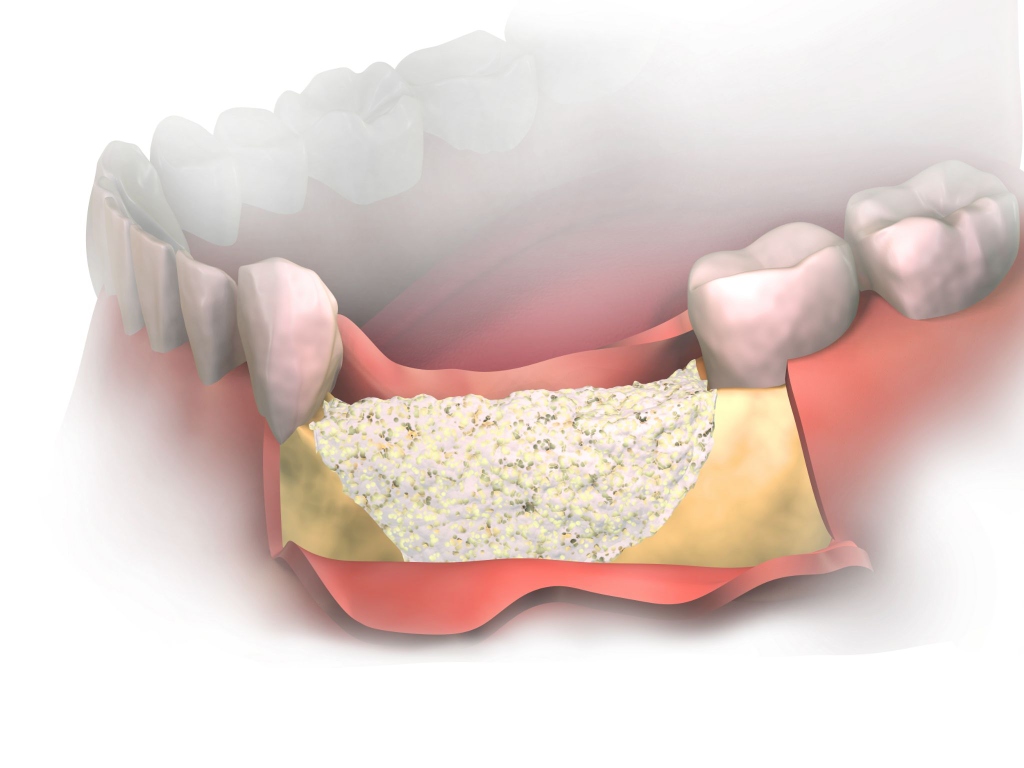
- Socket graft (ridge preservation): Particulate biomaterial packed into fresh extraction sockets stabilizes the blood clot and prevents horizontal buccal plate collapse. This predictable intervention maintains optimal bone volume for inserting dental implants after bone graft integration completes.
- Block bone graft: When an extensive portion of the jaw suffers severe horizontal or vertical volume loss, clinicians secure a solid block of bone with tiny titanium screws. This surgical approach restores substantial ridge contours where particulate materials alone might lack stability. It effectively rebuilds severely compromised ridges that require multiple restorations.
- Lateral ridge preservation graft: Targeting narrow jaw sections, this procedure widens the horizontal dimension of the alveolar ridge to accommodate standard fixture diameters. Clinicians place regenerative particulate material along the side of the ridge to widen narrow contours. Expanding the lateral boundary provides thick bony walls that support artificial tooth roots securely.
- Sinus lift procedure: Designed for the posterior upper jaw, this surgery elevates the low sinus membrane to create space for supplementary bone matrix. Adding dense material beneath the elevated membrane establishes adequate vertical depth away from the maxillary cavity. This crucial adjustment ensures upper molars have sufficient structural depth to support long-term chewing forces.
5. Bone grafting for dental implants procedure
The dental implant with bone graft procedure involves several stages, from evaluating jawbone conditions to placing graft material and monitoring healing. Depending on the extent of bone loss, dentists may perform bone grafting simultaneously with implant placement or recommend a separate grafting procedure followed by implant surgery after sufficient bone integration.
5.1. Step 1: Examination, 3D imaging, and consultation
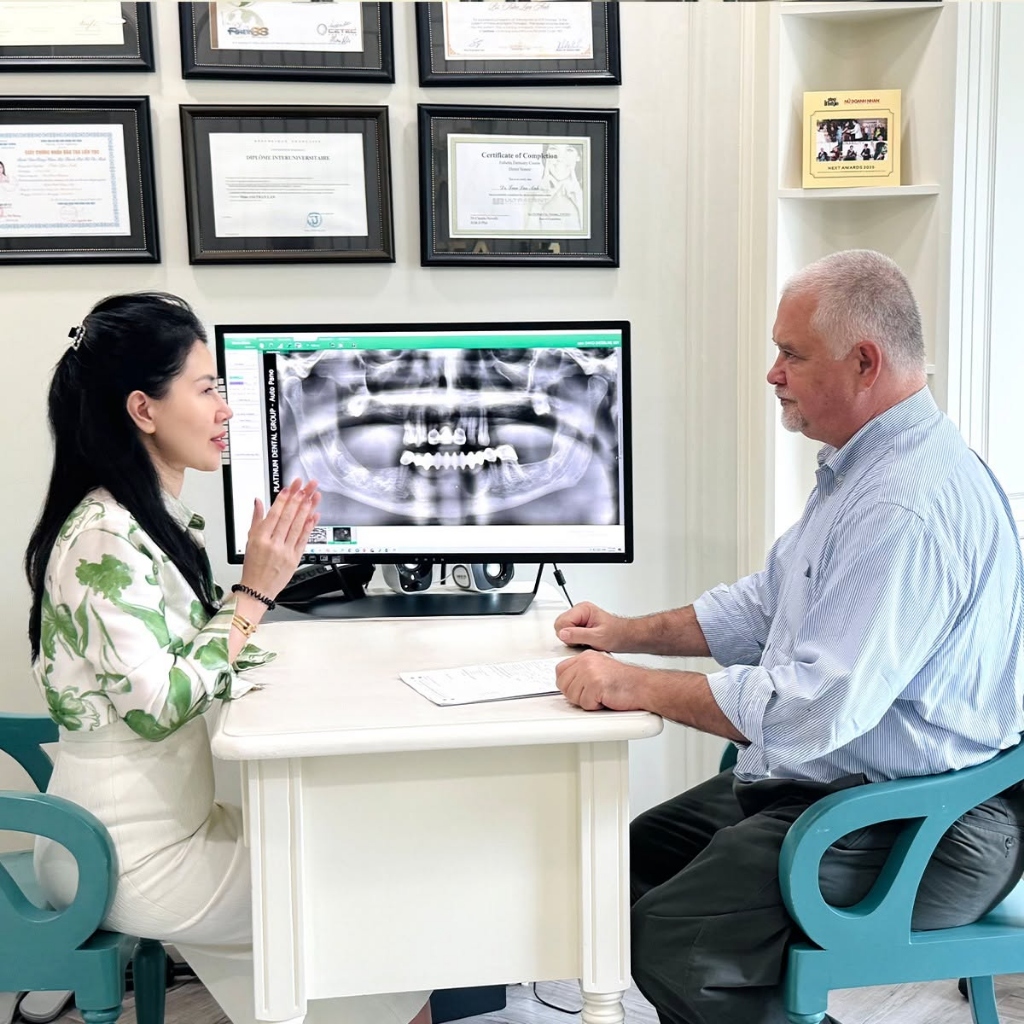
The dentist examines the patient’s oral health and uses Cone Beam Computed Tomography (CBCT) to assess jawbone height, width, and density. These images also help identify nearby anatomical structures, including nerves and sinus cavities. Based on the findings, the dentist determines the appropriate grafting technique and whether implant placement can be performed simultaneously or in a separate stage.
5.2. Step 2: Medical assessment and blood tests
Before surgery, patients undergo a medical assessment to identify conditions that may affect healing, such as diabetes, cardiovascular disease, or osteoporosis. Blood tests may be requested to evaluate blood glucose levels, clotting function, and other relevant health indicators. These results help the dental team assess surgical suitability and adjust the treatment plan when necessary.
5.3. Step 3: Anesthesia and surgical preparation
The treatment area is cleaned and disinfected before anesthesia is administered to minimize discomfort during surgery. Depending on the patient’s health condition, surgical complexity, and preferences, the dentist may use local anesthesia or combine it with sedation. The surgical team then prepares the treatment site under appropriate sterile conditions.
5.4. Step 4: Incision and bone defect preparation
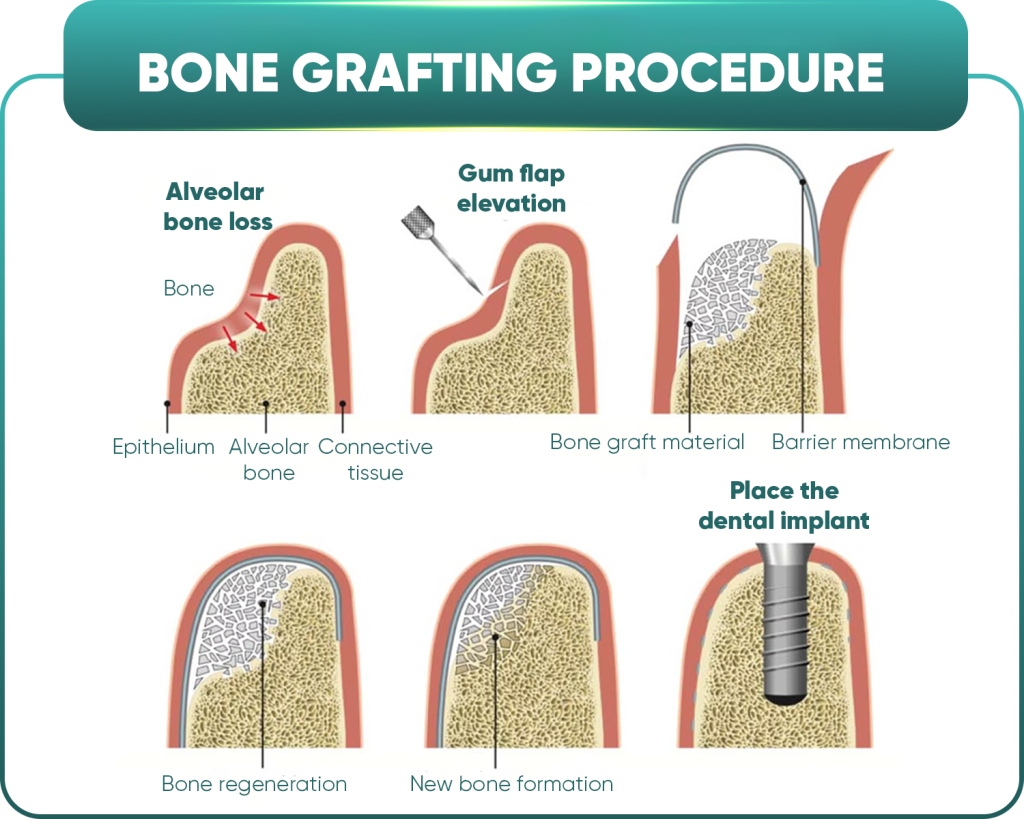
The dentist makes a small incision in the gum tissue to expose the deficient jawbone. Any damaged or infected tissue is carefully removed, and the recipient site is cleaned to prepare it for graft placement. This step helps establish suitable conditions for bone regeneration and graft integration.
5.5. Step 5: Bone graft material placement
The selected graft material, such as autograft, allograft, xenograft, or synthetic bone substitute, is placed into the deficient area. The dentist carefully shapes and positions the material to restore the required bone volume and support new bone formation. Depending on the extent of bone loss, a dental implant may be placed during the same procedure if adequate primary stability can be achieved.
5.6. Step 6: Membrane placement and suturing
After positioning the graft material, the dentist may cover the treated area with a protective membrane to stabilize the graft and prevent unwanted soft tissue from growing into the healing site. The gum tissue is then repositioned and secured with sutures to protect the surgical area. These measures help maintain graft stability throughout the initial healing period.
5.7. Step 7: Postoperative care and bone integration monitoring
After surgery, patients receive instructions on oral hygiene, dietary adjustments, medication use, and activity restrictions to support recovery. Scheduled follow-up visits allow the dentist to monitor soft tissue healing, check for signs of infection, and evaluate bone regeneration. For staged treatment, the graft generally requires approximately 3 to 6 months or longer to integrate, depending on its size and the patient’s healing response.
5.8. Step 8: Dental implant placement
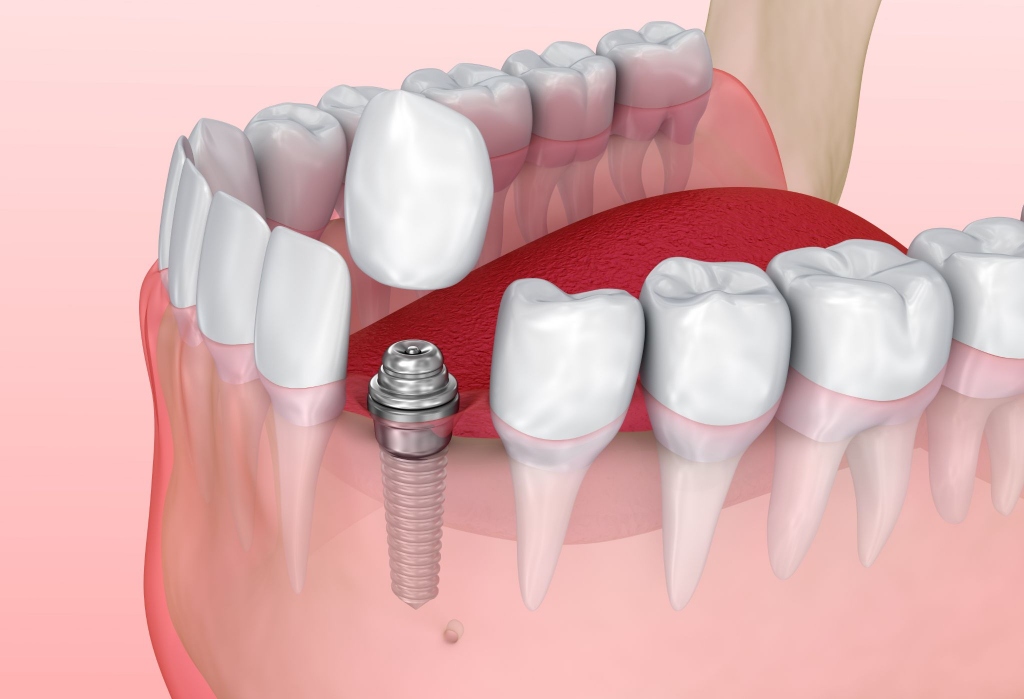
Once sufficient bone regeneration and stability are confirmed, the dentist proceeds with implant placement for patients following the staged approach. The gum tissue is opened to expose the augmented bone, and a carefully prepared site accommodates the titanium implant post at the planned position and angle. The surgical area is then closed with sutures to allow the implant to integrate with the surrounding bone.
5.9. Step 9: Final dental restoration
After approximately 3 to 6 months of osseointegration, the dentist evaluates implant stability and confirms that the surrounding bone has integrated adequately. An abutment is then attached to connect the implant post with the final restoration. A custom-made porcelain or zirconia crown or bridge is placed and adjusted to restore chewing function, bite alignment, and a natural-looking smile.
6. Does bone augmentation for dental implants hurt?
Bone augmentation is generally comfortable during surgery because the dentist uses local anesthesia to numb the treatment area. Sedation may also be available to help patients relax.
Postoperatively, patients experience mild to moderate soreness, facial edema, and minor tissue bruising, which peak within 48 to 72 hours before regressing. Applying cold compress packs, eating soft foods, and taking recommended pain relievers keep post-treatment discomfort well controlled. Following clinical recovery instructions helps soothe sensitive gum tissues, supporting faster healing over the next few days.
7. Important care instructions: Before and after bone grafting
Proper preparation and aftercare help support healing, reduce discomfort, and lower the risk of complications after bone grafting for dental implants. Follow the instructions below before and after surgery, and attend all scheduled check-ups so your dentist can monitor recovery and evaluate bone integration.
7.1. Pre-surgical preparation
- Health status disclosure: Inform your dentist about pre-existing conditions (cardiovascular, diabetes, osteoporosis) and current medications (especially blood thinners).
- Substance cessation: Stop smoking and alcohol consumption at least 1-2 weeks before surgery to ensure proper blood flow and healing.
- Pre-op nutrition and rest: Eat a light meal before surgery (unless under general anesthesia instructions) and get adequate rest.
- Medication compliance: Take pre-operative prescribed antibiotics or anti-inflammatory drugs strictly as directed.
7.2. Post-surgical recovery & care tips
- Cold compression (first 24 – 48 hours): Apply cold packs for 10-15 minutes at a time to minimize swelling and discomfort.
- Sinus protection (if sinus lift performed): Avoid blowing your nose, sneezing forcefully, bending over, or using drinking straws to prevent pressure on the sinus membrane.
- Dietary adjustments: Eat soft, cool, easy-to-swallow foods for 1-2 weeks; avoid hot, spicy, hard, or crunchy items.
- Gentle oral hygiene: Use a soft-bristled brush and prescribed saltwater/antiseptic rinses without aggressive spitting; avoid touching the surgical site.
- Rest & habit restrictions: Avoid strenuous exercise for 1-2 weeks and refrain from smoking or alcohol for at least 2-4 weeks.
- Follow-up visits: Attend scheduled check-ups and report warning signs (persistent swelling, severe pain, bleeding, or fever) immediately.
8. How much do dental implants with bone graft cost?
The total cost of combining bone grafting with implant placement depends on the extent of bone loss, grafting materials, surgical technique, and implant system. Across Vietnam, a combined single restoration typically ranges from $1,040 to $2,235 USD (approximately 25,000,000 to 55,000,000 VND), depending on structural defect size, grafting materials, and implant brand selections.
Platinum Dental Group offers transparent pricing packages categorized by clinical tier, helping patients plan their dental implants bone graft treatment with predictable estimates.
The price list below is converted based on fixed exchange rates of 1 USD = 26.000 VND and 1 AUD = 18.000 VND for reference purposes.
| SINGLE DENTAL IMPLANT PRICE LIST (Full Package: Implant, Abutment & Crown Included) | |||||
|---|---|---|---|---|---|
| Implant Type | Key Features | Cost (VND/implant) | Cost (AUD/implant) | Cost (USD/implant) | Warranty |
| Standard Implant |
| 20.000.000 | 1.111 | 769 | 5 years |
| Premium Implant |
| 35.000.000 | 1.944 | 1.346 | 7 years |
| Signature Implant |
| 45.000.000 | 2.500 | 1.731 | 10 years |
| FULL-ARCH DENTAL IMPLANT PRICE LIST (All-inclusive package: Implant Fixtures + High-strength Titanium Bar + Fixed Composite Bridge) | ||||||
|---|---|---|---|---|---|---|
| Implant Type | Key Features | Technique | Package Price (VND/arch) | Package Price (AUD/arch) | Package Price (USD/arch) | Warranty |
| Standard Implant |
| ALL ON 4 | 160.000.000 | 8.889 | 6.154 | 5 years |
| ALL ON 6 | 180.000.000 | 10.000 | 6.923 | |||
| Premium Implant |
| ALL ON 4 | 180.000.000 | 10.000 | 6.923 | 7 years |
| ALL ON 6 | 220.000.000 | 12.222 | 8.462 | |||
| Signature Implant |
| ALL ON 4 | 240.000.000 | 13.333 | 9.231 | 10 years |
| ALL ON 6 | 280.000.000 | 15.556 | 10.769 | |||
| *The fee above includes standard composite implant-supported prostheses. Should you choose to upgrade to a full-arch all-ceramic restoration, an additional charge of VND 50,000,000/arch (about 2.778 AUD/arch or 1.923 USD/arch) will apply. | ||||||
| IMPLANT-SUPPORTED PROSTHESES (Applies when choosing specific crowns or alternative materials; excludes Abutment) | |||||
|---|---|---|---|---|---|
| Crown Type | Key Features | Cost (VND) | Cost (AUD) | Cost (USD) | Warranty |
| Standard |
| 6.000.000 | 333 | 231 | 5 years |
| Premium |
| 8.000.000 | 444 | 308 | 7 years |
| Premium |
| 10.000.000 | 556 | 385 | 10 years |
| Signature |
| 15.000.000 | 833 | 577 | 12 years |
| SINUS LIFT & BONE GRAFTING PRICE LIST | |||
|---|---|---|---|
| Bone Grafting Procedure | Cost (VND) | Cost (AUD) | Cost (USD) |
| Lateral Window Sinus Lift & Bone Grafting | 5.000.000 – 10.000.000/tooth site | 278 – 556/tooth site | 192 – 385/tooth site |
| Bone Graft with Sinus Lift | 10.000.000 – 20.000.000/quadrant | 556 – 1.389/quadrant | 385 – 962/quadrant |
For an accurate estimate of dental implants with bone graft cost, an in-person examination is recommended. The dentist can assess your remaining bone volume, review 3D imaging, and recommend a suitable treatment approach with a personalized cost breakdown.
*Notes: The dental bone graft cost shown in the pricing table is for reference only. The actual cost may vary depending on each patient’s condition and treatment needs.
9. Platinum Dental Group: Optimal treatment plans & standardized bone grafting for flawless results
Established in 2015, Platinum Dental Group has accumulated over a decade of continuous clinical development in Ho Chi Minh City, serving over 30,000 domestic families, overseas Vietnamese, and international patients requiring complex oral rehabilitation.
Our surgical specialists leverage high-resolution RAY STUDIO Cone Beam CT (FOV 20×20) volumetric scans and computer-guided virtual planning software to assess alveolar height, width, and cortical density with sub-millimeter precision. Bone augmentation for dental implants is prescribed strictly when biologically indicated, preventing unnecessary surgical interventions while guaranteeing lasting structural anchorage.
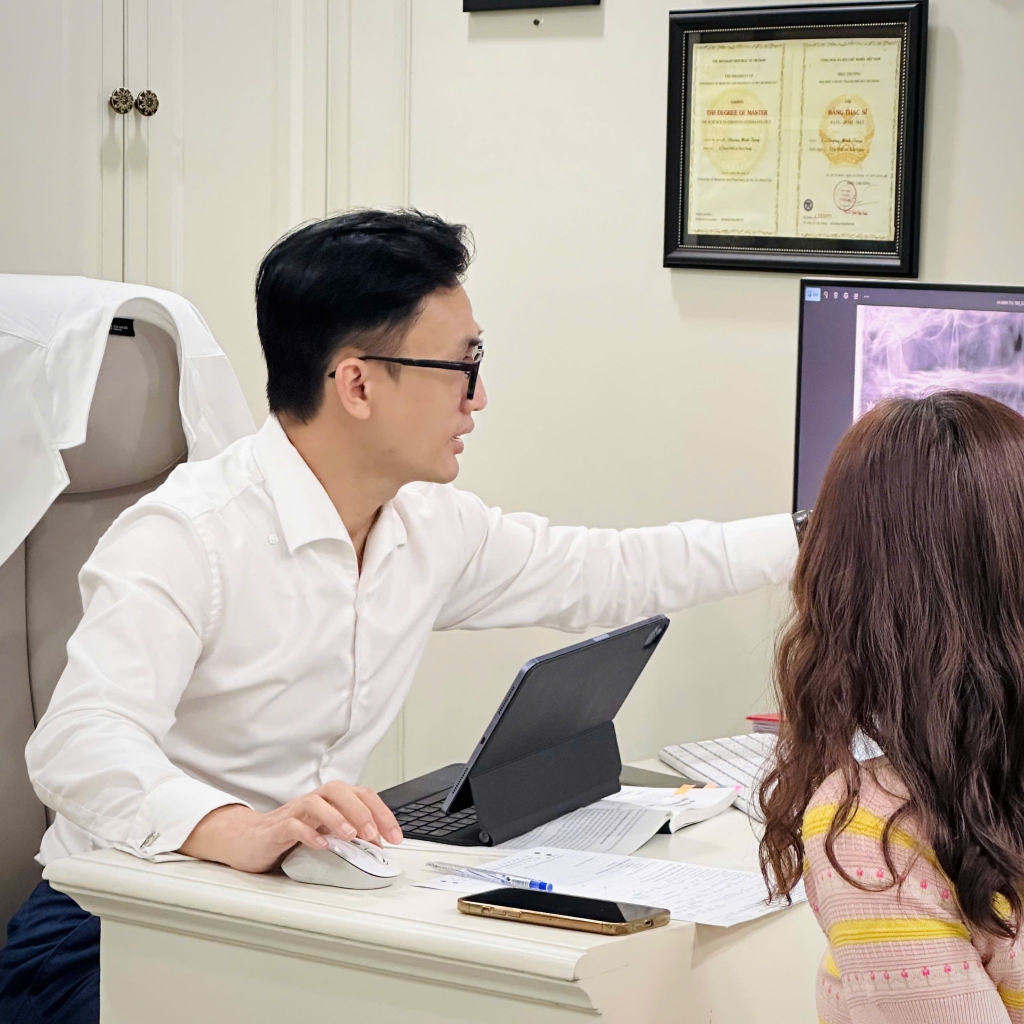
- Experienced team of dentists: Restorative and regenerative procedures are directed by seasoned clinicians, led by MSc. Dr. Duong Minh Tung (DDS Specialist Level II in Dentistry, Vice Head of the Oral & Maxillofacial Surgery Department at Ho Chi Minh City Odonto-Stomatology Hospital) with nearly 19 years of clinical expertise in maxillofacial surgery and complex implantology. Holding international credentials for premium implant systems, the surgical team routinely resolves challenging alveolar bone resorption, severe atrophy, and sinus floor elevations with exceptional predictability.
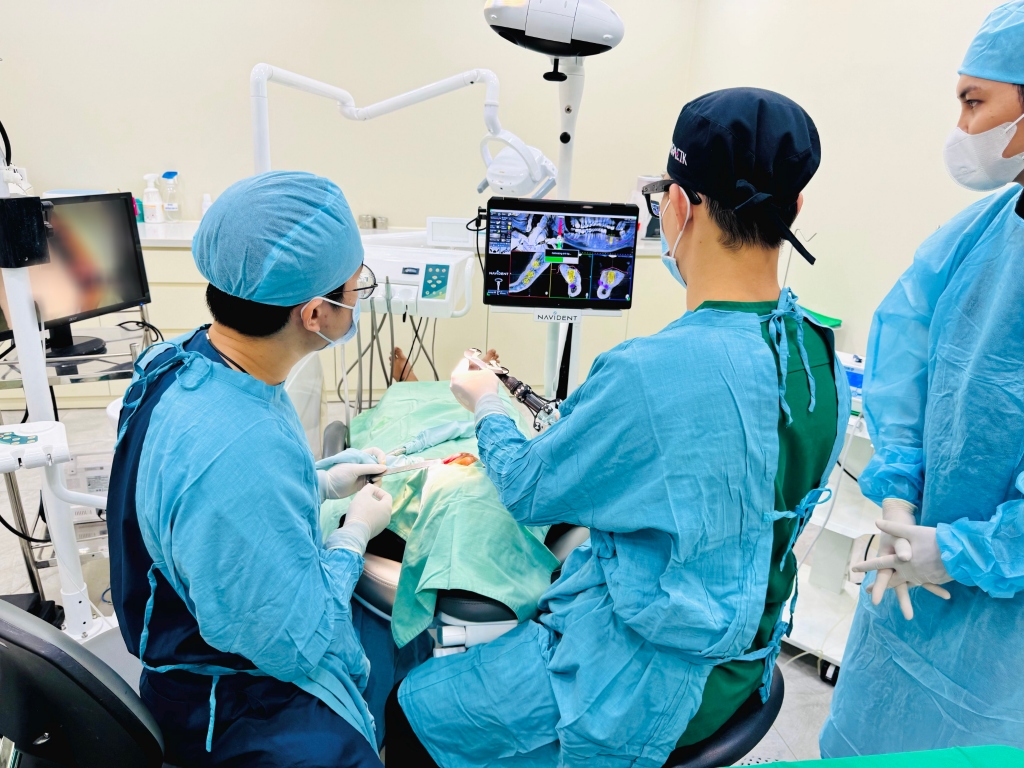
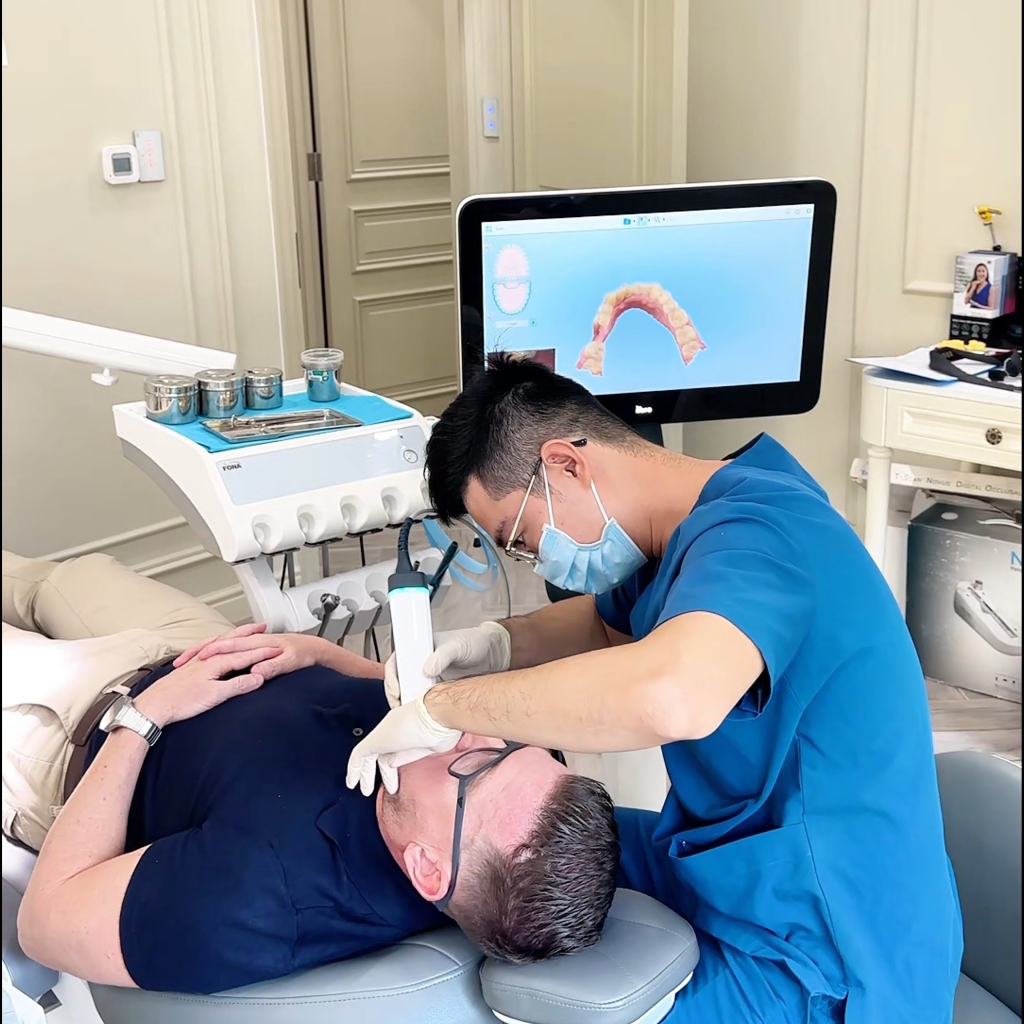
- Modern bone grafting equipment: The clinic utilizes advanced technologies such as ConeBeam CT RAY STUDIO FOV 20×20, iTero intraoral scanners, and Navident dynamic navigation. These diagnostic devices allow clinicians to visualize delicate anatomical structures like sinus cavities and nerve paths in real time. Digital guidance ensures high surgical accuracy and supports rapid post-operative tissue healing.
- Transparent pricing from the start: Patients receive comprehensive, itemized cost estimates before any treatment begins, ensuring clear communication with zero unexpected charges. Every treatment plan outlines required post types, grafting material costs, and prosthetic options with transparent pricing. Furthermore, long-term manufacturer warranties provide patients with reliable security regarding their restorative investment.
- Sterile operating rooms & comfortable recovery areas: Surgical procedures take place in specialized operating suites that follow rigorous international sterilization standards to prevent cross-contamination. Calming recovery lounges and modern anesthesia protocols reduce patient anxiety, creating a gentle and restful clinical atmosphere. Dedicated nursing professionals provide continuous post-operative monitoring to support a comfortable, smooth healing process.
If you are exploring bone grafting for dental implants, contact Platinum Dental Group to arrange a comprehensive 3D evaluation and receive an individualized treatment plan tailored to your health needs.
| Platinum Dental Group 📍 Platinum Dental Group Central – 127 Nguyen Cu Trinh Street, Nguyen Cu Trinh Ward, District 1, Ho Chi Minh City 📍 Platinum Dental Group Thao Dien – 1H Street No. 10, An Khanh Ward (Thao Dien area), Thu Duc City, Ho Chi Minh City ✉️ Email: info@platinumdentalvietnam.com 🌐 Website: https://platinumdentalvietnam.com 💬 Instagram: https://www.instagram.com/platinumdental.vietnam 🔗 Facebook: https://www.facebook.com/platinumdentalvn 📞 Hotline: 096 779 7799 |
Bone grafting for dental implants helps restore lost jawbone volume and create a stable foundation for tooth replacement. Whether bone loss results from missing teeth, gum disease, or other conditions, choosing the appropriate grafting technique can improve implant support and treatment outcomes. Understanding the procedure, graft materials, recovery process, and associated costs helps you make informed decisions and prepare for successful dental restoration.
Frequently asked questions
The following answers address common concerns about dental bone grafting, including postoperative discomfort, healing time, and the long-term stability of the grafted area.
 Zalo
 WhatsApp
 Map
 Hotline
 Booking Now