

 Tiếng Việt

Removable Dentures: Advantages, Types, and Key Considerations
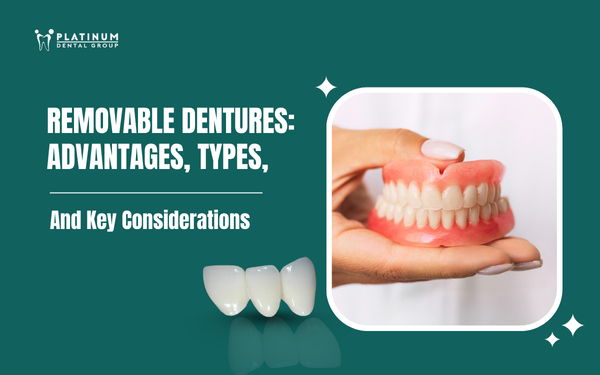

Removable dentures are one of the most widely used solutions for replacing missing teeth, offering patients an affordable and non-invasive way to regain confidence in their daily eating and speaking. As a customizable dental prosthetic, removable dentures are designed to mimic the appearance and function of natural teeth while being easy to insert, remove, and clean at home.
For patients who may not be ready for surgical treatments such as Dental Implants, removable dentures provide a reliable option that restores aesthetics and basic chewing function. With modern materials and improved fabrication techniques, today’s dentures are more comfortable, lightweight, and natural-looking than ever before.
In this guide, Platinum Dental Group explains the different types of removable dentures, their advantages, limitations, care instructions, and alternative treatment options to help patients make informed decisions about their oral health.
Nội dung bài viết
What are Removable Dentures?
Removable dentures are dental prosthetics designed to replace missing teeth and the surrounding gum tissue, restoring both function and aesthetics for patients. These dentures can be easily removed and reinserted by the patient, making daily cleaning and oral hygiene convenient and straightforward.
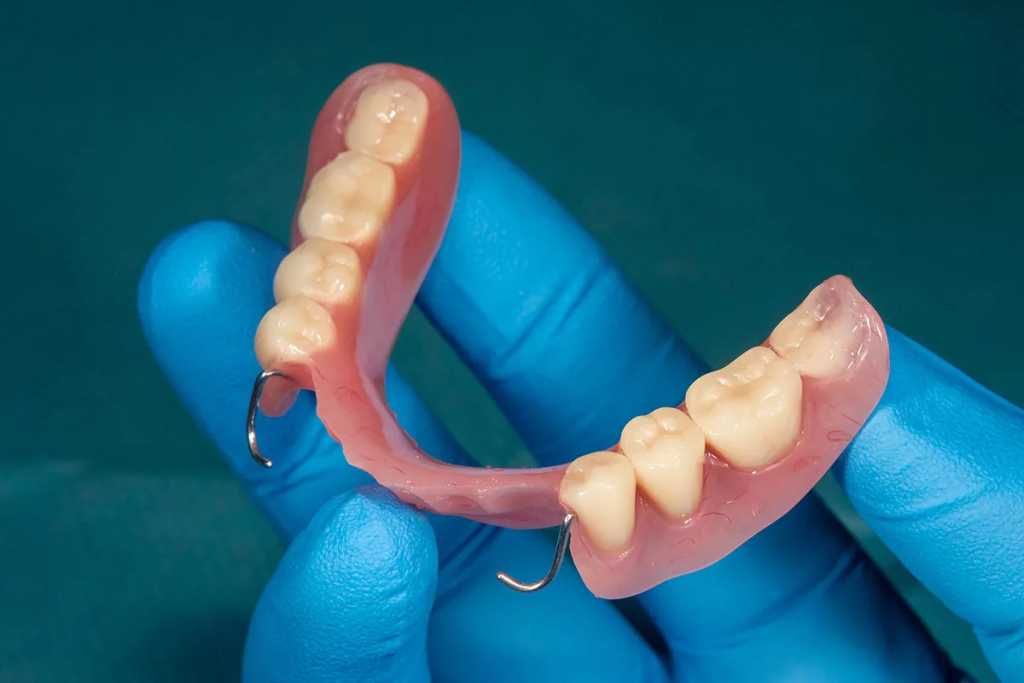
Basic Structure of Removable Dentures
A typical removable denture consists of two main components:
- Artificial Teeth: Crafted from durable resin (plastic) or porcelain, these teeth are designed to mimic the appearance and function of natural teeth.
- Denture Base (Jaw Frame): This supports the artificial teeth and rests comfortably on the gums. It is commonly made from acrylic resin (plastic) or a lightweight metal alloy framework for added strength.
Types Based on Tooth Loss
Removable dentures are customized depending on the number of missing teeth:
- Complete Dentures: These are used when all teeth in an upper or lower arch are missing. They provide full-arch replacement and restore the patient’s ability to chew, speak, and smile confidently.
- Partial Dentures: Designed for patients who still have some natural teeth, partial dentures are secured using metal or plastic clasps that attach to the remaining teeth, maintaining stability while filling the gaps effectively.
Removable dentures offer a flexible and non-invasive solution for patients who want to restore oral function without undergoing surgical procedures. For patients seeking more stability, implant-supported options are also available, combining the benefits of removable dentures with the security of dental implants.
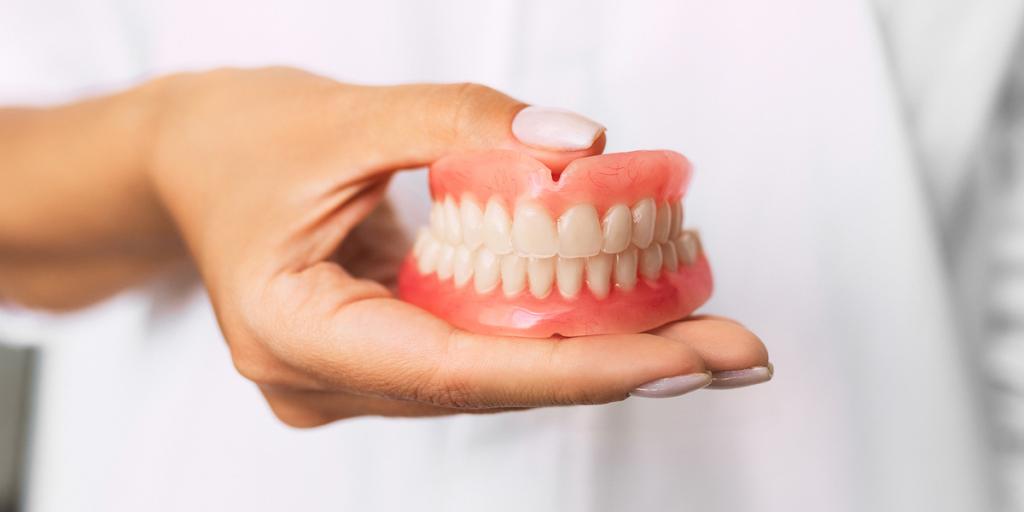
Types of Removable Dentures (By Material)
Removable dentures are available in different materials, each offering unique benefits and considerations. Choosing the right type depends on the patient’s oral health, budget, and long-term goals.
Acrylic Removable Dentures
Structure: The base of acrylic removable dentures is made from hard or flexible acrylic material, supporting the artificial teeth.
Advantages:
- Most affordable option among removable dentures.
- Simple and quick to fabricate, making it suitable for patients who need immediate replacement.
Limitations:
- Heavier weight can feel bulky for some patients.
- Lower durability with a typical lifespan of 1–3 years.
- Prone to looseness and may require frequent adjustments.
Acrylic dentures are ideal for patients seeking a cost-effective, non-invasive solution, though they may not provide the same long-term stability as other options.
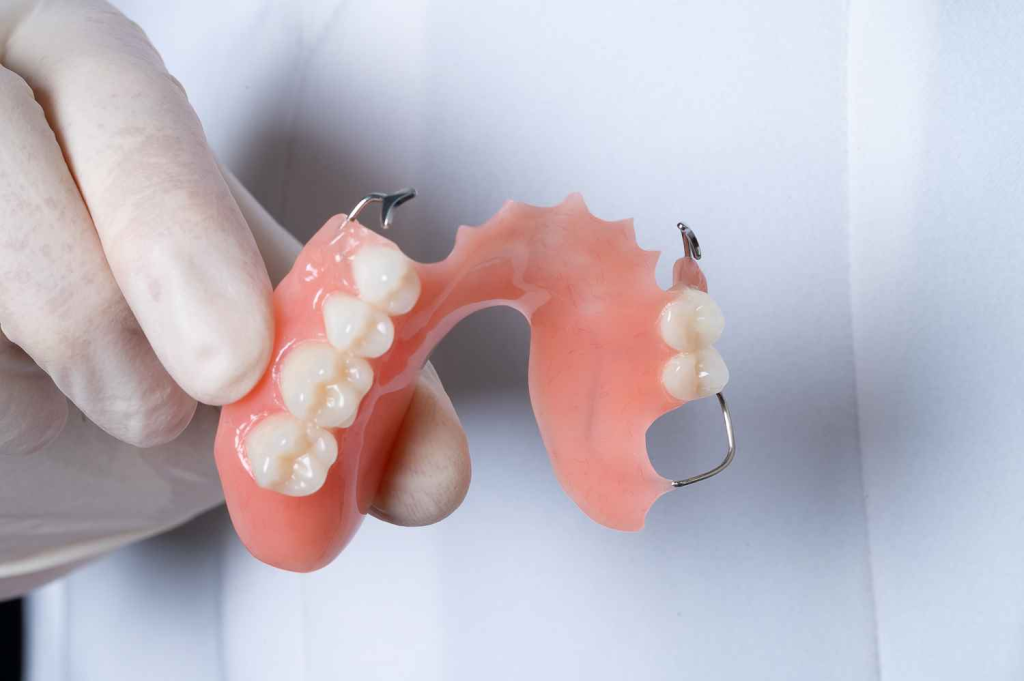
Removable Dentures with Metal Framework
Structure: These dentures combine an acrylic base with a metal alloy framework, typically made from Nickel-Chromium (Ni-Cr) or Titanium.
Advantages:
- Higher durability and strength compared to full acrylic dentures.
- More compact design, offering a lighter and more comfortable fit.
Limitations:
- Metal clasps can be visible, affecting aesthetics.
- Over time, the framework may place stress on adjacent natural teeth, requiring careful monitoring.
Metal framework dentures provide a balance between comfort, strength, and longevity, making them a popular choice for partial denture patients.

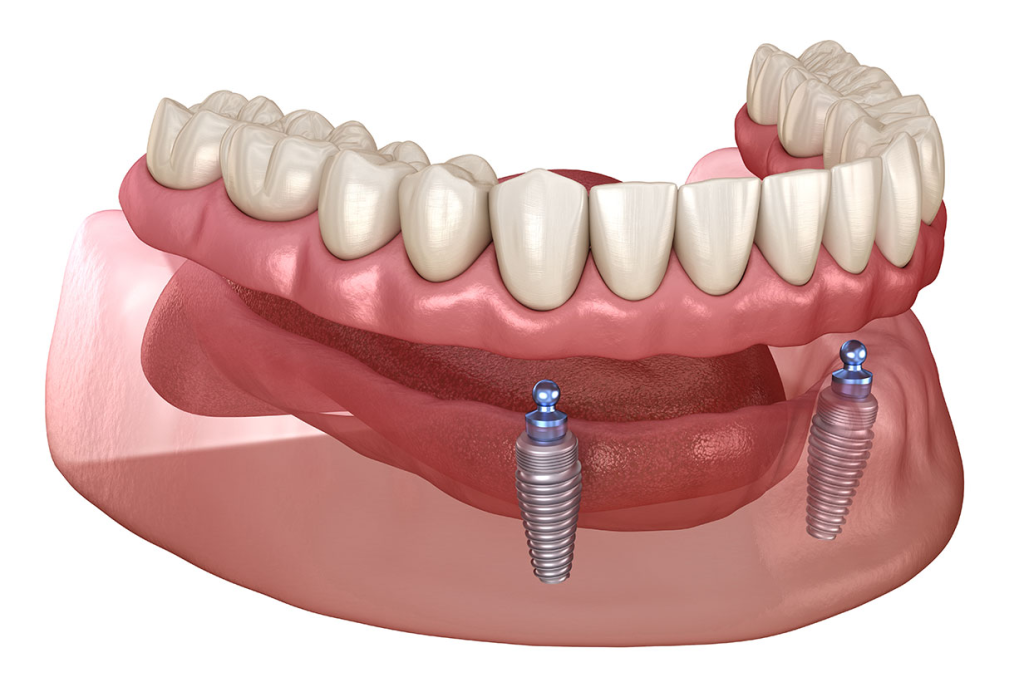
Implant-Supported Removable Dentures (Overdentures)
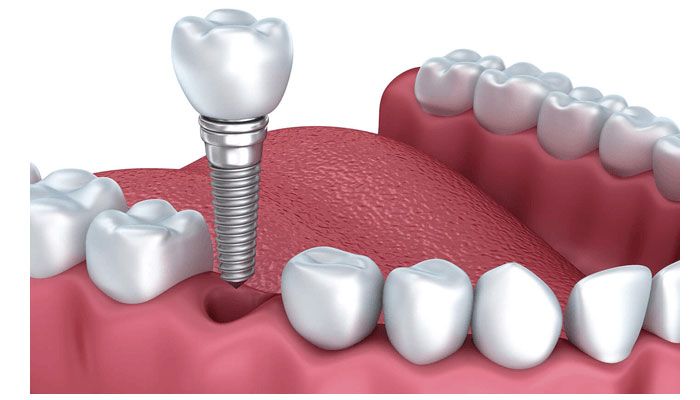
Description: Implant-supported removable dentures, also called overdentures, are a hybrid solution. The denture is secured using attachments connected to dental implants placed in the jawbone.
Benefits:
- High stability, reducing slippage and movement while eating or speaking.
- Improved chewing efficiency and comfort compared to conventional removable dentures.
- Helps preserve jawbone density, slowing down bone resorption over time.
Overdentures are an excellent option for patients looking for a long-term, stable, and more natural-feeling solution, combining the flexibility of removable dentures with the advantages of dental implants.
Advantages and Disadvantages of Removable Dentures
Removable dentures offer patients a practical solution for replacing missing teeth, but like any dental prosthetic, they come with both benefits and limitations. Understanding these factors helps patients make informed decisions about their oral care.
Key Advantages
Affordable Cost: Removable dentures are a cost-effective option compared to dental implants or fixed bridges, making them accessible for a wide range of patients.
Non-Invasive Procedure: The process does not require surgery or altering adjacent natural teeth, which is ideal for patients seeking a less invasive solution.
Quick Fabrication: Dentures can be fabricated and fitted relatively quickly, allowing patients to restore their smile and function without long waiting periods.
Suitable for All Ages: Removable dentures are suitable for patients who may not be candidates for surgery due to health concerns, bone loss, or age-related factors.
Major Disadvantages and Limitations
Reduced Chewing Efficiency: Removable dentures provide moderate chewing strength, typically around 20–30% of natural teeth, which may limit certain food choices.
Cannot Prevent Jawbone Resorption: Unlike dental implants, removable dentures do not stimulate the jawbone. Over time, continued bone loss can affect facial aesthetics, denture fit, and overall comfort.
Short Lifespan: Most removable dentures require replacement or major adjustment every 3–5 years due to wear, changes in jaw structure, or material degradation.
Aesthetic Impact: Some types, particularly partial dentures with metal clasps, may be less natural in appearance, affecting patient confidence.
Initial Discomfort: New dentures may feel bulky or foreign and can cause minor difficulty with speaking and chewing during the adjustment period.
Removable dentures remain a practical and economical solution for many patients, but it is important to weigh these advantages against potential limitations. For patients seeking improved stability and long-term oral health, implant-supported options may offer superior results.

The Denture Placement Procedure
The process of getting removable dentures at Platinum Dental is carefully designed to ensure comfort, functionality, and a natural appearance. Each step is carried out with precision, using gentle techniques to provide patients with a seamless experience.
Step 1: Examination and Consultation
The first step begins with a comprehensive oral health examination. The dentist evaluates the condition of the gums, any remaining teeth, and overall oral health. Any existing dental issues, such as cavities or gum disease, are treated before moving forward.
During the consultation, patients discuss their goals, lifestyle, and preferences. Together with the dentist, they choose the most suitable denture type and material – whether acrylic, metal framework, or implant-supported overdentures – tailored to meet individual needs.
Step 2: Dental Impressions
Accurate dental impressions are critical for a well-fitting denture. Detailed measurements of the oral cavity, including tooth dimensions, jaw structure, and gum contours, are taken. These impressions guide the fabrication of a custom denture that fits securely and looks natural.
Step 3: Denture Fitting and Adjustment
Once the custom denture is ready, the dentist carefully cleans the mouth and fits the prosthetic. Meticulous adjustments are made to ensure optimal comfort, stability, and bite alignment. Patients are encouraged to provide feedback during this step, helping to refine the fit and feel of their new dentures.
Step 4: Patient Care Instructions
Proper care and handling are essential for the longevity and comfort of removable dentures. Patients receive detailed instructions on how to insert, remove, and clean their dentures at home. This includes tips for soaking overnight, brushing with a soft toothbrush, and maintaining oral hygiene for any remaining natural teeth and gums.
By following these steps, patients can enjoy a functional, comfortable, and aesthetically pleasing solution for missing teeth. For those seeking enhanced stability, implant-supported dentures may offer additional benefits.
Care and Long-Term Considerations for Removable Dentures
Proper care and regular monitoring are essential to maintain the comfort, function, and longevity of removable dentures. By following daily hygiene routines and professional guidance, patients can enjoy a healthier mouth and a more confident smile.
Daily Care and Hygiene
To protect both the dentures and oral tissues, patients should remove their dentures nightly. Soaking them in a specialized denture solution or clean water allows the gums to rest and helps prevent bacterial buildup.
Denture surfaces should be cleaned daily using a soft toothbrush and denture cleanser, avoiding abrasive toothpaste that can damage the material. Additionally, patients should brush their gums, tongue, and any remaining natural teeth to maintain overall oral health and reduce the risk of irritation or infection.
Usage Tips
Certain habits can help extend the life of removable dentures:
- Avoid excessively hard, tough, or sticky foods that could crack or dislodge the denture.
- Handle dentures carefully to prevent dropping, which can cause chips or breaks.
By adopting these habits, patients can maintain optimal comfort and function with their removable dentures.
Professional Check-ups
Regular dental visits are crucial for long-term denture success. Patients should schedule check-ups every six months, during which the dentist can:
- Perform oral health examinations.
- Adjust or reline dentures to accommodate changes in the jaw and gums.
- Address any discomfort or fit issues promptly.
Since the jawbone naturally changes shape over time due to bone resorption, professional monitoring ensures dentures continue to fit properly and maintain facial aesthetics.
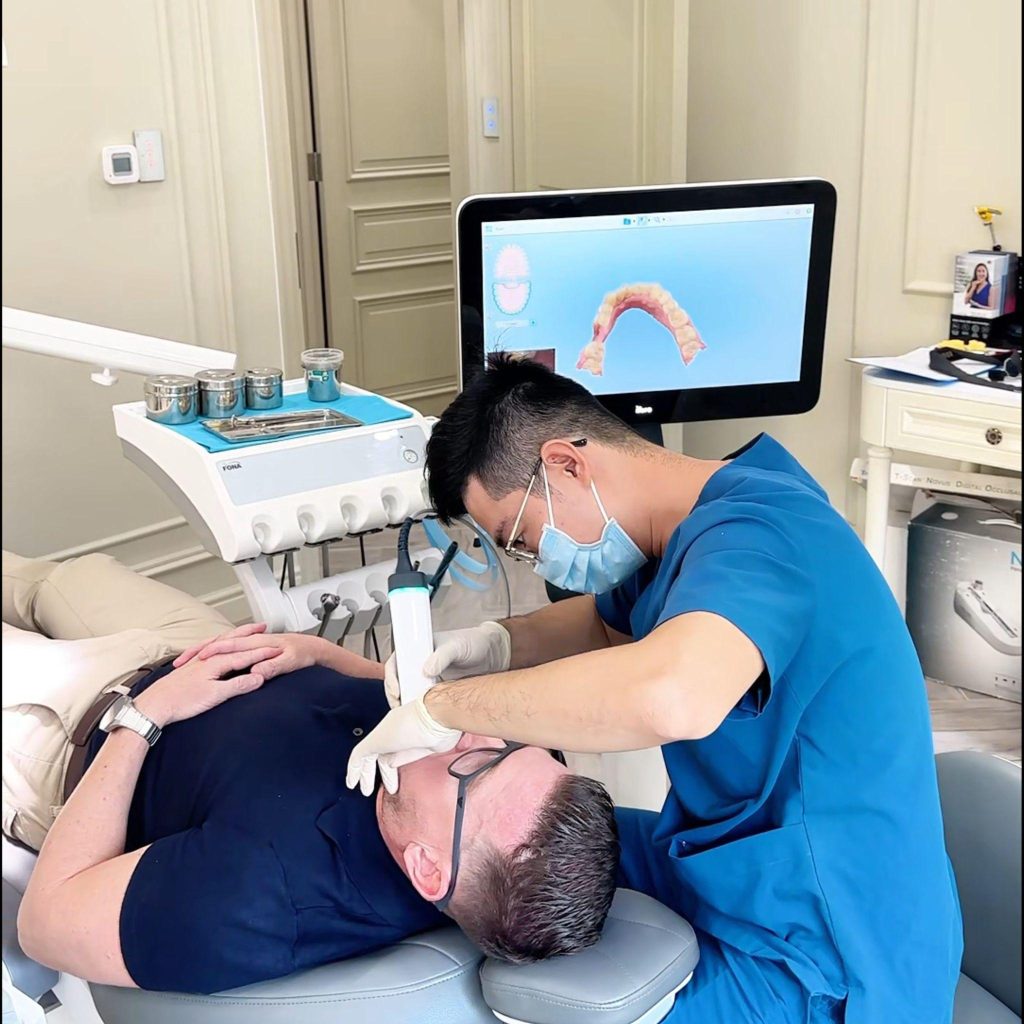
With proper care and regular dental supervision, removable dentures can remain a reliable, comfortable solution for restoring missing teeth.
While removable dentures provide a practical and economical solution for missing teeth, some patients may prefer longer-term options that offer greater stability and oral health benefits.
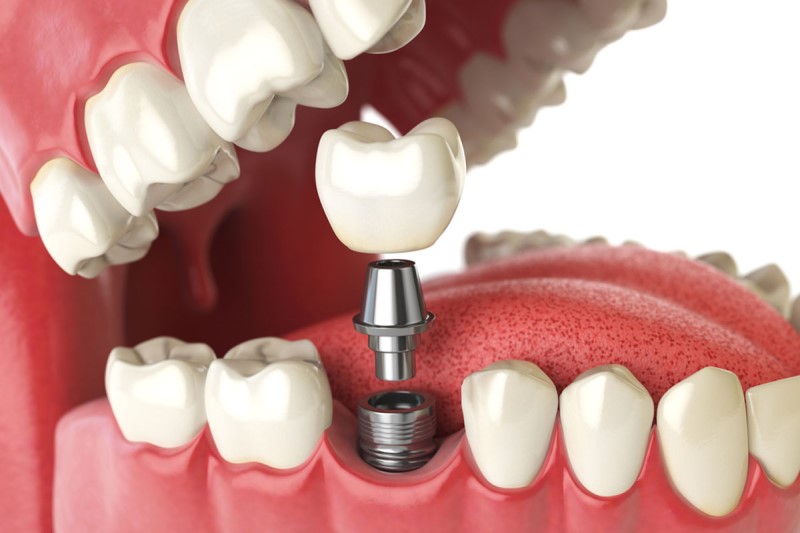
Dental Implants: Dental implants are the gold standard for tooth replacement. They restore nearly full chewing function, preserve the jawbone, and prevent bone resorption. Implant-supported solutions, such as implant-retained overdentures, combine stability with the flexibility of removable dentures, offering a comfortable and natural-feeling result.
Fixed Bridges: Fixed dental bridges provide a permanent, non-removable solution for replacing one or several missing teeth. These restorations are anchored to adjacent natural teeth, restoring aesthetics and function without the need for daily removal. While highly effective, fixed bridges require careful evaluation to ensure that supporting teeth are healthy.
Removable dentures remain a reliable and cost-effective solution, especially for patients seeking a non-invasive treatment or a temporary replacement. However, their limitations – such as reduced chewing efficiency and inability to prevent jawbone loss – should be carefully considered. Patients interested in a more stable, long-term solution may explore dental implants or fixed bridges for optimal results.
If you are considering removable dentures or exploring more permanent tooth replacement options, Platinum Dental Group is here to guide you. Schedule a consultation with our experienced dentists to discuss your needs, review your options, and receive a personalized treatment plan for a healthier, confident smile.
Learn more:
- An overview of the role of an Implant dentist
- General information about Veneer teeth
- General information about the cost of full mouth Dental Implants
- General information about Dental Crown treatment
- An overview of all on 4 Dental Implants
- General information about full mouth Dental Implants near me
Platinum Dental Group
Clinic Locations:
📍Platinum Dental Central: 127 Nguyen Cu Trinh Street, Cau Ong Lanh Ward, Ho Chi Minh City
📍Platinum Dental Thao Dien: 1H Street 10, An Khanh Ward, Ho Chi Minh City
📞 Hotline: (+84) 28 3920 9969 | 096 779 7799
✉️ Email: info@platinumdentalvietnam.com
🌐 Website: https://platinumdentalvietnam.com/
💬 Instagram: https://www.instagram.com/platinumdental.vietnam/
🔗 Facebook: https://www.facebook.com/platinumdentalvn
Articles on the same topic