

 Tiếng Việt

Orthognathic Surgery Before and After: Photos & Case Studies

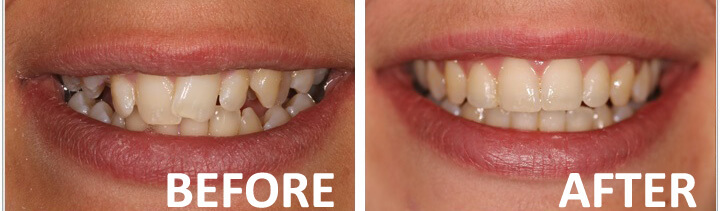
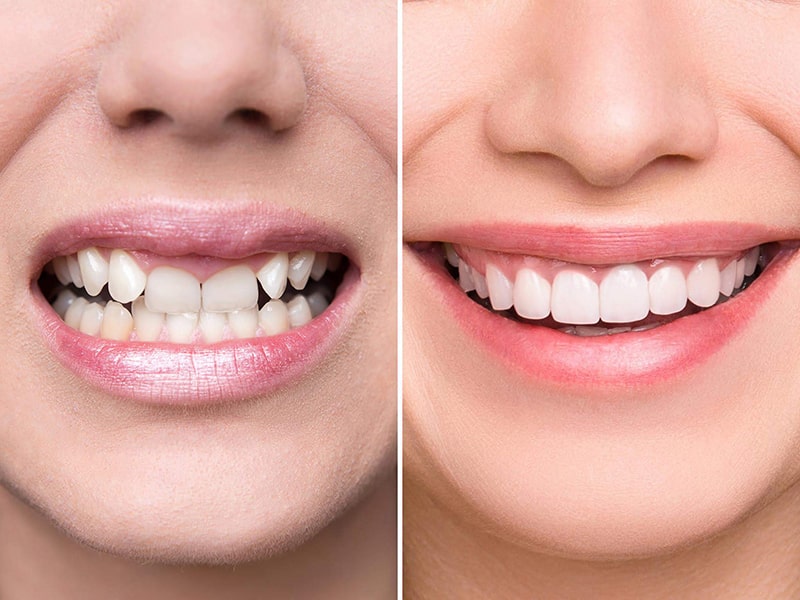
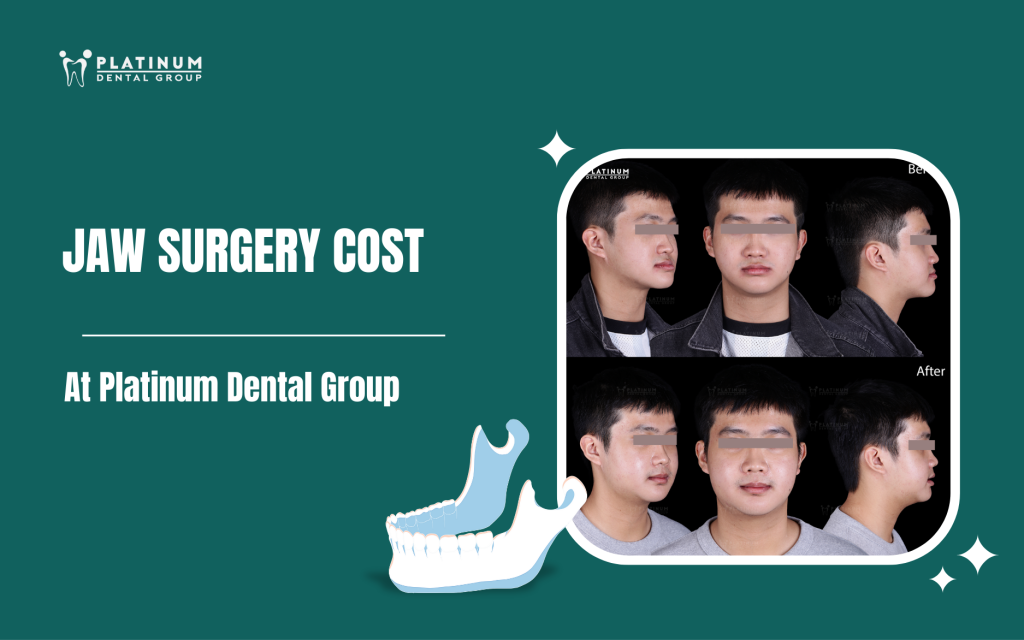
Orthognathic surgery before and after results provide patients with a clear understanding of how jaw alignment can dramatically improve facial balance, chewing function, and overall quality of life. At Platinum Dental Group, our surgeons use advanced diagnostics and 3D planning to ensure safe, predictable, and aesthetic outcomes for every patient.
In this guide, we explore what to expect before orthognathic surgery, the changes after surgery, real patient case studies, and answers to the most common questions.
Nội dung bài viết
- 1 Orthognathic Surgery Before and After: An Overview
- 2 Before Orthognathic Surgery: Symptoms and Jaw Issues
- 3 After Orthognathic Surgery: Results and Changes
- 4 Orthognathic Surgery Before and After: Photo Gallery & Case Studies
- 5 Highlighting the Surgeon and Techniques
- 6 FAQ About Orthognathic Surgery Before and After Results
- 7 Conclusion
Orthognathic Surgery Before and After: An Overview
Orthognathic surgery is performed to correct skeletal jaw discrepancies that cannot be treated with orthodontics alone. It involves repositioning the upper jaw, lower jaw, or both to achieve:
- Improved bite and chewing function
- Balanced facial proportions
- Clearer speech
- Better breathing (in some cases)
- Long-term oral health stability
At Platinum Dental Group, every surgery is planned using CBCT imaging, 3D facial analysis, and computer-guided techniques, allowing patients to visualize their projected before-and-after results even before the procedure begins.

Before Orthognathic Surgery: Symptoms and Jaw Issues
Patients often seek treatment because of functional or aesthetic concerns that affect daily life. Common pre-surgery symptoms include:
Facial Asymmetry
This may include one side shorter than the other, chin deviation, or uneven proportions.

Underbite or Overbite
When the upper and lower jaws do not align correctly, chewing efficiency decreases and teeth wear unevenly.

Open Bite
Some patients cannot fully bring their front teeth together, which affects speech and chewing.

Difficulty Chewing or Biting
Misaligned jaws place stress on the teeth and jaw joints, sometimes causing TMJ discomfort.
Breathing Issues or Snoring
Jaw position can influence airway size, contributing to breathing difficulties during sleep.
Aesthetic Concerns
A retruded chin, long-face syndrome, or protrusive jaw often leads patients to seek a more harmonious profile.
At this stage, patients undergo orthodontic evaluation, digital scans, and 3D imaging to create a customized treatment plan.

After Orthognathic Surgery: Results and Changes
After surgery, patients commonly experience:
Improved Bite and Chewing Function
The jaws are realigned to work together efficiently, reducing strain on the teeth and joints.
Balanced Facial Aesthetics
Enhancements are typically seen in:
- Jawline definition
- Chin projection
- Smile symmetry
- Overall profile
Better Breathing
In certain cases, patients report easier nasal breathing or reduced snoring.
Long-Term Dental Health
Proper alignment helps prevent tooth wear, gum problems, and TMJ issues.
Boosted Confidence
Most Platinum Dental patients express significant improvement in self-esteem following their final results.

Orthognathic Surgery Before and After: Photo Gallery & Case Studies
Case Study 1: Severe Underbite Correction
Concerns: Difficulty chewing, protruded lower jaw, facial asymmetry.
Treatment Plan: 3D surgical simulation → Lower jaw setback surgery → Post-op orthodontics.
Results: Balanced jaw proportions, corrected bite, improved profile, restored confidence.

Case Study 2: Long Face & Open Bite
Concerns: Unable to close front teeth, speech difficulty, gummy smile.
Treatment Plan: Le Fort I surgery to reposition the upper jaw → Bite closure with orthodontic finishing.
Results: Proper bite function, reduced gum display, more harmonious facial features.

Case Study 3: Asymmetry and Midline Shift
Concerns: Chin deviated to one side, uneven chewing, TMJ discomfort.
Treatment Plan: Two-jaw surgery to realign upper and lower jaw midlines.
Results: Symmetrical facial shape, reduced joint pain, enhanced overall facial balance.

Highlighting the Surgeon and Techniques
At Platinum Dental Group, jaw surgery is performed by highly trained maxillofacial surgeons experienced in:
- CBCT-guided 3D planning
- Computer-aided surgical splints
- Nerve-safe surgical techniques
- Gentle sedation and anesthesia protocols
- Enhanced recovery protocols
These advanced tools significantly reduce surgical risks and allow patients to preview expected before-and-after results beforehand.
FAQ About Orthognathic Surgery Before and After Results
Is orthognathic surgery considered major surgery?
Yes. Orthognathic surgery is classified as major surgery because it involves repositioning the jawbones. However, with modern techniques and experienced surgeons, it is safe, precise, and highly predictable.
How painful is recovery after jaw surgery?
Most patients report mild to moderate discomfort rather than severe pain. Medication, cold compresses, and gentle sedation protocols used at Platinum Dental help ensure a comfortable recovery.
How long until final before-and-after results are visible?
Initial improvements are visible within 4–6 weeks, but the final facial refinement and bite stabilization typically take 6–12 months, depending on swelling and orthodontic follow-up.
Does swelling change early before-and-after photos?
Yes. Swelling can temporarily affect early results, especially around the cheeks and chin. By the 3–6 month mark, most swelling subsides and the final facial contour becomes clearer.
Conclusion
Orthognathic surgery before and after transformations show how correcting jaw alignment can improve function, facial harmony, and overall confidence. With advanced 3D technology, skilled maxillofacial surgeons, and personalized treatment plans, Platinum Dental Group ensures precise, safe, and life-changing outcomes for every patient.
If you’re considering jaw surgery, we invite you to schedule a private consultation to discuss your goals and preview your personalized before-and-after simulation.
Learn more:
- Basic concepts related to Implants Dental
- An overview of teeth Veneers
- Overview of the cost of a single tooth Implant
- Key aspects of Crown Dental solutions
- Introduction to all on four Dental Implants near me
- General information about full mouth Dental Implants near me
Platinum Dental Group
Clinic Locations:
📍Platinum Dental Central: 127 Nguyen Cu Trinh Street, Cau Ong Lanh Ward, Ho Chi Minh City
📍Platinum Dental Thao Dien: 1H Street 10, An Khanh Ward, Ho Chi Minh City
📞 Hotline: (+84) 28 3920 9969 | 096 779 7799
✉️ Email: info@platinumdentalvietnam.com
🌐 Website: https://platinumdentalvietnam.com/
💬 Instagram: https://www.instagram.com/platinumdental.vietnam/
🔗 Facebook: https://www.facebook.com/platinumdentalvn
Articles on the same topic