

 Tiếng Việt

Lower jaw surgery – overview, benefits, procedure & recovery
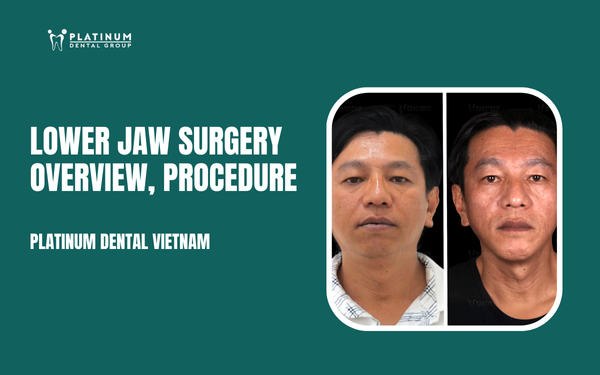

Lower jaw surgery is a specialized treatment designed to correct jaw misalignment that affects chewing function, facial balance, speech, and long-term oral health. For many patients, significant lower jaw discrepancies cannot be fully resolved with orthodontic treatment alone, making surgical correction an important and effective solution.
At Platinum Dental Group, lower jaw surgery is carefully planned using advanced diagnostic imaging and modern surgical techniques to ensure accuracy, safety, and patient comfort. This article provides a clear overview of what lower jaw surgery involves, who may benefit from it, how the procedure is performed, and what patients can expect during recovery, helping you make informed decisions about your oral health journey.
Nội dung bài viết
What lower jaw surgery is?
Lower jaw surgery, also known as mandibular surgery or orthognathic surgery of the lower jaw, is a corrective surgical procedure designed to reposition the lower jaw into proper alignment with the upper jaw and facial structure. This treatment is commonly recommended for patients with jaw misalignment that affects chewing function, speech, facial balance, or long-term oral health.
Lower jaw surgery focuses on correcting structural jaw discrepancies rather than cosmetic concerns alone. By restoring proper bite alignment and jaw harmony, the procedure helps improve oral function, relieve jaw discomfort, and support overall facial symmetry in a safe and predictable manner under specialist care.

Types of lower jaw surgery
Lower jaw surgery is not a one-size-fits-all procedure. The treatment approach is carefully selected based on each patient’s jaw structure, bite relationship, facial proportions, and functional concerns. At Platinum Dental Group, every case begins with a comprehensive clinical evaluation to determine the most suitable surgical technique.
The most common types of lower jaw surgery include:
Mandibular advancement surgery
This procedure moves the lower jaw forward and is commonly used for patients with a recessed or underdeveloped lower jaw. It helps correct bite issues such as an overbite, improves chewing efficiency, and enhances facial balance.
Mandibular setback surgery
Mandibular setback surgery repositions the lower jaw backward to correct a protruding jaw or underbite. This type of lower jaw surgery can significantly improve bite alignment, speech clarity, and overall facial harmony.
Asymmetry correction surgery
For patients with uneven jaw growth or facial asymmetry, this procedure adjusts the lower jaw to restore balance between both sides of the face. Correcting asymmetry also helps distribute biting forces evenly and reduces strain on the jaw joints.
Combined jaw surgery (when indicated)
In certain cases, lower jaw surgery may be performed alongside upper jaw correction to achieve optimal bite alignment and facial proportions. This approach is planned carefully to ensure both functional stability and long-term comfort.
Each type of lower jaw surgery is performed using precise surgical planning and modern techniques to ensure patient safety, comfort, and predictable outcomes. A personalized consultation at Platinum Dental Group allows our specialists to recommend the most appropriate treatment plan based on your unique needs.
Common conditions treated with lower jaw surgery
Lower jaw surgery is commonly recommended for patients whose jaw structure causes functional problems, discomfort, or facial imbalance that cannot be corrected with orthodontics alone. These conditions often affect daily activities such as chewing, speaking, and breathing, as well as long-term oral health.
Some of the most common conditions treated with lower jaw surgery include:
Underbite (mandibular prognathism)
An underbite occurs when the lower jaw protrudes forward beyond the upper jaw. Lower jaw surgery helps reposition the jaw into proper alignment, improving bite function, speech clarity, and facial harmony.
Recessed lower jaw (mandibular deficiency)
Patients with an underdeveloped lower jaw may experience bite instability, difficulty chewing, or facial imbalance. Corrective lower jaw surgery advances the jaw forward to restore balanced facial proportions and functional bite alignment.
Jaw asymmetry
Uneven growth of the lower jaw can result in facial asymmetry and uneven biting forces. Lower jaw surgery corrects these discrepancies, helping improve facial symmetry and reducing strain on the jaw joints.
Severe bite misalignment
When orthodontic treatment alone cannot correct significant bite problems, lower jaw surgery may be necessary. This includes complex malocclusions that affect long-term dental stability and oral function.
Speech, breathing, or jaw joint concerns
In some cases, lower jaw misalignment contributes to speech difficulties, airway issues, or chronic jaw discomfort. Surgical correction helps improve jaw positioning, supporting better function and overall quality of life.
At Platinum Dental Group, each condition is evaluated through detailed clinical assessment and advanced imaging to ensure lower jaw surgery is only recommended when it provides clear functional and health benefits for patients.
Benefits of lower jaw surgery for patients
Lower jaw surgery offers more than structural correction – it delivers meaningful improvements in oral function, comfort, and overall quality of life. For patients with significant jaw misalignment, this treatment addresses the root cause of long-term dental and facial concerns rather than masking symptoms.

One of the most important benefits is improved bite alignment and chewing efficiency. By repositioning the lower jaw into proper alignment with the upper jaw, patients can chew more comfortably and evenly, reducing excessive wear on teeth and lowering the risk of future dental problems.
Lower jaw surgery also helps relieve jaw discomfort and joint strain. Correcting jaw position reduces abnormal pressure on the temporomandibular joints (TMJ), which may ease symptoms such as jaw pain, muscle tension, and headaches in suitable cases.
Another key benefit is enhanced facial balance and symmetry. While the primary goal is functional improvement, patients often notice a more harmonious facial profile as the lower jaw is repositioned to align with natural facial proportions.
For many patients, the procedure contributes to clearer speech and improved breathing. Proper jaw alignment supports better tongue positioning and airway function, which can positively impact speech clarity and overall comfort during daily activities.
At Platinum Dental Group, lower jaw surgery is carefully planned and performed using gentle techniques and advanced surgical protocols. This ensures predictable outcomes, improved comfort, and long-term stability tailored to each patient’s individual needs.

Lower jaw surgery treatment procedure
At Platinum Dental Group, lower jaw surgery follows a structured, patient-focused process designed to ensure safety, accuracy, and long-term stability. Each treatment plan is personalized, with close coordination between oral surgeons and orthodontic specialists to achieve optimal functional and aesthetic outcomes.

Clinical evaluation & imaging (CT / ceph X-ray)
The process begins with a comprehensive clinical examination to assess jaw alignment, bite relationship, facial proportions, and overall oral health. Advanced imaging, including 3D CT scans and cephalometric (ceph) X-rays, is used to evaluate bone structure and jaw positioning with high precision. These diagnostic tools allow our specialists to identify the exact nature of the jaw discrepancy and plan treatment accurately.
Treatment planning and model simulation
Based on clinical findings and imaging results, a detailed treatment plan is developed. Digital planning and model simulation are used to visualize jaw movements and predict post-treatment outcomes. This step helps ensure precise correction, enhances surgical safety, and allows patients to clearly understand the expected results of lower jaw surgery.
Pre-surgical orthodontics if needed
In some cases, orthodontic treatment is recommended before surgery to align the teeth properly. Pre-surgical orthodontics helps create a stable bite foundation, ensuring that the jaws fit together correctly after surgery. Not all patients require this step, and it is only included when it contributes to better long-term results.
The surgical procedure (general overview)
Lower jaw surgery is performed in a controlled hospital setting under general anesthesia to ensure patient comfort. The surgeon carefully repositions the lower jaw according to the pre-planned measurements, focusing on functional alignment and facial balance. Modern surgical techniques are used to minimize tissue trauma and support smooth healing, without unnecessary surgical complexity.
Post-surgery care plan
After surgery, patients receive a clear and structured post-operative care plan. This includes pain management guidance, dietary recommendations, oral hygiene instructions, and follow-up appointments to monitor healing. At Platinum Dental Group, ongoing support and close follow-up care play a key role in helping patients recover comfortably and achieve stable, long-term results after lower jaw surgery.
Recovery timeline after lower jaw surgery
Recovery after lower jaw surgery is a gradual and carefully monitored process. While healing timelines may vary depending on individual health and treatment complexity, most patients progress through predictable recovery stages with proper care and follow-up at Platinum Dental Group.
First week expectations
During the first week after lower jaw surgery, patients typically experience swelling, mild discomfort, and limited jaw movement. Pain is managed effectively with prescribed medication, and rest is strongly recommended. Soft or liquid foods are advised during this initial phase to protect the surgical area and support healing.
Swelling reduction timeline
Facial swelling usually peaks within the first 2–3 days following surgery and then gradually subsides. Most patients notice a significant reduction in swelling after the first two weeks, with continued improvement over the following months. Cold compresses and proper head elevation can help reduce swelling more comfortably.
Diet progression & oral care
Diet progression is an important part of recovery after lower jaw surgery. Patients typically begin with liquid or very soft foods and gradually transition to soft solids as healing progresses. Gentle oral hygiene practices are essential during this time, and specific instructions will be provided to maintain cleanliness while protecting the surgical site.
Follow-up schedule at the clinic
Regular follow-up visits are scheduled to monitor healing and jaw stability. These appointments allow the dental team to assess recovery, adjust post-operative care as needed, and ensure that healing is progressing as expected. Consistent follow-up plays a key role in achieving safe and predictable outcomes.
When normal function returns
Most patients can gradually resume normal jaw function, including speaking and chewing, within several weeks after lower jaw surgery. Full recovery and stabilization typically occur over a few months, depending on individual healing and whether orthodontic treatment is part of the overall plan. At Platinum Dental Group, patients are guided carefully through each recovery stage to ensure comfort and long-term success.
Costs and factors affecting price
The cost of lower jaw surgery can vary depending on each patient’s specific condition and treatment requirements. Because this procedure is highly personalized, pricing is determined after a comprehensive clinical evaluation rather than a fixed package rate.
Several key factors influence the overall cost of lower jaw surgery:
Complexity of the jaw condition
More severe jaw misalignment or asymmetry may require advanced surgical planning and longer treatment time, which can affect the overall cost.
Pre- and post-surgical orthodontic treatment
Some patients require orthodontic care before or after surgery to achieve stable bite alignment. The duration and type of orthodontic treatment can influence the total investment.
Surgical setting and anesthesia
Lower jaw surgery is typically performed under general anesthesia in a hospital environment to ensure patient safety and comfort. Hospital fees, anesthesia, and surgical equipment are included in the overall cost.
Surgeon expertise and technology used
Treatment provided by experienced oral surgeons using advanced imaging, digital planning, and modern surgical techniques contributes to predictable outcomes and long-term stability.
Follow-up care and recovery support
Post-surgical monitoring, follow-up appointments, and recovery guidance are essential parts of the treatment process and are factored into the overall treatment plan.
At Platinum Dental Group, transparent pricing and clear communication are prioritized. Patients receive a detailed cost breakdown during consultation, ensuring they understand every aspect of their lower jaw surgery treatment before proceeding.
FAQ about lower jaw surgery
Is lower jaw surgery considered a major procedure?
Lower jaw surgery is considered a significant surgical procedure because it involves repositioning the jawbone to correct alignment. However, it is a well-established treatment performed under controlled conditions by experienced oral and maxillofacial surgeons. With thorough planning, modern techniques, and proper post-operative care, the procedure is generally safe and predictable for suitable patients.
How much discomfort do patients typically experience after lower jaw surgery?
Most patients experience mild to moderate discomfort after lower jaw surgery, especially during the first few days. Pain is effectively managed with prescribed medication, and discomfort typically decreases as swelling subsides. The majority of patients report that recovery is more manageable than they initially expected.
What is the usual recovery timeline for lower jaw surgery?
Initial recovery usually takes a few weeks, during which swelling and limited jaw movement gradually improve. Most patients can return to daily activities within 2–4 weeks, while full healing and stabilization may take several months. Regular follow-up visits help ensure a smooth recovery after lower jaw surgery.
Is there an age limit for undergoing lower jaw surgery?
Lower jaw surgery is typically recommended after jaw growth has fully developed, which is usually in late adolescence or adulthood. There is no strict upper age limit, as eligibility depends on overall health, bone condition, and individual treatment goals. A professional evaluation at Platinum Dental Group helps determine whether the procedure is appropriate for each patient.
Lower jaw surgery is a comprehensive solution for patients facing functional bite issues, jaw misalignment, or facial imbalance that cannot be corrected with orthodontics alone. With proper diagnosis, careful treatment planning, and expert surgical execution, this procedure can significantly improve chewing function, comfort, facial harmony, and long-term oral health.
At Platinum Dental Group, lower jaw surgery is approached with a strong focus on safety, precision, and patient comfort. From initial consultation through recovery, our experienced dental and surgical team provides personalized care and clear guidance at every stage.
If you are experiencing jaw alignment concerns or have been advised to consider lower jaw surgery, we encourage you to schedule a professional consultation at Platinum Dental Group. Our specialists are here to assess your condition, explain your options clearly, and help you make confident, informed decisions about your treatment.
Learn more:
- Important aspects of Implant Dental solutions
- Essential details related to tooth Veneers
- Important considerations related to teeth Implants cost
- An overview of Teeth Crowns in restorative dentistry
- Important information about all on 4 Dental Implants near me
- Essential details related to full Dental Implants near me
Platinum Dental Group
Clinic Locations:
📍Platinum Dental Central: 127 Nguyen Cu Trinh Street, Cau Ong Lanh Ward, Ho Chi Minh City
📍Platinum Dental Thao Dien: 1H Street 10, An Khanh Ward, Ho Chi Minh City
📞 Hotline: (+84) 28 3920 9969 | 096 779 7799
✉️ Email: info@platinumdentalvietnam.com
🌐 Website: https://platinumdentalvietnam.com/
💬 Instagram: https://www.instagram.com/platinumdental.vietnam/
🔗 Facebook: https://www.facebook.com/platinumdentalvn
Articles on the same topic