

 Tiếng Việt

What Is a Dental Implant? A Complete Guide (2026)

Dental Implants – Restoring missing teeth, improving the quality of daily life.
Nội dung bài viết
- 1 What is a dental implant?
- 2 What is the structure of dental implants?
- 3 Dental implant methods
- 4 Benefits of dental implant
- 5 Who needs dental implants
- 6 Dental implant procedure and treatment duration
- 7 Dental implant price list
- 8 Things to keep in mind to get a successful implantation
- 9 Frequently asked questions about dental implant
- 10 Platinum Dental Group
What is a dental implant?
Dental implant (also known as Implantation) is the most advanced method of restoring missing teeth today, using a Titanium post implanted directly into the jawbone to replace the missing tooth root. After the post is firmly integrated with the bone, a dental crown will be placed on top, recreating a complete tooth in structure and function that ensures chewing function, aesthetics, and feeling almost like a natural tooth.
What is the structure of dental implants?
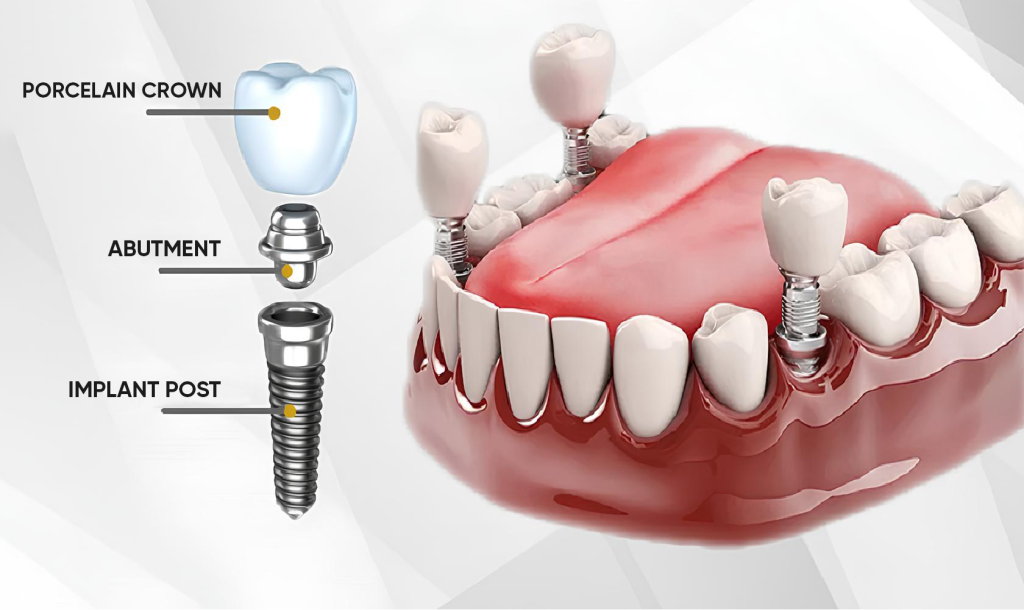
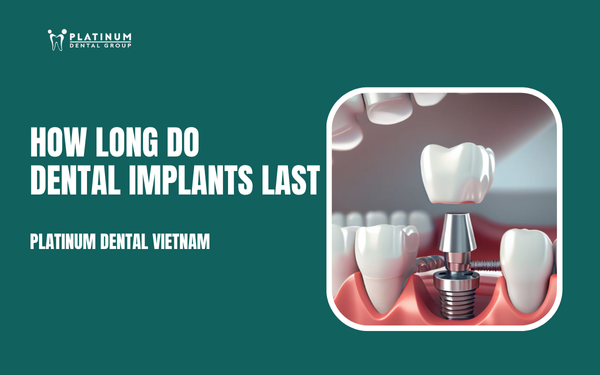
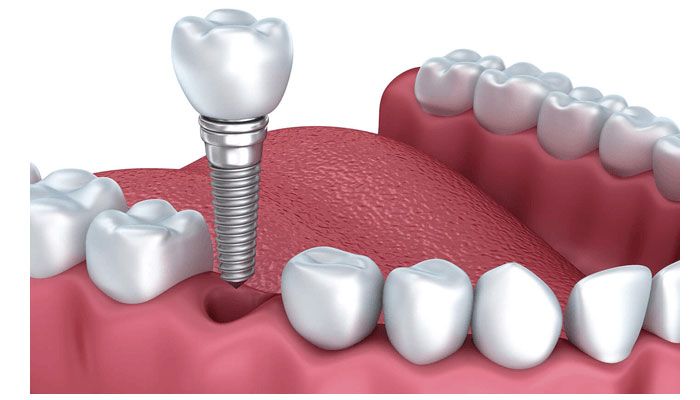
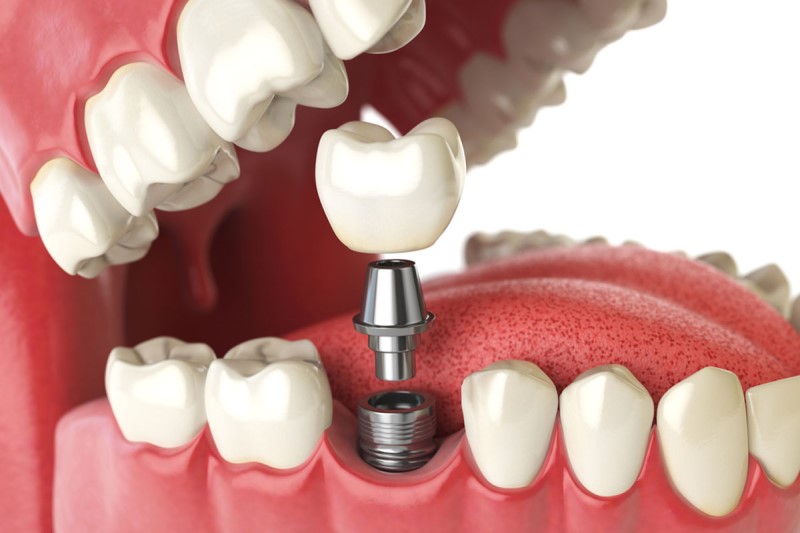
Dental implants are the most advanced and comprehensive dental restoration solution today, consisting of three main parts working together like a natural tooth in both function and aesthetics.
Porcelain Crown
This is the artificial tooth body that is fixed on the implant through the abutment joint, perfectly recreating the chewing function and natural appearance. The dental crown is usually made of solid porcelain or a combination of porcelain and alloy, with a hollow design inside to closely fit the joint. The shape, color, and size of the dental crown are individually designed to harmonize with the remaining natural teeth, bringing an aesthetic and natural smile.
Abutment
Abutment is the connector piece, connecting the implant post and the dental crown above, helping to form a unified body and ensuring its tightness and firmness. Abutment is often straight or inclined depending on the position and aesthetic requirements, typically made of Titanium, precious metals or Zirconia – materials with high durability and load-bearing capacity to ensure long-term life like implant posts.
Implant Post
This is an artificial tooth root, shaped like an elongated cylindrical post, made of Titanium – a biological material that is highly compatible with the body. The surface of the implant post is often designed with spiral grooves or roughened surface to optimize the ability of jawbone osseointegration. The implant post is placed directly into the position of the missing tooth, acting as a solid “new tooth root” and the foundation to support the dental crown or dental bridge above. In the current market, there are many different types of implant posts in terms of brand, origin, and technical characteristics.
Dental implant methods
At Platinum Dental, we provide comprehensive and personalized implant solutions, adjusted to each specific tooth loss condition. With a team of specialized doctors and advanced technology, every treatment is optimized to bring maximum efficiency, natural aesthetics, and long-term comfort to customers.
Single-tooth Implant

The method of implanting a single implant to replace a single missing tooth. This is the ideal choice to help restore chewing function, prevent adjacent teeth malalignment, and protect the jawbone from long-term jawbone resorption.
Full-arch Implants
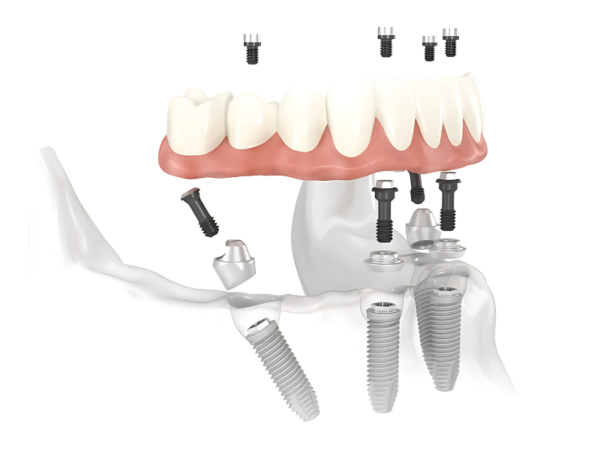
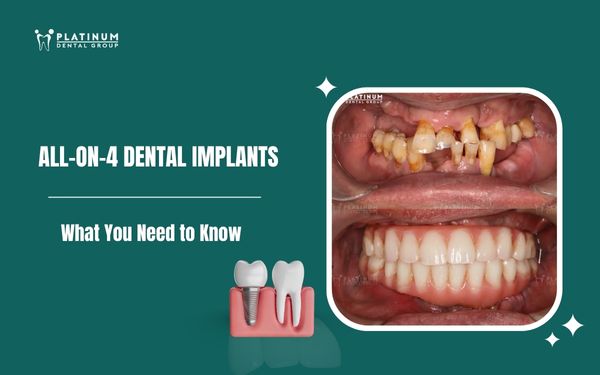
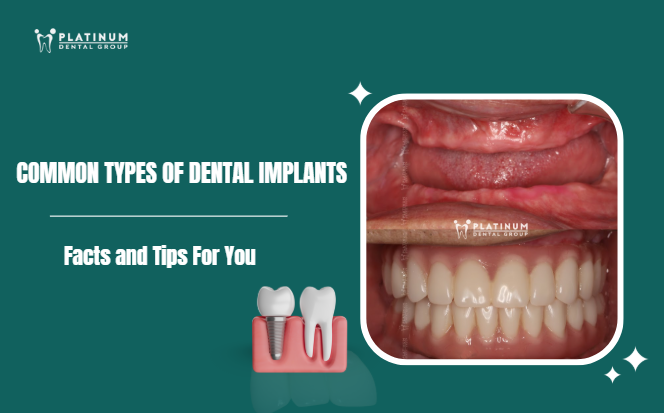
Comprehensive restoration solution for cases of complete tooth loss or being on the verge of completely losing all teeth . The All-on-4 and All-on-6 techniques help restore the entire jaw with only a minimum number of implants, shortening treatment time and bringing a natural, healthy smile and significantly improving quality of life.
Benefits of dental implant
Dental Implant is the preferred choice of many people in their journey of restoring their smile, thanks to its outstanding advantages in terms of function, aesthetics and durability over time.
Near-total restoration of chewing function
Dental implants are designed to look exactly like natural teeth, with Titanium posts implanted directly into the jawbone, ensuring absolute enduring strength. Thanks to that, patients can comfortably chew all kinds of chewy or hard food without worrying about falling, loose, or uncomfortable teeth like when using removable dentures. Clinical studies show that the ability to restore chewing function can reach 99% compared to natural teeth.
Prevent jawbone resorption and protect facial structure
When a tooth is lost, the jawbone in that position will gradually disappear due to the lack of stimulating force from the tooth root. Dental implants help overcome this by integrating the Titanium post with the jawbone, acting as a “biological tooth root” to maintain bone density and effectively prevent jawbone resorption. Thanks to that, the facial structure is maintained, limiting the condition of sunken and sagging cheeks or premature aging.
High aesthetic value and natural beauty like natural teeth
Dental crowns are made from high-quality materials such as Zirconia, Emax… with colors and shapes personalized for each customer to ensure absolute harmony with the remaining teeth. In addition, the gum also adheres closely to the dental crown like natural teeth, making it difficult for people to distinguish which is a fake tooth. This is a factor that helps customers feel more confident in communication and always have a naturally radiant smile.
Long-lasting and sustainable results
With the safe material Titanium, dental implants have a very long service life, which is 20 years or more on average, and can even be used for a lifetime if properly taken care of. Compared to traditional methods such as dental bridges or removable dentures, dental implants are not only more durable but also reduce the risk of requiring repeated treatments.
Maximum natural tooth preservation
The big advantage of dental implants is that it does not affect adjacent teeth. While the method of making a dental bridge requires tooth reduction to make posts, implants are placed independently at the position of missing teeth. This helps to preserve the remaining natural teeth to the maximum, keeping the teeth healthy for a long time and reducing the risk of complications.
Who needs dental implants

Dental implants are currently considered the most optimal dental restoration solution, providing outstanding performance in terms of function, aesthetics, and durability. This method is especially suitable for the following cases:
- People who lose one tooth, several teeth or the entire jaw, making it difficult to chew and affecting daily activities, facial aesthetics, and confidence in communication.
- People who have undergone dental restoration using traditional methods such as removable dentures or bridges but may experience damage, looseness, infection, or have had to face multiple adjustments, causing inconvenience and unnecessary expenses.
- People who face long-term tooth loss leading to jawbone loss, causing sunken and sagging face and making the face look older than its actual age. Implants not only restore teeth but also help prevent jawbone resorption and maintain facial structure.
- People with weak teeth or adjacent teeth that are not strong enough to have a dental bridge. In this case, dental implants are the ideal solution because there is no need to perform tooth reduction, thereby preserving the maximum amount of natural teeth.
Dental implant procedure and treatment duration
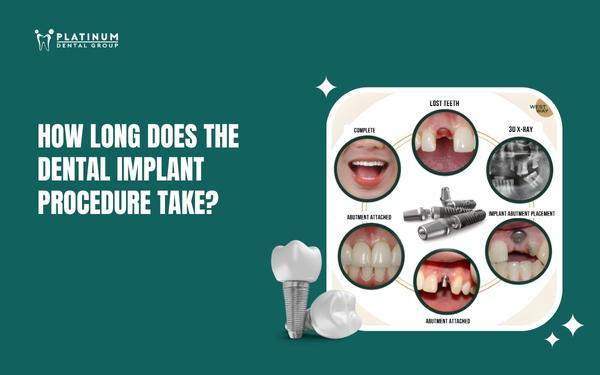
Implantation is a complex dental restoration technique that requires high precision and strict compliance to medical procedures to ensure long-term effectiveness. At reputable dental clinics, this procedure is usually performed through the following 5 steps:
Step 1: General examination and personalized treatment plan
First of all, the doctor will conduct a general examination, check the oral health and take a 3D Cone Beam CT scan to be able to accurately assess the density and volume of the jawbone in the area requiring implantation. Based on these results, the doctor will create a detailed treatment plan: suitable type of implant posts, required number of implant posts, implementation time and estimated cost. In some cases, the patient may need to perform additional blood tests to ensure medical conditions before surgery.
Step 2: Implant surgery
Before the surgery, the patient will be re-examined for general health and given anesthesia or pre-anesthesia to ensure comfort throughout the procedure. The doctor will then place the implant post into the jawbone in the pre-planned position. With advanced technology and digital support, the implant post placement is quick, accurate and minimally invasive.
Step 3: Using temporary crown to maintain aesthetics and chewing function
After the implant post is placed, the patient’s dental impression will be taken to design the temporary crown. The temporary crown is placed in the implant area to ensure aesthetics and chewing function while waiting for the implant post to integrate with the jawbone. Particularly in the case of full mouth dental implants, some clinics can perform temporary fixed restorations immediately after surgery, helping to shorten treatment duration.
Step 4: Follow-up visit and healing monitoring
After a few days to a few weeks, the patient will be scheduled for a follow-up appointment so that the doctor can check the healing process, osseointegration, and detect any complications early. A follow-up appointment on time helps ensure the implant post is stable and ready for the next stage of restoration.
Step 5: Fixed dental crown placement to complete the dental implant procedure
After about 6 weeks to 6 months (depending on the patient’s condition and the type of implant used), when the implant post has fully integrated with the jawbone, the doctor will place a fixed dental crown on top of the implant post through the abutment joint. This restoration process usually takes place in 3 – 5 appointments and is completed in about 5 – 14 days.
Note: The specific treatment time will be advised in detail by the doctor after a direct examination. Platinum Dental is committed to strictly following medical procedures to ensure safety, no pain and no additional expenses.
Dental implant price list
The cost of dental implants at Platinum Dental is transparently built according to each category, suitable for many restoration needs from single implant to full mouth implant. All types of implants are genuine with clear warranty cards to ensure safety, sustainability and high aesthetics.
|
SINGLE TOOTH IMPLANT (1 TOOTH) (Including: Implant Post + Abutment + Dental Crown) |
|||
| Types of Implant | Outstanding advantages | Price (VND/1 tooth) | Warranty period |
| Implant DIO UV (Korea) | Reasonable price, high stability, suitable for simple restoration cases | 18.000.000 – 25.000.000 | 5 years |
| Implant ETK (France) | Fast osseointegration, high biocompatibility, good durability | 30.000.000 – 36.000.000 | 5 years |
| Implant Straumann (Switzerland) | World-class, ultra-fast integration, sustainable stability, optimal aesthetics | 38.000.000 – 45.000.000 | 10 years |
|
FULL-ARCH IMPLANT ALL-ON-4 (All-inclusive: Implant + Titanium frame + Full jaw fixed dental restoration) |
||
| Types of Implant /Technology | Outstanding advantages | All-inclusive price (VND/full jaw) |
| DIO UV (Korea) | Good stability, natural aesthetic restoration, long-lasting effect | 150.000.000 – 180.000.000 |
| ETK (France) | Good stability, natural aesthetic restoration, long-lasting effect | 200.000.000 – 285.000.000 |
| Straumann (Switzerland) | Fast osseointegration, lifetime use, high aesthetics |
230.000.000 – 330.000.000
|
| All-on-6 / All-on-8 | Comprehensive restoration, reducing the number of implant posts, ensuring sturdy chewing function and high aesthetics | 200.000.000 – 390.000.000 |
|
DENTAL CROWN ON IMPLANT (In case the customer chooses a separate dental crown type or changes the restoration material) |
|||
| Types of dental crowns | Advantage | Price(VND/1 tooth) | Warranty period |
| Metal-porcelain crown | Low cost, used for molar area, low aesthetic requirements | 2.500.000 | – |
| UNC full-porcelain crown | Decent aesthetics, good durability, the color looks more natural than metal porcelain | 5.000.000 – 6.000.000 | 5 years |
| German Zirconia crown | Firm, color stable, no black gum line, high aesthetics | 8.000.000 | 5 years |
| High-end America porcelain crown | High hardness, long-lasting color stability, suitable for front teeth area | 10.000.000 | 5 years |
| High-end Switzerland porcelain crown | Subtle in color and shine, absolutely natural | 15.000.000 | 10 years |
Important note:
- Prices may vary depending on jawbone condition, number of implants and type of restoration chosen.
- Some cases of long-term tooth loss may require additional bone grafting/sinus lift costs.
- Platinum Dental is committed to transparent pricing, with no hidden costs.
- Prices may vary depending on the market and material brand, especially for high-end imported implant brands. Contact Platinum Dental directly for detailed advice and accurate quotes for each specific case.
Things to keep in mind to get a successful implantation
Follow the instructions correctly – Optimize results – Maintain long-term.
The implant process can be smooth and effective if the patient is well-prepared in advance, and properly cared for after treatment. Below are important notes from doctors at Platinum Dental:
Before dental implant
- Thorough general health examination: You should inform your doctor about any underlying medical conditions such as heart disease, diabetes, osteoporosis, or medications you are taking. Some cases may require blood tests to ensure treatment requirements.
- Stop smoking at least 1 – 2 weeks before surgery: Nicotine reduces blood flows that nurture tissues, affecting wound healing and osseointegration.
- Eat a light meal before treatment (if not under anesthesia): You should eat a light meal and avoid being hungry or too full before going to the dentist.
- Get enough sleep and keep your mind relaxed: A healthy body and stable mind will help the treatment process go smoothly with very few complications.
- Comply with doctor’s instructions: If you are required to take medication before treatment (e.g. antibiotics), take the right dose.
After dental implant
- Cold compress for the first 24 hours: It helps reduce swelling and mild pain.Each time apply for about 10 – 15 minutes, 1 – 2 hours apart.
- Limit chewing in the implant area: During the first 1-2 weeks, you should only eat soft, chilled, easy-to-swallow foods.Avoid hard, chewy, and hot foods.
- Do not rinse your mouth vigorously or touch the implant area with your hands/tongue: This may cause suture dehiscence, or affect the healing process.
- Do not smoke, drink alcohol or coffee for at least 2 weeks after treatment: These substances slow down the healing process and increase the risk of infection.
- Gentle oral hygiene: Use a soft-bristled toothbrush, saline solution, or mouthwash under the doctor’s instructions.You can use water flossers once the Implant area has completely healed.
- Scheduled follow-up appointment: Monitoring osseointegration and the healing process is mandatory to ensure long-term success.
- Adhere to periodic post-restoration care: After the dental crown is placed, it is necessary to maintain the habit of dental check-ups every 6 months to keep the dental implant stable and durable.
Frequently asked questions about dental implant
Can the elderly have dental implants?
Dental implants are an advanced and effective method to restore missing teeth and it is suitable for many subjects, including the elderly. However, the elderly need to be thoroughly assessed for their general health (such as diabetes, cardiovascular disease, osteoporosis) and jawbone condition. If a jawbone has sufficient quality and volume, or can be supported by bone grafting techniques, the elderly can completely have safe dental implants.
Are dental implants covered by warranty?
Most reputable dental clinics provide warranty policies for implants and related parts (such as abutment joints, dental crowns). The warranty period usually ranges from 5 years to lifetime, depending on the Implant brand and the dental clinic’s policy. Genuine implants from reputable brands often meet international standards such as CE, FDA, ISO, and come with a warranty card to ensure quality. Patients should ask the dental clinic to provide clear information about the warranty policy and regular check-up schedule to maintain the durability of the Implant.
Can dental implants be performed for long-term tooth loss cases?
People who have lost teeth for a long time can still have dental implants, but they need to have their jawbone condition thoroughly assessed. Long-term tooth loss often causes jawbone resorption, reducing bone volume and density. Implants can overcome this condition by integrating a titanium post into the jawbone, helping to stimulate bone growth and prevent further bone resorption. In cases of severe jawbone resorption, techniques such as bone grafting or sinus lift can be applied to ensure implantation conditions. This procedure needs to be performed by a doctor with expertise and advanced equipment.
Is implant placement painful? Is anesthesia required?
Implant placement is usually painless thanks to the use of local anesthesia. After surgery, patients may still experience mild numbness or tightness in the jaw area for a few days, similar to the experience after tooth extraction, which can be controlled with pain medication as prescribed by the dentist. In more complicated cases or when the patient is very anxious, the dentist may use premedication (sedation) to help the patient relax, but general anesthesia is rarely needed. This decision depends on the patient’s health status and the complexity of the surgery.
How long does the full-arch dental implant procedure take?
It depends on bone condition and method of implementation:
- Implant post placement phase: Usually takes 1 – 2 days.
- Recovery and osseointegration: It takes 3-6 months for the implant post to stabilize. With methods like All-on-4, temporary teeth can be placed immediately after surgery.
- Finish the dental procedure: After 3-6 months, the fixed dental crown will be placed.
Total time is from 3 to 9 months, depending on the case. If bone grafting or sinus lift is needed, the time may be extended by 3 – 6 months. The doctor will provide a detailed itinerary after evaluation.
Platinum Dental Group
Clinic Locations:
📍Platinum Dental Central: 127 Nguyen Cu Trinh Street, Cau Ong Lanh Ward, Ho Chi Minh City.
📍Platinum Dental Thao Dien: 1H Street 10, An Khanh Ward, Ho Chi Minh City.
📞 Hotline: (+84) 28 3920 9969 | (+84) 96 779 7799.
✉️ Email: info@platinumdentalvietnam.com
🌐 Website: https://platinumdentalvietnam.com/
💬 Instagram: https://www.instagram.com/platinumdental.vietnam/
🔗 Facebook: https://www.facebook.com/platinumdentalvn
LET "EXPERTS" ANSWER ALL YOUR QUESTIONS ABOUT PLATINUM DENTAL Completely Free Consulting - Instant Responses Dedicated and Accurate Support

Articles on the same topic