



What Is Children’s Orthodontic Treatment?
When Is the Right Time?

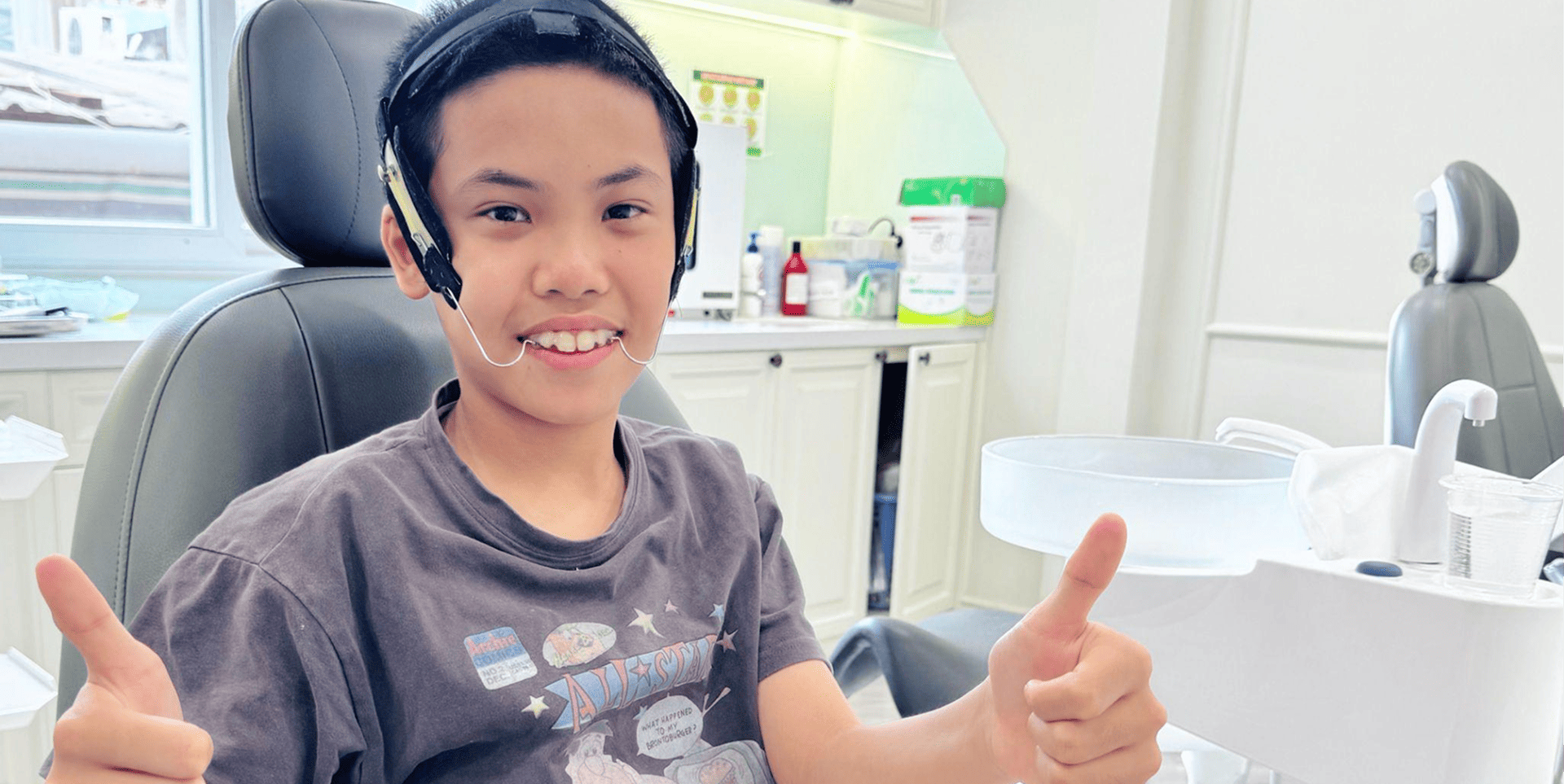
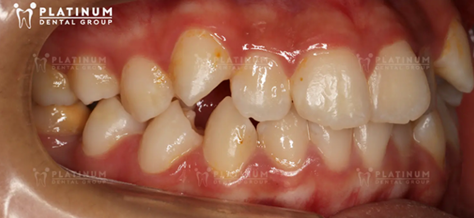
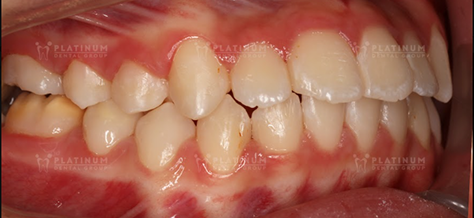
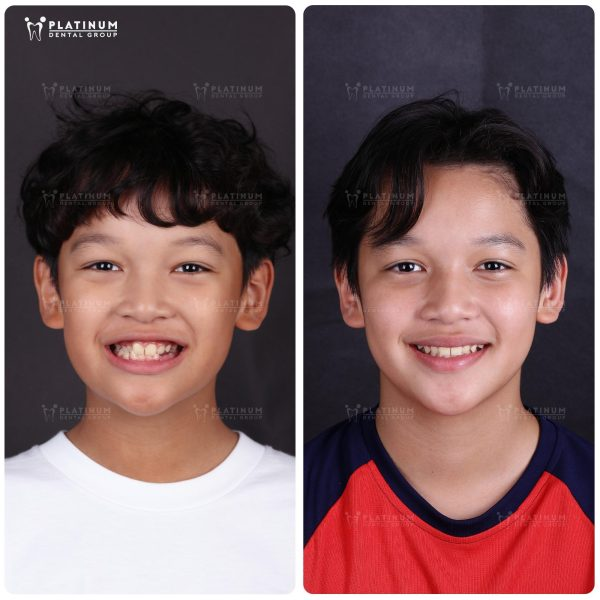
Children’s orthodontics, also known as interceptive orthodontics or early orthodontic treatment, is a specialized field of dentistry focused on identifying, diagnosing, and treating dental and jaw misalignment in children from an early age. It involves more than simply straightening teeth: it also helps guide jaw growth and establish the foundation for healthy teeth and a beautiful smile as children grow.

gdoc-image-8

Should children start orthodontic treatment as early as possible?

Not necessarily. The key is to start at the right time, based on the child’s oral health and stage of development. If treatment begins too early, before the jaw is ready, orthodontic appliances may feel uncomfortable and interfere with chewing or speech. Conversely, if treatment is delayed until the teeth and jaws have fully developed, correction may become more complex and take longer.

gdoc-image-9

The ideal age for effective children’s orthodontic treatment

According to orthodontic specialists, children may be assessed for orthodontic treatment from around 6 to 12 years of age, when baby teeth are gradually replaced by permanent teeth and the jaws are still developing. This can be an ideal window for identifying and addressing early signs of misalignment. During this stage, teeth may respond well to orthodontic forces, and bite development can be guided to help make treatment more efficient. Depending on the child’s oral condition, the dentist may recommend a dental trainer to help guide the development and positioning of the teeth and jaws and support facial harmony.

Why Timing Matters in Children’s Orthodontic Treatment

Early orthodontic treatment can do more than help guide teeth into better alignment. It may also support oral health and help children feel more confident. Key benefits include:

icon-benefit-sd-4

Support balanced jaw development

Helps correct misaligned teeth and guide the jaws toward more balanced development.

icon-benefit-sd-5

Create space for permanent teeth

Helps create room for permanent teeth to erupt in the correct positions and reduce crowding.

icon-benefit-sd-1

Improve chewing and speech

May improve chewing, swallowing, and speech difficulties associated with misaligned, protruding, or retruded teeth.

icon-rang

Potentially save time and costs

Treatment at an appropriate stage may make orthodontic care more straightforward and help optimize overall costs.

icon-benefit-sd-2

Build confidence

A healthier-looking, well-aligned smile can help children feel more confident when communicating and playing with others.

Are you experiencing loose teeth, an overbite, or any other dental concerns?

Our team of dentists and specialists is ready to provide a free consultation and help you find the right solution.

Request a Free Call Back

Signs That Your Child May Need Early Orthodontic Assessment

icon-doi-tuong

Parents should bring their children to the dental clinic for an examination and orthodontic consultation if

  • Protruding upper teeth (overjet), where the upper front teeth extend forward, potentially affecting the bite and facial appearance.
  • Underbite (reverse bite), where the lower teeth sit in front of the upper teeth, potentially affecting chewing and jaw development.
  • Crowded or misaligned teeth, which often occur when the dental arch does not have enough space for teeth to erupt properly.
  • Gaps between teeth, which may affect the bite, chewing function, and appearance of the smile.
  • Deep bite, where the upper teeth cover too much of the lower teeth, potentially affecting the bite and gum tissue.
  • Crossbite, which occurs when one or more upper teeth sit inside the lower teeth and may affect balanced jaw development.
  • Oral habits such as thumb-sucking, tongue thrusting, lip-biting, or mouth breathing, which may contribute to irregular tooth and jaw development.
icon-khong-nen

Potential Consequences of Delaying Orthodontic Intervention

Longer treatment and increased discomfort

As children grow, the jaw bones become more mature and less adaptable, and tooth movement may become slower than during earlier developmental stages. Moving teeth within a more mature bone structure may also cause greater discomfort or sensitivity.

A greater likelihood of tooth extraction or complex surgery

Once the dental arches have developed, some cases may require tooth extraction to create enough space for orthodontic treatment. Severe jaw discrepancies may require jaw surgery.

Potential damage to adjacent teeth and shifting

An unerupted or impacted tooth that is not assessed and managed in time may affect neighboring teeth. If a baby tooth is lost prematurely and the space is not maintained, nearby teeth may shift, leaving insufficient room for the permanent tooth to erupt.

Register for a consultation with Platinum Dental – Our orthodontic team can help your child work toward a confident, radiant smile

Get an estimate for orthodontic cost

Free consultation - Callback in 15 minutes

pattern-doctor-who-mobile-update

Latest Children’s Orthodontic Treatment Costs

At Platinum Dental, children’s orthodontic treatment costs range from VND 20,000,000 to VND 50,000,000 per treatment course, depending on the child’s oral condition, jaw growth stage, and the orthodontic method recommended by the dentist. The detailed prices are as follows:

CHILDREN’S ORTHODONTIC TREATMENT PRICE LIST

Service
Service Cost
Children’s orthodontics — growth modification phase (jaw correction may take 6–24 months, depending on the case)
20.000.000 - 50.000.000 (1 treatment course) 1.111 - 2.778 (1 treatment course) 769 - 1.923 (1 treatment course)
Children’s orthodontics — comprehensive treatment phase (metal braces)
40.000.000 - 60.000.000 (1 treatment course) 2.222 - 3.333 (1 treatment course) 1.538 - 2.308 (1 treatment course)

Why Choose Platinum Dental Group for Children’s Orthodontics?

Experienced dentists who are gentle, understand children’s needs, and provide attentive care

gdoc-image-7 2

Accurate treatment planning with modern technology

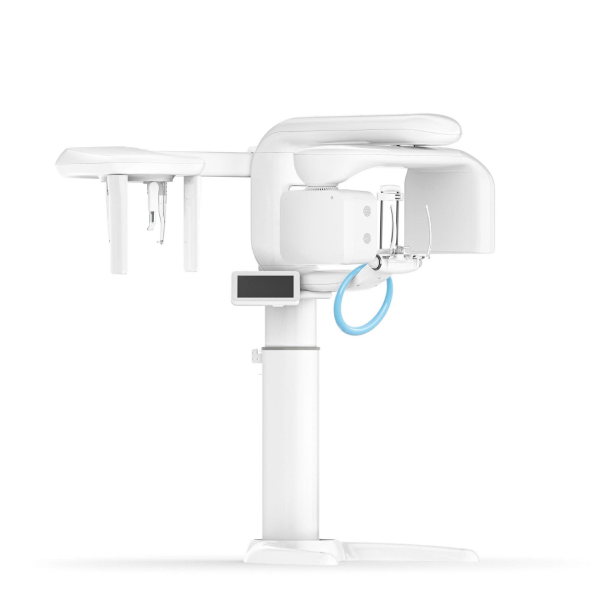
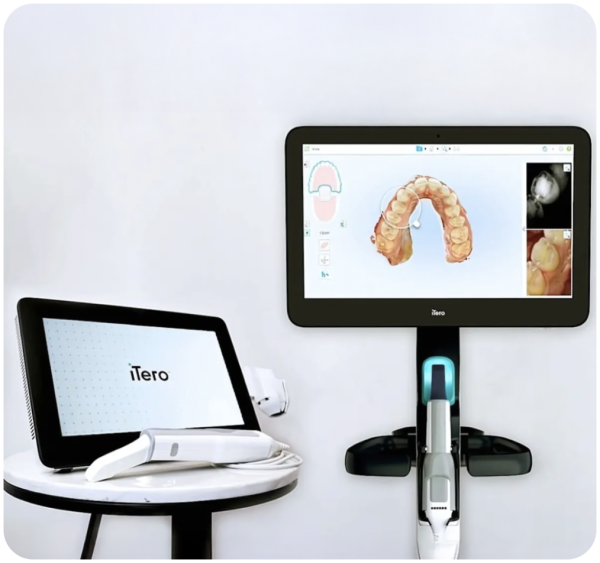
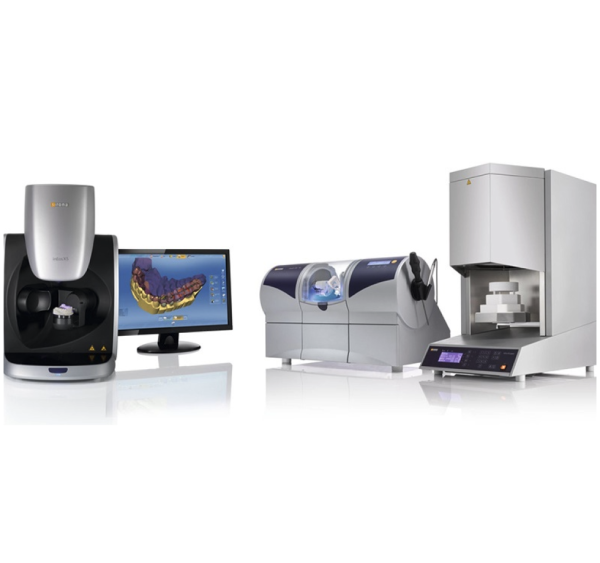
Using 3D Cone Beam CT, intraoral scanning, and specialized analysis software, Platinum Dental develops precise orthodontic treatment plans for children and can simulate potential outcomes to help parents understand the proposed treatment.

Specialized orthodontists who understand children and help them feel at ease

All orthodontists at Platinum Dental have received formal training and have extensive practical experience. They work gently and patiently with children, helping reduce anxiety and encouraging cooperation throughout treatment.

Personalized treatment plans for both smile aesthetics and oral health

Every child receives an individualized orthodontic plan designed to improve bite alignment, support facial harmony, and prioritize safety. Dentists also recommend options suited to the child’s dental condition and the family’s budget.

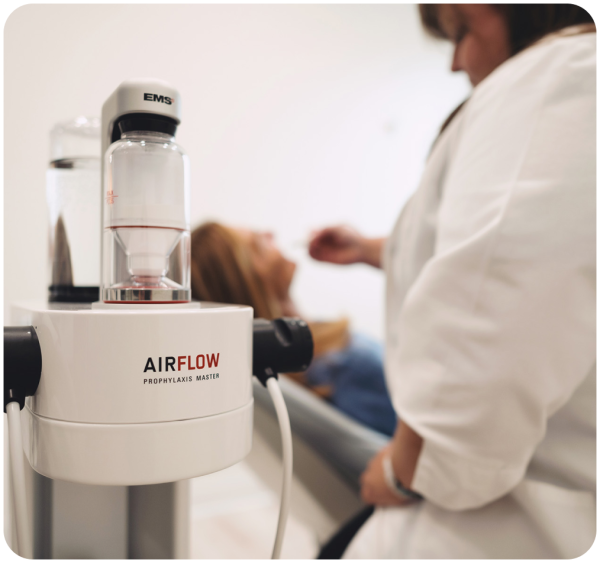
Clinically guided procedures and strict infection-control standards

Children’s orthodontic procedures at Platinum Dental are carefully monitored and follow the Ministry of Health’s applicable infection-control requirements, helping children and parents feel reassured at every stage of treatment.

Ongoing support and thorough guidance to help maintain results

Platinum Dental monitors each child from the start of orthodontic treatment through the retainer phase, providing oral care guidance and clear warranty policies to support long-term results.

Platinum Dental Group’s Commitments

Highly qualified orthodontists who accurately assess each case

Modern planning software to design a precise treatment pathway

Ongoing monitoring to support a healthy smile and proper bite alignment

Transparent costs, clear consultation, and support in answering questions

Experienced Orthodontists Providing Thorough Consultations

At Platinum Dental, children are supported throughout their orthodontic journey by an experienced, dedicated team of specialists who understand children’s needs and help them feel comfortable during treatment. Featured specialist:

Modern Equipment and Advanced Technology at Platinum Dental

icon-benefit-5

Supports efficient and precise treatment

icon-benefit-3

Helps minimize invasiveness for a more comfortable experience for children

icon-equipment-v2-3

Supports healing and helps reduce discomfort and the risk of complications

The Children’s Orthodontic Process at Platinum Dental

Platinum Dental Group’s children’s orthodontic process is carefully planned around each child’s jaw development to help establish a well-balanced bite and a confident smile. It consists of four main stages:

01

Examination and diagnosis

The dentist performs a comprehensive examination and takes X-rays to assess the teeth, jaws, and concerns such as protruding teeth, underbite, crowding, or bite misalignment. This is an essential foundation for developing an appropriate orthodontic treatment plan for the child.

02

Jaw growth modification

The dentist focuses on correcting jaw discrepancies, such as protruding or retruded jaws and facial asymmetry related to jaw structure. By taking advantage of a child’s developing jaw, the dentist may guide jaw growth to help the upper and lower jaws develop in better harmony and potentially reduce the need for complex jaw surgery later in life.

03

Monitoring the transition from baby teeth to permanent teeth

After jaw growth modification—or for children without significant jaw discrepancies who are transitioning from baby teeth to permanent teeth, typically around ages 9–12—the dentist carefully monitors tooth eruption. If necessary, intervention may help guide permanent teeth into the correct positions and ensure adequate space within the dental arch.

04

Comprehensive fixed orthodontic treatment

This is the main tooth-alignment phase and often begins when most permanent teeth have erupted. Fixed braces or clear aligners may be used to move individual teeth into their planned positions and establish a well-aligned bite.

How long does children’s orthodontic treatment take?

Children’s orthodontic treatment usually takes between 6 months and 3 years, depending on the child’s age and dental condition.

  • The early orthodontic phase may take 6–12 months to guide jaw development and create space for permanent teeth.
  • Comprehensive fixed orthodontic treatment may take 1–2 years, when the child’s jaw development is favorable for treatment.
  • More complex cases involving protruding teeth, underbite, or severe misalignment may take up to 3 years.

Starting orthodontic treatment at an appropriate stage while a child is transitioning between baby teeth and permanent teeth may make the jaws easier to guide and help shorten treatment time in suitable cases.

Successful Children’s Orthodontic Treatment Stories at Platinum Dental

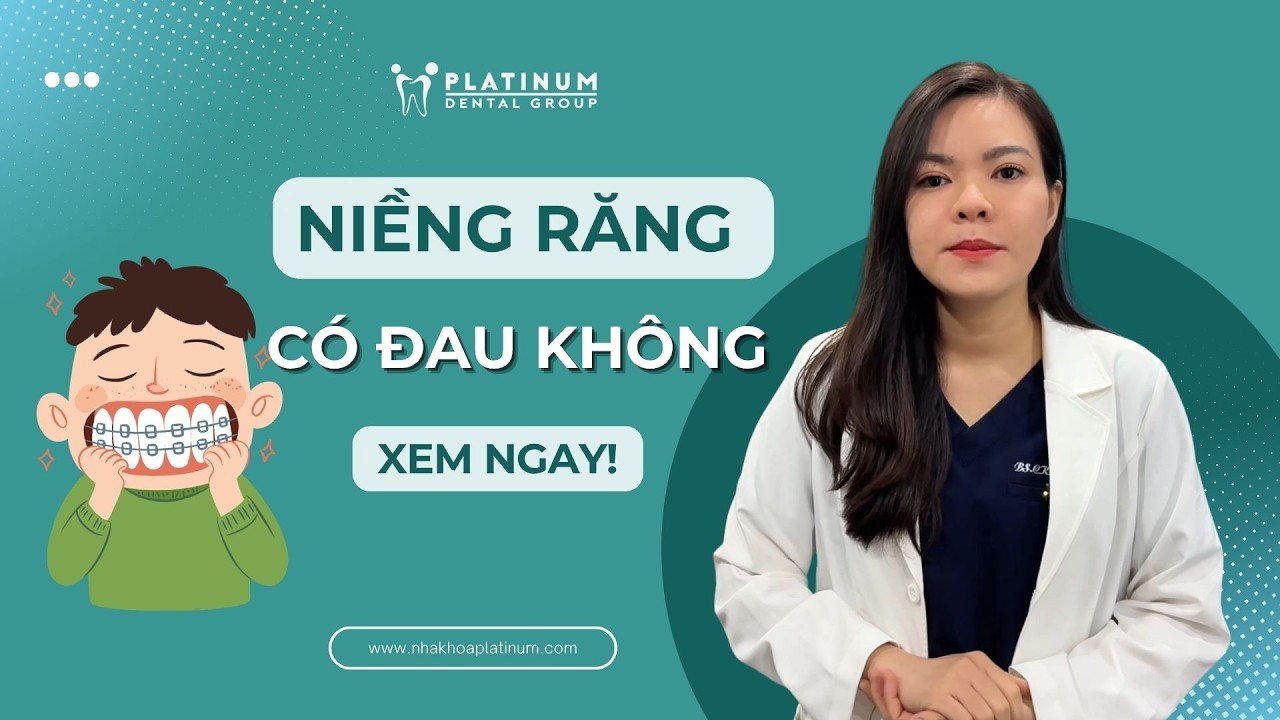
Many parents have chosen Platinum Dental for their children’s orthodontic care and have shared positive feedback about treatment quality and the dedication of the dental team. Read about parents’ and children’s experiences after orthodontic treatment at Platinum Dental.

maxresdefault

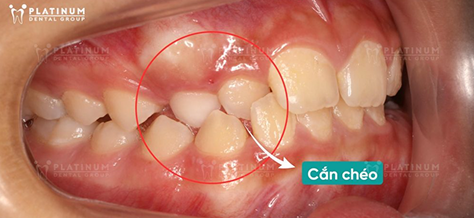
K.N. (11 years old)

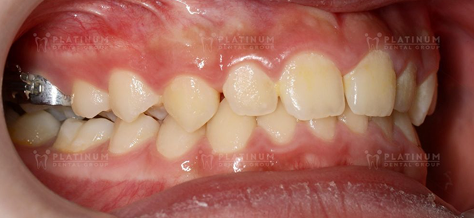
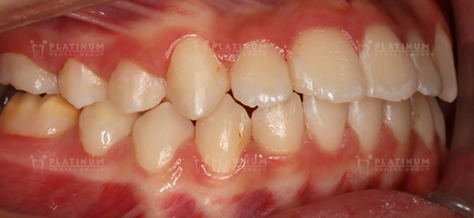
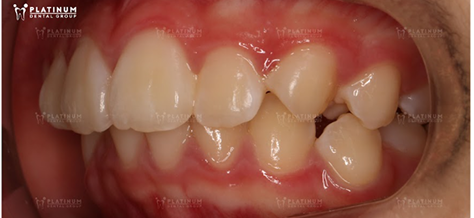
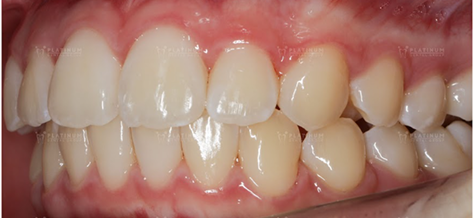
Children’s orthodontic treatment to correct a crossbite
image
BEFORE TREATMENT
image (1)
AFTER TREATMENT
"K.N. came to Platinum Dental with a crossbite affecting the upper canine area, resulting in bite misalignment and affecting facial aesthetics. After an examination, Dr. Phuong Dung recommended a palatal expansion appliance at the appropriate time. With an accurate treatment plan and close monitoring, the crossbite was fully corrected in just six months. This outcome highlights the importance of timely early orthodontic intervention, which may help reduce treatment time and support a healthy bite."
View details →
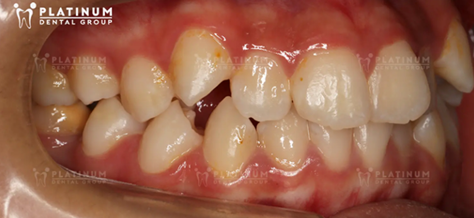
Bao Lam (11 years old)

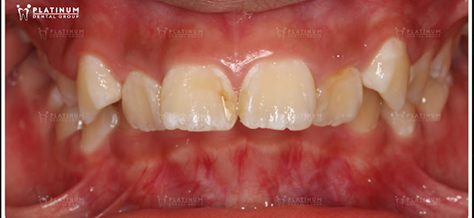
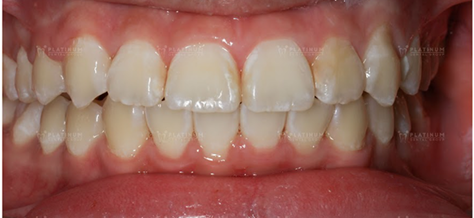
Children’s orthodontic treatment for a mild underbite and jaw asymmetry

gdoc-image-18
BEFORE TREATMENT
gdoc-image-17
AFTER TREATMENT
"Bao Lam began orthodontic treatment at age 11 with a mild underbite and jaw asymmetry. With the support of her mother, she started early treatment at Platinum Dental. After nearly three years of consistent care, the results were excellent: a broader smile, improved facial harmony, a better-aligned bite, and support for clearer speech. She is now more confident participating in extracurricular activities at school. Her progress demonstrates the value of treatment at the appropriate time and may reassure parents considering orthodontic care for their children."
View details →

Media Recognition of Children’s Orthodontic Services at Platinum Dental

In addition to focusing on clinical quality, Platinum Dental has attracted attention from press and media outlets through its activities in dentistry and community health for children. This coverage helps raise awareness of the clinic and the values it strives to uphold.

What Should Parents Know to Help Their Child Achieve the Best Orthodontic Results?

To help children achieve the desired results from orthodontic treatment, parents should support and guide proper oral care before and after treatment:

01

Before treatment

  • Schedule an early examination: Take your child to the dentist if you notice unusual tooth positions or bite development so the dentist can provide timely advice.
  • Choose suitable appliances: Discuss appliance options with the dentist based on your child’s age, dental condition, and treatment needs.
  • Help your child feel prepared: Explain the orthodontic process in a gentle, reassuring way to ease anxiety and encourage cooperation with the dentist.
02

After treatment begins

  • Diet: Offer soft foods cut into small pieces during the first few days or after brace adjustments. Limit hard, chewy, and sticky foods.
  • Maintain proper oral hygiene: Help your child brush 2–3 times a day with a soft-bristled toothbrush, along with interdental brushes and dental floss or a water flosser.
  • Manage harmful habits: Remind your child to avoid tongue thrusting, thumb-sucking, nail-biting, and mouth breathing where possible, as these habits may affect treatment.
  • Attend follow-up appointments: Bring your child to scheduled visits so the dentist can monitor tooth movement and adjust appliances when needed.
  • Wear retainers as instructed: After braces are removed, your child should wear retainers for the period recommended by the dentist to help maintain the results.

Get FREE consultation
from Platinum Dental Group

Send us your dental condition or concerns today. Our team of dentists with over 20 years of experience at Platinum Dental Group will directly assist you and create a suitable treatment plan.

  • Free consultation, 100% confidential records guaranteed.
  • English and French-speaking dentists, supporting overseas Vietnamese and international clients.

Which service are you interested in?

Free consultation - Callback within 15 minutes

Frequently Asked Questions About Invisalign Clear Aligners

1. Will orthodontic treatment affect my child’s baby teeth?

No. During early orthodontic treatment, dentists generally use gentle forces to guide jaw development and tooth eruption. This approach is not intended to harm baby teeth or the developing permanent teeth underneath. However, if a baby tooth has decay or is loose, the dentist will address it promptly-through treatment such as a filling or extraction where appropriate-to avoid interfering with orthodontic care. Regular checkups help the dentist monitor the baby teeth and maintain oral health throughout treatment.

2. If my child gets braces early, could their teeth become misaligned again as they grow?

This depends on several factors. Early orthodontic treatment can guide jaw development and create better conditions for permanent teeth to erupt in alignment, potentially reducing the risk of more severe misalignment later. However, teeth may shift slightly after treatment if the child does not wear retainers as instructed or continues habits such as thumb-sucking, tongue thrusting, or teeth grinding. Parents should follow the dentist’s advice on retainer wear and oral care to help maintain results over time

3. Can braces cause tooth decay or gum inflammation in children?

Tooth decay and gum inflammation can develop if oral hygiene is inadequate, because food can become trapped around brackets and wires and contribute to plaque buildup. To help prevent this, parents should teach children to use an orthodontic toothbrush, interdental brushes, and a water flosser for effective cleaning. Regular dental visits for professional cleaning and oral health checks are also important for keeping teeth and gums healthy throughout treatment.

4. What should we do if my child refuses to wear their orthodontic appliance?

This is relatively common during early orthodontic treatment. Parents can gently explain the benefits of wearing the appliance and help their child build a consistent routine. If the child continues to have difficulty cooperating, the dentist can discuss adjustments to the treatment plan with the family. This may include considering a more suitable alternative or postponing treatment until the child is older and better able to cooperate. Collaboration between the dentist, parents, and child is important for achieving effective treatment.

5. Are braces painful for children?

Children may experience some discomfort, but it is often mild and manageable. At first, the appliance may feel bulky or cause mild pressure and tenderness; these sensations often ease as the child adjusts over the following one to two weeks. After adjustment appointments, the teeth may also feel mildly sore for a few days before the discomfort gradually subsides.

6. Should we wait until all of my child’s permanent teeth have erupted before starting braces?

Not always. Some children benefit from early orthodontic intervention to guide tooth position and jaw development while they are still growing. Waiting until all permanent teeth have erupted before addressing protruding teeth, an underbite, or crowding may mean that treatment is more complex in some cases. Parents should arrange an orthodontic assessment at the appropriate time so the dentist can evaluate their child and recommend a suitable treatment approach.

Timely children’s orthodontic treatment can help guide jaw development, support oral health, and give your child greater confidence in the future. Every child develops at a different pace and has unique dental needs, so an early consultation with an orthodontist is important for creating an appropriate treatment plan. If you have concerns about your child’s oral health or would like more information about children’s braces and orthodontic treatment options, contact Platinum Dental HERE!

Related Posts

icon-zalo Zalo icon-whatsapp WhatsApp icon-map Map icon-hotline Hotline icon-get-offer View Offers
icon-booking Booking Now

BOOK AN APPOINTMENT
WITH THE DOCTOR NOW!

*We only use your information to support consulting and commit to absolute confidentiality.

Popup – en