

 Tiếng Việt

Tooth Sensitivity After Crown: Causes and Effective Solutions
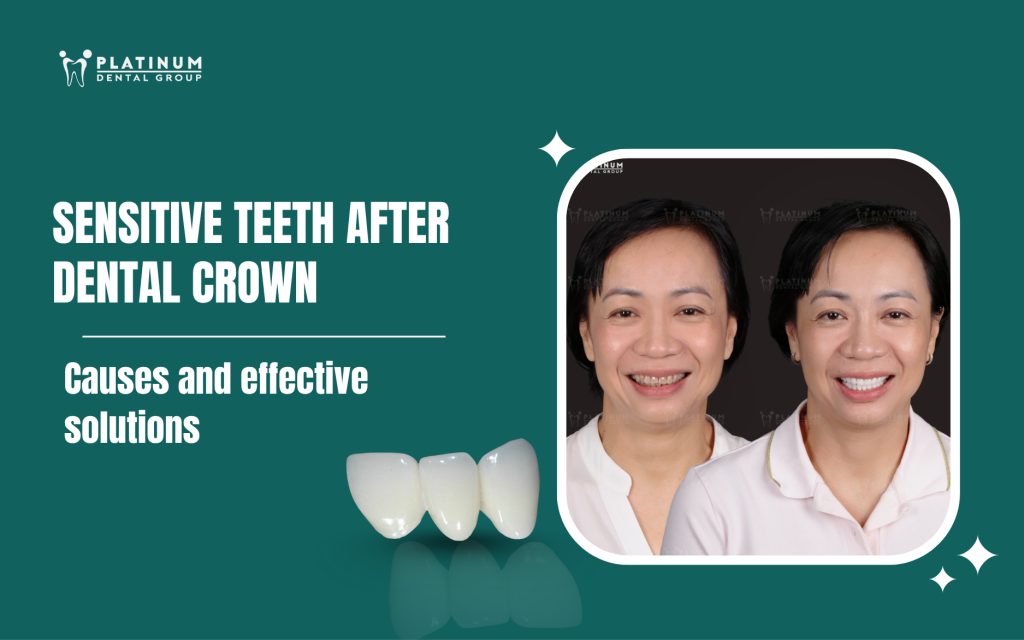

It’s quite common to experience tooth sensitivity after crown, which can be uncomfortable while eating and going about your daily life. This can be a normal reaction in the initial phase, but it can also be a warning sign of an underlying issue that needs to be resolved. This article will help you understand the causes, discover home remedies to reduce the discomfort, and know exactly when you should see your dentist to ensure the best oral health.
Nội dung bài viết
Why do teeth become sensitive after a Crown?
After getting a dental crown, some people will experience varying levels of sensitivity: from a fleeting moment to moderate or prolonged discomfort when chewing. This can be a normal initial reaction as the body adjusts, but it can also stem from technical issues with the procedure or an unaddressed underlying dental condition.
The body has not adjusted, or gums are sensitive
After the crown is cemented, the gums and natural tooth need time to get used to this new “foreign object.” For the first 1-2 days, you might feel a slight twinge or tenderness when chewing or brushing. This is completely normal, especially for those with sensitive gums. If the sensitivity gradually fades over time, you can stop worrying.

Porcelain Crowns are sensitive to temperature
Although crowns are designed to closely resemble natural teeth, they can still transmit temperature. As a result, you might distinctly feel a painful zing when eating things that are too hot or too cold. This only usually lasts for the first few days, and then the tooth will stabilize.
The underlying problems were not completely fixed
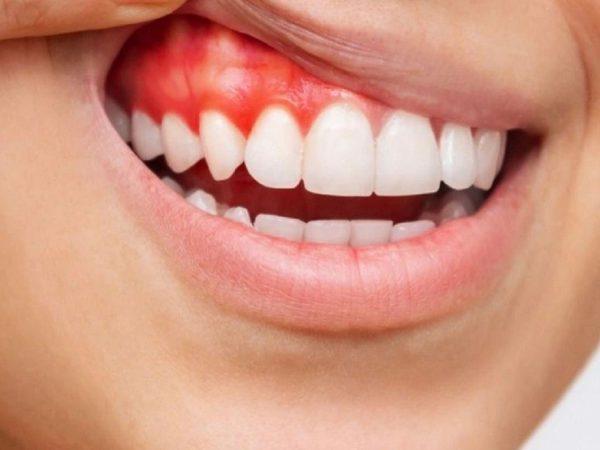
Many people get crowns when they still have underlying decay, gingivitis, or pulpitis that was not completely resolved. In these cases, the crown simply covers the tooth without addressing the root cause. Over time, the condition worsens, leading to prolonged sensitivity or even severe throbbing pain.
Low-Quality Crowns
Poor-quality crowns often lack good insulation, making them prone to cracking, chipping, or discoloration. When used, the tooth quickly becomes sensitive, especially when alternating between hot and cold foods. Furthermore, cheap crowns are often not bio-compatible with gum tissue, easily causing irritation.

Teeth grinding (bruxism) habit
People who grind their teeth while sleeping or clench their jaw when stressed put immense pressure on the crown. This results in tender, aching teeth, pain in the temples, and can even cause the crown to fracture. If you have this habit, crown placement must be accompanied by a supportive measure like wearing a night guard.
Inaccurate or poor procedure technique
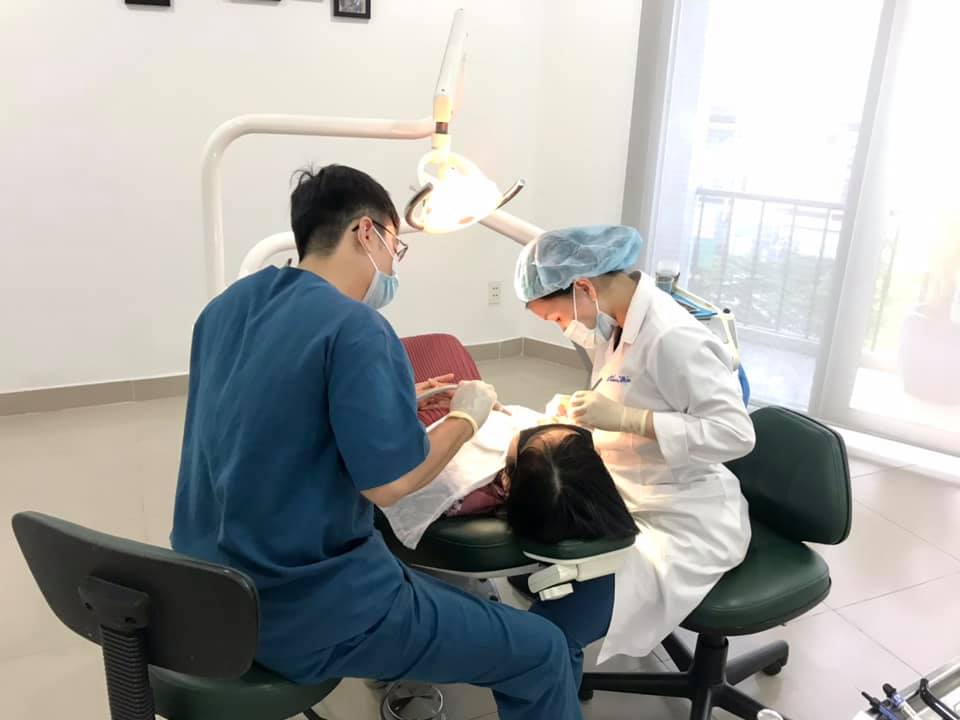
Crown placement requires a dentist with high skill and expertise. If the tooth reduction (filing) is incorrect, the impression is wrong, the crown is ill-fitting, or the bonding cement is improperly applied, the tooth can feel high/awkward, have gaps, and lead to prolonged sensitivity.
Furthermore, if the dentist doesn’t adjust the bite after cementing the crown, the occlusion (bite) may not be optimized. If the crown doesn’t hug the natural tooth tightly or is positioned incorrectly in the bite, chewing forces will be unevenly distributed. You will feel discomfort and aching whenever you bite down, especially on hard foods.
This is why choosing a reputable dental clinic is a deciding factor.
How long does the sensitivity last?
Not everyone experiences the same degree of sensitivity after getting a dental crown. Some may only feel mildly sensitive for a few days, while for others, the sensation may last for weeks. The duration of sensitivity depends on your body’s specific reaction, the condition of the tooth beforehand, and the quality of the crowning technique.
In most cases, the sensitive feeling only lasts for about 1-2 days. This is the period where the tooth and gum are adapting to the new crown, and the underlying enamel (dentin) after preparation is more sensitive than usual. When eating hot/cold items or brushing, you might feel a slight sting, but this sensation should typically decrease over time. After about 3-4 days, the crown should be more settled, the gum tissue should fit snugly around it, and the sensitivity should almost completely disappear.
If the tooth is still severely sensitive or the pain is persistent after more than 3-4 days, this is an abnormal sign. The cause could be excessive tooth reduction (filing) that has affected the pulp (nerve), a poorly fitted crown that is leaking, or unaddressed issues like pulpitis or gingivitis. In this scenario, the sensitivity won’t resolve on its own and may worsen, impacting your ability to chew and the health of your natural tooth. If this happens, you should visit the dentist immediately for an exam and timely treatment to prevent complications.
Temporary home remedies to reduce sensitivity
If the sensitivity is mild, you can try some simple home remedies to ease the discomfort. These are only temporary solutions to make the tooth more comfortable and are not a substitute for a dental check-up and professional treatment.
Apply a cold compress (Not directly to the tooth)
You can wrap a few small ice cubes in a thin towel and gently apply the cold compress to the outside of your cheek near the sensitive tooth for about 5-10 minutes. The cold temperature helps constrict the blood vessels, temporarily reducing pain and aching. Be careful not to place the ice directly on the tooth, as this can make the sensitivity worse.

Rinse with lukewarm salt water
A lukewarm salt water rinse is one of the safest and most effective home remedies for sensitivity. The warmth helps soothe the discomfort, while the salt has antibacterial properties, reducing gum inflammation and preventing bacterial growth. You can rinse 2-3 times a day with a diluted salt solution (avoid making it too salty to prevent irritation).
Apply a desensitizing or numbing gel as directed by your dentist
Some dental gels contain mild anesthetic or cooling agents and are commonly used to relieve tooth sensitivity. You can apply them directly to the sensitive area as prescribed by your dentist. This provides quick, localized numbing and pain relief. However, only use the specific, safe product recommended; do not buy over-the-counter products indiscriminately to avoid side effects.
Take Over-the-counter pain relievers
If the sensitivity is causing significant discomfort, you can take common pain relievers like Acetaminophen (Paracetamol) or Ibuprofen at the recommended dosage. These medications offer temporary relief, making daily life more manageable. However, do not overuse them or take them continuously for a long period, and stop taking them if you notice any unusual side effects.
When should you see a dentist?
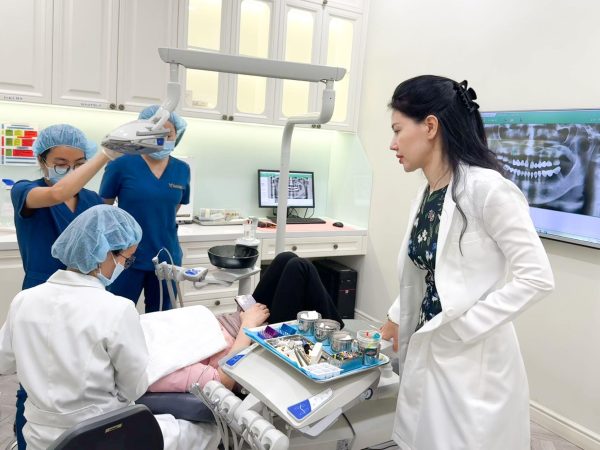
While sensitivity after a dental crown is often a normal, temporary reaction, you absolutely should not ignore it if it persists or is accompanied by other abnormal signs. Getting an early dental exam will help identify the exact cause and allow for timely treatment to prevent future complications.
- Sensitivity that doesn’t improve after 2 weeks: If the tooth remains consistently sensitive even after the adjustment period, it’s highly likely there is an issue with the bite, a poorly fitting crown, or underlying damage to the natural tooth structure.
- Severe pain that radiates to other areas: Prolonged pain that throbs into the temple, ear, or jaw is a sign that the tooth’s nerve (pulp) has been affected or that there is a severe infection.
- Loose tooth, high/awkward feeling, or difficulty chewing: These signs indicate a loose crown, an incorrect bite alignment, or compromised bonding cement, and require immediate adjustment.
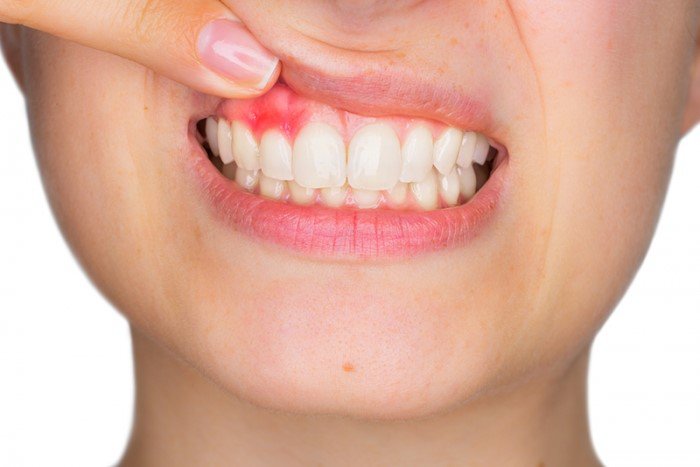
- Swelling, redness, bleeding, or foul odor (bad breath): When the gums around the crown are inflamed, swollen, or bleeding, there is a high risk of bacterial infection from a gap between the crown and the natural tooth. If left untreated, the inflammation will spread and affect the entire jaw.
Care and prevention of sensitivity after dental Crown placement
Proper aftercare not only helps minimize sensitivity following a crown procedure but also extends the life of the crown and protects the underlying natural tooth. Here are the crucial habits you should maintain:
Proper oral hygiene
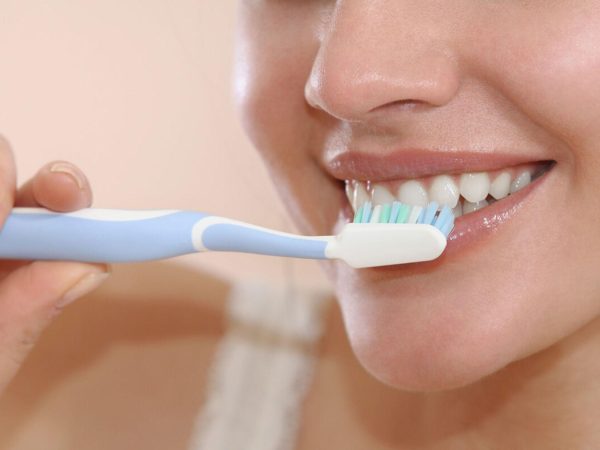
After your crown is placed, you must maintain the habit of brushing at least twice a day with a soft-bristle toothbrush to avoid damaging your gums and the crown surface. You should brush vertically or with a gentle circular motion, instead of aggressive horizontal scrubbing. Use dental floss or a water flosser to remove food debris lodged between the teeth, which helps prevent gum inflammation and decay underneath the crown.
Sensible diet
While dental crowns are highly durable, they are not “indestructible.” You should limit extremely hot, cold, acidic, or sugary foods, as these can easily trigger sensitivity and damage the underlying natural enamel. Furthermore, you should avoid chewing on hard objects like bones, nuts, or ice cubes, which can fracture or chip the crown. Instead, incorporate foods rich in calcium and Vitamin D to boost your overall oral health.
Regular check-ups
Even if you don’t notice any unusual symptoms, you should still schedule a check-up every 6 months so your dentist can assess the condition of your crown, your bite alignment, and your gums. Regular examination helps catch potential underlying issues early, such as a crown with an open margin (leaking), or signs of inflammation or decay on the natural tooth inside, allowing for timely treatment before the situation becomes serious.
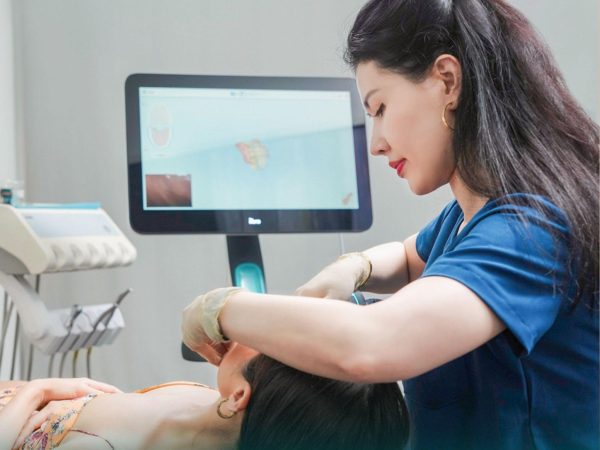
Sensitivity after receiving a dental crown is a common occurrence; it is usually not serious and can be improved with proper aftercare. However, if the sensitivity is prolonged, if the pain is severe, or if it’s accompanied by other abnormal signs, you should visit a reputable dental clinic for a timely examination and resolution.
At Platinum Dental Group, our team of highly skilled dentists and modern equipment are ready to support you on your journey to restoring and caring for your smile. Our medically-compliant crown procedure, premium materials, and clear warranty policy ensure patients can feel confident in both the aesthetic outcome and their oral health.
If you are currently experiencing sensitivity after crown placement or wish to learn more about our services, please contact Platinum Dental Group immediately for a consultation and to book your earliest appointment.
Learn more:
- General insights into Dentistry Implants
- Essential details related to tooth Veneers
- Important considerations related to teeth Implants cost
- An overview of Teeth Crowns in restorative dentistry
- Important information about all on 4 Dental Implants near me
- Essential details related to full Dental Implants near me
Articles on the same topic