

 Tiếng Việt

Detailed Answer: Can Diabetics Get Dental Implants?

People with diabetes often worry about whether they are candidates for dental implants, if the procedure is safe, and what conditions must be met to avoid complications. In reality, the implant technique is entirely possible for diabetic patients, provided that blood sugar levels are well-controlled and a thorough examination is performed by a dentist beforehand.
In this article, we will explore why diabetes affects healing capabilities, the necessary metrics before implant placement, safety levels based on diabetes type, and the specialized procedure for this patient group. Platinum Dental Group presents this information clearly to help you make informed decisions with peace of mind regarding your treatment options.
Nội dung bài viết
- 1 Can diabetics get dental implants?
- 2 Conditions for dental implants for diabetics
- 3 Is dental implant surgery safe for diabetics?
- 4 Implant Procedure for Diabetic Patients
- 5 Advice for diabetics when getting Implants
- 6 Cost of Dental Implants for Diabetics
- 7 Reputable Address for Dental Implants for Diabetics
- 8 Frequently Asked Questions
Can diabetics get dental implants?
Platinum Dental Group confirms: You can still get dental implants if you have diabetes, but the critical factor is that your blood sugar levels must be controlled and stable.
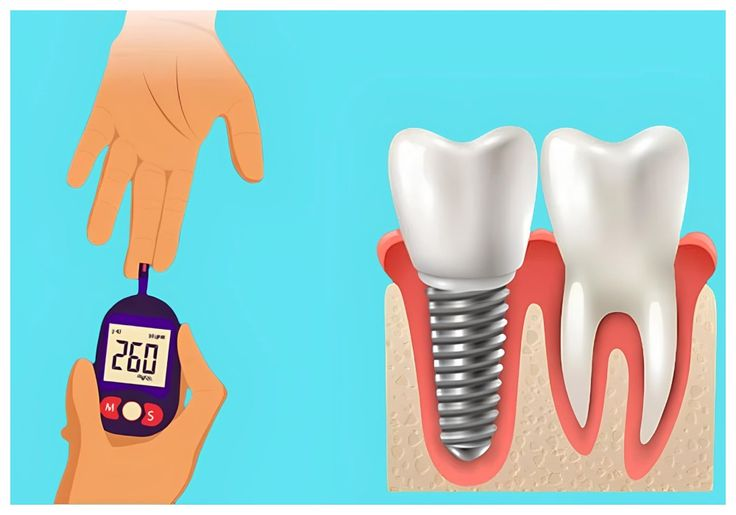
The reason diabetes is closely linked to the ability to receive dental implants lies in the body’s recovery mechanism. When blood sugar remains high for a long time, blood circulation is impaired, anti-inflammatory capacity declines, and soft tissue and bone recover more slowly. This prolongs the time required for the implant to integrate into the jawbone and creates more potential obstacles. Therefore, Platinum Dental Group always carefully reviews blood sugar indices before making a clinical indication to ensure your safety.
Can diabetics get dental implants? (Detailed Mechanism)
High blood sugar not only slows the healing process but also directly impacts the gums and jawbone. You may experience gums that are prone to inflammation and prolonged swelling; simultaneously, jawbone density may decrease, making it difficult for the implant to anchor securely. If these factors are not well-controlled, they can increase the risk of post-operative infection. However, most issues can be mitigated if the patient maintains their medication regimen and strictly follows care instructions.
One of the notable risks for diabetic patients is the failure of the implant to integrate with the bone or peri-implantitis (inflammation around the implant). This is why doctors always require an HbA1c test before surgery. HbA1c indicates the average blood sugar level over the last 2-3 months, helping the doctor accurately assess recovery potential after implant placement. At Platinum Dental Group, this test is considered an indispensable step to ensure every patient qualifies and can undergo the procedure safely.
In general, diabetes is not an absolute barrier to dental implant techniques. With good control and a suitable treatment plan, you can absolutely possess a sturdy, long-lasting dental implant. If needed, Platinum Dental Group is always ready to accompany you and provide detailed consultation based on your specific health condition.
Conditions for dental implants for diabetics
To ensure the implant surgery is safe and achieves a high success rate, Platinum Dental Group always dedicates time to thoroughly evaluate your general health. With diabetes, reviewing clinical factors is even more critical to guarantee the body has sufficient healing capability and to minimize post-operative complications.
Blood Sugar Control
The first prerequisite is stable blood sugar control. An HbA1c index under 7% shows that blood sugar levels in the last 2-3 months have been well-maintained, suggesting the body will recover favorably after implant placement. In many cases, an HbA1c between 7-8% is still actionable if you strictly adhere to treatment and receive close monitoring from the doctor.
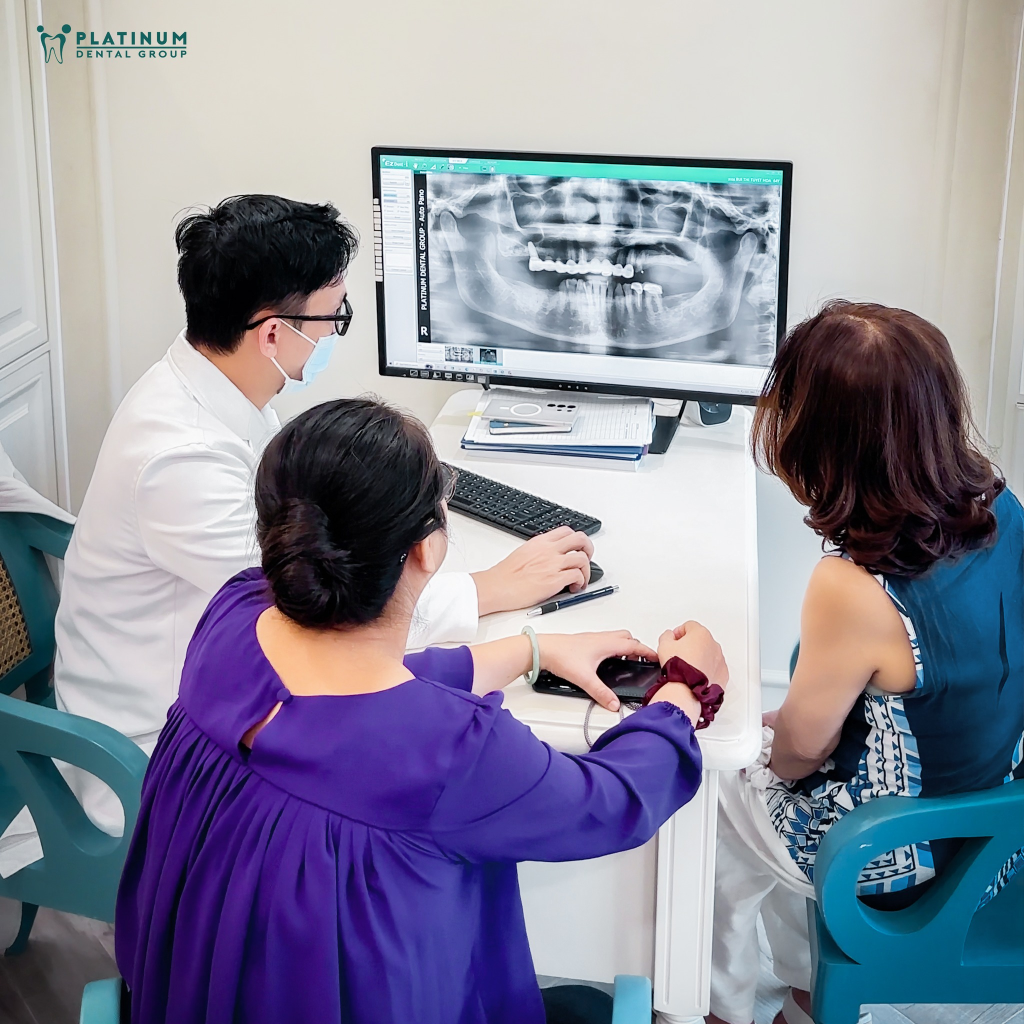
Conversely, when HbA1c exceeds 8%, the healing process is easily hindered, and the risk of infection and non-integration increases significantly, so doctors usually postpone the implant procedure. Additionally, fasting blood sugar maintained stably around 7-8 mmol/L is also a favorable indicator for the surgical process.
Essential details about Implant tooth options
General Health Assessment
After assessing blood sugar, the next step is a general exam and jawbone density check. Platinum Dental Group always performs a 3D Conebeam CT scan to examine bone volume, gum thickness, and the area requiring the implant. This helps the doctor determine if bone grafting or a sinus lift is necessary, as well as predict the implant’s integration level. Parallel to this, you will undergo blood tests to check red blood cells, white blood cells, platelets, and clotting indices. These are factors that directly affect post-operative recovery.
Furthermore, you should fully inform the doctor about any medications you are taking, especially hypoglycemic drugs, anticoagulants (blood thinners), or cardiovascular medications. Comorbidities such as hypertension, lipid disorders, or chronic kidney disease must also be noted as they can impact healing speed. Providing full information helps the doctor design a safe and personalized treatment protocol for you.
Is dental implant surgery safe for diabetics?
Can diabetics get dental implants safely? The answer is yes, provided you meet the conditions for blood sugar control and are closely monitored throughout the treatment. The key factor lies in the stability of blood sugar levels, as this determines healing capability, limits infection, and helps the implant integrate firmly with the jawbone.
Safety levels by diabetes type
The safety level when placing implants varies depending on the type of diabetes:
- Type 1 Diabetes: Patients usually depend on insulin and have a higher risk of blood sugar fluctuations. Therefore, the doctor will require very stable blood sugar control before performing the implant and requires strict monitoring during recovery stages.
- Type 2 Diabetes: The majority of patients control blood sugar via medication and diet. When HbA1c is maintained under 7%, healing capability is relatively good, and implant placement is generally safer.
Whether Type 1 or Type 2, the common point is that treatment is only safe when blood sugar is stable and the patient complies with medical guidelines.
Success rate of implants in diabetics
Many studies show that if well-controlled, the success rate of implants in diabetic patients can reach 85-90% – equivalent to those without the disease. The indices usually considered ideal before surgery include:
- Fasting blood sugar: 80-130 mg/dL
- HbA1c: Under 7%
When these thresholds are met, the implant has good bone integration potential, favorable healing time, and significantly reduced risk of complications.
Potential risks
Although implants can be performed safely, diabetic patients still face some risks if blood sugar fluctuates significantly or is poorly controlled:
- Delayed healing due to reduced blood flow to tissues.
- Post-operative infection due to compromised immunity.
- Implant failure (non-integration), especially in those with low bone density.
- Peri-implantitis (inflammation around the implant) is more likely to occur if gingivitis persists.
These risks do not always happen, but they need to be carefully evaluated from the start to have an appropriate treatment protocol.
See also: Key factors influencing Dental Implant cost
Implant Procedure for Diabetic Patients
The dental implant process for diabetic patients needs to ensure precision, safety, and stricter control compared to standard patients. At Platinum Dental Group, all steps are personalized based on health status, blood sugar indices, and healing capability. The application of a digital workflow also makes the procedure gentler, less invasive, and supports better recovery.
Step 1: General examination and personalized treatment planning
From the very first step, the doctor conducts an examination using new-generation 3D Conebeam CT, allowing precise assessment of jawbone density, height, and volume. Data is input into Platinum Dental Group’s 3D Implant planning software to simulate post position, angulation, and predict bone integration.

Personalized protocols help diabetic patients have a plan suited to their blood sugar control level and current bone condition.
Step 2: Blood tests to check general health
Platinum Dental Group coordinates the testing of blood sugar, HbA1c, and inflammatory markers right at the clinic or partner hospitals. The electronic record system helps doctors monitor blood sugar trends and establish safety thresholds before intervention. Thanks to this comprehensive control process, you are ensured treatment in the most stable health state.
Step 3: Implant Placement
When indices are suitable, the doctor proceeds with Digital-guided Implant Surgery. This technology allows for precise placement according to the plan, minimizes soft tissue invasion, results in smaller wounds, and enables faster recovery—which is particularly critical for diabetic patients.
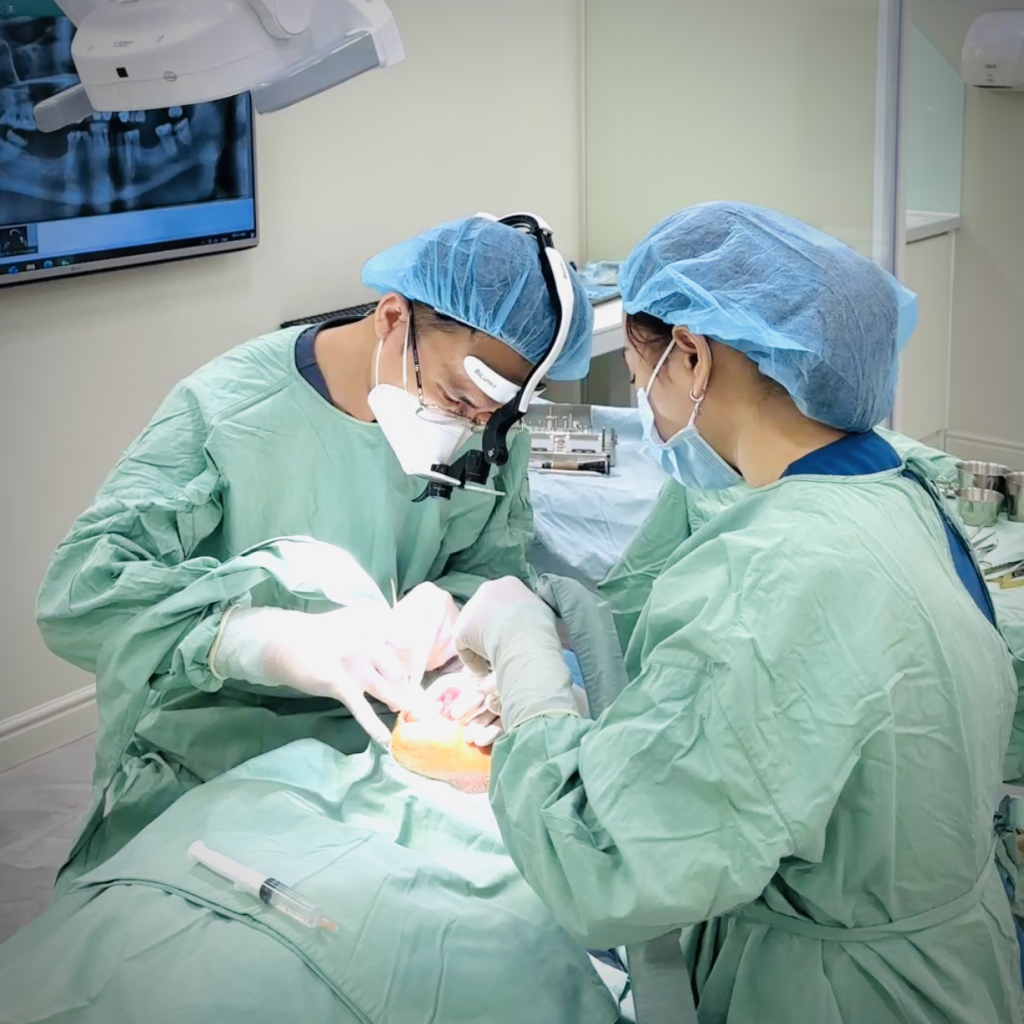
The operating room at Platinum Dental Group is standardized with an international-standard sterile system, air filtration, and instruments sterilized via a one-way process, minimizing the risk of post-operative infection.
Step 4: Follow-up appointments
You will have follow-up visits based on an automated schedule from the clinic’s system. At each visit, the doctor uses bone density measurement devices and digital X-rays to check the level of bone integration around the post. For diabetic patients, Platinum Dental Group closely monitors periodontal status and the healing process to intervene promptly if there are any abnormal signs.
Step 5: Porcelain teeth installation and treatment completion
When the post has integrated firmly (usually 4–6 months), the doctor proceeds to take dental impressions using the iTero 3D intraoral scanner, sparing you the discomfort of traditional impression trays. Data is sent directly to Platinum’s digital lab, where porcelain teeth are crafted using CAD/CAM technology, ensuring fit, aesthetics, and durability. At the end of the process, you will possess a new, sturdy tooth that functions naturally and aesthetically enhances your smile.
The entire process is directly performed by a team of doctors with nearly 20 years of experience in implantology, alongside an absolute sterile system. This helps diabetic patients feel more secure throughout the treatment, from examination and surgery to post-implant care.
Advice for diabetics when getting Implants
To ensure the implant procedure goes smoothly and risks are minimized, diabetic patients need to prepare thoroughly and follow the doctor’s instructions. Maintaining stable blood sugar, combined with appropriate oral care, will increase bone integration capabilities and accelerate recovery time.
Diet, Drink, and Medication before and after surgery
Before placing the implant, you should eat a light meal to reduce the risk of hypoglycemia during the procedure, especially if you are taking diabetes medications. Taking medication at the right dose and time as prescribed by your endocrinologist and dentist is also crucial to maintain blood sugar within a safe range during surgery.

After surgery, prioritize soft, easy-to-chew foods, limit sweets, and avoid foods that risk spiking blood sugar suddenly. Maintaining stable blood sugar during the healing phase will reduce infection risks and support better implant integration.
Oral care to prevent complications
Proper oral care plays a specially important role for diabetic patients because the body is more prone to inflammation than usual. After placing the implant post, you should clean the surgical area gently according to instructions, avoiding vigorous brushing in the first few days to not affect the healing tissue.
Additionally, rinsing with Chlorhexidine as prescribed helps keep the implant area bacteria-free and reduces inflammation risks. You should also avoid smoking, as tobacco can hinder the healing process, increase the risk of peri-implantitis, and reduce the success rate of the treatment.
Cost of Dental Implants for Diabetics
The cost of dental implants for diabetic patients is not fixed, as the price depends on various factors related to health status and individual treatment needs. Generally, the fees are equivalent to those for normal patients; however, some additional items may arise to ensure safety throughout the implantation process.
To help you visualize, below is a reference price list for implant packages currently applied at Platinum Dental Group. This price list includes the cost of the implant post, surgical placement, porcelain crown restoration, and follow-up visits:
| Service | Implant Type | Origin | Package Price (VND) | Warranty |
| Single Implant | Implant DIO UV | Korea | 18 – 25 million/post | 5 years |
| Implant ETK | France | 30 – 36 million/post | 7 years | |
| Implant Straumann | Switzerland | 38 – 45 million/post | 10 years | |
| Abutment + Cercon Porcelain on Implant | Implant DIO UV | Korea | 8 million/post | 5 years |
| Implant ETK | France | 10 million/post | 7 years | |
| Implant Straumann | Switzerland | 13 million/post | 10 years | |
| ALL ON 4 | Implant DIO UV | Korea | 150 – 160 million/jaw | 5 years |
| Implant ETK | France | 200 – 240 million/jaw | 7 years | |
| Implant Straumann | Switzerland | 230 – 270 million/jaw | 10 years | |
| ALL ON 6 | Implant DIO UV | Korea | 180 – 200 million/jaw | 5 years |
| Implant ETK | France | 280 – 315 million/jaw | 7 years | |
| Implant Straumann | Switzerland | 340 – 390 million/jaw | 10 years | |
| Bone Grafting | Sinus lift/local graft | 5 – 10 million | ||
| Bone graft – Open sinus lift | 10 – 15 million | |||
| Full jaw bone graft | 50 – 70 million |
The cost of dental implants for diabetics depends on the chosen implant type, the origin of the post, the restoration plan, and the number of teeth needed. For diabetic patients, doctors often prioritize implant lines with high stability and superior bone integration capabilities to reduce infection risks and increase long-term success rates.
Additionally, diabetic patients may need blood tests, blood sugar checks, or soft tissue/bone support treatments if necessary. These factors will create a certain difference in the total cost. At Platinum Dental Group, all costs are consulted clearly from the beginning item by item, helping you easily balance your budget and take initiative in your treatment plan. Doctors always prioritize safe options suitable for overall health, with no costs incurred outside the agreement.
See also: Introduction to all on four Dental Implants near me
Reputable Address for Dental Implants for Diabetics
For diabetic patients, choosing the right place for implant surgery is a crucial factor in ensuring safety and minimizing risks throughout treatment. A reputable facility needs experienced doctors, strict blood sugar control protocols, and modern support technology systems to increase placement accuracy.
Platinum Dental Group is one of the units that meets these criteria well. With nearly 20 years of implant treatment experience, the medical team understands how to assess blood sugar stability and has experience handling cases with special health backgrounds like diabetes. Every patient receives a personalized treatment protocol, ensuring it suits their physical condition and test indices.
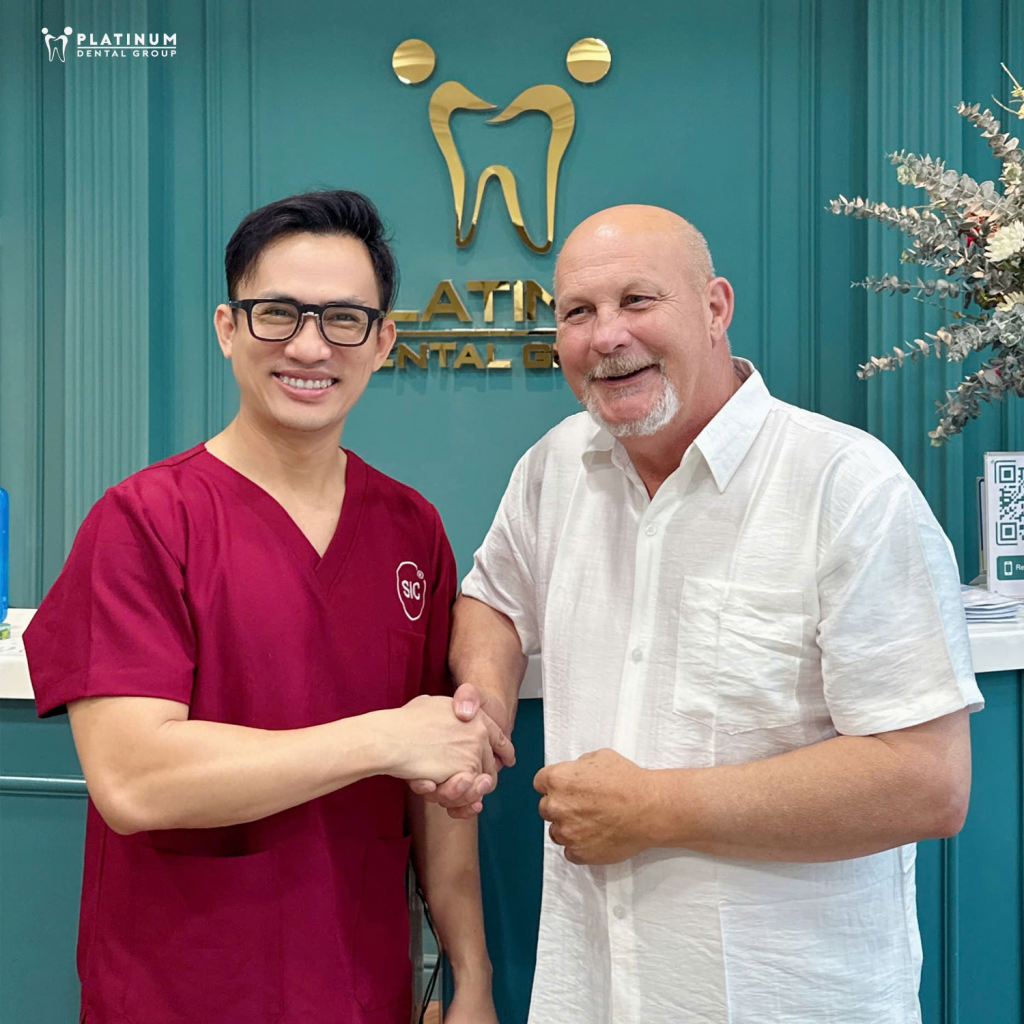
Besides expertise, Platinum Dental Group also applies a comprehensive digital technology system, including 3D CBCT imaging, Navident dynamic navigation for implants, PRF technology to support healing, and a safe sterile process preventing cross-contamination. These factors help the post-placement process proceed gently, accurately, and with minimal tissue intervention, suitable for patients with slower healing capabilities.
The treatment environment here is designed to ensure safety for diabetic patients: close monitoring of vital indices, detailed post-operative care instructions, and constant companionship throughout the osseointegration process.
If you are looking for a safe, reliable, and suitable implant address for diabetic patients, Platinum Dental Group is a choice worth considering.
Frequently Asked Questions
Can diabetics get full jaw implants?
People with diabetes can still get full jaw implants, but only when blood sugar has been controlled stably. The doctor will base the decision on indices such as HbA1c, fasting blood sugar, jawbone density, and systemic health to determine the appropriate method.
For cases with HbA1c ≤ 7%, good healing capability, and no serious accompanying pathologies, full jaw restoration with implants is entirely feasible. However, doctors will prioritize minimally invasive techniques combined with healing support technology to reduce infection risks.
Should diabetics choose immediate implants?
Immediate implants (extracting the tooth and placing the post at the same time) are not the optimal choice for every diabetic patient. This technique requires strong gum tissue and jawbone, good healing capability, and stable blood sugar control.
If blood sugar fluctuates, tissue healing is poor, or the site is infected, doctors usually recommend the traditional implant procedure to ensure safety. Therefore, diabetic patients should only undergo immediate implants when thoroughly evaluated and deemed qualified by a doctor.
How long does it take for implants to heal in diabetics?
Healing time in diabetic patients may be slower compared to healthy individuals due to lower tissue regeneration and infection resistance.
Typically, implants need about 3-6 months to fully integrate with the jawbone, depending on the level of blood sugar control, the type of implant used, and support technology during implantation. If blood sugar is maintained stably and oral care is correct, healing time can be shortened and better results achieved.
People with diabetes can still get dental implants, provided that blood sugar is controlled stably and there is close coordination between the endocrinologist and the implant dentist. Careful assessment of HbA1c, bone density, general health, and a safe treatment process will help minimize risks and improve success rates.
With a solid professional foundation and modern digital technology systems, Platinum Dental Group is a reliable choice for those looking for solutions to restore lost teeth while managing diabetes. Our team of doctors accompanies you throughout the process, from examination and health condition control to complete restoration, helping you feel secure and confident with your new smile.
Learn more:
- Key aspects of Veneer Dental solutions
- Essential details related to tooth crown options
- Essential details related to full Dental Implants near me
If you need more detailed advice on your condition, you can contact Platinum Dental Group Hotline 096 779 7799 for support tailored to your needs and current health metrics.
Platinum Dental Group
Clinic Locations:
📍Platinum Dental Central: 127 Nguyen Cu Trinh Street, Cau Ong Lanh Ward, Ho Chi Minh City
📍Platinum Dental Thao Dien: 1H Street 10, An Khanh Ward, Ho Chi Minh City
📞 Hotline: (+84) 28 3920 9969 | 096 779 7799
✉️ Email: info@platinumdentalvietnam.com
🌐 Website: https://platinumdentalvietnam.com/
💬 Instagram: https://www.instagram.com/platinumdental.vietnam/
🔗 Facebook: https://www.facebook.com/platinumdentalvn
Articles on the same topic